





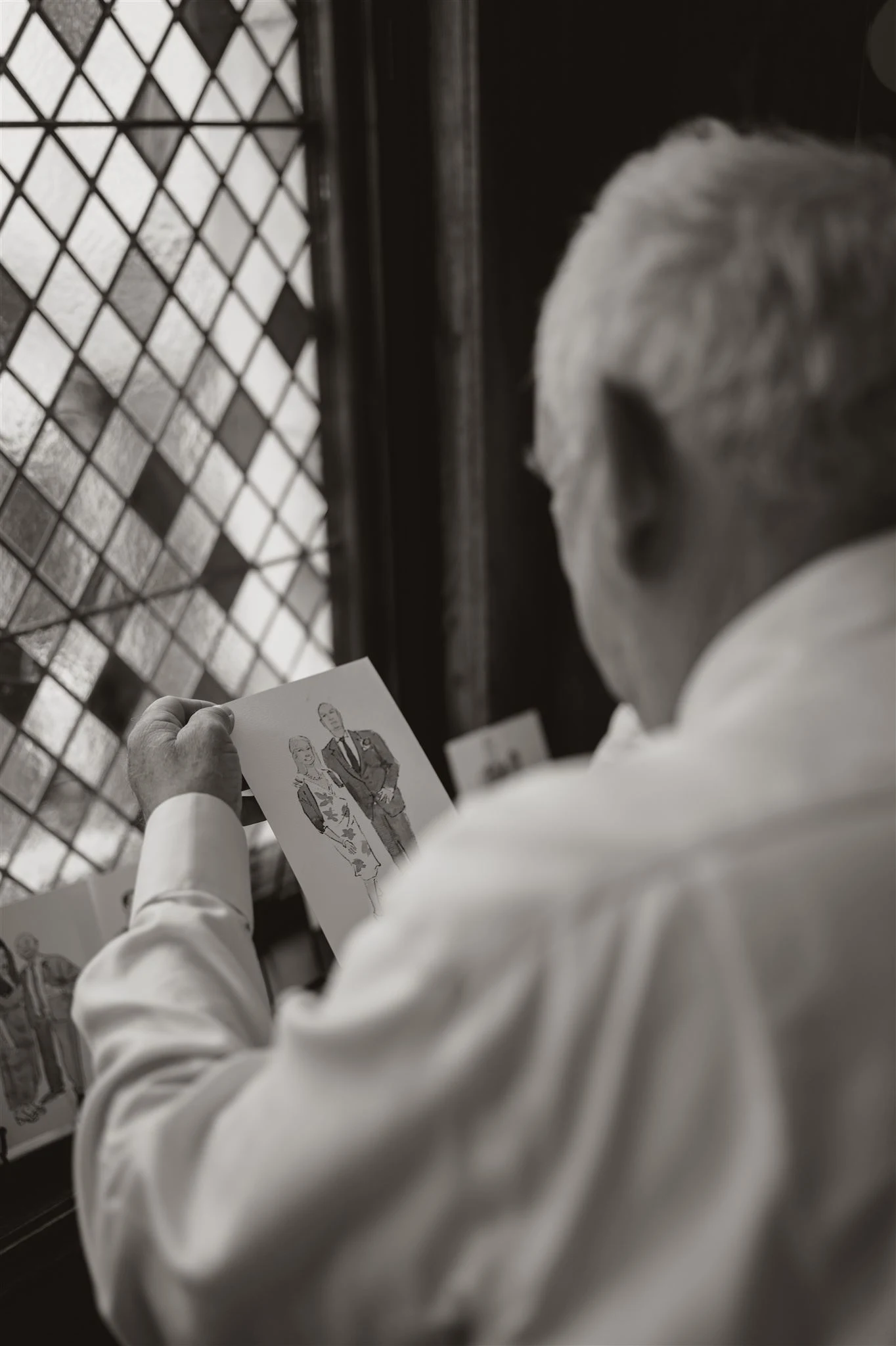
In an era increasingly defined by the rapid expansion of generative artificial intelligence and the digitization of creative output, a counter-movement favoring tangible, human-centric artistry is gaining significant traction within the luxury events sector. At the forefront of this resurgence is Peter Kuznicki, the founder of Kuznicki Live, a bespoke service providing live wedding illustration and fine art keepsakes. By utilizing traditional mediums such as ink, brush, and watercolor, Kuznicki has carved a niche that prioritizes the lived creative skill of a classically trained draughtsman over the algorithmic efficiency of modern technology. This shift reflects a broader cultural trend toward "slow art" and experiential entertainment, where the process of creation becomes as much a part of the celebration as the final product itself.
The professional trajectory of Peter Kuznicki serves as a microcosmic view of the current tensions within the creative industries. Having spent 15 years as a graphic designer, Kuznicki witnessed the gradual commodification of digital art and the encroaching uncertainty brought about by AI. His transition from a digital-first environment to the tactile world of live illustration was prompted by a desire to reconnect with the fundamental elements of human interaction and artistic spontaneity. This pivot is not merely a career change but a strategic response to a market that increasingly values authenticity and the "human touch" in an automated world.
The Technical Foundation of Live Illustration
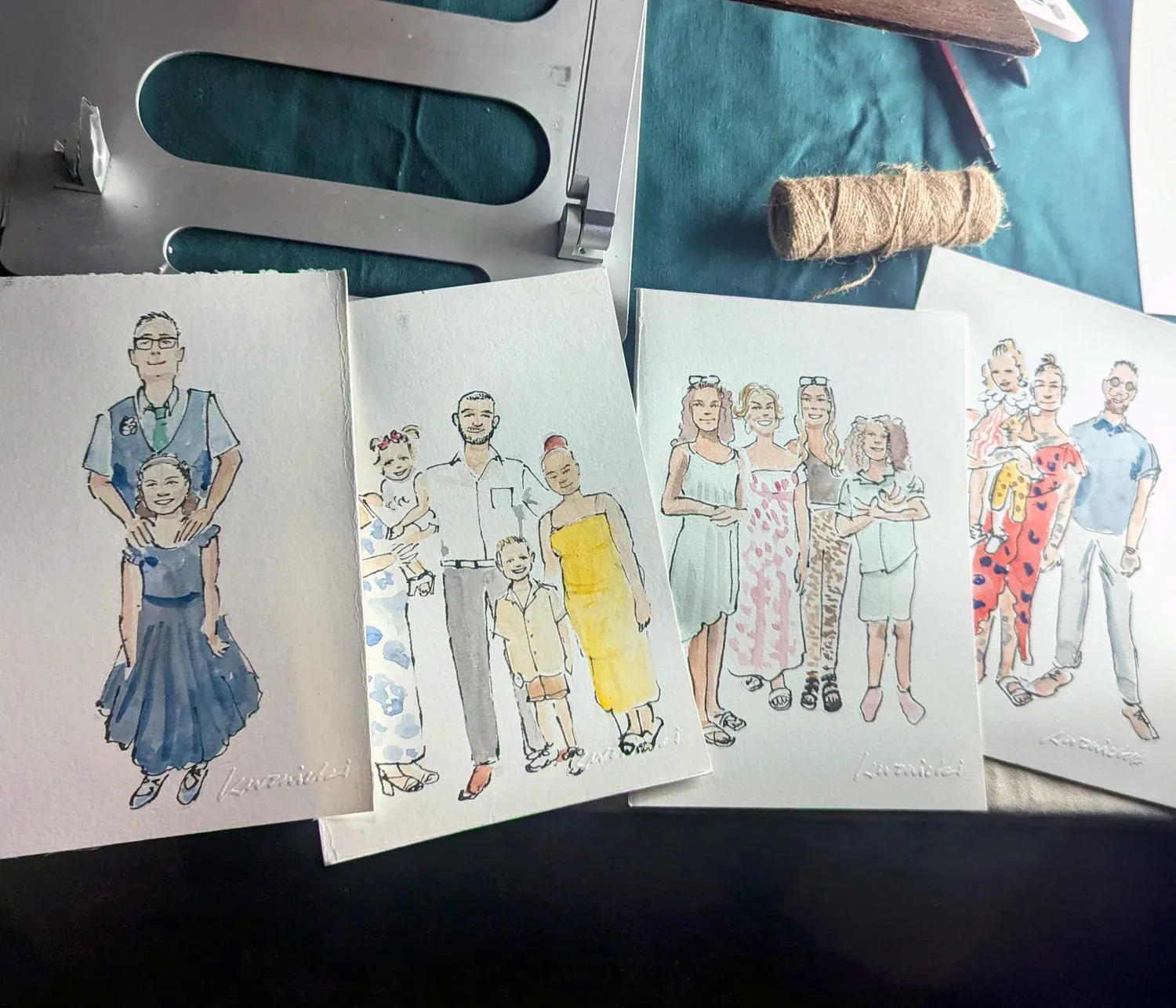
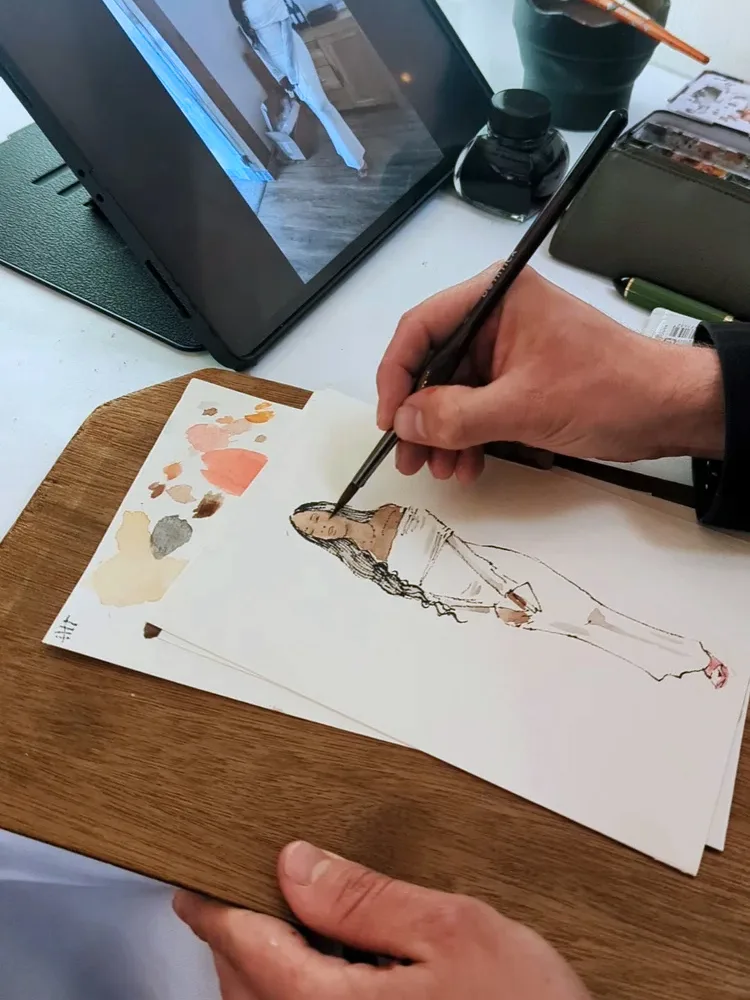
The efficacy of a live wedding illustrator is predicated on two primary factors: technical accuracy and extreme speed. Unlike studio-based portraiture, where an artist might spend dozens of hours refining a single likeness, a live illustrator must capture the essence of a subject within minutes. Kuznicki attributes his ability to perform under these constraints to a rigorous adherence to classical training. By maintaining a weekly life drawing practice, he ensures that his eye remains sharp and his hand-eye coordination is optimized for the high-pressure environment of a wedding reception.
Kuznicki’s process is rooted in a structured, repeatable methodology. Every portrait begins with the establishment of larger forms—the underlying structure of the cranium and the specific proportions of the face. By focusing on these foundational elements first, the artist ensures that the likeness is structurally sound before adding detail. The use of traditional illustrative materials, specifically ink and watercolor, allows for a contemporary, editorial aesthetic. The variation in line weight provided by a brush allows Kuznicki to suggest character and movement with minimal strokes, a technique that is essential for maintaining a high volume of output throughout an event.
Case Study: The Catalyst for Kuznicki Live
The viability of Kuznicki’s business model was crystallized during a wedding in Essex for a couple named Deborah and Samson. While Kuznicki had previously practiced his craft in public spaces such as trains and parks to build speed, the Essex event demonstrated the profound emotional impact of live art in a celebratory context. The immediate feedback from the guests and the couple—characterized by the bride’s remark that his hands were "blessed"—highlighted the value of the service not just as a product, but as a form of performance art.
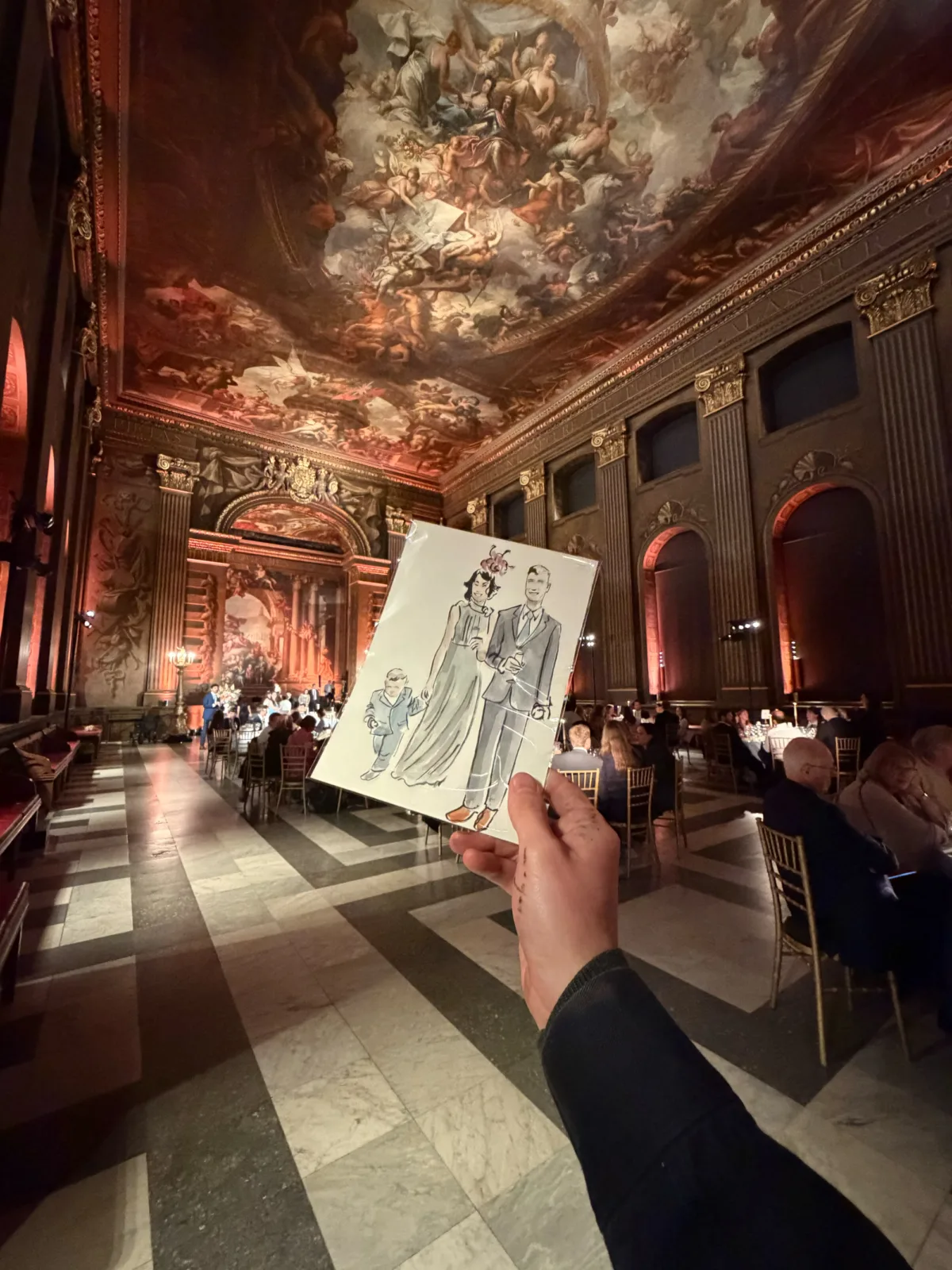
Industry data suggests that modern couples are increasingly moving away from traditional wedding favors, such as sugared almonds or generic trinkets, in favor of "experience-led" gifts. According to recent wedding industry reports, approximately 75% of couples now prioritize guest experience and unique entertainment in their budget allocations. Live illustration fits this demand by providing both entertainment during the event and a personalized, archival-quality keepsake that guests are likely to retain for years.
The Role of Live Art in Social Dynamics
One of the less discussed but highly significant benefits of live illustration is its role as a social catalyst. Weddings often bring together disparate groups of people—colleagues, extended family, and childhood friends—who may not have met previously. Observing an artist at work provides a natural focal point for interaction. As guests gather around the illustration station, the shared experience of watching a portrait emerge from a blank page serves as an effective "ice-breaker."
This phenomenon of "natural gathering" is a key component of Kuznicki’s service. The laughter and conversation sparked by the artwork contribute to the overall atmosphere of the day, breaking down social barriers and fostering a sense of community. In a journalistic context, this can be analyzed as the "democratization of art," where high-level draughtsmanship is removed from the gallery setting and integrated into the fabric of human celebration.
The Bespoke Print Process: A Collaborative Workflow
Beyond live guest portraits, Kuznicki offers a comprehensive bespoke print service that utilizes a workflow mirrored after the professional creative industries. This process is designed to tell a deeper story of the couple’s journey and the specific narrative of their wedding day.
- Consultation and Narrative Discovery: The process begins with a dialogue between the artist and the couple to identify the key elements of their story. This includes significant locations, specific guests, and symbolic moments that the couple wishes to immortalize.
- Initial Sketching and Storytelling: Drawing on his background as a graphic designer, Kuznicki creates initial sketches that focus on composition and narrative flow. This stage allows for the integration of visual references provided by the couple to ensure the style aligns with their vision.
- Structural Mapping: Once a direction is agreed upon, a detailed pencil composition is created. This maps out the spatial relationship between characters and architectural elements, ensuring a balanced and aesthetically pleasing layout.
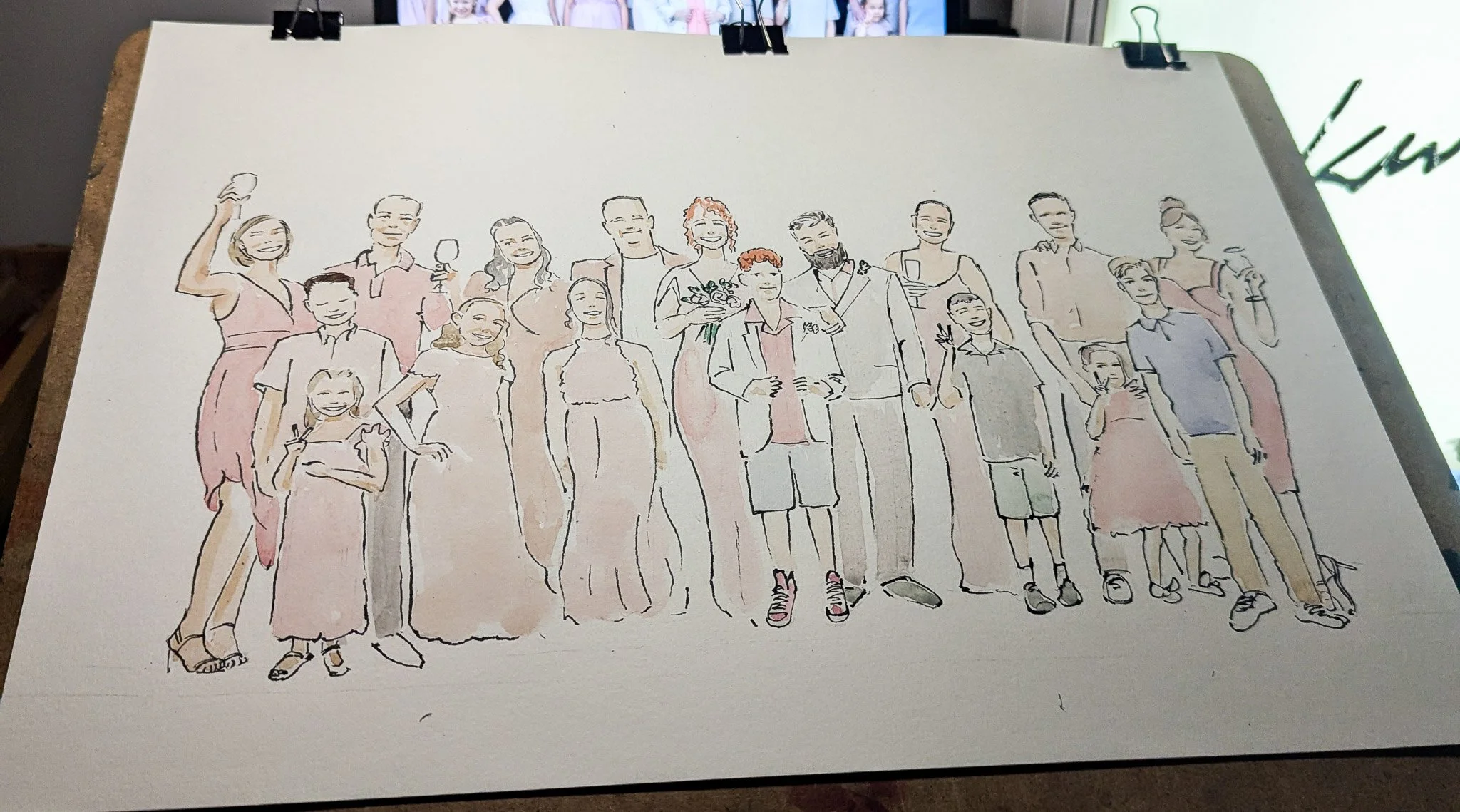
- Inking and Color Exploration: After the pencil draft is approved, the artist moves into the permanent ink phase. This is followed by the application of watercolor. To ensure client satisfaction, Kuznicki typically provides three distinct color options, allowing the couple to choose the palette that best reflects the mood of their event.
- Archival Production: The final artwork is not merely a digital file but a physical artifact. It is printed using high-quality archival inks on fine art paper, ensuring that the piece remains vibrant and preserved for future generations.
Economic and Cultural Implications in the Wedding Industry
The rise of services like Kuznicki Live reflects a broader economic shift within the UK wedding market, which is valued at several billion pounds annually. As the cost of weddings continues to rise, couples are becoming more discerning about where they allocate their funds. There is a growing preference for "investment pieces"—services that provide lasting value rather than ephemeral decorations.
Furthermore, the "Slow Wedding" movement, which emphasizes intentionality, sustainability, and craftsmanship, has created a fertile environment for live illustrators. By opting for hand-drawn art over mass-produced digital photography booths, couples are making a statement about the value of human labor and the importance of supporting independent artisans. This trend is also a reflection of a wider societal "digital fatigue," where individuals seek out analog experiences to balance their screen-heavy daily lives.
Broader Impact and Future Outlook
The success of Peter Kuznicki and similar artists suggests that the fear of AI completely replacing human creativity may be overstated in sectors where emotional connection is paramount. While AI can generate a likeness, it cannot replicate the experience of standing next to a stranger and sharing a moment of wonder as a physical brush touches paper. The "blessed hands" mentioned by the bride in Essex refer to a perceived spiritual or emotional quality in human work that remains currently beyond the reach of machine learning.
Looking forward, the integration of live illustration into high-end events is expected to expand. The versatility of the medium allows it to be adapted for corporate events, fashion launches, and private galas, where the demand for sophisticated, personalized entertainment is constant. Kuznicki’s transition from the digital design world to the easel serves as a blueprint for other creatives looking to pivot toward more sustainable, human-centric career paths.
In conclusion, Kuznicki Live represents more than just a wedding service; it is a testament to the enduring power of classical draughtsmanship and the human need for connection. In a world that moves at the speed of a fiber-optic cable, the deliberate, skillful strokes of an ink brush offer a necessary pause—a chance to celebrate the individual within the crowd and to transform a fleeting moment into a lasting work of art. As the wedding industry continues to evolve, the emphasis on authenticity and craftsmanship provided by artists like Peter Kuznicki will likely remain a cornerstone of luxury celebrations.