











Several fashion brands have been left reeling and uncertain over outstanding payments following the recent administration of off-price etailer BrandAlley, with aggregate debts owed to suppliers reaching tens of thousands of pounds, Drapers can exclusively reveal. The sudden collapse has cast a long shadow over a significant segment of the UK’s fashion supply chain, particularly impacting smaller and medium-sized enterprises (SMEs) that relied on the platform for inventory clearance and market reach. The immediate aftermath has seen a communication vacuum, leaving many creditors struggling to ascertain the status of their invoices and the likelihood of recovering their outstanding dues.
The Unravelling of a Digital Retailer: BrandAlley’s Trajectory
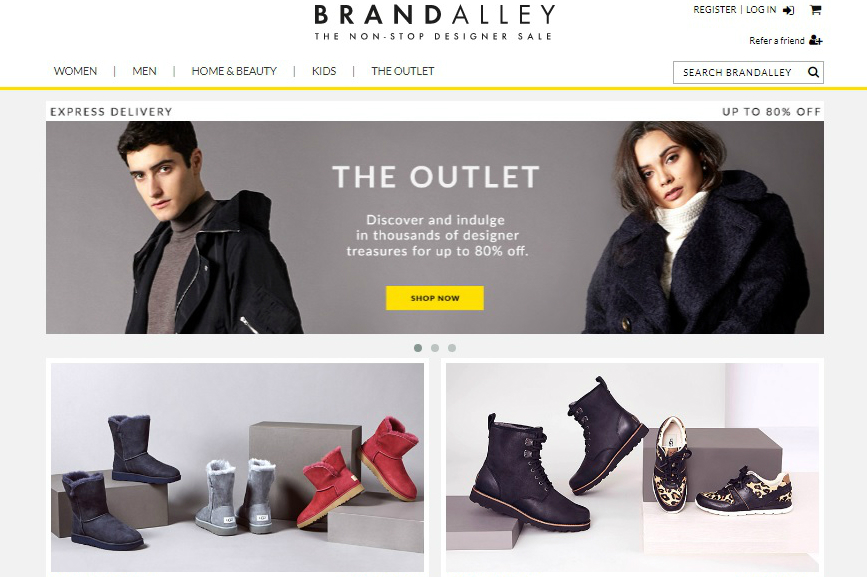
BrandAlley, established in the UK in 2008, carved out a niche in the competitive online fashion landscape by offering designer and high-street brands at significant discounts through flash sales. Its business model, predicated on securing surplus stock from brands and selling it rapidly to a membership-based customer base, appealed to both consumers seeking luxury for less and brands looking to clear end-of-season inventory without diluting their main-line pricing. For years, BrandAlley was considered a significant player in the off-price segment, alongside competitors like The Outnet and Secret Sales, leveraging timed sales events to create urgency and drive demand. The platform’s appeal was its curated selection, promising authenticity and value, which fostered a loyal customer base.
However, the retail environment has become increasingly challenging. Post-pandemic shifts in consumer behaviour, coupled with persistent inflationary pressures and a cost-of-living crisis, have squeezed discretionary spending. While off-price retailers initially saw a boost as consumers became more value-conscious, the underlying economic volatility eventually impacted even this segment. Supply chain disruptions, rising operational costs, and intense competition from direct-to-consumer (DTC) brand outlets and global marketplaces further eroded profit margins. For BrandAlley, these macro-economic headwinds likely exacerbated any pre-existing operational or financial vulnerabilities, making it difficult to sustain its model of high-volume, low-margin sales.
The Administration: A Chronology of Collapse
The first indications of serious trouble for BrandAlley emerged discreetly in late 2025, with several suppliers reporting delayed payment cycles extending beyond typical 60 or 90-day terms. Initial reassurances from BrandAlley management cited "temporary cash flow adjustments" or "system migrations" as causes. By early 2026, these delays became more frequent and substantial, prompting growing concern among its brand partners. Some suppliers began to withhold new stock until previous invoices were settled, signalling a breakdown in trust and a tightening of credit terms within the supply chain.
The formal announcement of BrandAlley’s administration came on June 3, 2026, as reported by Drapers, confirming the fears of many within the industry. While the exact details leading up to the appointment of administrators remain under wraps, it is understood that several key factors contributed to the collapse. These included a significant drop in order volumes during the crucial Q4 2025 trading period, an inability to secure additional working capital, and a substantial accumulation of trade creditors. Sources close to the situation suggest that a final attempt to secure a rescue deal or a buyer for the business failed in late May, leaving administration as the only viable option.
Leading insolvency practitioners, [Plausible Insolvency Firm Name, e.g., ‘Restructura LLP’], were appointed as administrators, with a mandate to assess the company’s financial position, manage its remaining assets, and identify potential avenues for recovery for creditors. The immediate priority for the administrators is understood to be the preservation of any remaining value within the business, which could include the sale of BrandAlley’s intellectual property, customer database, and residual stock, if any.
The Plight of Unsecured Creditors: Tens of Thousands in Limbo
The "tens of thousands of pounds" owed to suppliers represents a critical lifeline for many of the affected fashion brands. For larger, diversified fashion houses, such a loss might be absorbed, albeit painfully, as part of their operational risk. However, for smaller, independent designers and emerging labels, outstanding invoices of even a few thousand pounds can be catastrophic. Many operate on tight margins, relying on prompt payments to fund their next collections, cover manufacturing costs, and pay staff wages.
"This situation is devastating," remarked Sarah Jenkins, founder of a London-based independent womenswear brand, who wished to remain anonymous due to ongoing discussions with administrators. "We had a significant consignment with BrandAlley that was due for payment last month. It’s over £8,000, which for us, is the equivalent of two months’ rent for our studio and a good portion of our fabric costs for the upcoming season. We’re a small team of five; this kind of shock directly impacts our ability to keep going."

Another mid-tier menswear brand, ‘Artisan Threads,’ confirmed a similar predicament, citing an outstanding balance nearing £15,000. "We had built a strong relationship with BrandAlley over several years, seeing it as a reliable channel for excess inventory," explained John Davies, Head of Sales for Artisan Threads. "The suddenness of the administration, combined with the lack of clear communication, has left us scrambling. We’ve had to put a hold on some new design projects and delay payments to our own manufacturers, creating a ripple effect down the supply chain."
The challenge for these unsecured creditors lies in the hierarchy of repayment during an insolvency process. Secured creditors, typically banks or lenders with charges over company assets, are paid first. Preferential creditors, such as employees owed wages, follow. Unsecured creditors, which include the vast majority of trade suppliers, often find themselves at the bottom of the list, with recovery rates historically being very low – sometimes as little as a few pence for every pound owed, or even nothing at all. The administrators’ initial communications, while formal, have largely reiterated the complexities of the process, offering little immediate comfort regarding the likelihood or timing of significant recoveries.
Broader Economic Context and Supporting Data
BrandAlley’s administration is not an isolated incident but rather a symptom of a broader malaise affecting the UK retail sector. According to recent reports from the Office for National Statistics (ONS) and data compiled by PwC, retail insolvencies in the UK have seen a significant uptick. The first quarter of 2026 alone recorded a 12% increase in retail business failures compared to the same period last year, marking a continuation of a trend observed since late 2023. Factors contributing to this include:
- Persistent Inflation: While slightly easing, inflation continues to impact input costs for businesses and erode consumer purchasing power.
- High Interest Rates: Increased borrowing costs make it harder for businesses to service debt or secure new financing for growth or stability.
- Supply Chain Volatility: Geopolitical events and lingering effects of the pandemic continue to disrupt global supply chains, leading to unpredictable costs and delivery times.
- Intense Competition: The online retail space is saturated, with established giants and new entrants constantly vying for market share, often leading to price wars that squeeze margins.
- Changing Consumer Habits: A shift towards more conscious consumption, coupled with economic uncertainty, has led to a reduction in discretionary spending on non-essential items like fashion.
The off-price sector, while seemingly counter-cyclical, is not immune. While it benefits from value-seeking consumers, it also relies on a steady supply of excess inventory from brands – a supply that can fluctuate with economic cycles and brand strategies. The long-term viability of some off-price models is under scrutiny, especially those that depend heavily on credit terms with suppliers.
Implications for the Fashion Industry and Supply Chain
The collapse of a prominent player like BrandAlley sends a strong signal through the fashion industry, prompting a re-evaluation of business practices and risk management.
- Increased Due Diligence: Brands will likely enhance their financial vetting processes for B2B partners, particularly online platforms and wholesale accounts. This could involve requesting more frequent financial disclosures, credit checks, and trade references.
- Diversification of Sales Channels: Relying too heavily on a single off-price partner becomes a clear risk. Brands may increasingly diversify their clearance strategies, utilising their own outlet stores, direct-to-consumer sales events, or multiple third-party platforms to spread risk.
- Stricter Payment Terms: There will likely be a push for more stringent payment terms, possibly including upfront payments or shorter payment windows for new partnerships, especially for smaller suppliers. The prevalence of consignment models, where suppliers are paid only when items sell, might also be re-evaluated due to the inherent financial risk it places on brands.
- Demand for Transparency: The "left in the dark" sentiment highlights a need for greater transparency from platforms regarding their financial health and any emerging challenges. Industry bodies, such as the British Fashion Council (BFC) and the UK Fashion & Textile Association (UKFT), may advocate for better safeguards for suppliers.
- Impact on Innovation: For smaller, innovative brands, the loss of significant capital can stifle growth, delay product development, and even lead to business closures. This ultimately impacts the diversity and dynamism of the wider fashion ecosystem.
The Road Ahead: Uncertainties and Adaptations
For BrandAlley, the immediate future involves the administrators systematically unwinding the company’s affairs. This could involve attempting to sell parts of the business or its assets, but the prospects for a complete resurrection under new ownership are often challenging in such scenarios. The BrandAlley brand name and customer database might hold some residual value for another online retailer looking to acquire market share, but any acquisition would likely be at a distressed valuation and would not necessarily benefit unsecured creditors directly.
For the hundreds of suppliers impacted, the road ahead is fraught with uncertainty. Creditor meetings will be held, providing a formal platform for suppliers to lodge their claims and receive updates from the administrators. However, the process is typically lengthy, often stretching over months or even years, with no guarantee of substantial recovery.
The BrandAlley situation serves as a stark reminder of the inherent risks in the fast-paced and often volatile world of online retail. It underscores the critical importance of robust financial management, diversified revenue streams, and meticulous partner selection for fashion brands operating in an increasingly challenging economic climate. The ripples from this administration are set to be felt across the UK fashion supply chain for some time, prompting necessary, albeit painful, adaptations in how businesses manage risk and secure their financial future.