








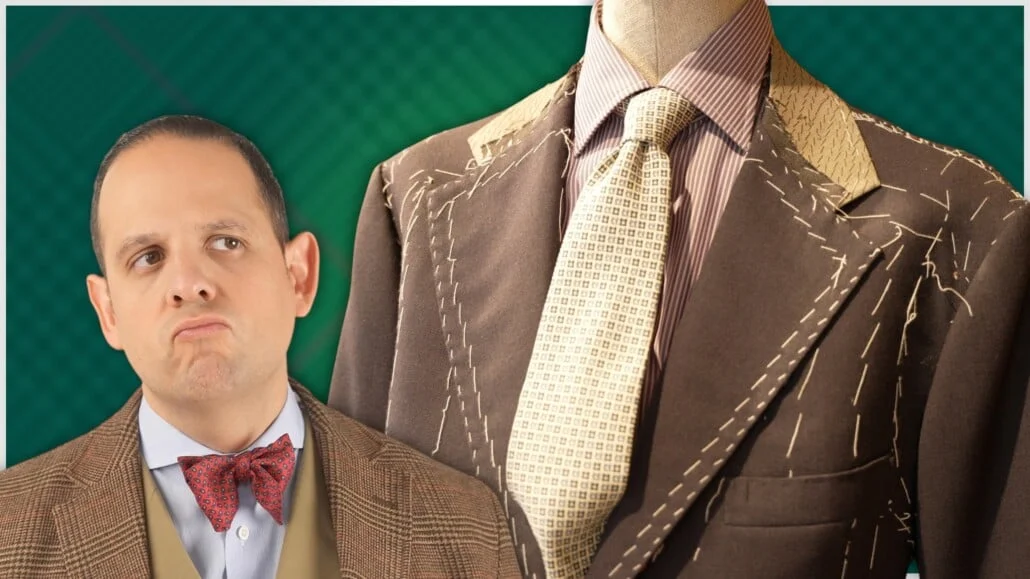
In a significant exploration of sartorial heritage, Raphael Schneider of Gentleman’s Gazette recently embarked on a comprehensive journey to Naples, Italy, to delve into the intricate world of Neapolitan tailoring. This second installment of his investigative series brings viewers and readers into the hallowed workshops of some of the city’s most revered sartorie, where master tailors articulate the distinctive features that set Neapolitan garments apart. The initiative aims to demystify the subtle yet profound qualities that contribute to the famed softness, lightness, and effortless elegance synonymous with this unique tailoring tradition, moving beyond mere terminology to capture the visual and tactile essence of the craft.
The Essence of Neapolitan Style: Beyond Terminology
Neapolitan tailoring is often lauded for its inherent comfort and fluidity, qualities that are less about rigid structure and more about a harmonious relationship between fabric, form, and the wearer’s body. Understanding this distinctive style requires an appreciation that extends beyond academic definitions. Many of its most critical attributes are inherently visual and tactile: the unparalleled softness of the shoulder, the barely-there lightness of the canvas, the graceful roll of the lapel, the welcoming openness of the front quarters, and, crucially, the way the jacket moves in concert with the wearer, almost like a second skin. These elements collectively contribute to an aesthetic that is both refined and relaxed, signaling an understated luxury rather than overt formality.
The full video discussion features direct insights from experienced tailors who meticulously describe the features that define Neapolitan jackets and trousers. Their explanations illuminate the delicate balance between structure and softness, the strategic purpose of high armholes, the critical role of light internal construction, and the subtle yet discernible differences that characterize individual house styles. This rich dialogue serves as an invaluable resource for anyone familiar with terms such as spalla camicia or barchetta but seeking a deeper, practical understanding of how these concepts manifest in a finished garment. It bridges the gap between theoretical knowledge and the tangible artistry of bespoke tailoring.
A Historical Perspective: The Genesis of Neapolitan Tailoring
The unique characteristics of Neapolitan tailoring are deeply rooted in the region’s history, culture, and climate. Naples, a vibrant port city nestled on the Mediterranean coast, developed a distinct approach to dressing driven by the need for comfortable, breathable garments suitable for its warm, often humid climate, while still adhering to the standards of elegance expected in a bustling European capital. Unlike the more structured, often heavier styles prevalent in Northern Europe, which prioritized rigid formality and protection from colder weather, Neapolitan tailors began to innovate.
The 19th and early 20th centuries saw the gradual evolution of this style. Master tailors like Vincenzo Attolini are often credited with refining and popularizing many of the techniques that define Neapolitan tailoring today, pushing the boundaries of construction to achieve unprecedented lightness and comfort. Attolini, among others, moved away from the heavy padding and stiff canvases inherited from English and Northern Italian traditions, instead favoring minimal interlining, unpadded shoulders, and softer canvases. This shift was not merely a stylistic preference but a practical adaptation, allowing gentlemen to remain impeccably dressed without succumbing to the heat. The historical context reveals a continuous process of innovation, driven by local needs and a burgeoning sense of regional identity, culminating in a sartorial philosophy that prioritized ease of movement and natural drape. This commitment to comfort without compromising elegance became the hallmark of the Neapolitan tradition.
Conversations with the Masters: Insights from Naples’ Sartorie
Raphael Schneider’s visit provided a rare opportunity to engage directly with the custodians of this tradition. Tailors from renowned sartorie like Rubinacci, Marinella, and Ciardi, among others, shared their perspectives, emphasizing the meticulous detail and philosophical approach embedded in every stitch. "Our craft is about enhancing the natural form, not reshaping it," explained one veteran tailor, whose family has been dressing Neapolitan gentlemen for generations. "The jacket should move with you, not against you. This is why lightness is paramount."
These conversations highlighted several defining features:
- Spalla Camicia (Shirt Shoulder): This distinctive shoulder construction, literally meaning "shirt shoulder," is inspired by the way a shirt sleeve is attached. It involves minimal or no padding and a slightly wider sleeve head, creating subtle ripples or puckering where the sleeve meets the jacket body. This technique contributes significantly to the relaxed, lightweight appearance and enhances comfort by allowing greater freedom of movement. Tailors stressed that achieving the perfect spalla camicia requires immense skill, as it relies on precise hand-sewing to marry the fabric seamlessly without bulk.
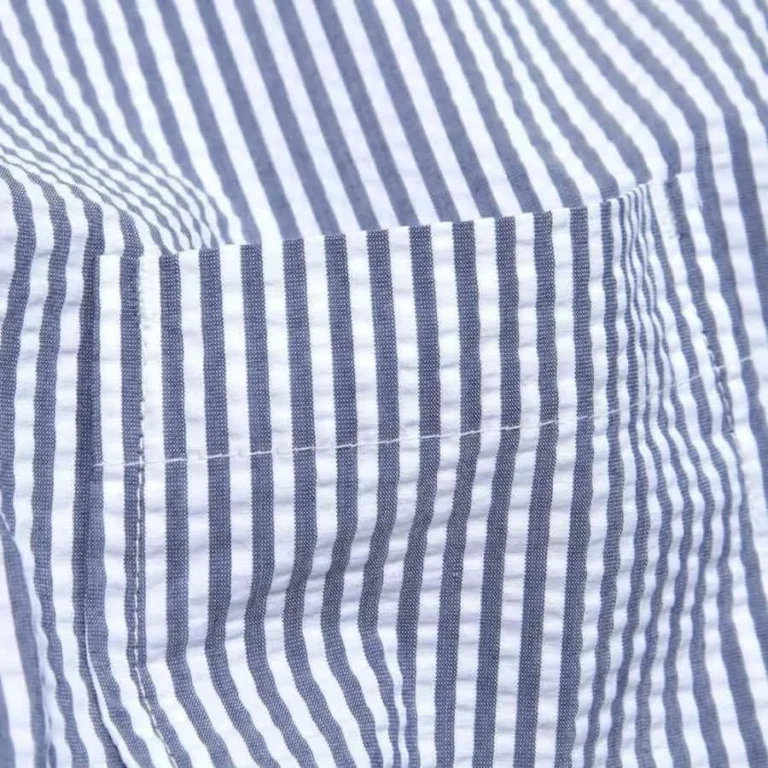
- Barchetta Pocket: The barchetta, or "little boat," breast pocket is another signature detail. Its gentle, curved shape is reminiscent of a small boat and adds a touch of understated elegance and individuality to the jacket. While seemingly minor, this detail is indicative of the Neapolitan tailors’ penchant for subtle artistry and meticulous attention to aesthetic refinement.
- Three-Roll-Two Jacket: A common sight in Neapolitan tailoring, the three-roll-two jacket features three buttons, but the lapel is designed to softly roll over the top button, effectively making it a two-button jacket in wear. This creates a beautifully soft, continuous roll in the lapel, enhancing the garment’s fluid lines and relaxed sophistication, a hallmark of classic Italian tailoring.
- Open Front Quarters: Neapolitan jackets often feature open front quarters, meaning the bottom front panels of the jacket curve away from each other rather than meeting squarely. This design choice contributes to the jacket’s relaxed look and further enhances ease of movement, particularly when seated. It also visually elongates the legs, contributing to a flattering silhouette.
"Each element, from the canvas to the buttonholes, serves a purpose beyond mere aesthetics," noted another tailor, "It’s about creating a garment that feels effortless, yet exudes an unmistakable sense of refinement. It’s a dialogue between the fabric and the body."
The Anatomy of Comfort: Why Neapolitan Jackets Feel Different
Comfort is not merely a desirable outcome but a foundational principle of the Neapolitan approach. The inherent ease of wear stems from several key design and construction choices:
- Light Internal Construction: At the core of Neapolitan comfort is the minimal use of internal structuring elements. Unlike more rigid tailoring traditions that rely on heavy canvas, padding, and fusing to create a defined silhouette, Neapolitan jackets typically feature a very light, often unlined or half-lined construction. The canvas, usually horsehair, is soft and pliable, allowing the fabric to drape naturally over the body rather than imposing a stiff, artificial shape. This lightness is especially beneficial in warmer climates, preventing the wearer from feeling constricted or overheated.
- High Armholes: A seemingly counterintuitive detail, high armholes are crucial for comfort and freedom of movement. By positioning the armhole higher on the body, closer to the natural pivot point of the shoulder, the jacket’s body remains largely undisturbed when the wearer lifts their arms. This prevents the fabric from pulling across the back or bunching up, maintaining a clean silhouette and offering unrestricted motion. This is a subtle but profoundly effective engineering choice.
- Close Neck Fit and Soft Shoulder: The combination of a close fit around the neck and the characteristic soft shoulder (spalla camicia) ensures the jacket sits gracefully on the body without stiffness. The soft shoulder allows the garment to follow the natural slope of the wearer’s shoulder, providing a comfortable and unencumbered feel. This fit, coupled with light construction, allows the jacket to "breathe" and move naturally with the wearer’s posture changes, making it feel less like a formal constraint and more like an extension of the body.
Defining Characteristics: Jackets, Trousers, and House Styles
While certain elements are ubiquitous in Neapolitan tailoring, there is also room for individual expression and house style variations.
- Neapolitan Jackets: Beyond the spalla camicia and barchetta, Neapolitan jackets often feature patch pockets, especially on sport coats, reinforcing their relaxed character. These pockets are applied directly to the outside of the jacket, offering a less formal aesthetic than jetted or flap pockets. The lapels are often wider and have a higher gorge (the point where the collar meets the lapel), contributing to a powerful yet elegant V-shape that frames the wearer’s chest. The overall silhouette is typically lean but not restrictive, designed to enhance the wearer’s physique without being overly form-fitting.
- Neapolitan Trousers: Neapolitan trousers, while subject to more variation than jackets, frequently exhibit several classic features. A higher rise is common, designed to sit comfortably at the natural waist, ensuring a clean line with the jacket and preventing the shirt from untucking. Pleats (single or double) are often incorporated, providing additional comfort and drape, particularly when seated. Side adjusters or suspender buttons are preferred over belt loops for a cleaner waistband and a more tailored look. The leg is typically gently tapered, avoiding excessive slimness but offering a modern, elegant profile that complements the jacket’s softness. The choice of cuff or plain hem often depends on personal preference and the garment’s formality.
- House Styles: Despite shared foundational principles, each sartoria possesses a unique "hand" or house style. These subtle differences might manifest in the exact curve of a lapel, the degree of softness in the shoulder, the specific cut of a trouser leg, or the choice of fabrics favored. These variations are a testament to the artisan’s individual artistry and the continuous evolution within the tradition, preventing a monolithic interpretation of "Neapolitan style." This is a crucial distinction, highlighting that while there are defining characteristics, true bespoke tailoring is about personalization and the unique signature of the master craftsman.
Economic and Cultural Resonance: Naples’ Sartorial Legacy
Neapolitan tailoring is not merely an aesthetic preference; it represents a significant cultural and economic legacy. The bespoke tailoring industry in Naples, while niche, contributes substantially to the city’s identity and, more broadly, to Italy’s reputation for luxury craftsmanship. While precise figures are hard to pinpoint for this artisanal sector, the broader Italian luxury goods market, which includes high-end apparel, is a multi-billion euro industry, with bespoke tailoring playing a crucial, if smaller, role in its prestige.
The demand for authentic Neapolitan garments extends globally, with clients traveling from around the world to commission pieces from renowned sartorie. This international interest sustains a tradition that requires years of apprenticeship and dedication, ensuring the transmission of invaluable skills across generations. The craft, which typically involves over 50-70 hours of hand-sewing for a single jacket, represents a commitment to quality and longevity that stands in stark contrast to fast fashion. This emphasis on enduring quality and timeless design also aligns with growing consumer preferences for sustainable and ethically produced goods. The preservation of these artisanal skills is therefore not just about fashion, but about cultural heritage and sustainable economic practice.
The Role of Documentation: Bridging Tradition and Modernity
Raphael Schneider’s in-depth video series and accompanying articles play a vital role in documenting and disseminating this intricate knowledge. In an age where artisanal crafts are often at risk of fading, platforms like Gentleman’s Gazette serve as crucial bridges, connecting traditional masters with a global, digitally-savvy audience. By visually demonstrating the nuances of the craft and providing direct explanations from the tailors themselves, these resources demystify complex techniques and elevate public understanding and appreciation. This documentation ensures that the unique qualities of Neapolitan tailoring are not lost to time but are instead celebrated, understood, and potentially inspiring new generations of enthusiasts and practitioners.
The project highlights the importance of experiential learning and visual documentation, particularly for a craft where tactile and visual qualities are paramount. It moves beyond abstract descriptions to offer concrete examples, showcasing the actual appearance of features like the spalla camicia and the barchetta pocket in finished garments. This approach is invaluable for both seasoned sartorialists and newcomers alike, providing a tangible connection to a craft steeped in tradition yet continually relevant in modern menswear.
Looking Ahead: The Future of Neapolitan Elegance
The future of Neapolitan tailoring appears robust, fueled by a global appreciation for bespoke craftsmanship, comfort, and timeless elegance. As fashion trends continue to oscillate between structured formality and relaxed casual wear, the Neapolitan style, with its inherent balance of both, remains perennially relevant. Its emphasis on natural movement and soft construction resonates strongly with contemporary lifestyles, where versatility and ease are increasingly valued.
The tradition is not static; while deeply respectful of its heritage, Neapolitan tailoring continues to evolve. Younger tailors are emerging, often incorporating modern fabric technologies and slight contemporary adjustments to silhouettes while steadfastly adhering to the core principles of lightness, softness, and comfort. The dialogue initiated by projects like Raphael Schneider’s further solidifies the global appeal and understanding of this unique sartorial art form, ensuring that the legacy of Naples’ master tailors continues to inspire and define elegant menswear for generations to come. The enduring allure of Neapolitan tailoring lies in its ability to offer a garment that is not just worn, but truly lived in, embodying a philosophy where elegance is effortless and comfort is king.