








For the discerning individual, the fabric of a garment is not merely a superficial choice of aesthetic; it is the fundamental soul of sartorial construction. In the tradition of classic menswear, the evaluation of a cloth extends far beyond color or pattern. A true connoisseur assesses the integrity of the weave, the grammage of the textile, and the way light interacts with the fibers. Whether navigating a high-stakes boardroom environment or dressing for an informal country retreat, the choice of material dictates not only the silhouette and comfort of the wearer but also the longevity of the garment.

The following index provides a comprehensive taxonomy of fifty essential fabrics. Each entry details the material’s composition, its optimal application, and, perhaps most importantly, its limitations in a functional wardrobe.
The Foundations of Warm Weather Tailoring
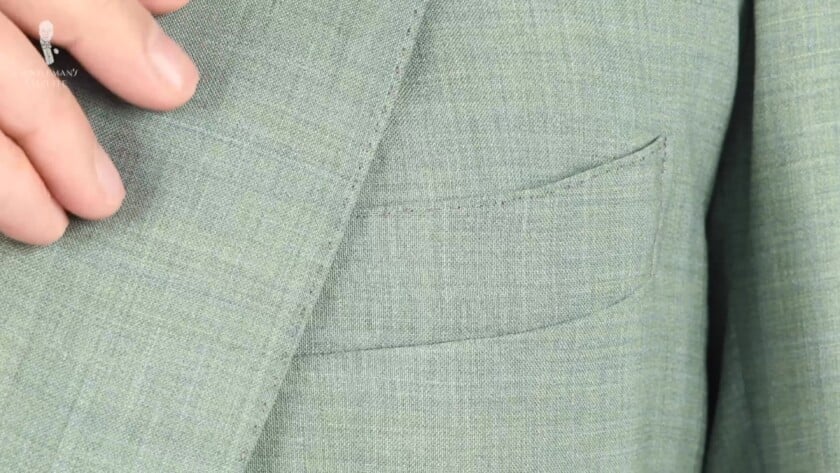
Modern tailoring for temperate and tropical climates prioritizes breathability and structural integrity. High-twist wool, often categorized under the trade name Fresco, is a primary example of textile engineering designed for utility. By tightly twisting the yarns, mills create a porous, crisp cloth that remains remarkably resistant to wrinkling even in humid conditions. Typically weighing between 9 and 11 ounces, it provides necessary structure without heat retention.
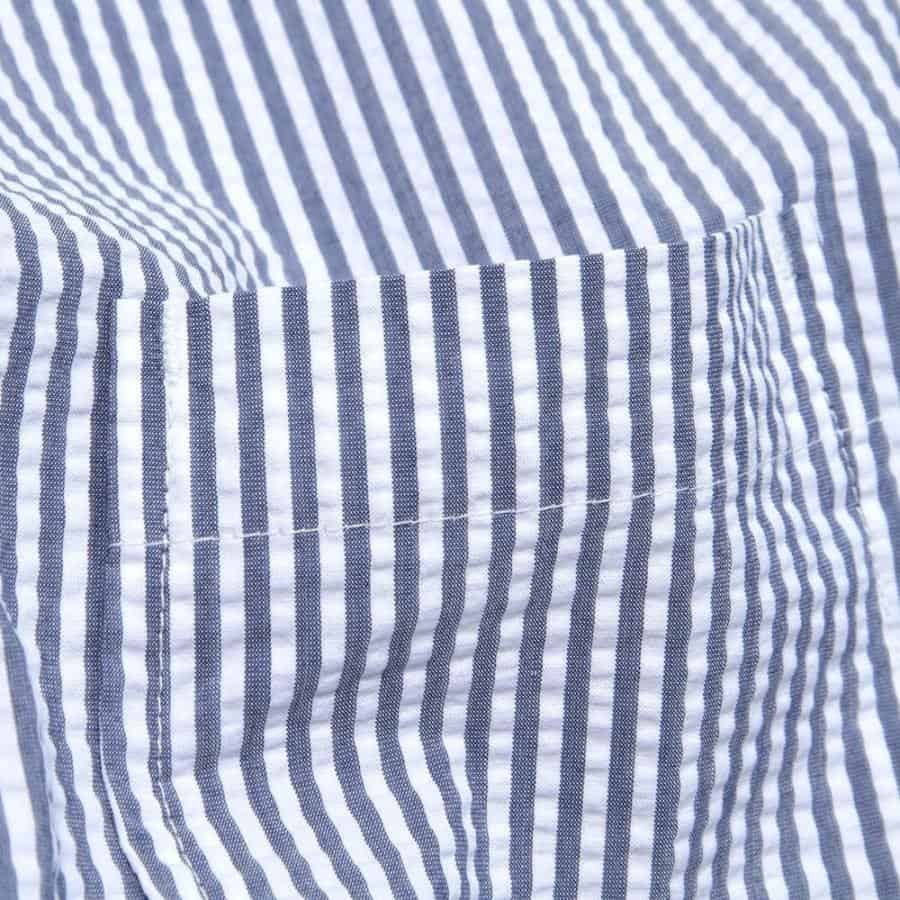
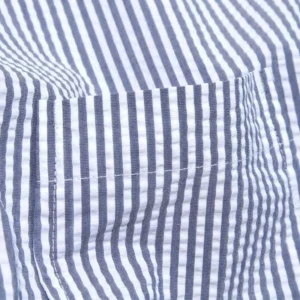
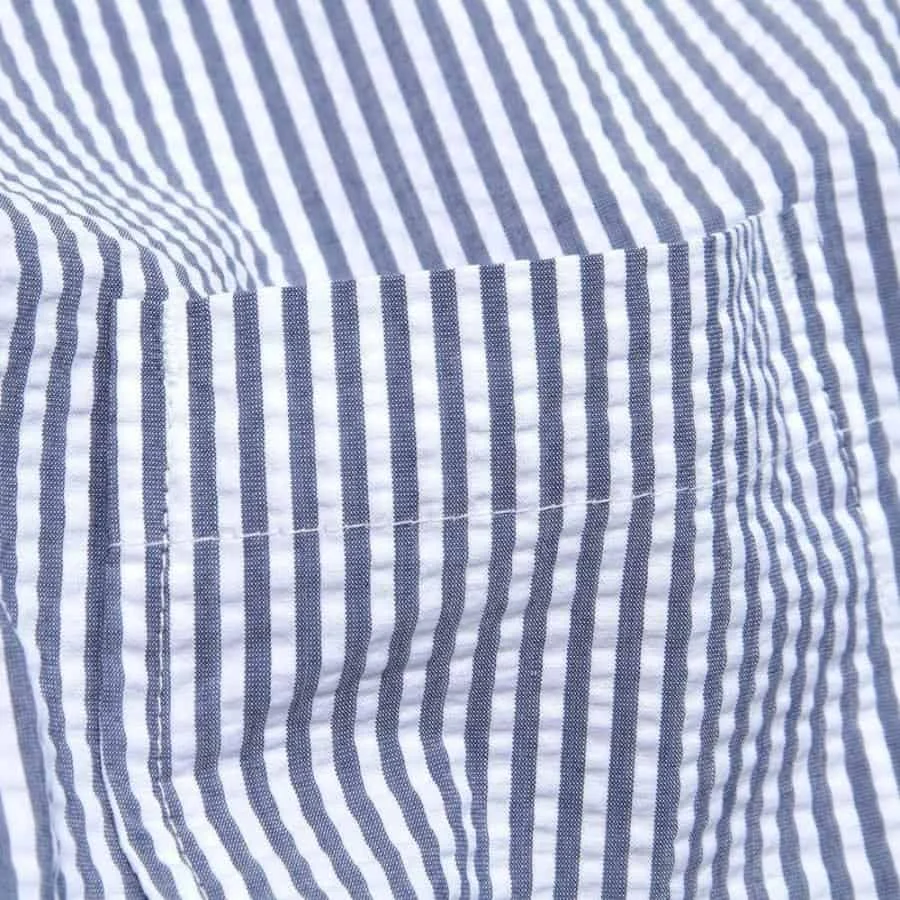
Tropical wool, by contrast, is a lighter, plain-weave material ranging from 7 to 9 ounces. While it serves as the standard for summer business suits, its lower density renders it ineffective for thermal regulation in cooler climates. Irish linen remains the industry gold standard for summer, prized for its natural propensity to wrinkle, which has become an accepted marker of elegance. For those seeking a non-iron, natural alternative, seersucker—with its signature puckered surface—offers a unique solution by keeping the fabric elevated from the skin to promote airflow.

The Science of Cold Weather Insulation
In contrast, autumn and winter tailoring demand density and thermal efficiency. Melton wool, a heavily felted textile, represents the pinnacle of weather resistance. Through a process of scouring and pressing, the individual yarns are compressed until the weave is obscured, creating a windproof barrier essential for naval peacoats and overcoats.
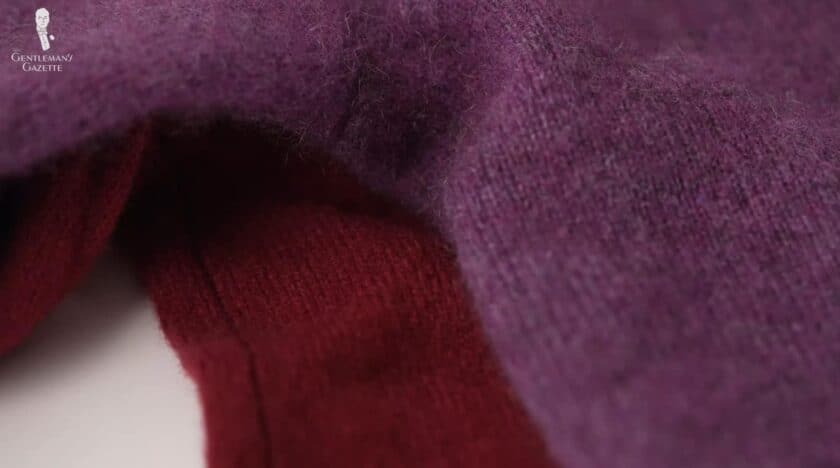
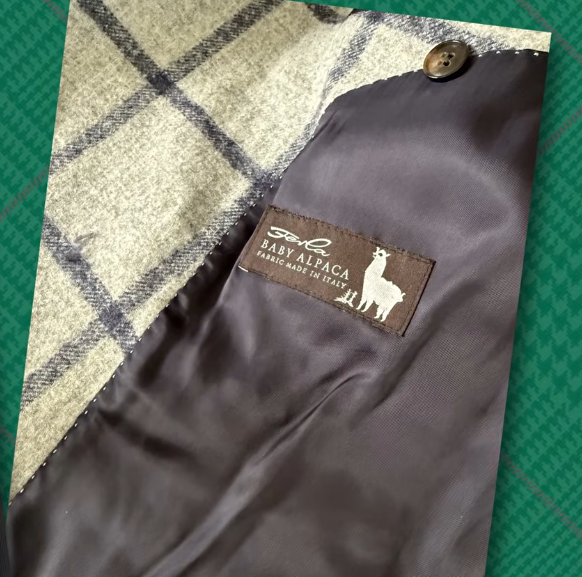
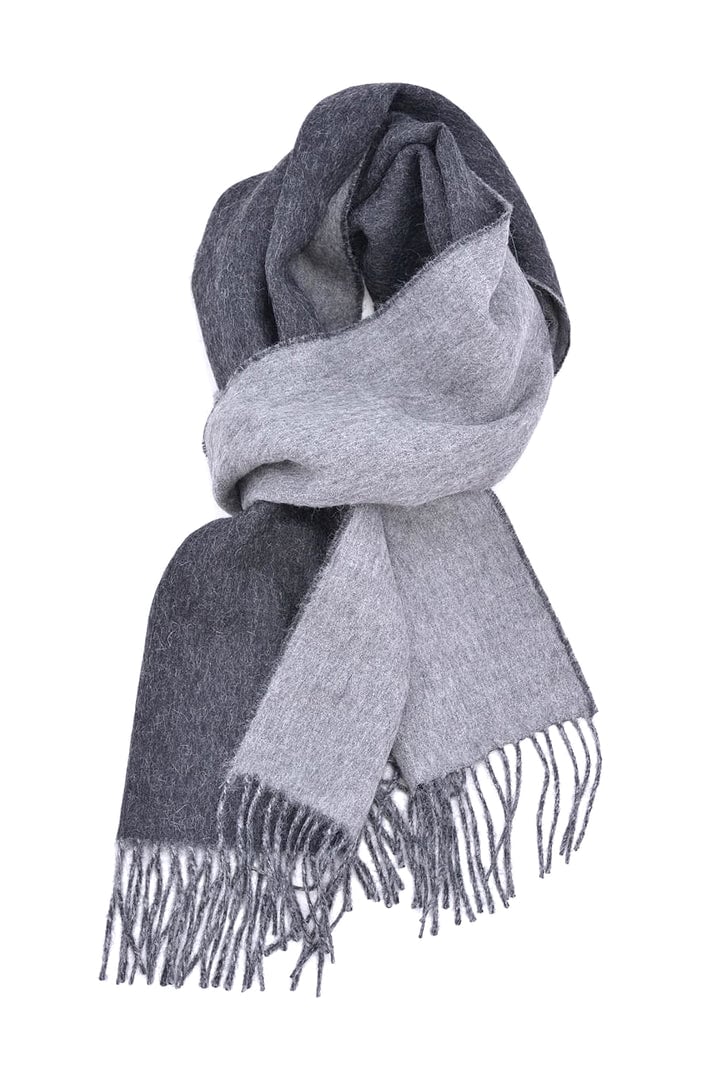
Cashmere, derived from the undercoat of the Kashmir goat, provides exceptional insulation—roughly eight times that of standard sheep’s wool—but requires careful management. Because the fibers are delicate, they are susceptible to friction and pilling; consequently, experts advise reserving cashmere for items subject to less mechanical stress, such as knitwear or occasional overcoats, rather than trousers or daily-wear socks. Similarly, alpaca offers superior thermal retention due to the hollow core of its fibers, making it an ideal candidate for winter accessories like scarves and hats.

Tweed and the Heritage of Country Attire
Tweed remains the cornerstone of country attire, representing a fusion of heritage and extreme durability. Harris Tweed, protected by strict geographical and production standards, is handwoven in the Outer Hebrides of Scotland. Its rugged, often prickly hand is a byproduct of its composition—typically 100% virgin wool—designed specifically to survive harsh environmental conditions.

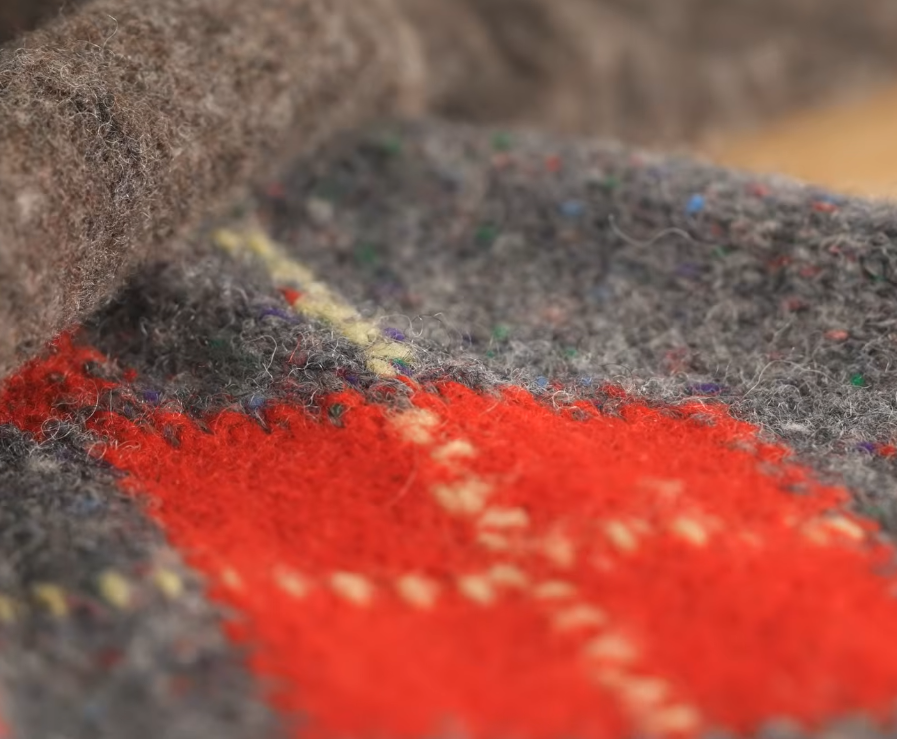
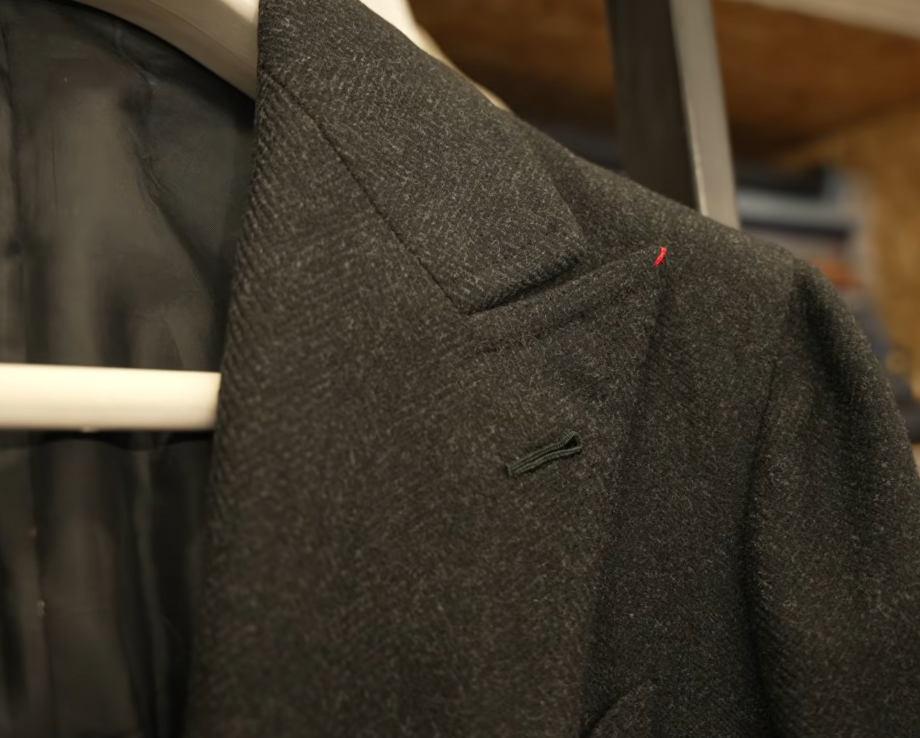
Within the tweed family, variations offer distinct stylistic advantages. Donegal tweed is defined by the inclusion of “nepps,” or colorful, multi-hued wool flecks, which introduce a casual, rustic character to sport coats. Herringbone, characterized by its rhythmic V-shaped pattern, provides significant visual weight and is a traditional favorite for heavy overcoats. Barleycorn, with its intricate, grainy texture, offers a three-dimensional surface that absorbs light, making it a sophisticated choice for country jackets that require both aesthetic depth and physical robustness.

Standards in Business and Formal Suiting
The professional wardrobe relies heavily on fabrics that balance durability with a clean, sharp finish. Twill, an umbrella term for any diagonal weave, is perhaps the most versatile category in menswear. Because of the diagonal structure, twill fabrics can be woven to be denser and more durable than plain-weave equivalents.
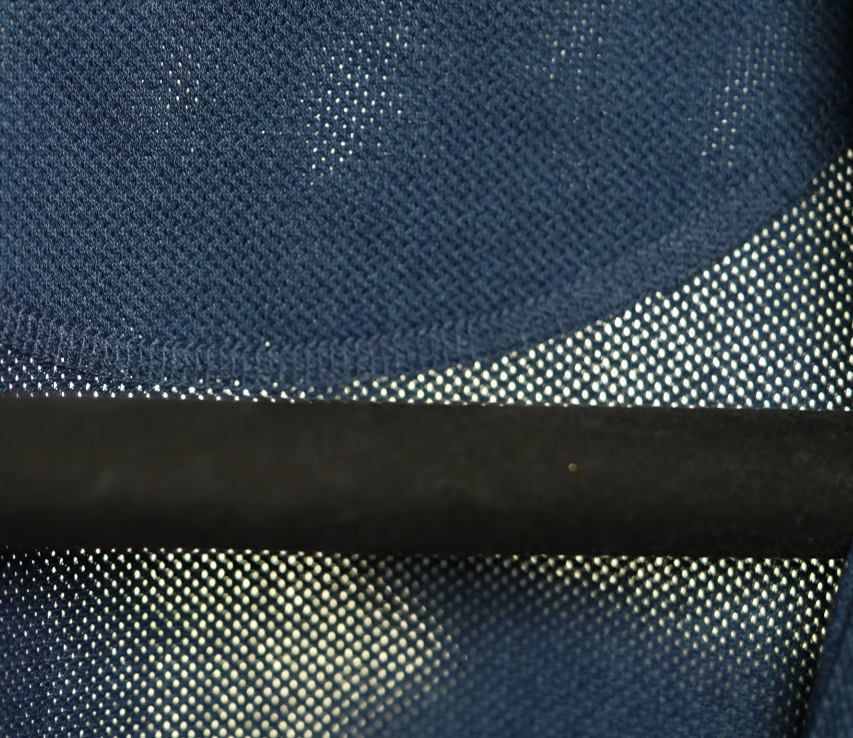
Among these, the hopsack blazer has emerged as a fundamental item. With its open, basket-weave structure, hopsack is inherently breathable and wrinkle-resistant, making it a staple for business travel. For formal evening wear, barathea is the material of choice. Featuring a pebbled surface and a matte finish, it is the standard for tuxedos and formal trousers, particularly in midnight blue, as it holds deep, saturated color better than smoother, shinier silks.

Professional Shirting: The Role of Cotton
The distinction between various cotton shirtings often hinges on the density of the weave and the staple length of the fiber. Oxford cloth, with its basket-weave construction, is the quintessential choice for business-casual attire, particularly when fashioned into a button-down collar shirt.
For more formal requirements, broadcloth and poplin offer a tighter, smoother, and more matte surface that pairs effectively with traditional suiting. Conversely, chambray—frequently mistaken for denim due to its similar blue-and-white yarn composition—is significantly lighter and softer, making it exclusively suitable for casual wardrobes.
Technical and Outerwear Performance
Advancements in textile technology have led to the creation of high-density cottons that function as weather-resistant layers without the need for synthetic coatings. Ventile, a high-density, long-staple cotton, causes fibers to swell when wet, naturally sealing the fabric. Waxed cotton, while iconic in British field gear, remains a specialized tool; it is effective for outdoor durability but unsuitable for indoor environments where the wax may transfer to furniture or impede breathability.
Comparative Analysis of Fiber Quality
The long-term value of a garment is often predicated on the quality of the raw material. The difference between worsted and woolen fabrics is a common point of confusion for consumers. Worsted fabrics undergo a combing process that removes short-staple fibers, resulting in a smoother, more lustrous, and significantly more durable cloth. Woolen fabrics, which retain these shorter fibers, are softer but more prone to wear.
This distinction is critical when selecting flannel. Worsted flannel, combed before weaving, offers the best of both worlds: the soft, fuzzy nap of a classic winter fabric combined with the structural longevity of worsted yarn. Carded flannel, while historically significant, lacks the mechanical strength of its combed counterpart and is generally recommended only for items like overcoats rather than high-friction garments like trousers.
Chronological Evolution of Modern Fabric Usage
The adoption of these fabrics has shifted in response to global climate changes and the professional environment. Historically, heavy tweeds were the default for most business interactions in colder climates. In the post-war era, the introduction of synthetic blends and the refinement of high-twist wools allowed for a lighter, more mobile wardrobe.
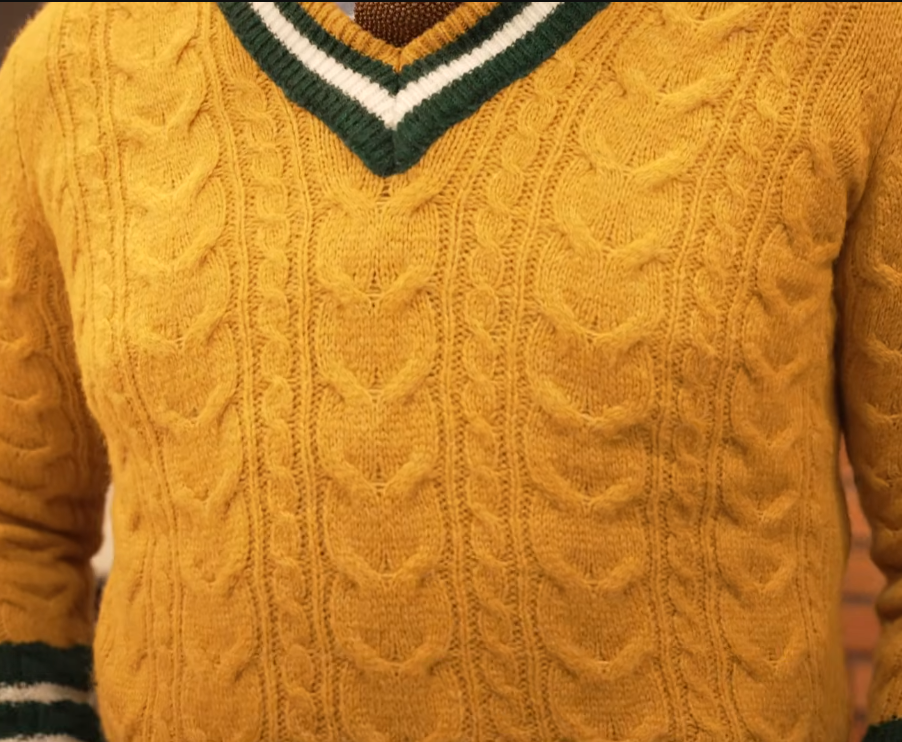
Today, the trend is toward "seasonless" fabrics. Mills are increasingly producing 8-to-10-ounce wools that can be worn for nine months of the year, balancing the demand for versatility with the necessity of seasonal comfort. Statements from textile houses like Vitale Barberis Canonico underscore this shift, emphasizing the move toward lighter, high-performance yarns that provide the drape of traditional heavy wools with the comfort of modern lightweight fibers.
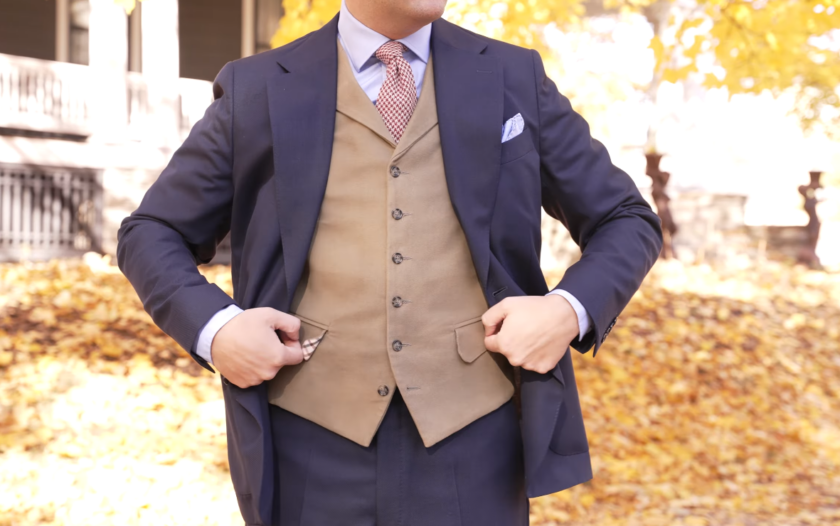
Economic Implications and Strategic Investment
The investment in high-quality textiles carries significant economic implications for the consumer. While materials like vicuña represent the pinnacle of luxury, their rarity and fragility limit them to specific, occasional uses. A strategic wardrobe, however, is built on the durability of fabrics like cavalry twill and hopsack.
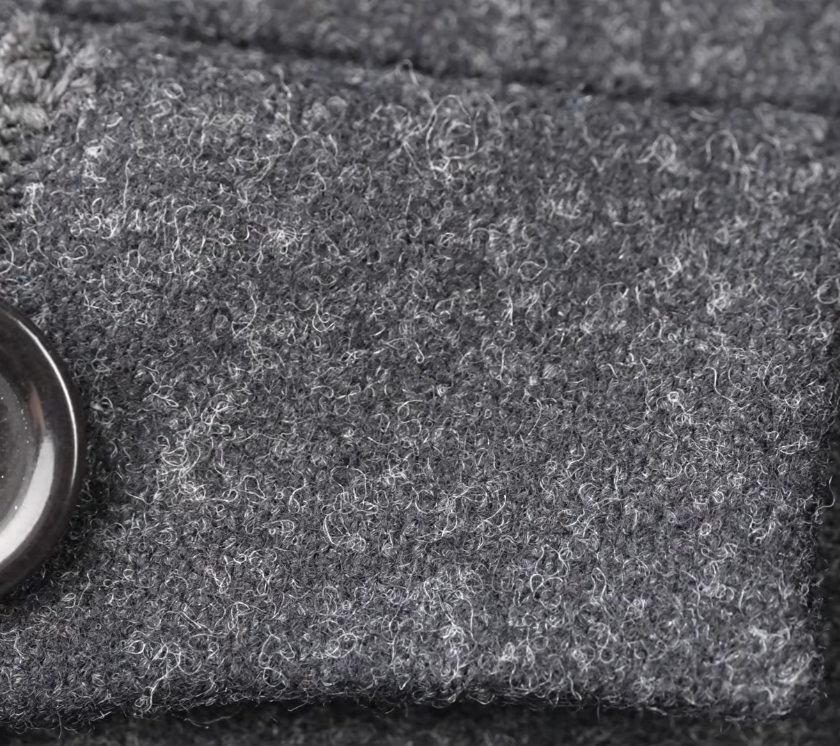
Fact-based analysis suggests that the cost-per-wear of a high-quality, midweight worsted wool suit far exceeds that of a lower-grade, synthetic-blend garment. By prioritizing fabrics that are designed for their specific environment—such as choosing fresco for hot climates and worsted flannel for cold—consumers can extend the life of their clothing by years.
Conclusion: The Path to a Versatile Wardrobe
Building a versatile, timeless wardrobe requires a disciplined approach to fabric selection. A foundational strategy begins with the acquisition of a navy hopsack blazer and a pair of gray flannel trousers. These two items, representing the pinnacle of utility and classic style, allow for a wide range of social and professional engagements. By understanding the specific weave, weight, and limitations of each textile, the modern individual can curate a collection that is as functional as it is refined. As the industry continues to evolve, the appreciation for these traditional materials remains the hallmark of the truly well-dressed gentleman.