









A significant cultural and economic friction point is emerging within the global luxury watch industry, primarily centered around the vastly different operational philosophies of Swiss manufacturers and the American consumer market. This disparity, rooted in contrasting economic ideologies – Swiss dirigisme versus American free-market capitalism – is creating an increasingly complex and often frustrating experience for American watch enthusiasts and retailers, while simultaneously jeopardizing the long-term growth prospects for Swiss brands in their most crucial market.
The Frustrating Ritual of Luxury Watch Acquisition in America
The typical American consumer seeking to purchase a luxury timepiece often encounters an experience far removed from the straightforward transaction one might expect. Imagine a successful individual, having achieved financial comfort through hard work, entering a high-end watch boutique with the clear intention of making a purchase. This is not a customer seeking to flaunt wealth, but rather someone who appreciates quality and enjoys the privilege of choice that financial security affords. This individual, embodying the spirit of American consumerism, seeks satisfaction and self-reward through discretionary spending. However, instead of being met with eager service, they are frequently met with a gatekeeping protocol.
Instead of being presented with watches, potential buyers are often handed a digital tablet and asked to fill out extensive personal information. In many cases, the sales associate will not even assist with this data entry, a stark contrast to the proactive engagement expected in a competitive retail environment. This deliberate delay, a corporate mandate designed to collect customer data and string potential buyers along, is a source of significant consternation. The process often involves offering watches the customer has no interest in, before even considering the desired models. This intentionally convoluted and, for many, humiliating process, can alienate a substantial portion of the buying public. The long-term consequence is a loss of potential sales, a tarnished brand image, and a growing disillusionment with the luxury watch market itself. This disconnect in customer experience, driven by differing cultural norms and business strategies, highlights a fundamental misunderstanding of the American consumer by certain European luxury brands.

The Dominance of the U.S. Market and the Swiss Paradox
The aBlogtoWatch team, like many entities within the watch industry, recognizes that the financial health of the luxury watch sector is inextricably linked to the performance of the United States market. While high-end timepieces are coveted globally, the U.S. represents the single most vital revenue stream for Swiss watchmakers. Even brands with limited direct sales in America often rely on supply chains and talent pools supported by the robust American watch market. This reality is widely acknowledged, yet paradoxically, many Swiss watch manufacturers harbor a deep-seated distrust and fear of the United States and its market dynamics.
This inherent tension creates a peculiar situation where the industry’s most valuable customer base is treated with a degree of apprehension, impacting the very business relationships that sustain it. The article posits that this fear stems from America’s economic power and its potential to pivot away from Swiss products should consumers collectively decide to do so. Furthermore, the transparency and fairness inherent in American free-market practices are perceived as a philosophical threat by some European executives who prefer more controlled environments.
Dirigisme vs. Free Markets: The Core Ideological Divide
The fundamental divergence lies in the contrasting economic philosophies that shape Switzerland and the United States. Switzerland, and by extension many of its leading luxury brands, operates under a principle of "dirigisme." This model, characterized by centralized planning and top-down control, assumes that consumers may not always make the best choices and therefore requires a guiding authority – be it the government or corporate leadership – to dictate market offerings and consumer behavior. This approach prioritizes curated experiences and controlled access, often leading to practices like artificial scarcity and lengthy qualification processes for purchasing desirable items.
In stark contrast, the United States champions a free-market capitalist system. Here, the consumer is sovereign, and businesses must adapt to market demands and competitive pressures to succeed. Businesses thrive by offering value, choice, and superior customer experiences. This environment fosters innovation and responsiveness, allowing a dynamic marketplace to self-correct and evolve. While dirigisme may be conducive to the meticulous craftsmanship and niche appeal of traditional watchmaking, it often proves ill-suited for the broad-stroke demands of a large, diverse, and highly competitive market like the United States.

The author argues that while artisanal crafts may flourish in controlled environments, it is the free-market economies, particularly the U.S., that provide the essential scale for luxury watch sales. The Swiss approach, while producing exquisite products, often fails to recognize that American consumers, understanding luxury deeply, are also aware of a vast array of alternative avenues for self-expression and reward, ranging from art and automobiles to travel and entertainment.
The "Vassal System": Brands Controlling Retailers
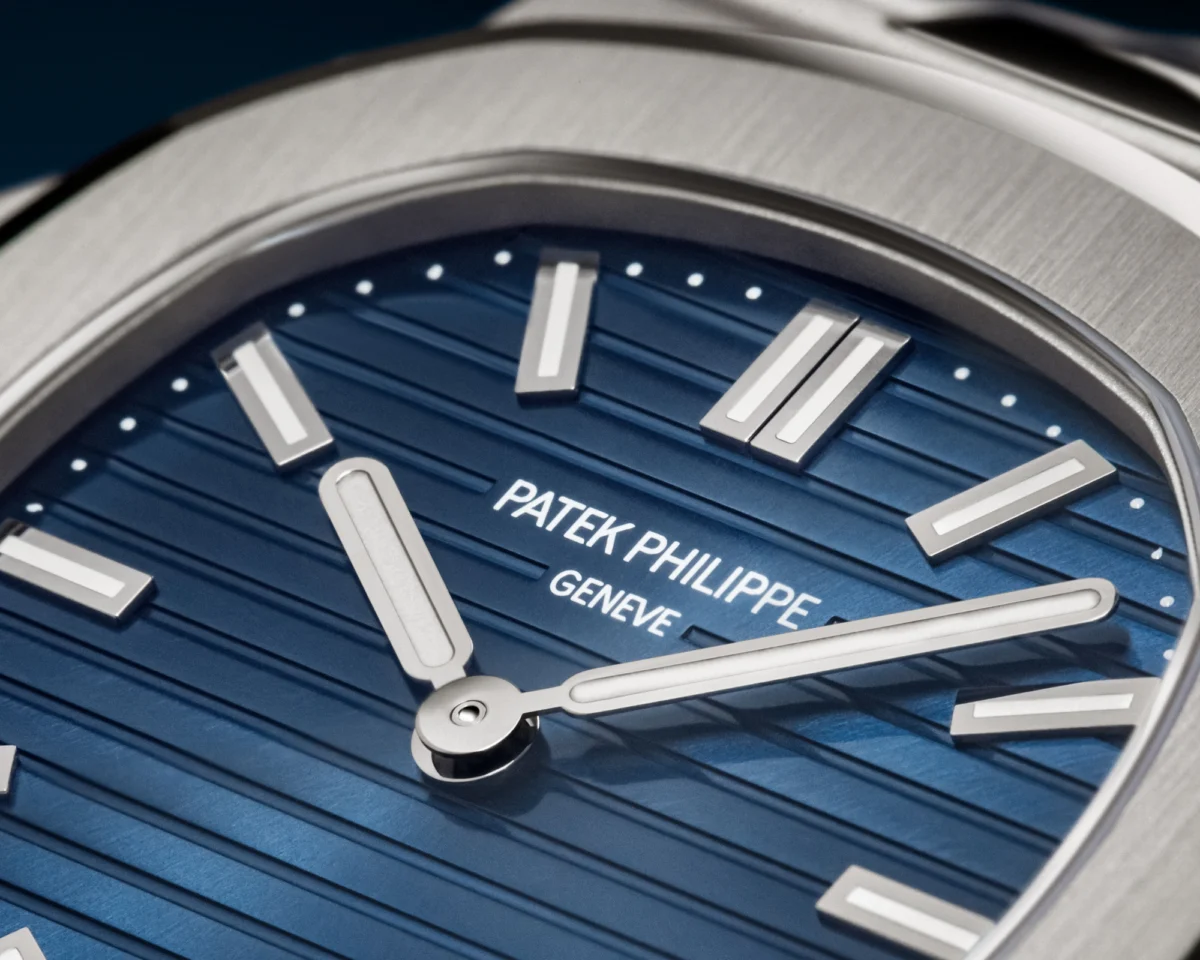
Beyond the consumer experience, a significant portion of the strain is placed upon American watch retailers. Many authorized dealers, particularly those carrying highly sought-after brands like Rolex and Patek Philippe, operate less as independent businesses and more as "vassals" of the brands they represent. This relationship, dictated from thousands of miles away, severely curtails their autonomy.
Retailers are often subjected to stringent directives regarding which models to stock, at what price points, and even how to market their products. The practice of "inventory stuffing," where retailers are compelled to purchase slow-moving or undesirable stock to gain access to more popular items, creates significant financial risk. This model concentrates power in the hands of the brands, leaving retailers vulnerable to market fluctuations. When economic conditions shift, brands can easily shift their focus to other regions, while retailers are often left with substantial unsold inventory and limited recourse.
This lack of local control stifles innovation and adaptability, preventing retailers from making hyper-local decisions that could better serve their communities. The author contends that empowering retailers to manage their own inventory, pricing, marketing, and customer selection is the most effective way to foster a robust and agile American watch market. Instead, many brands impose a one-size-fits-all approach that is fundamentally at odds with the dynamic nature of American commerce.

The Unseen Leverage of American Retailers and Consumers
The article emphasizes that American multi-brand authorized dealers are, in essence, the "kingmakers" of the U.S. watch market. These businesses are the primary interface with consumers and are instrumental in the success of virtually every luxury watch brand operating in the country. They are deeply embedded in their local communities and understand the nuances of their customer base, selling not just luxury goods, but tangible symbols of personal achievement. This intimate understanding of local culture and individual aspirations is something that cannot be effectively managed or controlled from afar.
The author draws a parallel to water finding its path around an obstacle, suggesting that free-market forces will invariably circumvent the arbitrary roadblocks imposed by Swiss dirigistic thinking. The thriving secondary and pre-owned watch markets in the U.S. serve as a prime example of this phenomenon. When the primary market fails to meet consumer demand or offer competitive pricing and experiences, the market naturally finds alternative solutions. This "immune response" of capitalism is a testament to its inherent resilience and adaptability, a stark contrast to the rigid structures of dirigisme.
Implications for the Future of Luxury Watch Sales
The current dynamic, where powerful Swiss brands exert tight control over American retailers and consumers, is characterized by a decline in genuine partnership and a rise in short-term strategic posturing. The author suggests that mutual cooperation between American and Swiss interests has faltered, particularly among the larger players. Smaller brands, often forced to conform to American business practices out of necessity, operate differently.
The imposition of Swiss business values onto the American market, according to the article, is not merely a power struggle but a detrimental imbalance that restricts the U.S. market’s true growth potential. The author concludes by advocating for greater understanding and collaboration, urging both American industry professionals and their Swiss counterparts to spend more time at the negotiation table. Acknowledging the fundamental differences in how each culture envisions a healthy market dynamic is crucial.

The fear that Switzerland might harbor towards the United States is, in the author’s view, misplaced. The two nations can collaborate effectively without coercion or hidden agendas. The continued prosperity of the Swiss watch industry is, by necessity, tied to a stable, healthy, and expanding export pipeline to the United States. Bridging the gap in cultural habits and expectations between the U.S. and Switzerland is not just beneficial, but essential to preventing stagnation or contraction within the global luxury timepiece market. The most significant threat, the article concludes, is not conflict, but a persistent lack of understanding and a failure to identify and capitalize on areas of mutual cooperation.