









The 1930s stand as a remarkable epoch, often hailed as the "Golden Age of Menswear," where sartorial elegance reached an unprecedented zenith and personal grooming was a daily discipline. Beyond the meticulously tailored suits and polished shoes, however, lay an equally crucial dimension to a gentleman’s persona: his Everyday Carry (EDC). These carefully selected pocket essentials were not merely accessories; they were indispensable tools that dictated daily function, ensured preparedness in an uncertain world, and subtly reinforced social standing. Even as the shadow of the Great Depression loomed large, demanding ingenuity and frugality, the commitment to maintaining standards of self-reliance and decorum remained a point of profound pride. The items a man carried within his pockets painted a vivid portrait of his values, his responsibilities, and his engagement with the rapidly evolving world around him. This curated collection of necessities reveals much about the era’s blend of tradition and burgeoning modernity, establishing benchmarks for preparedness that continue to resonate with discerning individuals today.
I. Economic Realities and Monetary Management
In an economic landscape largely devoid of the digital transactions and widespread credit systems common today, cash reigned supreme. The items related to monetary management were thus foundational to a gentleman’s daily carry, reflecting both the practicalities of commerce and the new administrative demands brought forth by the era’s challenges.
The Wallet: A Repository of Necessity
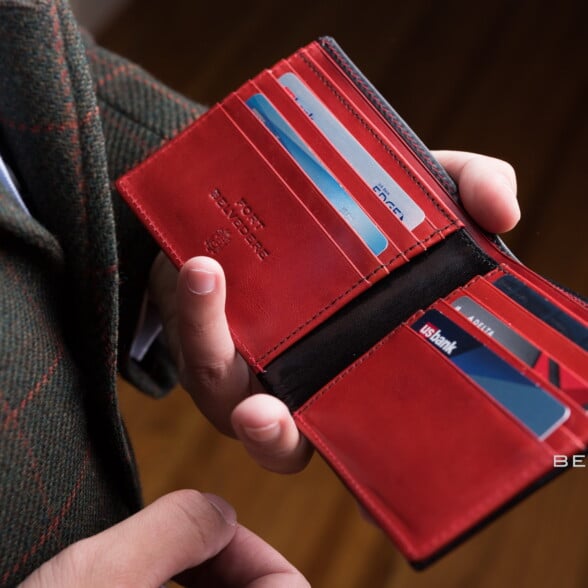
Wallets of the 1930s were robust yet elegant, primarily designed to accommodate banknotes, which constituted the primary medium of exchange. Leather was the material of choice, ranging from durable calfskin to more exotic, luxurious skins, often featuring simple, functional designs that prioritized security and accessibility. The absence of numerous card slots, a ubiquitous feature in modern wallets, underscores the pre-credit card era. Instead, these wallets might hold a few essential papers or calling cards. During the depths of the Great Depression, the contents of a wallet—or even the possession of one—could be a stark indicator of an individual’s economic standing, making its careful management a matter of both practicality and dignity.

Government IDs: A New Era of Identification
The 1930s saw the emergence of new forms of identification, driven by both the rise of the automobile and unprecedented government intervention in social welfare. Driver’s licenses, already gaining traction in the 1920s, became increasingly standardized. More significantly, the rollout of President Franklin D. Roosevelt’s New Deal programs necessitated new government-issued IDs. For instance, the Civilian Conservation Corps (CCC), established in 1933, provided work for unemployed young men, requiring official identification for enrollment and wage disbursement. The Social Security Act of 1935, a landmark piece of legislation, introduced Social Security cards, becoming a fundamental identifier for workers nationwide. By 1939, the nascent Food Stamp Program also began issuing scrip, underscoring the government’s expanding role and the corresponding need for citizens to carry verified credentials. These IDs were not merely for personal identification; they were often literal tickets to employment, sustenance, and social safety nets, making them indispensable components of a man’s EDC.
II. Pillars of Personal Presentation and Hygiene
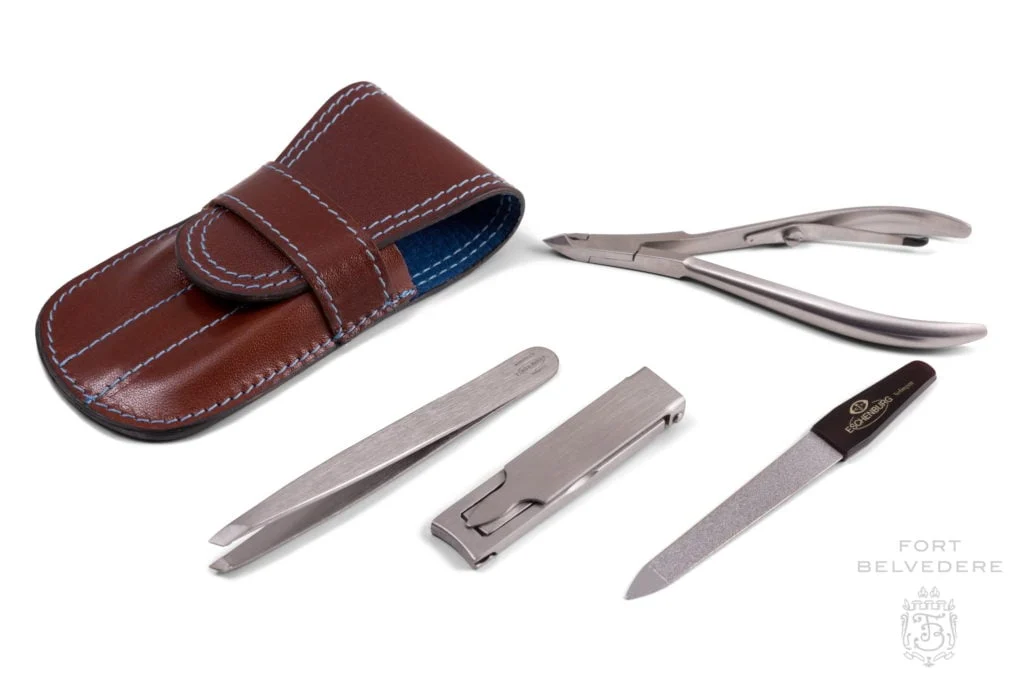
A gentleman’s outward appearance and personal comportment were deeply intertwined with his social standing and self-respect. Items dedicated to hygiene and immediate personal maintenance were therefore carried with meticulous attention.
The Indispensable Handkerchief
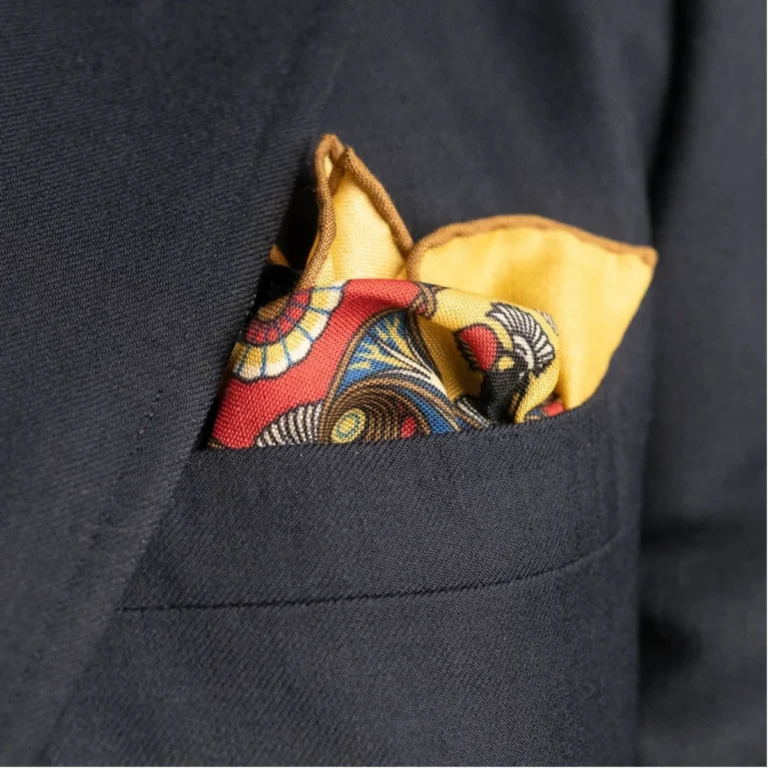
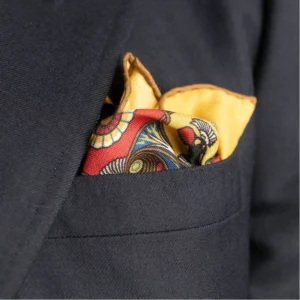
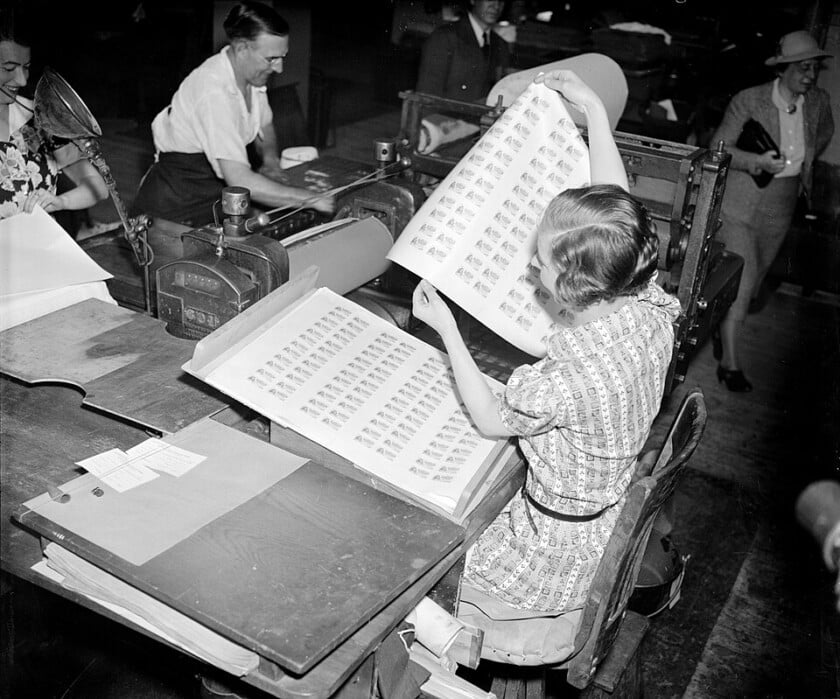
Long before the advent of disposable tissues, a clean handkerchief was an absolute necessity for any well-prepared gentleman. Made typically from washable cotton or linen, and sometimes silk for more formal occasions, these squares of fabric served a multitude of practical and social functions. They were used for wiping spectacles, drying hands, mopping one’s brow, or, with utmost gallantry, offered to a lady in distress. Designs often favored plain white or solid colors, with personalization taking the form of elegantly embroidered initials, a subtle mark of ownership and refinement. For those engaged in more physically demanding labor, such as farmers or factory workers, larger, more robust bandanas were preferred, offering greater utility in grimy conditions and often serving as makeshift head coverings or protective masks. The presence of a clean handkerchief spoke volumes about a man’s attention to detail and consideration for others.
Maintaining the Coiffure: The Pocket Comb
The 1930s dictated a specific aesthetic for men’s hair: neatly parted, often slicked back with pomade, and impeccably groomed. While hats were standard public attire, etiquette often required their removal, necessitating quick hair adjustments. To combat "hat hair" or simply maintain a polished look throughout the day, a pocket comb was essential. These combs were crafted from materials like horn, tortoiseshell, celluloid (an early plastic), or metal, offering durability and a smooth glide through hair. Their designs were typically simple, rectangular, or oblong, though folding models existed for even more discreet carry. The comb, coupled with a small tin of pomade, allowed a gentleman to uphold his immaculate appearance, reflecting the era’s emphasis on polished presentation.
The "Huswife": A Testament to Resourcefulness
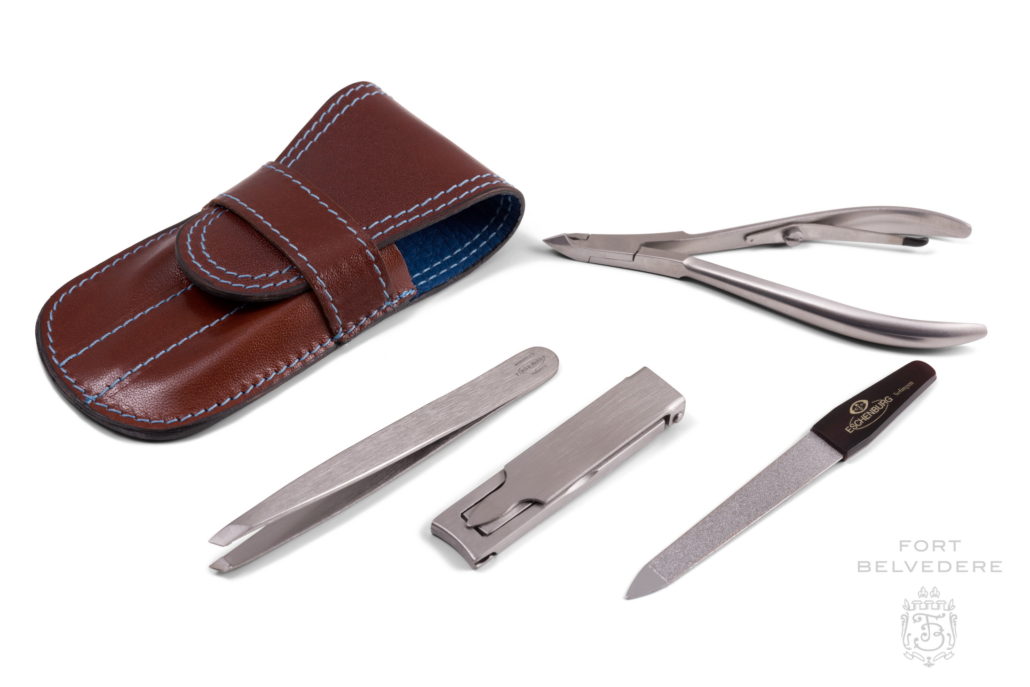
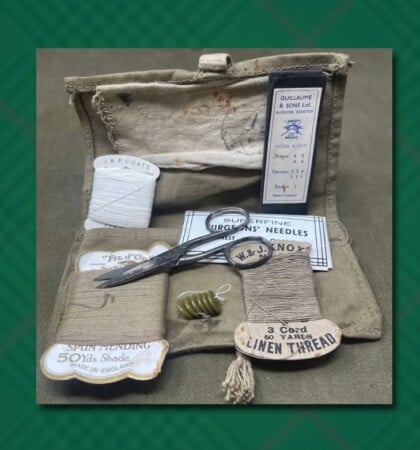
Dating back to at least the mid-18th century, the portable sewing kit, famously known as a "housewife" (or "huswife"), was a crucial item for emergency garment repair. Its historical use by soldiers in conflicts from the American Revolutionary War through WWI and WWII cemented its reputation as a practical, essential tool. In the interwar years of the 1930s, this kit gained renewed significance, embodying the prevailing "waste not, want not" mentality enforced by the economic hardships of the Great Depression. Rather than discarding damaged clothing or incurring tailoring costs, a man could handle minor repairs himself. These compact kits typically contained an assortment of needles, pins, various spools of thread (often in common colors like black, white, and navy), buttons, a thimble, small scissors, and sometimes wax for strengthening thread or waterproofing. The ability to mend one’s own clothing was not just a practical skill; it was a symbol of self-sufficiency and prudent management, values highly esteemed during a period of scarcity. (It’s worth noting that the UK Ministry of Defense formally phased out the term "housewife" in 2019 due to its gendered connotations, opting for more neutral terminology).
III. Tools of Utility and Access
Beyond personal presentation, a gentleman’s EDC included items that provided practical utility, facilitated access, and even subtly conveyed status. These were the working tools of daily life.
The Everyday Utility of the Pocket Knife
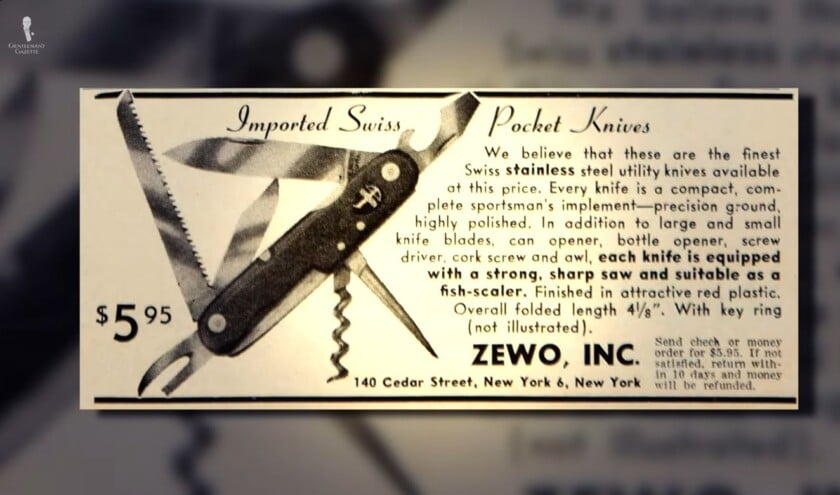
Long before the concept of "tacticool" gained traction, the pocket knife served as a discreet, elegant, and profoundly utilitarian instrument. Simple one- or two-blade slipjoint knives were incredibly practical for a myriad of daily tasks: sharpening pencils, opening letters, cutting string, cleaning fingernails, or even whittling during moments of contemplation. For tobacco users, a sharp blade was indispensable for shaving plug tobacco into a pipe or for rolling cigarettes. Common handle materials included celluloid, Bakelite, bone, or even silver, reflecting varying degrees of craftsmanship and luxury. The pocket knife was more than a mere cutting tool; it was an emblem of self-reliance and readiness, a quiet affirmation that a gentleman was prepared for whatever small challenges the day might present.
Keys and the Symbolism of Access
Organization was paramount in an era where physical keys were the sole means of access. Keys for homes, automobiles, offices, and post office boxes were daily essentials, often carried on a simple, sturdy brass ring. Some gentlemen opted for more elaborate key chains, which might include a chain component similar to a pocket watch fob, allowing them to be secured to a belt or waistcoat button. A fashionable trend of the era saw harmoniously decorated sets of chains, fobs, and buckles, reflecting a desire for coordinated elegance even in functional items. Keys represented more than just entry; they symbolized ownership, privacy, and responsibility, granting access to the various domains of a man’s life.
Signet Rings: More Than Adornment
While often prominently worn as a statement of personal style or family heritage, signet rings also possessed a historical and occasional practical function. Traditionally, these rings were used to seal documents with a unique impression in hot wax, serving as a signature or a mark of authenticity. Though their use for sealing documents became less common in daily life by the 1930s, the signet ring retained its symbolic power. Crafted from gold, silver, and sometimes set with precious stones, they often bore a family crest, initials, or a significant emblem. They acted as a tangible link to lineage, membership in exclusive clubs, or personal achievement, making them a discreet but potent marker of identity and social standing.
IV. Navigating Time and Social Rituals
The 1930s was a period of significant transition in how men perceived and managed their time, as well as how they engaged in social rituals, particularly those involving libations and tobacco.
The Great Shift: From Pocket to Wrist
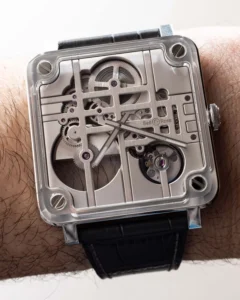
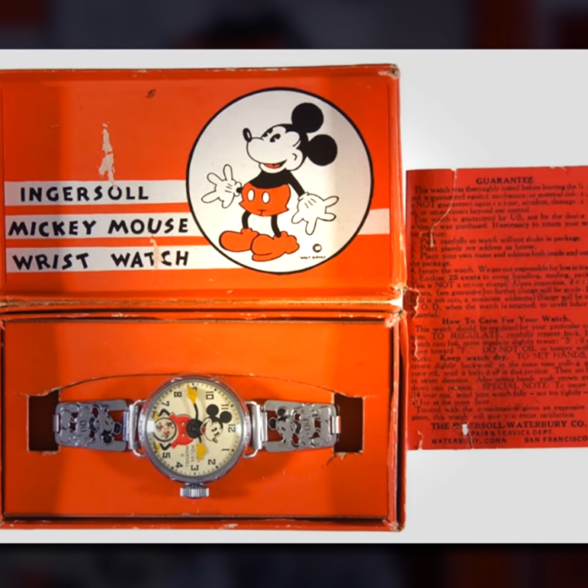
The 1930s represented a pivotal moment in the history of timekeeping for men. While pocket watches had been the dominant form for centuries, the middle of the decade saw wristwatches outselling their traditional counterparts. This dramatic shift was largely driven by several factors. World War I veterans, accustomed to the practicality of "trench watches" strapped to their wrists for quick time checks in combat, brought this preference back into civilian life. Concurrently, changing fashion trends, notably the gradual decline of waistcoats (the traditional home for a pocket watch), made wristwatches a more convenient and visible accessory. Furthermore, a broader cultural shift away from ostentatious displays of wealth, partly influenced by the Depression, favored the more understated elegance of a wristwatch over a grand, often chain-adorned, pocket watch. The market catered to all segments, featuring luxury pieces such as the groundbreaking Rolex Oyster Perpetual (1931), the iconic Jaeger-LeCoultre Reverso (1931), and the timeless Patek Philippe Calatrava (1932). Simultaneously, budget-friendly options like the Elgin Legionnaire and Bulova Banker made timekeeping accessible to a wider populace. A remarkable anecdote from this era highlights the transformative power of the wristwatch: the Waterbury Clock Company (now Timex) famously averted bankruptcy during the Great Depression through a legendary partnership with the then-struggling Walt Disney Studios. In 1933, they launched the world’s first Mickey Mouse character watch, selling an astonishing 11,000 units on its first day at Macy’s and over two million within eighteen months. This iconic timepiece not only saved a historic Connecticut clockmaker but forever changed the trajectory of the wristwatch, demonstrating the potent synergy between popular culture and consumer trends.
The Flask: A Companion Through Prohibition and Beyond
The hip flask, typically crafted from pewter, silver, or glass often encased in leather or fabric, was a highly utilized item throughout the 1930s. Its popularity was inextricably linked to the era of Prohibition in the United States, enforced by the 18th Amendment and the Volstead Act from 1920 to 1933. While the production and sale of alcohol were strictly prohibited, its consumption was not explicitly illegal. Consequently, countless American men carried clandestine flasks, discreetly filled with their "potent potables." This habit of carrying one’s own liquor persisted freely even after Prohibition’s repeal in 1933, as it offered a convenient way to bring a preferred beverage to a tavern or pub, or simply to enjoy a personal tipple on the go. The flask became a symbol of personal liberty, a nod to defiance, and a facilitator of private indulgence, often evoking a sense of camaraderie when shared among trusted companions.

Tobacco: A Pervasive Social Ritual
Tobacco use was a ubiquitous cultural element across the globe in the 1930s, deeply ingrained in social rituals, business interactions, and personal habits. Smoking was widely accepted, often viewed as a sign of maturity, sophistication, or even a way to manage stress during challenging times.
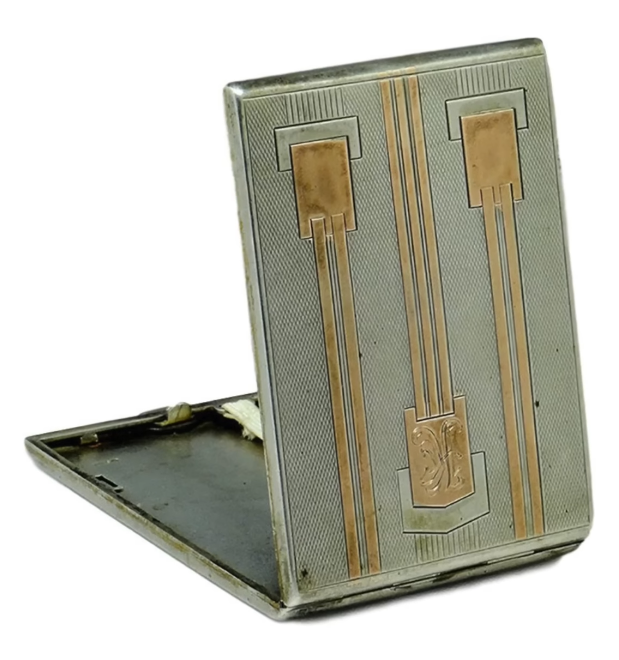
- Cigarette Cases: Gentlemen often transferred factory-made or hand-rolled cigarettes from their paper packs into elegant metal cases, which were then kept in a jacket or breast pocket. These cases ranged from simple, utilitarian base metals to luxurious, intricately engraved precious metals, often reflecting Art Deco designs. They protected cigarettes from crushing and offered a more refined presentation than a crumpled pack.
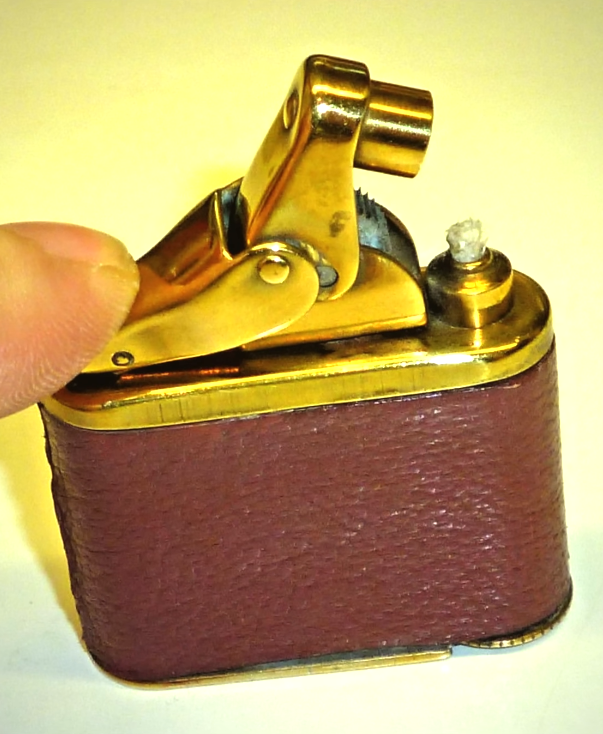
- Lighters: While traditionalists continued to use matches, portable lighters grew increasingly common after the development of ferrocerium (flint) in the 1910s. The most iconic lighter of the era, the windproof Zippo, debuted in 1932. Utilizing petroleum naphtha lighter fluid and a wick, its reliability and robust design quickly made it a household name, becoming a staple in many men’s pockets and a symbol of American ingenuity.
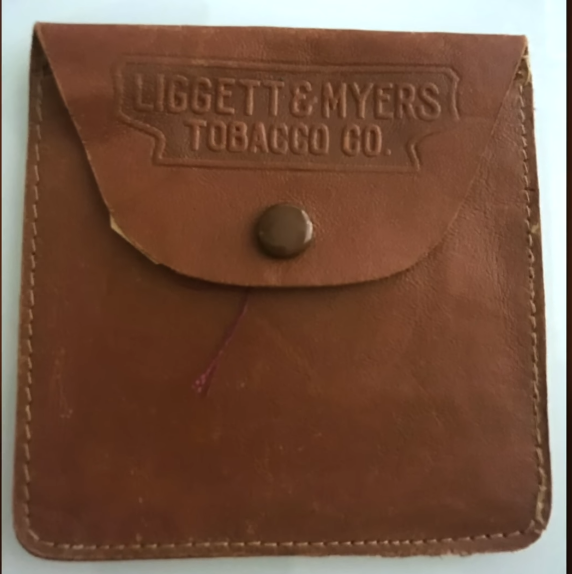
- Pipes: For pipe smokers, the EDC included a soft leather or canvas tobacco pouch to keep pipe tobacco fresh, a tamper tool for packing and tamping the bowl, and a reliable method for lighting. Pipe smoking was often associated with contemplation and intellectual pursuits, offering a more measured and ritualistic form of tobacco consumption.
V. Intellect and Engagement: Writing and Leisure
In a world less dominated by instant digital communication, the ability to record thoughts, correspond, and engage in personal reflection was highly valued. Leisure items also provided essential diversion during an era of hardship.
The Art of Correspondence: Pens and Notebooks
A true gentleman was always prepared to record a fleeting thought, jot down a phone number, or sign a check. Writing instruments of the 1930s were primarily fountain pens, epitomizing elegance and functionality. Brands like Parker, Waterman, and Sheaffer produced sophisticated pens with intricate filling mechanisms and often gold nibs, which offered a smooth and expressive writing experience. The modern ballpoint pen, while invented earlier, did not see widespread use until the 1940s, cementing the fountain pen as the absolute standard for formal and everyday writing. Accompanying the pen was a small, often leather-bound, notebook or memo pad. These served as personal ledgers, appointment books, sketchpads, or simply repositories for observations, embodying the intellectual curiosity and organizational diligence of the era. The act of writing was a deliberate, tactile process, a stark contrast to today’s rapid-fire digital communications.
Information and Diversion: Paper Ephemera and Hand Games
The 1930s was a far cry from today’s largely digital world, with much of the information about daily life conveyed through paper. Men frequently carried non-permanent items—paper ephemera—such as folded newspapers for current events, ticket stubs from public transport or entertainment, public transit timetables for navigating cities, and maps for travel. These items kept a man informed and oriented in his urban or rural environment. To combat boredom and provide a momentary escape during the challenging times of the Great Depression, many men also carried small novelty hand games. Decks of playing cards were common, offering opportunities for solitaire or social games. Handheld skill games, often featuring small metal balls navigated through a maze-like contraption akin to miniature pinball, provided simple, portable entertainment, serving as a welcome distraction and a means to "kill time" during long commutes or waiting periods.
Conclusion: Echoes of an Era in Modern Carry
The Everyday Carry of the 1930s gentleman was more than a collection of objects; it was a carefully curated ensemble reflecting the values of an era defined by both refined style and profound resilience. These items underscored the importance of preparedness, self-reliance, personal presentation, and thoughtful engagement with the world, even amidst severe economic hardship. From the practicalities of monetary management and garment repair to the social graces of timekeeping and shared rituals, each item played a vital role in navigating daily life. While technology has drastically altered the contents of a modern man’s pockets, the underlying principles—utility, readiness, and a certain appreciation for quality and purpose—remain timeless. The enduring appeal of these classic essentials serves as a reminder that true style and preparedness transcend fleeting trends, offering valuable lessons for how we approach our own "carry" today.
Frequently Asked Questions
What did men keep in their wallets in the 1930s?
Primarily cash (banknotes and coins), as credit cards did not yet exist. Men also carried driver’s licenses and new government-issued IDs, such as Social Security cards introduced in 1935, which were essential for employment and social programs. Checkbooks were used for transferring larger sums of money or paying bills.
Did men wear pocket watches or wristwatches in the 1930s?
Both were common, but wristwatches gained significant popularity and began to outsell pocket watches by the mid-1930s. This shift was largely influenced by World War I veterans who preferred the convenience of "trench watches" and changing fashion trends, such as the decline of waistcoats, which traditionally housed pocket watches.
What was a "housewife" in the context of a 1930s EDC?
It was the historical term for a compact, portable sewing kit. Stocked with needles, thread, buttons, and small scissors, these kits were vital during the Great Depression for mending clothing on the go, embodying the era’s "waste not, want not" philosophy.
Was it legal to carry a hip flask during Prohibition?
Yes. While the 18th Amendment (Prohibition, 1920-1933) strictly prohibited the production and sale of alcoholic beverages, it did not explicitly ban their consumption. This legal loophole made clandestine hip flasks incredibly popular for discreet personal use.
What kind of pens did gentlemen use in the 1930s?
Fountain pens from reputable brands like Parker, Waterman, and Sheaffer were the absolute standard for gentlemen. These pens often featured elaborate designs and gold nibs, offering a refined writing experience. The modern ballpoint pen did not see widespread commercial use until the 1940s.

How did men entertain themselves on the go?
To pass the time, especially during the economic hardships of the Depression, men carried newspapers for news and entertainment, decks of playing cards for solitaire or informal games, and novelty handheld skill games, such as pocket-sized mechanical pinball-like devices.
Related Content
What Men Carried in the 1980s: A Complete 80s EDC Breakdown
11 Edwardian Essentials: 1900s Gentleman’s EDC
Winston Churchill’s EDC: The Armor of a World Leader