










The enduring appeal of co-ords and suits as matching two-piece sets, designed for both integrated and standalone wear, positions them as perennial fixtures in sophisticated wardrobes. Their inherent ability to project an instantly polished aesthetic, coupled with their remarkable versatility, ensures their unwavering relevance across fashion cycles. This intrinsic longevity makes them particularly valuable for consumers seeking to build more sustainable, resilient wardrobes, with a growing focus on selections from brands rated "Good" and "Great" for their environmental and ethical practices.
The Enduring Allure and Versatility of Matching Sets
Co-ords and suits represent more than just clothing; they embody a strategic approach to dressing. The concept of a matching set, whether a tailored blazer and trousers, a coordinated skirt and top, or a unified jacket and shorts, simplifies decision-making while maximizing stylistic impact. When worn together, these ensembles convey a deliberate and refined appearance, signaling an acute attention to detail. This characteristic has cemented their status as a cornerstone for both formal and smart-casual occasions, effortlessly transitioning from professional environments to social gatherings.
Beyond their collective power, the individual components of a co-ord or suit offer unparalleled flexibility. A well-cut blazer can elevate a casual dress or complement a pair of jeans, while a pair of tailored trousers can be paired with a variety of tops for distinct looks. Similarly, a skirt from a matching set can be reimagined with different blouses, sweaters, or T-shirts. This modularity is a critical factor in their value proposition, enabling a multitude of outfits from a limited number of items, a principle central to the modern capsule wardrobe philosophy. Investing in such pieces becomes a testament to mindful consumption, prioritizing quality and adaptability over fleeting trends.
The Rising Imperative for Sustainable Fashion
The fashion industry, historically a significant contributor to global environmental degradation and social inequities, is undergoing a profound transformation. Growing consumer awareness, coupled with increasing regulatory scrutiny, has driven a paradigm shift towards more sustainable practices. Traditional fast fashion models, characterized by rapid production cycles, low-cost materials, and planned obsolescence, have been widely criticized for their extensive ecological footprint. Reports from organizations such as the Ellen MacArthur Foundation highlight that the textile industry is responsible for over 92 million tons of waste annually, with a truckload of textiles ending up in landfills or incinerated every second. Furthermore, the industry’s reliance on water-intensive crops like conventional cotton, chemical-heavy dyeing processes, and the release of microplastics from synthetic fibers contribute significantly to water pollution and resource depletion.
In response, the demand for transparency, ethical labor practices, and environmentally sound production methods has surged. Consumers are increasingly seeking brands that demonstrate genuine commitment to sustainability across their entire supply chain, from raw material sourcing to manufacturing and end-of-life considerations. This includes an emphasis on durable materials, fair wages, safe working conditions, reduced carbon emissions, and innovative circular economy models. The shift is not merely a niche trend but a fundamental recalibration of consumer values, where the provenance and impact of a garment are as important as its aesthetic appeal.
Navigating Sustainable Choices: The Role of Ratings and Certifications
For the discerning consumer, identifying truly sustainable brands amidst a landscape often clouded by "greenwashing" – the practice of making unsubstantiated or misleading claims about environmental benefits – can be challenging. This is where independent rating systems and certifications play a crucial role. Platforms like Good On You, which assesses fashion brands’ impact on people, the planet, and animals, provide invaluable guidance. Their rigorous methodology evaluates various criteria, including material choices, water and waste management, carbon footprint, labor rights, and animal welfare policies, assigning ratings from "We Avoid" to "Great." Brands achieving "Good" or "Great" ratings have demonstrated significant efforts and commitments towards responsible production.
Beyond specific platforms, a multitude of certifications offer further assurance. The Global Organic Textile Standard (GOTS) certifies textiles made from organic fibers, ensuring ecological and social criteria are met throughout the supply chain. Fair Trade certification focuses on equitable wages and safe conditions for workers. B Corp certification designates companies that meet high standards of verified social and environmental performance, transparency, and accountability. OEKO-TEX standards ensure textiles are free from harmful substances. Understanding these certifications empowers consumers to make informed decisions, supporting brands that genuinely prioritize ethical and environmental responsibility. Industry experts, such as Dr. Anna Smith, a leading researcher in sustainable consumption, often emphasize that "certifications act as critical trust signals, helping consumers cut through the noise and identify brands that are truly walking the talk on sustainability."
Embracing the Circular Economy: Prioritizing Second-Hand
The most sustainable garment is often one that already exists. This principle underpins the powerful recommendation to explore second-hand options before considering new purchases. The circular economy model, which advocates for reducing, reusing, repairing, and recycling materials, is best exemplified by the thriving market for pre-owned clothing. By choosing second-hand, consumers directly divert textiles from landfills, significantly reducing the environmental footprint associated with new production.
Suits and co-ords are particularly abundant in the second-hand market. Vintage boutiques, charity shops, consignment stores, and online marketplaces offer a vast array of beautifully crafted two-piece sets at a fraction of their original cost. These items, often from past eras, frequently boast superior construction and material quality compared to many contemporary fast fashion offerings. A common misconception is that finding the perfect fit in second-hand apparel is difficult. However, this barrier is easily overcome by embracing the expertise of local tailors. A trip to a skilled seamstress or tailor can transform an otherwise ill-fitting second-hand find into a custom-tailored masterpiece, enhancing its longevity and personal appeal. This not only breathes new life into a garment but also supports local craftsmanship and reinforces the value of bespoke fit. Sustainability advocates frequently point out that "the value of a garment is not just in its initial purchase price, but in its potential for extended life and multiple wears, making tailoring a key component of sustainable fashion."
Curated Selections: Spotlighting Sustainable New Options
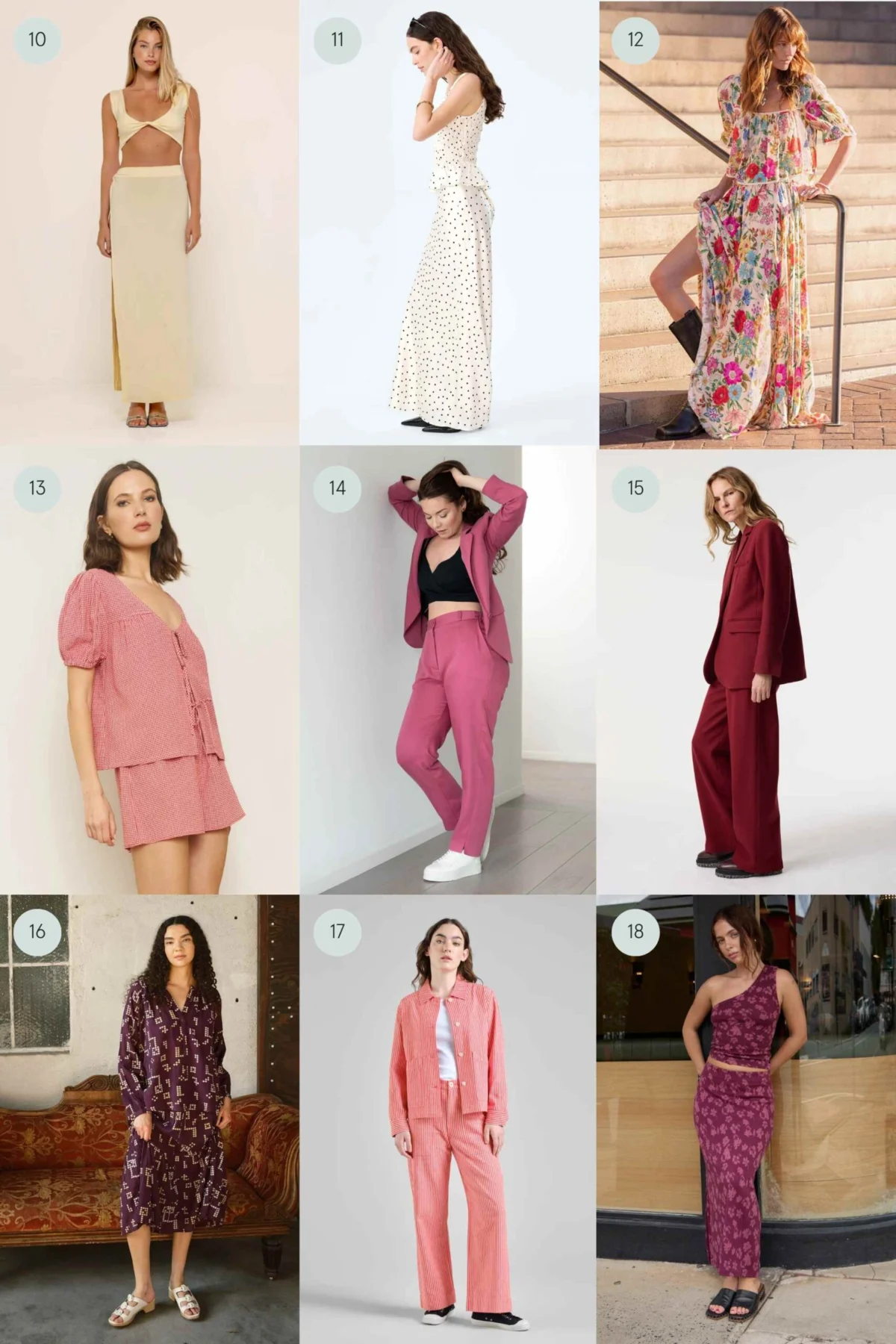
While the priority remains on extending the life of existing garments, there are occasions when a new purchase is desired. In such instances, choosing brands with strong sustainability credentials becomes paramount. The curated selections of co-ords and suits from "Good" and "Great"-rated brands offer excellent examples of how contemporary design can align with responsible production. These brands demonstrate a commitment to various sustainable practices, from material innovation to ethical manufacturing processes.
For example, brands like Dressarte Paris exemplify the made-to-measure approach, significantly reducing waste associated with mass production and ensuring a perfect, lasting fit for the wearer. ZEROBARRACENTO showcases innovative material use with fabrics like Bemberg, a regenerated cellulose fiber derived from cotton linter, offering a luxurious feel with a reduced environmental impact. The use of recycled and upcycled materials is another key pillar, as seen in brands like E.L.V Denim and Triarchy, which transform discarded denim into new, stylish garments, minimizing the demand for virgin resources and addressing textile waste.
Other brands prioritize organic and responsibly sourced natural fibers. SeamsFriendly, for instance, offers versatile pieces often made from organic cotton poplin, emphasizing multi-functional design to maximize wear. Companies like 1 People and Facettes Studio focus on durable, natural fabrics such as organic cotton canvas, ensuring longevity and comfort. The Summer House and Coco & Kandy often utilize breathable, natural fibers in their resort-inspired co-ords, designed for comfort and extended use. Spell and Whimsy & Row integrate organic cottons and responsible manufacturing into their bohemian-inspired sets.
Furthermore, brands such as WILDA.ECO and Akyn demonstrate a commitment to ethical production chains and high-quality, long-lasting fabrics, often with a focus on timeless designs that resist seasonal trends. Dedicated and Ace & Jig often feature organic cotton and Tencel blends, known for their low environmental impact and comfort, in their vibrant and versatile sets. Afends emphasizes recycled materials, including those derived from ocean plastics, showcasing a commitment to circularity even in swimwear and casual sets. These brands collectively illustrate a spectrum of sustainable practices, from material innovation and waste reduction to ethical labor and design for longevity, providing consumers with viable and responsible choices.
The Broader Impact of Conscious Investment
The decision to invest in sustainable co-ords and suits extends beyond individual wardrobe benefits; it contributes to a broader systemic change within the fashion industry. By choosing durable, versatile, and ethically produced items, consumers actively participate in slowing down the consumption cycle. This shift from quantity to quality fosters a greater appreciation for craftsmanship, material integrity, and the human effort behind each garment. The economic implication for consumers is a move towards a "cost-per-wear" mentality, where a higher initial investment in a quality piece proves more economical in the long run than repeatedly purchasing cheaper, disposable items.
Environmentally, this approach reduces the demand for new resource extraction, minimizes textile waste, and lessens the carbon footprint associated with manufacturing and transportation. Socially, it supports brands committed to fair labor practices, ensuring that the people who make our clothes are treated with dignity and paid equitably. This collective action signals to the industry that there is a strong market for responsible production, incentivizing more brands to adopt sustainable business models and innovate in eco-friendly technologies and materials.
The Future Landscape of Sustainable Fashion
The trajectory of sustainable fashion suggests a continued evolution towards greater transparency, innovation, and consumer engagement. As technology advances, new sustainable materials and production techniques, such as bio-based textiles, advanced recycling processes, and on-demand manufacturing, are likely to become more prevalent. The integration of digital tools, including blockchain for supply chain transparency, will further empower consumers to verify the claims of brands.
The timeless nature of co-ords and suits positions them perfectly within this evolving landscape. Their inherent value as long-lasting, versatile pieces aligns seamlessly with the principles of responsible consumption. As the fashion industry continues its journey towards greater sustainability, these classic ensembles will remain not just a style statement, but a testament to conscious consumerism – a blend of elegance, practicality, and ethical responsibility that transcends passing fads.
Editor’s Note: This article has been updated to reflect the latest trends and brand ratings within the sustainable fashion sector. Our editorial process involves curating highly-rated brands, assessed by our rigorous ratings system, to guide consumers towards more responsible choices. The inclusion of external links may generate a commission, which supports our ongoing research and journalistic endeavors. We encourage readers to explore the full directory of rated brands for comprehensive information. This article was last refreshed on 9 April 2026, ensuring the timeliness and relevance of featured selections and information.