






As April unfolds, the global spotlight once again turns to Fashion Revolution Week, running from April 22nd to 28th, 2026. This annual campaign, orchestrated by Fashion Revolution, galvanizes the world’s largest fashion activism movement for six days of intensive action, advocating for a fundamental shift in an industry too often defined by exploitation and environmental degradation. More than a mere awareness campaign, Fashion Revolution Week 2026 serves as a critical checkpoint, marking over a decade since the tragedy that ignited its inception, and arrives amidst a complex landscape of economic pressures, geopolitical instability, and a crucial internal strategic recalibration for the movement itself.
The Genesis of a Movement: Remembering Rana Plaza
Fashion Revolution Week finds its profound roots in the catastrophic collapse of the Rana Plaza garment factory in Dhaka, Bangladesh, on April 24, 2013. This man-made disaster, which claimed the lives of 1,138 people and injured over 2,500, laid bare the horrific human cost of the global fast fashion industry. The eight-story building, constructed illegally with substandard materials, housed five garment factories supplying major international brands. Its collapse became a stark symbol of systemic negligence, inadequate safety standards, and the relentless pressure on supply chains to produce at ever-lower costs and faster speeds.
In the immediate aftermath, the global community reacted with shock and outrage. It was from this tragedy that Fashion Revolution was born, co-founded by Carry Somers and Orsola de Castro. Their vision was not just to mourn the victims, but to demand accountability and catalyze systemic change. The core question, #WhoMadeMyClothes?, emerged as a powerful, accessible rallying cry, prompting consumers to interrogate brands about their supply chains and the lives of the people behind their garments. This year, as the movement observes its 13th anniversary since Rana Plaza, the urgency to remember and act remains undiminished.
The Anatomy of Exploitation: Fast Fashion’s Deep-Seated Issues
The modern fashion industry, particularly its fast fashion segment, operates on a model that intrinsically prioritizes profit and rapid growth over human well-being and planetary health. This structure leads to an imbalance of power, with wealth concentrated at the apex of the supply chain while the vast majority of garment workers, predominantly women in developing countries, endure precarious employment and sub-living wages.
- Social Injustice: Despite generating trillions of dollars annually, the fashion industry’s labor force remains critically undervalued. Reports indicate that a significant percentage of garment workers earn less than half of a living wage, often working excessive hours in unsafe conditions, with limited access to basic rights such as unionization or adequate healthcare. Instances of forced labor, child labor, and gender-based violence persist within opaque supply chains, particularly in regions with weak regulatory oversight. The relentless demand for new collections—sometimes as many as 52 micro-seasons a year—places immense pressure on factories, leading to widespread exploitation.
- Environmental Toll: The ecological footprint of the fashion industry is equally staggering. It is one of the world’s most polluting sectors, responsible for approximately 10% of global carbon emissions, more than international flights and maritime shipping combined. Textile production consumes vast quantities of water; for instance, producing a single cotton t-shirt can require up to 2,700 liters of water, equivalent to what an average person drinks in 2.5 years. Moreover, the industry is a major contributor to plastic pollution, with synthetic fibers like polyester shedding microplastics into waterways during washing. The prevalence of disposable fashion also exacerbates waste crises, with an estimated 85% of all textiles ending up in landfills annually, where they can take hundreds of years to decompose. Chemical dyes and finishes further contaminate water sources and harm ecosystems, posing significant health risks to workers and local communities.
This intrinsic link between environmental degradation and social injustice forms the bedrock of Fashion Revolution’s advocacy: true sustainability cannot exist without fair pay, safe working conditions, and respect for human rights.
A Decade of Advocacy: Fashion Revolution’s Journey
In the decade since the Rana Plaza tragedy, Fashion Revolution has transformed from an emergent response into a robust, globally recognized movement. Its initial focus on transparency has broadened to encompass a holistic vision of a fashion industry that values people, planet, creativity, and profit in equal measure.
Over the years, the organization has spearheaded numerous initiatives:
- The Fashion Transparency Index: Launched annually, this report evaluates major global fashion brands on their transparency across their supply chains, from policies to traceability. It has become a benchmark for accountability, pushing brands to disclose more information about their manufacturing processes and social and environmental performance.
- Policy Advocacy: Fashion Revolution has actively engaged with policymakers and legislative bodies worldwide, advocating for stronger regulations, mandatory human rights due diligence, and environmental protection laws within the fashion sector.
- Educational Campaigns: Through compelling visual campaigns, educational resources, and public engagement, the movement has consistently raised consumer awareness about the true cost of fashion, encouraging conscious consumption and active participation in demanding change.
Through these efforts, Fashion Revolution has made tangible progress, fostering increased dialogue around supply chain ethics and prompting some brands to adopt more transparent practices. As Liv Simpliciano, former policy and research manager for Fashion Revolution, has noted, the organization has played a pivotal role in shifting public perception and challenging the industry’s status quo, even if the pace of change remains slower than urgently needed.
Navigating a Shifting Landscape: 2026’s Unique Challenges
Fashion Revolution Week 2026 arrives at a particularly challenging juncture. The global economic climate, marked by persistent inflation, geopolitical crises, and supply chain disruptions, is creating significant headwinds for sustainability initiatives across all industries.
- Funding and Corporate Support: There is a discernible trend of decreased corporate funding and philanthropic support for sustainability programs. As companies face tighter budgets and increased operational costs, commitments to ethical sourcing and environmental investments are often among the first to be scaled back. This economic pressure disproportionately affects smaller brands striving for ethical production, many of whom struggle to absorb rising costs, leading to business closures and further job insecurity for garment workers.
- Organizational Restructuring: Reflecting these external pressures and a strategic desire for enhanced global impact, Fashion Revolution itself recently announced a significant organizational shift. The closure of its UK headquarters signals a pivot towards a "more federated, globally coordinated, and locally led next phase of the work." While funding challenges were cited as a contributing factor, this restructuring is primarily intended to empower local teams and amplify grassroots activism, making the movement more agile and responsive to regional specificities. This evolution underscores the movement’s resilience and adaptability, demonstrating a commitment to its mission despite internal and external challenges. The shift aims to foster deeper connections with local communities and campaigners, strengthening the movement’s global network.
The Imperative of Collective Action: Fashion Revolution’s Call
In the face of continuing exploitation of people, the planet, and animals, Fashion Revolution Week 2026 focuses intensely on what can be achieved through collective action. The movement is reiterating its commitment to its foundational principles, encapsulated in its call to "go back to our roots." This involves reigniting the spirit of connection, critical questioning, and visible activism.
As Fashion Revolution states, the renewed emphasis is on "seeking connection, asking questions, and taking to the streets—for both a better fashion industry and for future generations that follow in our footsteps." This directive is particularly pertinent in a world grappling with information overload and digital fatigue, encouraging tangible, real-world engagement alongside online advocacy. The core message remains unequivocal: there can be no genuine sustainability in fashion without a steadfast commitment to fair wages, safe working conditions, and the fundamental rights of all individuals involved in the production process. This week serves as a powerful reminder that the power to transform the industry lies not just with brands or governments, but with an informed, engaged, and united global citizenry.
Engaging with the Movement: How to Participate in FRW 2026
Fashion Revolution Week provides myriad avenues for individuals, communities, and organizations to participate in driving meaningful change. This year, the focus on "collective action" emphasizes both digital and physical engagement, encouraging widespread participation.
1. Attend Fashion Revolution Week Events and Workshops:
Across the globe, a diverse array of digital and physical events are scheduled. These include conferences featuring industry experts, educational workshops on sustainable practices, exhibitions showcasing ethical fashion, and even online public demonstrations. These events serve as crucial platforms for learning, networking, and raising awareness about building a more ethical and sustainable fashion industry. Participants are encouraged to explore the official Fashion Revolution website for local and online event listings. For those in areas without organized events, forming a small group of friends or family to host a discussion or mini-workshop is a powerful way to contribute to the movement’s decentralized approach.
2. Post a Selfie and Ask #WhoMadeMyClothes? and #WhatsInMyClothes?:
This iconic call to action remains one of the most accessible and impactful ways to engage. Participants are urged to take a selfie wearing their favorite garment, tag the brand, and use the hashtags #WhoMadeMyClothes? and #WhatsInMyClothes? on social media platforms. The dual question targets both the human element of production and the environmental impact of materials and processes. This direct engagement pressures brands to increase transparency. If a brand fails to respond, the instruction is clear: persist in asking. Crucially, tagging Fashion Revolution (@fash_rev) ensures the movement can track brand responses and monitor industry accountability.
3. Spread the Word with Promotional Assets:
Fashion Revolution provides a comprehensive collection of promotional assets, including social media templates, posters, and the official campaign branding pack. Downloading and utilizing these resources allows individuals to amplify the message within their own networks, encouraging broader participation and ensuring consistent messaging across the movement. Sharing these materials helps to expand the reach of the campaign and educate a wider audience about the issues at stake.
4. Join the Conversation:
Dialogue is a cornerstone of systemic change. Fashion Revolution emphasizes the power of speaking with family and friends about the global impact of clothing choices. The organization’s "Talk Climate Change" site offers a platform for mapping these conversations, drawing inspiration from Fashion Revolution’s manifesto, and exploring discussions from other "Fashion Revolutionaries" worldwide. This initiative fosters a sense of global community and encourages localized advocacy.
5. Write to Your Favorite Brand:
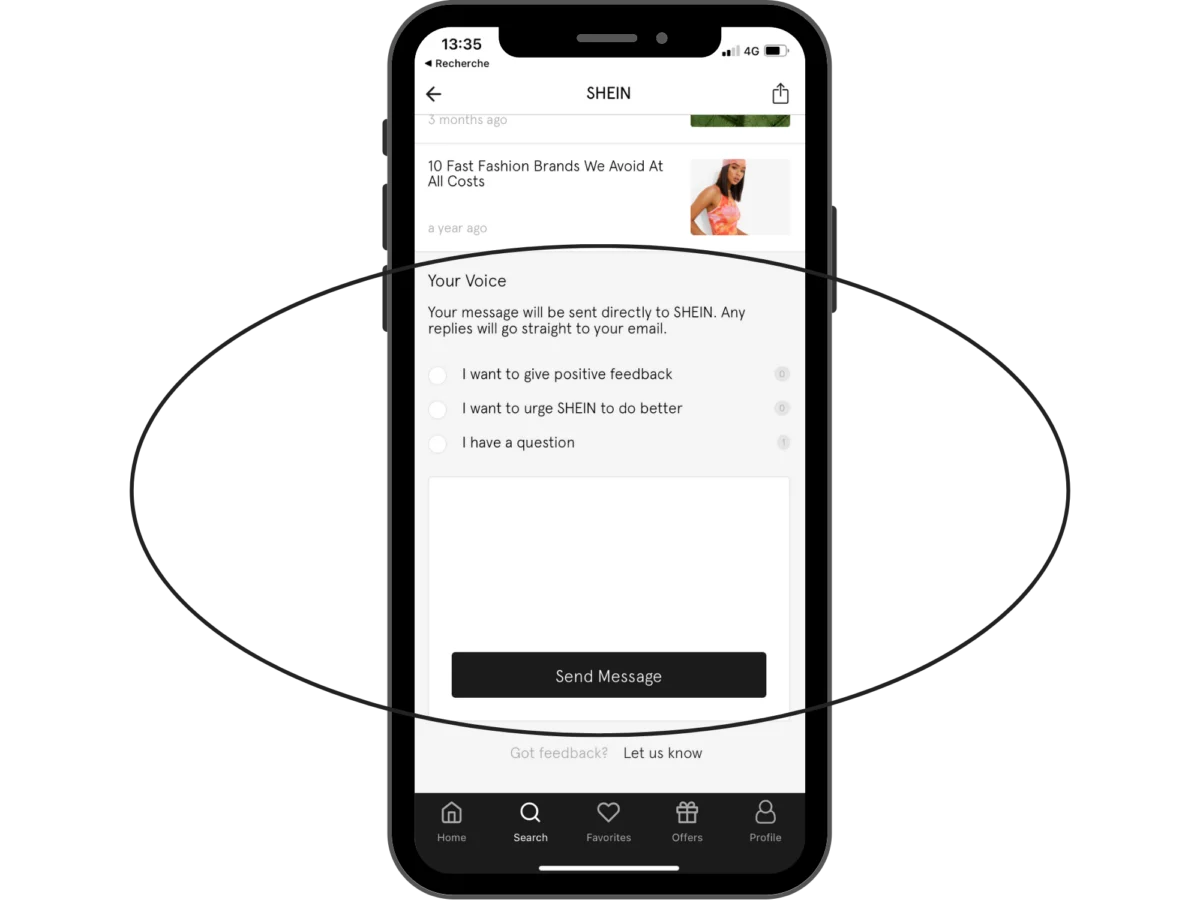
For a more direct and formal approach, Fashion Revolution provides a downloadable PDF template for writing to brands and asking #WhoMadeMyClothes?. This structured letter helps articulate concerns and demands for greater transparency and ethical practices. Additionally, platforms like the Good On You app offer a convenient way to send direct messages to brands, providing feedback, urging improvement, or offering positive reinforcement for brands demonstrating exemplary practices. The "Your Voice" section within each brand’s listing in the app facilitates this direct line of communication.
The Road Ahead: Sustaining the Momentum
Fashion Revolution Week 2026 underscores that the journey towards a truly ethical, sustainable, and regenerative fashion industry is ongoing and complex. The challenges of geopolitical crises, economic pressures, and entrenched industry practices are significant, yet the movement’s resolve remains unwavering. The strategic shift towards a more federated model indicates a mature understanding of the need for adaptability and local empowerment in a global struggle.
The long-term vision encompasses an industry where transparency is the norm, workers are paid living wages, environmental impact is minimized, and creativity flourishes responsibly. Achieving this requires a sustained, multi-pronged approach involving heightened consumer demand, robust corporate responsibility, and effective legislative frameworks. As the world continues to grapple with the consequences of climate change and social inequality, the principles championed by Fashion Revolution become increasingly vital. This week is not merely an annual event; it is a critical reminder that the fashion revolution is not a moment, but a continuous, collective effort to redefine the fabric of our future.