







In an era increasingly defined by conscious consumption, the timeless appeal of coordinated sets—ranging from classic suits to relaxed co-ords—is undergoing a significant resurgence, positioned not just as a style statement but as a cornerstone of a sustainable wardrobe. These versatile two-piece ensembles, designed for cohesive wear or individual styling, inherently embody principles of longevity and adaptability, making them prime candidates for investment in an ethical fashion landscape. The selection of brands highlighted here, all rigorously assessed and rated "Good" or "Great" by independent sustainability standards, underscores a broader industry shift towards responsible production and consumer empowerment.
The Case for Longevity: Why Suits and Co-ords Defy Fast Fashion
The fashion industry has long grappled with the environmental and social consequences of rapid production cycles and disposable clothing culture, commonly known as fast fashion. According to the Ellen MacArthur Foundation, the equivalent of one rubbish truck of textiles is landfilled or incinerated every second globally. This unsustainable model contributes significantly to greenhouse gas emissions, water pollution, and excessive waste. In stark contrast, suits and co-ords, by their very nature, represent a departure from this paradigm. Their classic designs and inherent versatility ensure they rarely fall out of style, promoting extended garment lifespans.
Investing in a well-made suit or co-ord set aligns perfectly with the burgeoning capsule wardrobe philosophy, which advocates for a curated collection of high-quality, interchangeable items. A blazer from a suit, for instance, can elevate a casual dress, while the trousers or skirt from a co-ord can be paired with myriad different tops. When worn together, these matching items effortlessly convey a sense of considered elegance and curated style, making them a practical and enduring choice for various occasions. This adaptability not only maximizes cost-per-wear but critically reduces the need for frequent new purchases, thereby lessening an individual’s fashion footprint. The durability of quality construction, a hallmark of many sustainably focused brands, further enhances their longevity, moving away from the "wear-once-discard" mentality.
A Historical Perspective on Coordinated Style
The concept of coordinated dressing has a rich and varied history, reflecting societal shifts and fashion evolutions. The modern suit, with its origins in 17th-century European menswear, solidified its status as a symbol of formality and professionalism by the 19th century. Its adaptation for women, particularly in the early 20th century, marked a significant milestone in challenging gender norms and empowering women in professional and public spheres. Icons like Coco Chanel popularized the women’s suit, transforming it into a symbol of chic sophistication and independence.
Co-ord sets, while perhaps less formally structured than traditional suits, share this heritage of intentional matching. From the glamorous matching skirt and jacket sets of the 1940s and 50s, through the vibrant leisurewear co-ords of the 1970s, to the sleek contemporary interpretations seen today, these ensembles have consistently offered an immediate sense of polish and cohesion. Their enduring presence in fashion lexicon across different eras underscores their fundamental appeal and stylistic resilience. This historical persistence reinforces the argument for their timelessness, making them a wise long-term addition to any discerning wardrobe, especially when selected from ethically minded producers.
Navigating Sustainable Choices: The Good On You Framework
For consumers committed to making responsible purchasing decisions, identifying truly sustainable brands can be a complex challenge amidst widespread greenwashing. This is where independent rating systems play a crucial role. Good On You, for instance, employs a comprehensive and rigorous methodology to assess fashion brands’ impact across three key pillars: people, planet, and animals. Brands are evaluated on criteria ranging from labor conditions, fair wages, and supply chain transparency (people) to resource use, waste management, chemical usage, and carbon emissions (planet), and finally, animal welfare policies and material choices (animals).
A brand rated "Good" or "Great" signifies a robust commitment to ethical practices beyond mere superficial claims. Such ratings indicate a transparent supply chain, use of eco-friendly materials like organic cotton, recycled polyester, or innovative bio-based fabrics, and a demonstrated effort to minimize environmental harm and ensure fair treatment of workers. For instance, a "Great" rating often means a brand is taking significant steps to address complex issues such as deforestation, water scarcity, or modern slavery within their operations. This framework empowers consumers by providing clear, fact-based insights, enabling them to confidently invest in pieces that not only look good but also align with their values. The editorial mission of platforms like Good On You, supported by commissions from purchases through their links, directly funds this vital investigative work, ensuring continued scrutiny and accountability within the fashion industry.
Prioritizing Pre-Loved: The Ultimate Sustainable Option
Before considering a new purchase, the most environmentally sound choice for acquiring suits and co-ords remains the second-hand market. This approach embodies the circular economy principle of maximizing the lifespan of existing garments, significantly reducing demand for new production and its associated environmental footprint. The benefits are manifold: from substantial cost savings—often acquiring high-quality, beautifully constructed pieces at a fraction of their original price—to the thrill of discovering unique, vintage finds that possess a distinct character.
Thrift shops, vintage boutiques, and online marketplaces are treasure troves for pre-loved suits and co-ords. These items, often made with superior craftsmanship and durable materials from past eras, can offer exceptional value. Moreover, extending the life of a garment by even nine months can reduce its carbon, water, and waste footprint by around 20-30%, according to figures from WRAP (Waste and Resources Action Programme). Sustainable fashion advocates, such as Orsola de Castro, co-founder of Fashion Revolution, consistently champion second-hand shopping as one of the most impactful actions consumers can take.
A common misconception is that finding the perfect fit in second-hand clothing is difficult. However, a visit to a local tailor can often transform a well-made, pre-loved garment into a perfectly fitting, bespoke-feeling piece. This small investment in alteration not only enhances wearability and confidence but further supports local economies and extends the garment’s life, making it a truly sustainable choice that pays dividends in style and conscience.
Curated for Conscience: A Selection of "Good" and "Great" Rated Brands
For those instances where a new purchase is necessary or desired, the market for sustainably produced suits and co-ords has expanded considerably. The following selection highlights brands that meet rigorous ethical and environmental standards, offering options that prioritize responsible materials, fair labor, and transparent supply chains. These brands represent a commitment to crafting pieces designed to last, aligning with the principles of investment dressing and conscious consumption.
Precision Tailoring and Made-to-Measure Excellence:
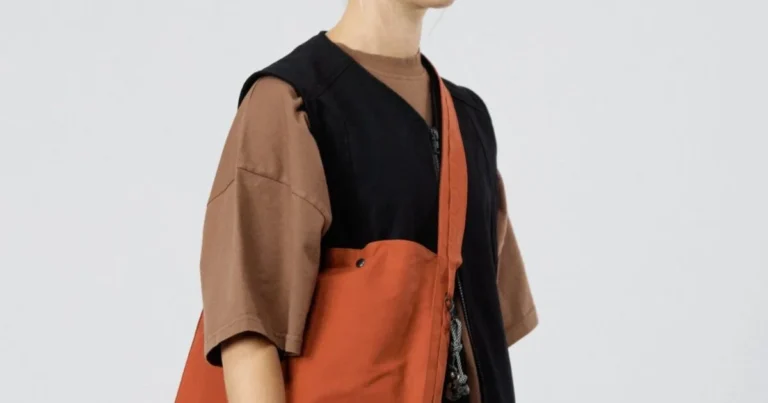
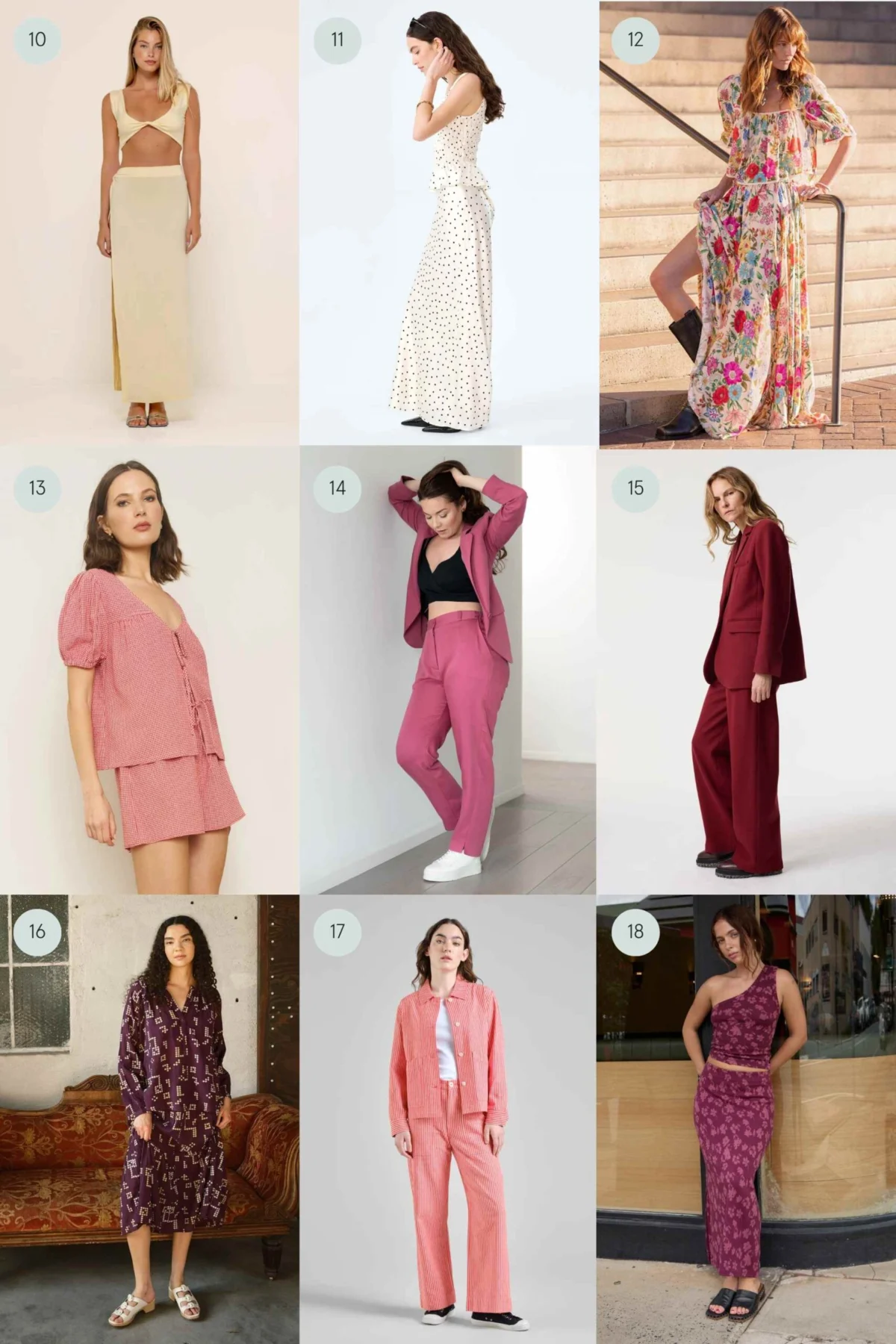
Brands focusing on made-to-measure or high-quality tailoring often minimize waste by producing only what is ordered and ensuring a lasting fit. Dressarte Paris, with its Made-to-Measure Blazer and Trousers, exemplifies this approach, offering custom-fit garments that reduce excess inventory and textile waste. Similarly, WILDA.ECO provides a Personalisable Blazer and Trousers, allowing for bespoke choices that ensure longevity and personal connection to the garment. Akyn also contributes to this category with its Noor Jacket and Perla Trousers, emphasizing durable design. For pieces that offer structured elegance, Facettes Studio presents a Cotton-Canvas Vest and Trousers, while 1 People offers a sophisticated Blazer and Shorts, both brands committed to responsible material sourcing and ethical production.
Effortless Chic: Co-ords for Everyday and Beyond:
Versatile and comfortable co-ords are perfect for transitioning between various settings, from casual outings to more elevated daily wear. ZEROBARRACENTO stands out with its Bemburg Blouse and Trousers, utilizing innovative, low-impact materials for a fluid silhouette. WE-AR4 offers a chic Blazer and Shorts, designed for contemporary styling with a sustainable edge. For warmer climates or relaxed aesthetics, The Summer House provides the Pomelo Tunic Set, and Coco & Kandy offers a Top and Skirt, both prioritizing natural fibers and ethical production. OMNES delivers a playful Polka Dot Top and Skirt, demonstrating that sustainable fashion can also be vibrant and fun, while Whimsy & Row presents a Birdie Gingham Top and Marissa Boxer Short, perfect for a relaxed yet stylish look using eco-friendly fabrics.
Denim Innovations with an Ethical Edge:
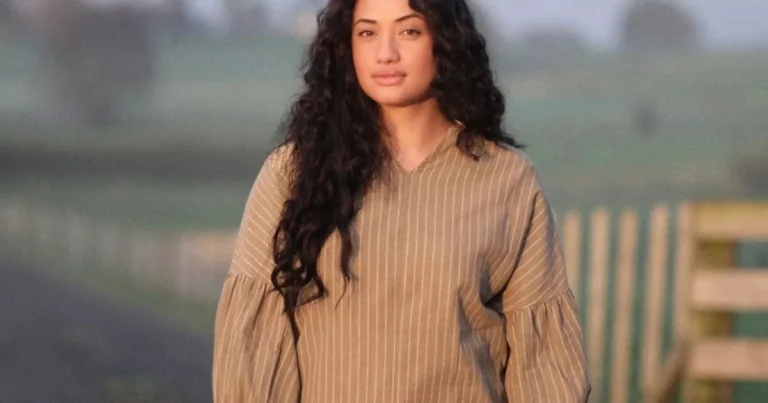
Denim, a wardrobe staple, can also be produced sustainably through practices like using recycled content, water-saving techniques, and organic cotton. E.L.V Denim (East London Vintage Denim) masterfully repurposes existing denim into new designs, as seen with their Contrast Denim Shirt and Jeans, minimizing waste and maximizing resource efficiency. Triarchy offers a Western Denim Jacket and Mini Skirt, focusing on denim that conserves water and avoids harmful chemicals in its production. Ace & Jig features the Daryl Blouse and Rara Flounce Skirt, known for their unique woven textiles and commitment to ethical craftsmanship. Dedicated also offers a Striped Jacket and Trousers, made with organic cotton and fair labor practices, demonstrating how classic workwear can be reimagined sustainably.
Bohemian Rhapsody and Convertible Creations:
For those who appreciate unique designs and adaptability, certain brands offer co-ords and versatile pieces that cater to a distinct aesthetic while maintaining ethical standards. Spell provides a bohemian-inspired Valley of the Dolls Blouse and Maxi Skirt, crafted with responsible materials and a focus on artisan techniques. Afends offers the Marin Top and Midi Skirt, often utilizing recycled or organic materials for their relaxed, surf-inspired wear. A truly innovative option is the SeamsFriendly Convertible Dress/Skirt/Top, which offers multiple styling possibilities from a single garment, maximizing utility and minimizing the need for multiple purchases, a testament to thoughtful, sustainable design.
The Broader Implications: Shaping a Sustainable Fashion Future
The increasing demand for sustainable co-ords and suits is more than a fleeting trend; it signifies a profound shift in consumer values and industry practices. By consciously choosing to invest in durable, versatile, and ethically produced garments, consumers are directly contributing to a more responsible fashion ecosystem. This collective action exerts pressure on the broader industry to adopt transparent supply chains, prioritize eco-friendly materials, and uphold fair labor standards.
The growth of platforms that rate and recommend sustainable brands, coupled with the rising popularity of the second-hand market, indicates a promising trajectory towards a circular fashion economy. Innovations in material science, such as Bemberg mentioned by ZEROBARRACENTO, and regenerative agricultural practices for natural fibers, continue to push the boundaries of what is possible in sustainable production. Furthermore, supporting local tailoring and repair services strengthens community economies and further extends the life cycle of clothing.
Ultimately, the enduring appeal of co-ords and suits, when viewed through a sustainable lens, represents an opportunity for consumers to make impactful choices. It’s about investing in pieces that offer timeless style, versatility, and durability, all while contributing positively to the planet and its people. This thoughtful approach to dressing is not just about fashion; it’s about fostering a more ethical, resilient, and beautiful future for all.
Editor’s Note
Feature image via Akyn, all other images via brands mentioned. Good On You publishes the world’s most comprehensive ratings of fashion brands’ impact on people, the planet, and animals. Use our directory to search thousands of rated brands.
We updated this article on 9 April 2026. Our editors frequently make updates to articles to ensure they’re up to date. We refreshed our selection of websites and brands to ensure they’re timely, and to reflect recent ratings.