











The Summer Solstice, an ancient festival marking the longest day and shortest night of the year, continues to captivate humanity, drawing thousands to sacred sites like Stonehenge. This celestial event, often referred to as Midsummer, is deeply rooted in pagan traditions, symbolizing the zenith of the solar God’s power – a period of immense joy and vitality. Yet, it also carries a poignant undertone, acknowledging the inevitable shift towards shorter days and the cyclical nature of life, where all things, even the seemingly eternal sun of late June, must eventually wane. Originally explored on June 19, 2024, this article delves into the profound historical and cultural significance of the Summer Solstice, examining traditional rituals and their contemporary interpretations, with a particular focus on the iconic celebrations at Stonehenge.
The Astronomical Phenomenon and Its Ancient Reverence
Astronomically, the Summer Solstice occurs when one of Earth’s poles has its maximum tilt toward the Sun, making the Sun appear at its highest point in the sky. For the Northern Hemisphere, this typically falls between June 20th and 22nd. This precise alignment results in the longest period of daylight, a moment of profound significance for ancient civilizations whose survival depended on understanding and predicting seasonal changes. Agriculture, hunting, and community life were intricately tied to the sun’s cycles, making the solstice a crucial marker in their calendar.
Across diverse cultures, the sun was revered as a life-giving force, often personified as a deity. Festivals at this time were celebrations of fertility, abundance, and the triumph of light over darkness. The precise alignments found in ancient monuments worldwide, from the pyramids of Egypt to the Mayan temples, attest to humanity’s enduring fascination with and sophisticated understanding of the cosmos. Stonehenge, in particular, stands as a monumental testament to this ancient connection, meticulously engineered to align with the rising sun on the Summer Solstice.
Stonehenge: A Neolithic Temple to the Sun
Stonehenge, located on Salisbury Plain in Wiltshire, England, is arguably the most famous prehistoric monument globally associated with the Summer Solstice. Constructed in several phases between 3000 BC and 1500 BC, this megalithic structure represents an extraordinary feat of ancient engineering and astronomical observation. Its primary axis points directly to the sunrise on the Summer Solstice, where the sun appears to rise over the Heel Stone when viewed from the center of the monument. This alignment is not coincidental but a deliberate design choice, suggesting its use as an ancient calendar, a ritualistic gathering place, or possibly a temple dedicated to the sun.
Archaeological investigations at Stonehenge have revealed evidence of large-scale gatherings during both summer and winter solstices, including animal bones indicating feasting and ceremonial activities. The landscape around Stonehenge, including nearby Woodhenge and Durrington Walls, further suggests a complex ritual landscape where seasonal cycles were central to the spiritual and social lives of Neolithic and Bronze Age communities. For ancient Druids, often romanticized as the spiritual leaders of the Celts, Stonehenge would have been a profoundly sacred site, though the precise nature of their rituals within the stones remains a subject of academic debate and historical speculation.
Traditional Rituals and Modern Interpretations
The original news article highlighted several powerful ways to mark the solstice, rooted in pagan and folk traditions. These practices, while evolving over millennia, continue to resonate with those seeking a deeper connection to natural cycles.
1. Ritual Burning and Funerary Fires:
Historically, fire played a central role in Midsummer celebrations, symbolizing purification, renewal, and the powerful energy of the sun. The Celts, for instance, were believed to have two solar deities, one for summer and one for winter, locked in an eternal battle. Midsummer’s Eve, therefore, marked the symbolic "defeat and death" of the summer sun, preparing for its eventual rebirth.
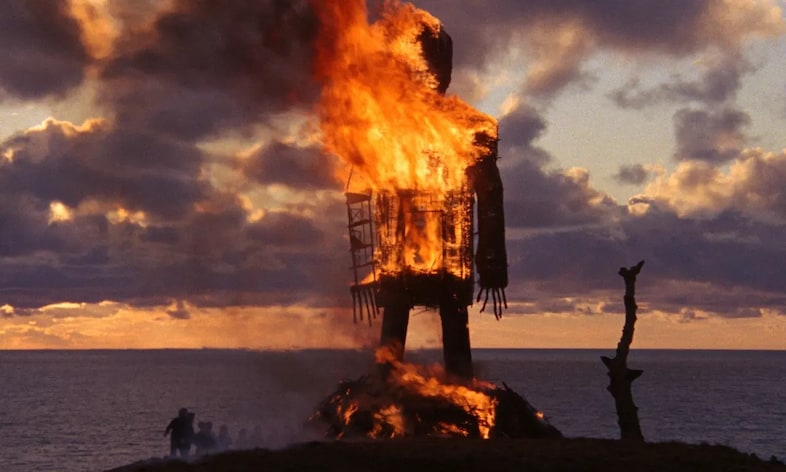
Ancient Druidic practices, as controversially depicted by Roman commentators like Julius Caesar, allegedly involved ritual burning, sometimes with human and animal sacrifices encased in wicker or hay effigies. While such dramatic portrayals in films like Robin Hardy’s The Wicker Man (1973) and Ari Aster’s Midsommar (2019) are fictionalized and highly sensationalized, they tap into the primal power associated with these fires. Modern scholarly consensus leans away from widespread human sacrifice by Druids, suggesting Caesar’s accounts might have been propaganda.
Today, ritual burning has transformed into a symbolic act. Participants light fires – safely and legally – and offer items that no longer serve them, such as written worries, old photographs, or dried flowers, into the flames. This act signifies letting go, cleansing, and making space for new growth. Medieval witches, too, recognized the power of Midsummer fires, often burning oak in hearths and preserving the ashes for a year for subsequent ritual use, or returning them to the earth to enrich it. This practice emphasizes the cyclical nature of energy and the interconnectedness of all things.
2. Visiting Holy Wells or Rivers:
Water, like fire, holds immense symbolic power in ancient traditions. Holy wells and rivers were considered sacred portals, often associated with healing, divination, and the divine feminine. Pilgrimages to these sites on Midsummer were common, with people seeking cures, guidance, and offering coins or flowers to resident deities. Roman customs saw villagers flocking to the River Tiber, adorned with garlands and partaking in consecrated wine, to visit the temples of Fortuna on Midsummer’s Eve.
In pagan cosmology, wells and rivers represent the "womb of the goddess," a liminal space where life and death intertwine, mirroring the Midsummer sun’s own paradox of peak power alongside the impending decline of light. Modern celebrants often seek out local holy wells or natural springs, making offerings and engaging in reflective practices. The intention is to sacrifice something – a worry, a desire, a negative habit – to receive blessings and guidance from these ancient, maternal forces of nature. Locating and respectfully engaging with such sites offers a tangible link to ancestral practices.
3. Crafting Flower Crowns:
Floral decorations are a hallmark of Midsummer festivities, adorning trees, ceremonial poles, and people. Unlike Beltane, which also features floral adornment but commemorates the meeting of the Sun God and Goddess, Midsummer’s floral decorations symbolize the "impregnation of the Goddess," representing fertility and the peak of natural abundance. Flowers, gathered fresh, are woven into intricate wreaths and garlands, often later cast into holy wells as offerings.
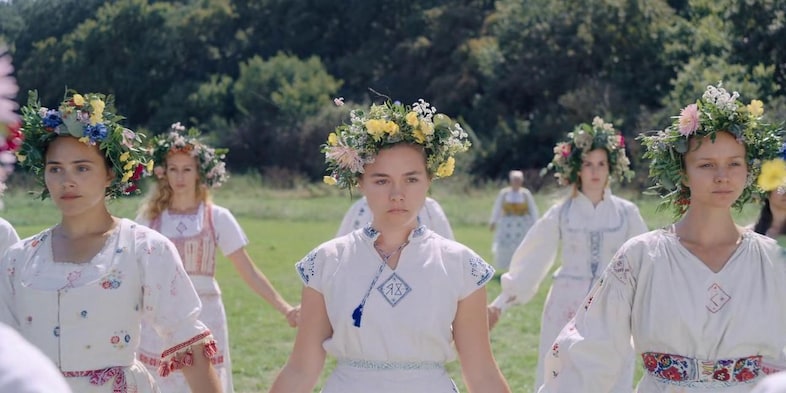
Celtic folklore suggests that on Midsummer’s Eve, flowers possess enhanced vibrancy and magical properties. Specific herbs are traditionally incorporated into crowns, each carrying its own lore:
- Lavender: For peace, healing, and love.
- Mugwort: For protection, divination, and dreams.
- Rose: For love, beauty, and passion.
- Chamomile: For relaxation, purification, and good luck.
- St. John’s Wort: For protection against evil, healing, and sun magic.
- Mullein: For protection and courage.
- Yarrow: For healing, divination, and courage.
- Sunflowers: Embodying the sun’s energy, for joy and vitality.
Crafting and wearing these crowns is a joyous, creative act that connects individuals to the earth’s bounty and the celebratory spirit of the season, invoking the "solstice’s floral wizardry."
4. Venus Rites: Weddings & Confessions of Love:
Midsummer, with its radiant sun and vibrant energy, is intrinsically linked to Venusian rites – celebrations of love, beauty, and passion. It is no coincidence that June, named after Juno, the Roman goddess of women and marriage, remains a favored month for weddings. Folk traditions speak of lovers confessing their affections months before Midsummer’s Eve, then planting flowers to symbolize their growing bond. In some European countries, dancing in a circle around these planted flowers would sanctify the union.
Across cultures, unique customs mark love during the solstice. In Sicily, lovers become "sweethearts of St. John," celebrating Midsummer by cutting their hair, tying it with ribbon, and gifting it to their beloved. Passing a stick through a fire three times was believed to bless their love. Modern interpretations of these Venusian rites might involve renewing vows, expressing heartfelt confessions, or performing symbolic acts of devotion, such as dancing around potted plants or safely passing small branches of oak through a flame to invoke blessings upon relationships.
5. Love Divination:
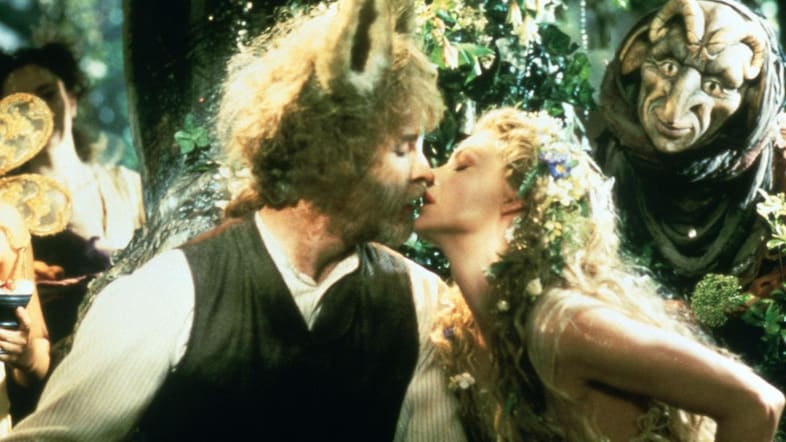
Midsummer’s Eve is traditionally considered one of the most potent nights for love divination, when the veil between worlds thins, making prophecies more accessible. Old grimoires, collections of magical texts, detail various spells to reveal future lovers or the fate of current relationships.
One such ritual suggests walking seven times clockwise around a church at midnight on Midsummer’s Eve, scattering hempseed, and chanting: "Hempseed I sow, let the one that is my true love let me know." An ancient Roman spell involved taking a seed from an eaten apple, naming it after a beloved, and flicking it at the ceiling. If it stuck, the love was reciprocated; if it fell, the love would not endure. English lore speaks of gathering yarrow from a young man’s grave on Midsummer’s Eve and placing it under a pillow to induce visions of a future spouse. While these practices are rooted in folklore, they highlight the human desire to understand and influence matters of the heart, particularly during a time believed to be magically charged.
6. Communing with the Fae:
Folklore designates Midsummer’s Eve as one of the "three great fairy festivals," alongside Halloween (Samhain) and Beltane, when the fae – fairies, sprites, and whimsical woodland creatures – are said to be most visible and active. This is a time when these magical beings dance through forests, carrying out errands for their queen, and are thought to be more inclined to interact with the human world.
Traditions surrounding the fae often involve respect and caution. Leaving food offerings for the "fairy folk" is common, but disturbing their "fairy rings" (circles of mushrooms or bare earth) is strongly advised against. Irish legend recounts a farmer who built a barn on a fairy ring, leading to a devastating fire that destroyed his livestock – a cautionary tale about respecting unseen forces. For those brave enough to seek a glimpse of the fae, Celtic legends suggest running around a fairy ring nine times in the direction of the sun to see them dancing while remaining protected. A 20th-century Northumberland tradition adds that this must be done under a full moon, and that circling a tenth time is perilous. Another superstition advises wearing a hat backward to confuse the fae and ward off any mischievous attacks. These stories, whether believed literally or symbolically, enrich the magical tapestry of Midsummer.
Stonehenge Solstice: A Modern Pilgrimage
Today, the Summer Solstice celebration at Stonehenge is a major public event, managed by English Heritage, the charitable organization that oversees the monument. Thousands of people, from modern pagans and Druids to curious tourists and spiritual seekers, gather annually to witness the sunrise. This modern pilgrimage embodies a remarkable blend of ancient spiritual reverence and contemporary cultural expression.
English Heritage facilitates managed open access to the stone circle, a privilege usually restricted. This approach acknowledges the monument’s enduring spiritual significance while balancing it with the critical need for preservation. The event is carefully coordinated with local authorities, police, and environmental groups to ensure public safety, manage traffic, and minimize environmental impact. No amplified music or commercial activities are permitted within the stone circle, maintaining a focus on the natural experience and spiritual atmosphere.
The atmosphere at Stonehenge during the solstice is often described as unique – a sense of communal joy, shared wonder, and deep connection to history and the natural world. Attendees often wear traditional garb, play acoustic music, meditate, or simply stand in quiet contemplation as the sun crests the horizon, casting long shadows through the ancient stones. It’s a powerful affirmation of the enduring human need to mark time, celebrate natural cycles, and connect with places imbued with deep historical and spiritual meaning.
Broader Implications and Contemporary Relevance
The sustained popularity of Summer Solstice celebrations, particularly at Stonehenge, reflects a broader societal trend towards seeking meaning in nature-based spiritualities and ancient traditions. In an increasingly digital and urbanized world, these events offer a tangible link to ancestral practices and a slower, more cyclical understanding of time.
The gatherings foster a sense of community and shared purpose among diverse groups, from lifelong pagans to those simply curious about the past. They also highlight issues of cultural preservation, as organizations like English Heritage strive to protect ancient sites while making them accessible for contemporary spiritual practices. The environmental impact of large crowds at sensitive sites remains a challenge, prompting ongoing discussions about sustainable tourism and respectful engagement with heritage.
Ultimately, the Summer Solstice, whether celebrated with grand rituals at Stonehenge or with quiet reflection in a personal garden, remains a timeless reminder of the Earth’s rhythms and the sun’s vital energy. It is a moment for humanity to pause, celebrate the abundance of light, acknowledge the impermanence of all things, and reconnect with the profound wisdom embedded in the turning of the seasons. It serves as a collective reflection on life’s cycles, offering both joyous celebration and poignant contemplation, year after year.