






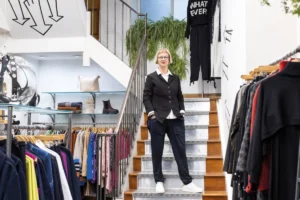



The rise of the "athleisure" market has fundamentally altered the landscape of modern retail, bridging the gap between high-performance gym wear and professional, everyday attire. At the forefront of this evolution is Sisterly Tribe, a Stockholm-based label founded in 2021 by Kristin Hars. With a vision to create garments that function as seamlessly in a Pilates studio as they do in a corporate office or a casual weekend setting, Hars has successfully transitioned the brand from a niche Nordic startup to an international player with presence in major luxury retail hubs.
The brand’s aesthetic is rooted in a distinctly Scandinavian approach to design: minimalism, functionality, and a ballet-inspired grace. By integrating technical activewear with soft, natural fibers, Sisterly Tribe has carved out a unique space in a saturated market. The company’s growth trajectory—from its base in Gothenburg to partnerships with giants like Selfridges and Nordstrom—serves as a case study in how agile, design-led businesses can navigate the complexities of international scaling and ethical production in the post-pandemic fashion economy.
A Chronology of Strategic Growth
Since its inception in 2021, Sisterly Tribe has adhered to a measured, deliberate growth strategy. The brand’s initial rollout focused on establishing a direct-to-consumer (DTC) foundation, leveraging digital platforms to reach a global audience. This digital-first approach allowed Hars and her five-member team to gather precise consumer data regarding fit, fabric preference, and regional demand before committing to physical retail partnerships.
By 2022, the brand began to refine its product mix, shifting away from purely performance-based gear to include lifestyle essentials such as merino wool cardigans and tailored balloon pants. This diversification was a strategic pivot intended to extend the brand’s utility beyond the gym. In 2023, the brand achieved significant milestones in wholesale distribution, securing shelf space in iconic Selfridges locations across London and Manchester, as well as establishing a foothold in the Middle Eastern luxury market through the Ounass e-commerce platform.
The current year marks a critical juncture for the brand, as it targets the North American market. A burgeoning wholesale partnership with Nordstrom signifies a maturation phase for the business, suggesting that the brand’s "studio-to-street" philosophy resonates with the high-end American consumer base. Hars notes that the transition from a purely online entity to a recognized presence in global department stores has necessitated a rigorous overhaul of supply chain management and logistics.
Ethical Manufacturing and Sustainable Material Innovation
In an era where consumers demand transparency regarding supply chain ethics, Sisterly Tribe has placed sustainability at the core of its business model. The brand’s production is bifurcated between China and Portugal, with all partners strictly adhering to a comprehensive Code of Conduct. This document outlines mandatory benchmarks for fair wages, safe working conditions, and environmental stewardship, reflecting a growing industry standard for brands aiming to avoid the "fast fashion" stigma.
Material innovation serves as a key differentiator for the brand. Its signature "SoftSculpt" fabric, a proprietary blend of recycled polyester and spandex, was developed through direct collaboration with textile suppliers. Unlike brands that rely on off-the-shelf, pre-produced fabrics, Sisterly Tribe invested in custom specifications to achieve a precise balance of compression, breathability, and tactile softness.
Furthermore, the brand’s expansion into non-activewear pieces—such as its use of Lenzing Modal and organic cotton—demonstrates a commitment to reducing the environmental footprint of its apparel. By focusing on "considered quantities," the brand aims to mitigate the industry-wide problem of overproduction, which currently sees millions of tons of unsold inventory discarded annually. The use of regenerative cellulose fibers and organic cotton indicates a shift toward a more circular production philosophy, an essential move for any brand seeking long-term viability in the European and North American markets.
The Economics of the "Studio-to-Street" Market
The activewear sector is currently valued at billions of dollars globally, with analysts predicting steady compound annual growth rates through 2030. The success of Sisterly Tribe reflects a broader consumer preference for versatility. As hybrid work arrangements become the norm, the demand for clothing that can transition across the "four pillars" of modern life—work, wellness, social, and rest—has increased.
Sisterly Tribe’s pricing strategy positions it in the premium, or "bridge," market segment. With items ranging from £52 for entry-level shorts to £218 for luxury knitwear, the brand targets a demographic that is increasingly willing to pay a premium for durability and design-led sustainability. By maintaining a lean team of five in Gothenburg, the brand has kept overheads lower than traditional legacy labels, allowing for higher reinvestment into product development and international logistics.
Challenges and Operational Realities
Building a global brand from a small, centralized team presents significant operational hurdles. Hars has identified the management of cash flow, the mitigation of production delays, and the scaling of sustainable supply chains as the primary challenges faced during the company’s formative years. The volatility of international shipping and the rising cost of raw materials have forced the brand to be highly selective about its expansion initiatives.
The experience of Sisterly Tribe mirrors the struggles of many independent labels: the necessity of choosing between rapid, capital-intensive expansion and sustainable, organic growth. Hars’s decision to prioritize partnerships with established retailers like Nordstrom and Selfridges indicates a strategy of "controlled prestige"—associating the brand with high-traffic, luxury-adjacent environments while maintaining control over the product narrative.
Future Outlook and Strategic Vision
Looking ahead, the brand’s roadmap includes the establishment of physical "brand experience" spaces. These sites are intended to be more than retail outlets; they are designed as community hubs in major metropolitan centers such as New York, Los Angeles, and London. This move aligns with current retail trends that suggest physical stores are increasingly becoming showrooms for brand storytelling rather than mere points of transaction.
The development of "The Reset" collection serves as the latest indicator of the brand’s evolution. By expanding into zip jackets, trousers, and sophisticated knitwear, Sisterly Tribe is signaling its intention to shed the "activewear" label in favor of a more holistic "lifestyle" brand identity. This shift is essential for customer retention; as the initial novelty of the fitness apparel wears off, the brand must ensure that its core aesthetic remains relevant to the consumer’s daily wardrobe.
Industry Implications and Conclusion
The trajectory of Sisterly Tribe offers a compelling narrative for the future of independent fashion. In a global retail climate dominated by conglomerates, the ability of a small, Swedish-based team to successfully penetrate the US and UK markets highlights the power of a distinct, cohesive brand identity. By prioritizing ethical production, material innovation, and a versatile product range, the brand has managed to cultivate a loyal customer base that values substance as much as style.
However, the road ahead remains complex. To sustain its momentum, Sisterly Tribe must navigate the tightening of global consumer spending and the rising expectations for carbon-neutral operations. The company’s reliance on international production partners necessitates constant vigilance to maintain its ethical standards.
Ultimately, the brand’s success will hinge on its ability to scale its operations without compromising the intimate, design-focused ethos that defined its launch. As it looks toward the next phase of its growth, Sisterly Tribe serves as a reminder that the most successful fashion labels of the next decade will likely be those that treat sustainability not as a marketing trend, but as an operational imperative. Through its blend of Nordic minimalism and global ambition, the brand is well-positioned to continue its influence, proving that even a small team, when guided by clear instincts and a focus on quality, can leave a significant mark on the international fashion stage.