










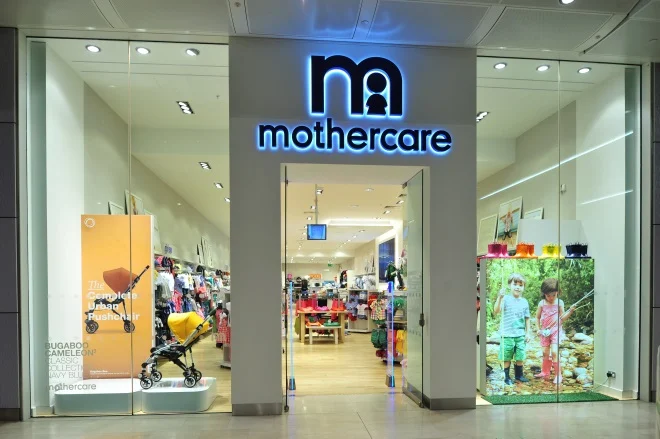
The retail landscape for Mothercare faces a period of acute instability following an official announcement that its primary franchise partner in the Middle East intends to shutter the majority of its franchised stores by 2027. This development represents a significant structural disruption for the British baby and childrenswear specialist, which has relied heavily on international franchising to maintain its global footprint following its departure from the UK high street. The news, disclosed to the market on 17 September, has triggered an urgent strategic review of the company’s business model and operational cost base as it grapples with a narrowing pathway to profitability.
The Anatomy of the Strategic Shift
The notification received by Mothercare management indicates that the Middle East partner, which operates a vast network of stores across several key territories, is conducting a comprehensive evaluation of its portfolio. This review is explicitly linked to the "ongoing situation" in a number of the partner’s franchise regions—a phrasing that underscores the geopolitical and economic volatility currently affecting the Middle East market.
While the exact number of stores slated for closure remains subject to the final outcome of the partner’s internal review, the implications for Mothercare are unequivocal. The company has formally warned investors that it anticipates a "material reduction" in its order book for the 2028 financial year. Because Mothercare operates as an asset-light brand-licensing entity, the loss of these franchise agreements translates directly into a contraction of revenue streams, reduced profitability, and a compromised cash flow position. For a company that has already faced intense scrutiny regarding its financial viability, this represents a major setback in its efforts to achieve a sustainable turnaround.
A Chronology of Declining Fortunes
To understand the gravity of the current announcement, one must look at the timeline of Mothercare’s recent financial trajectory. The brand, once a staple of the British retail sector, transformed its operations after closing all its UK stores in 2020. Since then, it has functioned primarily as a global brand management company, generating income through royalties from its international franchise partners.
- 2020: Mothercare exits the UK retail market, pivoting entirely to an international franchise model to mitigate domestic debt.
- March 2026: The company reports a sharp deterioration in its financial health. Revenues for the year ending 28 March 2026 plummeted by 42% to £22.4 million.
- 2026 (Mid-Year): The business transitions from a pre-tax profit of £11.9 million in the previous year to a pre-tax loss of £4.3 million.
- August 2026: Mothercare issues a formal trading warning, citing macroeconomic pressures and shifting consumer behaviors in its core international markets.
- September 2026: The Middle East franchise partner notifies the board of its intention to initiate mass store closures by 2027.
This succession of events paints a picture of a business model that is increasingly vulnerable to the fluctuations of its overseas partners. When the franchise revenue—the lifeblood of the company—is compromised by regional instability, Mothercare’s ability to sustain its headquarters, corporate overheads, and debt servicing becomes significantly hampered.
Financial Context and Market Data
The severity of the impact is underscored by the company’s most recent annual results. With revenue falling to £22.4 million, the loss of a major regional franchise agreement is not merely a logistical inconvenience; it is an existential threat. Historically, the Middle East has been one of Mothercare’s most lucrative markets, acting as a reliable engine for royalty income. The loss of these stores removes a significant pillar of the company’s earnings per share.
Market analysts observe that Mothercare’s balance sheet is currently under extreme pressure. While the company stated that it has "sufficient resources to trade for a number of months," the term "a number of months" is typically viewed with caution by the financial community. It suggests a limited window of opportunity for management to either find new partners, restructure its existing debt, or identify significant cost-cutting measures that do not further erode the brand’s value. The cost base, which has already been trimmed repeatedly since 2020, may now require more radical surgery, potentially including headcount reductions or the sale of intangible assets.
Official Responses and Leadership Outlook
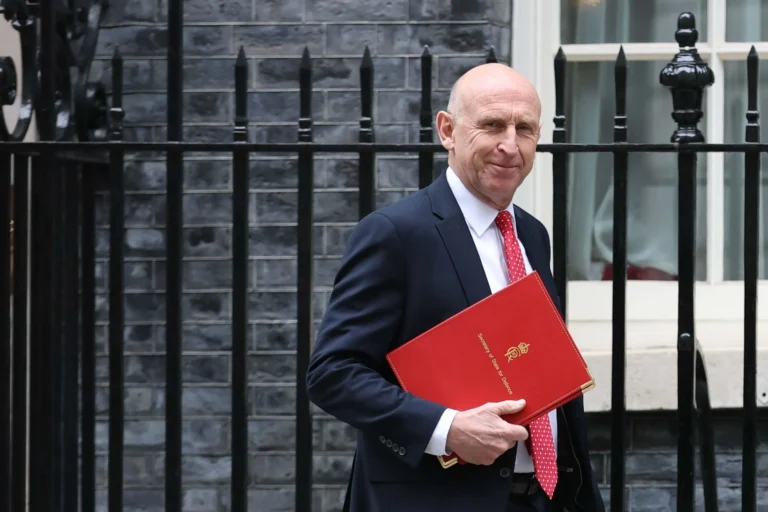
Clive Whiley, the chairman of Mothercare, issued a measured but somber statement following the news. Acknowledging the "resilient" nature of the company’s performance until recently, Whiley characterized the partner’s decision as a "heavy blow" to both the business and its stakeholders.
"We will continue to pursue discussions to restore critical mass and value for stakeholders, against this more difficult backdrop," Whiley noted. His emphasis on "critical mass" suggests that the company is acutely aware that its current scale may no longer be sufficient to support the corporate infrastructure required to manage a global brand.
Investors and stakeholders, including institutional shareholders and creditors, are expected to watch the "strategic review" process closely. The company’s pledge to commence an immediate review of its business model suggests that all options are likely on the table, including the potential for a formal sale, merger, or a more drastic pivot in the brand’s licensing strategy.
Broader Implications for the Retail Sector
The Mothercare situation serves as a cautionary case study for companies that rely heavily on the international franchise model to provide stability during periods of domestic retail upheaval. While franchising allows a brand to expand rapidly without the capital expenditure of owning real estate, it shifts the operational risk onto third parties. When those third parties encounter difficulties—be they economic, social, or political—the franchisor has little control over the outcome, yet absorbs the full financial impact.
Furthermore, the "ongoing situation" in the Middle East, as cited by the partner, highlights how global retail brands are increasingly susceptible to regional geopolitical tensions. Companies operating in these areas must navigate not only consumer demand and supply chain logistics but also the complex geopolitical landscape that can cause partners to suddenly withdraw capital or shutter operations.
Strategic Outlook: What Happens Next?
The months ahead will be critical for Mothercare. The "strategic review" mentioned by the board is essentially a race against time. To survive the 2027 closures, Mothercare must achieve three primary objectives:
- Revenue Diversification: The company must identify and secure new franchise agreements in other, more stable regions to offset the anticipated losses from the Middle East. This is a difficult task in the current climate, where high-street retail is struggling globally.
- Cost Base Optimization: The company has already indicated it is looking at its cost base. Investors will be looking for concrete plans—not just promises—regarding how the company will operate at a smaller scale without losing the brand equity that allows it to charge royalties in the first place.
- Debt Management: Given the shift from profit to loss, the company’s ability to manage its existing debt obligations will be the most significant indicator of its survival. Any sign of liquidity tightening will likely lead to calls for further emergency financing or a debt-for-equity swap.
The situation is fluid, and the lack of detail regarding the specific number of stores to be closed leaves significant room for concern. If the closures are total, the impact could be terminal. If they are partial, there may be a path to a "right-sized" business that can operate with lower overheads.
For the employees at the UK head office, the coming months represent a period of high uncertainty. For the shareholders, the value of their investment is now inextricably tied to the success of the upcoming strategic review. As Mothercare enters this new chapter of its long history, the primary question remains: can a brand that has survived multiple reinventions find a way to thrive in a world where the stability of its international partners is no longer guaranteed? The answer will likely be determined by the speed and decisiveness of the management team’s response to the challenges of the next few months.