







The intersection of artificial intelligence and high fashion has reached a significant milestone with the official launch of Alta, a next-generation personal styling and shopping platform designed to bring the iconic digital wardrobe from the 1995 film Clueless into the modern era. Founded by 28-year-old Harvard engineering graduate Jenny Wang, Alta has successfully closed an $11 million seed funding round led by Menlo Ventures. The substantial capital injection underscores growing investor confidence in consumer-facing generative artificial intelligence applications that extend beyond enterprise software and productivity tools.
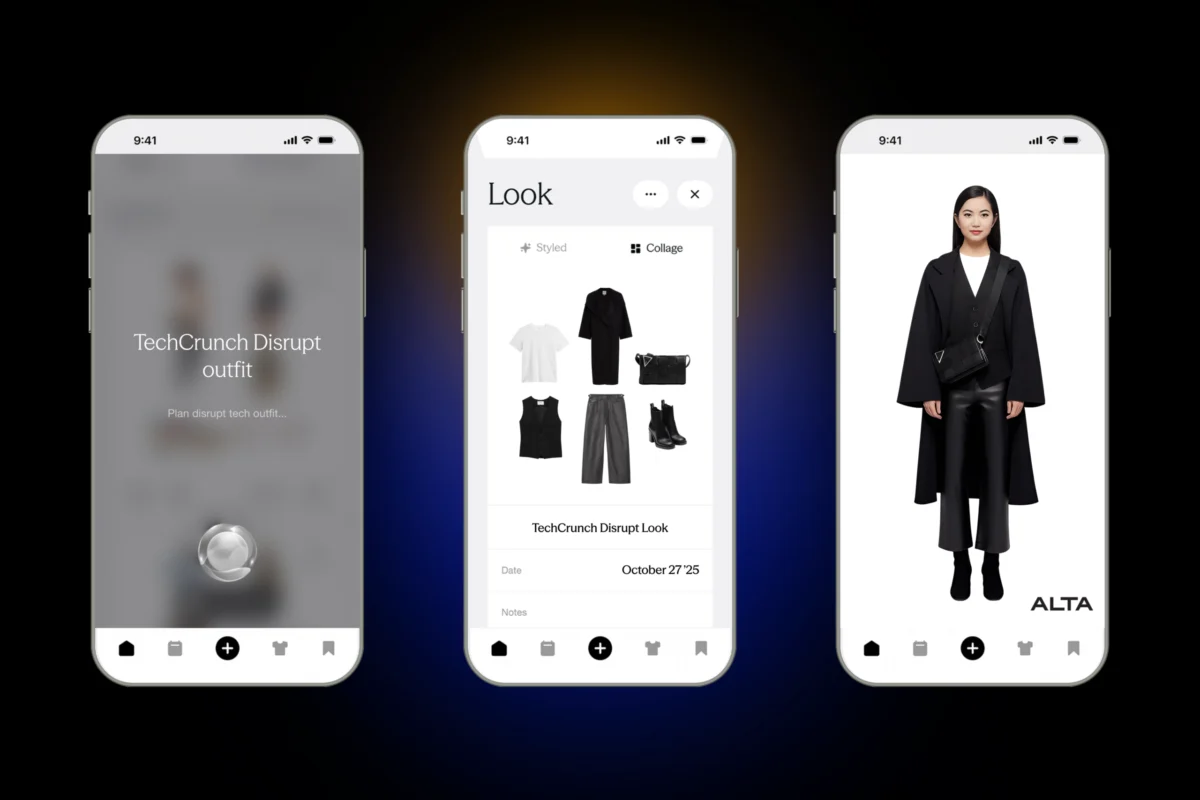
Alta operates as an intelligent personal styling agent that evaluates user inputs—including personal budgets, daily lifestyle requirements, weather forecasts, and digital calendar schedules—to curate bespoke outfit recommendations. The platform features a sophisticated virtual avatar system that allows users to visualize looks before making purchasing decisions or selecting items from their existing wardrobe. By bridging the gap between closet management and e-commerce, Alta addresses long-standing inefficiencies in consumer retail and personal styling.
Chronology and Evolution of AI Styling Technology
The path toward a functional, AI-driven personal stylist has been marked by technological maturation over the past decade. Wang spent years conceptualizing a centralized digital wardrobe assistant, but early iterations of artificial intelligence lacked the contextual reasoning and visual rendering capabilities required to execute the vision effectively.
As machine learning models advanced significantly in recent years, Wang recognized that the underlying technical architecture had finally caught up with consumer demand. Months prior to securing its seed funding round, Alta was quietly established in San Francisco before relocating its operational headquarters to New York City. The strategic move placed the startup closer to major European fashion capitals and pivotal industry partnerships.
In a short operational window, Alta has transitioned from a conceptual prototype to an enterprise-backed platform. The company recently formed a strategic partnership with the Council of Fashion Designers of America (CFDA), granting its exclusive membership base access to the styling technology. Furthermore, Alta has initiated collaborative efforts with organizational expert Marie Kondo to facilitate expansion throughout Oceania and the Pacific, while laying the groundwork for global retail integrations.
Backing by Industry Heavyweights and Elite Investors
Alta’s $11 million seed round stands out not only for its financial scale but also for the caliber of institutional and strategic investors involved. Menlo Ventures spearheaded the financing, joined by an elite consortium of venture capital funds and high-profile angel investors representing technology, fashion, and cultural influence.
Among the notable backers is Algaé Ventures, an investment firm supported by the Arnault family, the owners of luxury conglomerate LVMH. The participation of luxury fashion capital signals traditional retail’s increasing receptiveness to technological disruption. Additional institutional backing came from Benchstrength, Phenomenal Ventures—founded by Meena Harris—and Anthology Fund, the venture capital arm of AI safety and research company Anthropic.
The capitalization table is further strengthened by a diverse roster of angel investors. These include DoorDash co-founder and CEO Tony Xu, Poshmark co-founder and CEO Manish Chandra, Rent the Runway co-founder Jenny Fleiss, supermodels Karlie Kloss and Jasmine Tookes, and tech influencer Zita d’Hautville.
Crucially, the platform’s technical accuracy and aesthetic credibility were shaped by high-profile domain experts. Meredith Koop, the personal stylist to former First Lady Michelle Obama, actively assisted in training Alta’s foundational artificial intelligence models. This direct collaboration between software engineers and seasoned fashion professionals addresses a historical weakness of tech-first apparel applications: a lack of genuine stylistic nuance.
Product Mechanics and User Experience
Alta’s user experience is structured around seamless integration with an individual’s daily routine. To populate the digital closet, users can upload photographs of physical garments, automatically import digital purchase receipts, or select items directly from Alta’s extensive proprietary database.
Once the inventory is established, users can query the platform for specific occasions—such as preparing for a technology conference or a formal gala. The artificial intelligence evaluates environmental variables and schedule parameters to generate tailored lookbooks. Users can then mix and match existing garments with prospective purchases, visualizing complete outfits on a personalized virtual avatar.
This approach differentiates Alta from earlier digital closet applications like Whering and Cladwell, as well as broader experimental features offered by established entities like Google Shopping and Pinterest. According to Wang, existing consumer technology platforms rely on legacy architectures that fail to deliver the deeply personalized, interactive experiences modern consumers demand. By prioritizing a new technical and user interface framework, Alta aims to redefine how individuals interact with their wardrobes.
Broader Market Implications and Future Outlook
The launch and capitalization of Alta arrive at a critical juncture for both the artificial intelligence and retail sectors. As generative AI moves past its initial novelty phase, investors are closely examining verticalized applications capable of capturing consumer loyalty and driving transactional revenue.
The personal styling and online retail markets have long struggled with high return rates, sizing inconsistencies, and decision fatigue among consumers. By offering a hyper-personalized digital stylist that understands both personal inventory and external constraints, platforms like Alta have the potential to streamline consumer purchasing habits while reducing waste in the apparel supply chain.
With the newly acquired $11 million in capital, Wang plans to expand Alta’s engineering and research teams, refine proprietary in-house models based on continuous community feedback, and establish direct partnerships with global retailers. The strategic relocation to New York City—cited by Wang as offering closer proximity to European fashion markets—positions the startup to scale internationally across North America, Europe, and the Pacific.
As consumer expectations shift toward automated, highly tailored digital experiences, Alta’s convergence of elite fashion expertise and advanced artificial intelligence represents a compelling model for the future of retail technology. Whether the platform can achieve widespread mainstream adoption remains to be seen, but its robust financial backing and high-profile industry alliances position it as a formidable contender in the evolving digital styling landscape.