







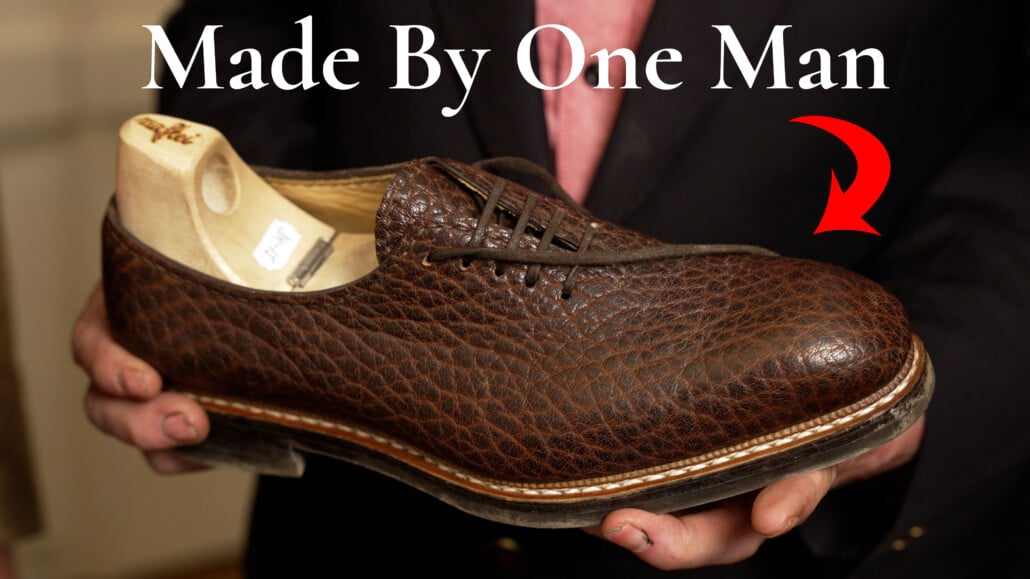
Sven Raphael Schneider, the discerning owner and CEO of Gentleman’s Gazette, has embarked on a sartorial pilgrimage to Vienna, commissioning a pair of bespoke shoes from the revered master craftsman, Alexandru Maftei. Maftei, celebrated across Europe for his distinctive "wood-pegged" waist technique and prolific output in the bespoke sector, represents a pinnacle of traditional shoemaking artistry. This commission not only highlights Schneider’s commitment to showcasing exemplary craftsmanship but also underscores Vienna’s enduring legacy as a global hub for luxury artisanal trades.
Vienna: A Historic Canvas for Bespoke Excellence
Vienna, the former imperial capital of the Austro-Hungarian Empire, has long been synonymous with exquisite craftsmanship and sophisticated luxury. Its streets have historically been home to ateliers producing everything from intricate silverware to opulent garments, catering to royalty and discerning clientele alike. Shoemaking, in particular, flourished in this environment, with master artisans developing techniques that emphasized both durability and unparalleled elegance. The city’s rich cultural tapestry and demand for refined goods fostered a competitive yet collaborative spirit among craftsmen, pushing the boundaries of what was considered possible in bespoke production.
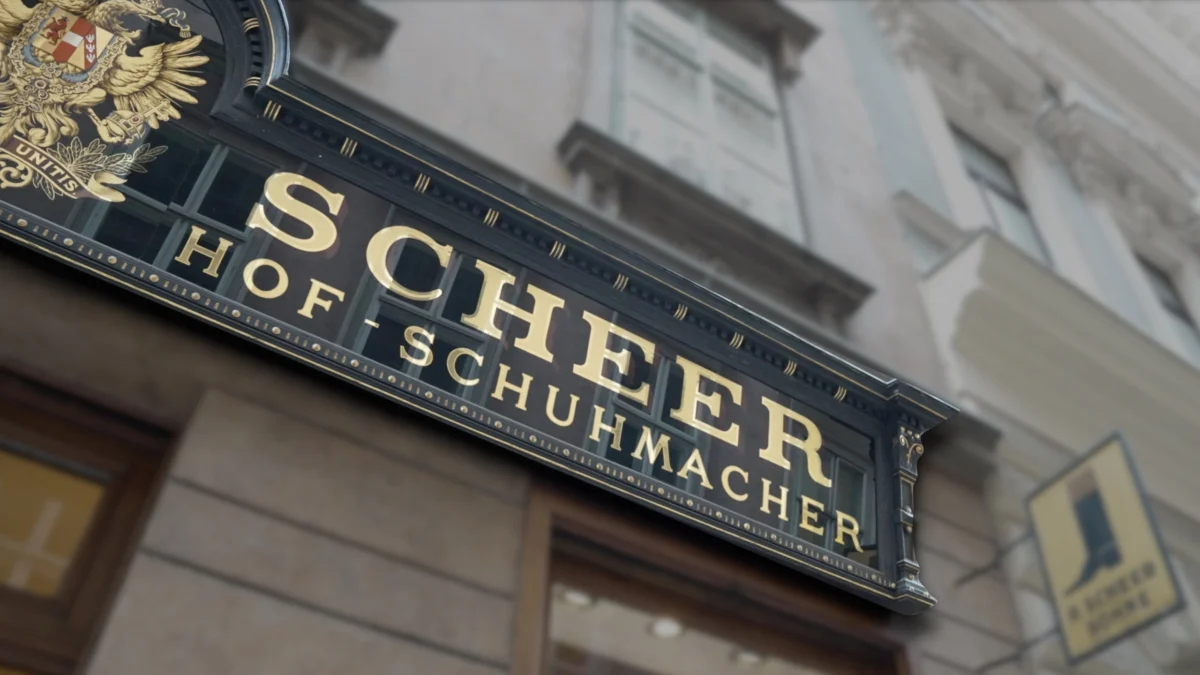
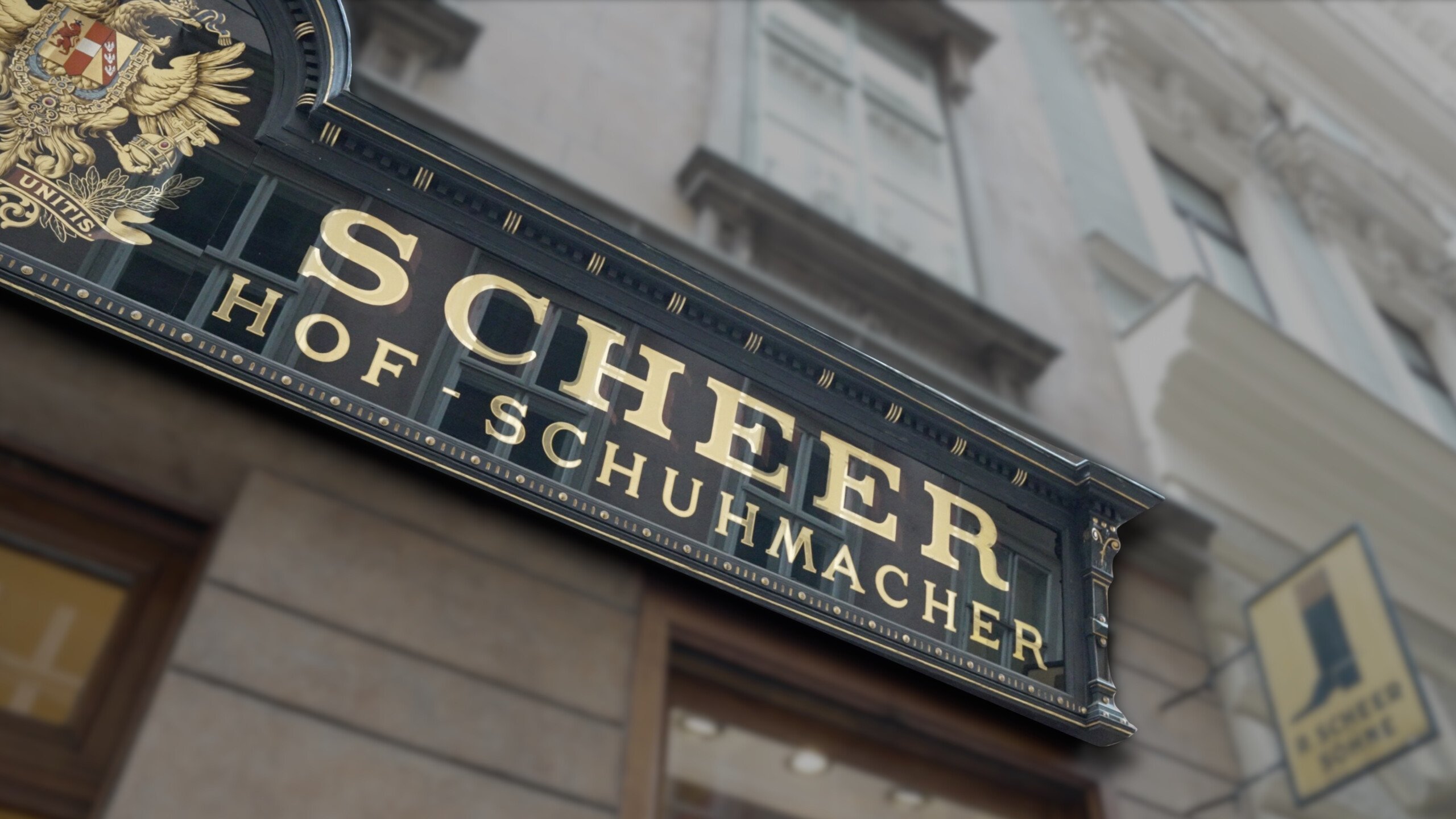
In recent decades, while mass production has challenged many traditional crafts globally, Vienna has witnessed a quiet but determined resurgence of its artisanal heritage. Institutions like Maftei, Rudolf Scheer & Söhne (a shoemaker with over 200 years of history), and tailors like Kniže & Co, continue to uphold and evolve these ancient traditions. They serve as living testaments to the value of human skill, precision, and the intimate relationship between artisan and client. Raphael Schneider’s journey to Vienna is thus more than a personal acquisition; it is an exploration and endorsement of this vibrant, historical ecosystem of luxury craftsmanship.
Alexandru Maftei: A Maestro of the "Wood-Pegged" Waist
Alexandru Maftei stands as a titan within this esteemed Viennese tradition. Originally from Romania, the Maftei family has meticulously preserved and refined Austro-Hungarian shoemaking techniques across generations, infusing them with an artistic flair balanced by architectural precision. His atelier has grown to become one of Europe’s largest and most respected bespoke shoe establishments, a testament to his dedication and the unparalleled quality of his work.
The defining characteristic, and indeed the signature, of a Maftei shoe is its "wood-pegged waist." This intricate technique involves securing the sole at the shoe’s narrowest point using tiny wooden pegs, a stark contrast to the modern, machine-driven Goodyear welting method. The wood-pegging allows for the creation of an exceptionally narrow and elegant "fiddleback" silhouette on the sole, a feature that is physically unattainable with standard machine-based construction. This method is not merely an aesthetic choice; it speaks to a philosophy of construction that prioritizes structural integrity, flexibility, and a distinctive elegance that sets Maftei’s creations apart. The process is labor-intensive, requiring immense skill and patience, contributing to the shoe’s legendary comfort and longevity.

Maftei himself reflects on his journey, stating, "Yes, at Scheer it was very good, a very good job, very calm… but I wanted to do something else." This statement offers a glimpse into the master’s drive for innovation and a unique identity within a deeply traditional craft. While respecting the foundational quality found in venerable institutions like Scheer, Maftei sought to carve out his own distinct path, characterized by his signature wood-pegged waist and a bespoke experience that continues to attract an international clientele. This pursuit of "something else" has solidified his reputation as a visionary within the bespoke shoemaking world.
The Bespoke Journey: A 51-Minute Deep Dive into Craftsmanship
The commissioning of a Maftei bespoke shoe is an immersive experience, a journey that begins with a meticulous consultation and culminates months later in a pair of perfectly tailored footwear. The process, which typically spans six to nine months for a first-time client, is documented in a detailed video showcasing "51 Minutes of Bespoke Craftsmanship." While the dialogue within the atelier naturally unfolds in German, capturing the authentic spirit of the Viennese workshop, the accompanying video provides essential English translation and technical breakdowns, making this intricate art accessible to a global audience.
The initial phase involves an extensive measurement session, where the client’s feet are thoroughly analyzed. This goes beyond simple length and width; it includes examining arch structure, instep height, heel shape, and even gait patterns. Every curve, every nuance of the foot, is recorded to ensure a fit that is not just comfortable but feels like a second skin. During this consultation, clients also discuss their aesthetic preferences, selecting from an array of exquisite leathers—calfskin, exotic hides, suedes—and various styles, from classic oxfords and derbies to more contemporary designs.

Following the measurements, the most crucial step begins: the carving of custom lasts. These wooden forms are the heart and soul of bespoke shoemaking, meticulously sculpted to precisely mirror the client’s foot dimensions and desired shoe shape. This stage is where the artisan’s sculptural skill truly shines, as the last will dictate the ultimate fit and silhouette of the shoe. It is a highly iterative process, often requiring multiple adjustments to achieve perfection.
Next, a "trial shoe" or "fitting shoe" is crafted from a less expensive leather. This prototype allows for a preliminary fitting, enabling both the shoemaker and the client to assess the comfort, fit, and overall aesthetic. Any necessary adjustments, however minor, are identified and implemented at this stage, preventing costly errors in the final product. This trial fitting is a critical feedback loop, ensuring that the bespoke creation will meet the client’s exact specifications and comfort requirements.
Once the trial shoe is approved and the last finalized, the actual construction of the final pair commences. This involves a series of highly skilled manual processes: pattern cutting, lasting (stretching the leather upper over the last), hand-welting, sole attachment using the signature wood-pegging technique, heel construction, and ultimately, the meticulous hand-finishing, polishing, and burnishing of the leather. Each stitch, each tap of the hammer, is executed with generations of accumulated expertise, transforming raw materials into a work of wearable art. Subsequent pairs for the same client are typically completed faster, as their personal last is already on file at the Vienna atelier.
Broader Impact and the Revival of Artisanal Luxury
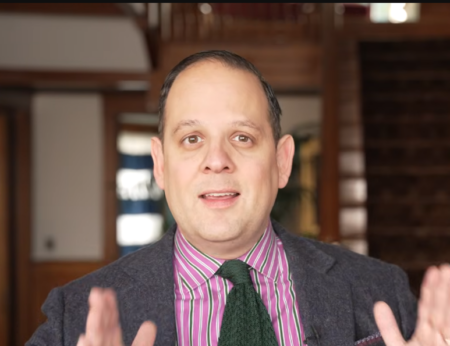
The story of Alexandru Maftei and Raphael Schneider’s commission resonates far beyond a single pair of shoes. It is indicative of a broader global trend: the resurgence of interest in authentic, handcrafted luxury goods. In an era dominated by fast fashion and mass production, consumers are increasingly seeking products that offer longevity, unique character, and a narrative of human skill and dedication. Bespoke shoemaking perfectly embodies these values.
This renewed appreciation for artisanal crafts has several significant implications:
- Sustainability: Bespoke shoes, built to last for decades with proper care, represent a highly sustainable alternative to disposable footwear. The investment in quality translates to less waste and a reduced environmental footprint.
- Economic Impact: These niche luxury industries support highly skilled labor, often within family-run businesses, contributing to local economies and preserving invaluable cultural heritage. Vienna’s ecosystem of bespoke artisans attracts international visitors, boosting luxury tourism.
- Digital Reach: Platforms like Gentleman’s Gazette play a crucial role in bridging the gap between traditional craftsmanship and a global, digitally-native audience. By documenting processes through high-quality videos and articles, they educate consumers and generate demand for these specialized services. The "51 Minutes" video is a prime example of how digital media can illuminate and celebrate intricate artisanal work.
- Preservation of Knowledge: As Sven Raphael Schneider notes, "it is very rare today that you, your son, your brother, and your nephew are all bespoke shoemakers." The Maftei family’s multi-generational involvement is crucial for the transmission of highly specialized skills and proprietary techniques that might otherwise be lost. This emphasis on family legacy ensures the continuity of an art form.
Accessibility and Global Reach: The Trunk Show Model
Recognizing that not all discerning clients can travel to Vienna, Alexandru and his son Lucian Maftei frequently conduct "trunk shows" in major cities across Europe and occasionally in the United States. These events are vital for expanding their global reach, allowing prospective clients to experience the Maftei difference without undertaking a specific trip to their main atelier.
During these trunk shows, clients can receive professional measurements, discuss their style preferences, and select materials in person. It replicates much of the initial consultation experience, ensuring that the bespoke process remains personal and precise, even across continents. The logistics of organizing such events are complex, involving careful planning, transportation of lasts and samples, and coordination with local partners. However, the reward is access to an international clientele eager to invest in the highest echelons of footwear artistry, solidifying Maftei’s position not just as a Viennese legend but a global icon of bespoke shoemaking.
Conclusion: An Investment in Art and Legacy
Raphael Schneider’s commission from Alexandru Maftei is more than just the acquisition of luxury footwear; it is an investment in art, tradition, and a testament to the enduring appeal of human skill. It highlights the unique value proposition of bespoke craftsmanship: unparalleled fit, exquisite materials, and a distinctive aesthetic born from generations of expertise. Maftei’s wood-pegged waist shoes stand as a symbol of Vienna’s deep-rooted heritage in luxury goods, a city where timeless elegance and meticulous artistry continue to thrive. As consumers increasingly seek authenticity and quality in a mass-produced world, the stories of artisans like Alexandru Maftei serve as powerful reminders of the profound beauty and lasting value found in handcrafted excellence.