









Polyurethane (PU), a synthetic polymer widely utilized as a fabric coating to enhance durability and frequently marketed as an ethical alternative to animal-derived leather, is fundamentally a plastic with significant and complex implications for global environmental health and sustainability. This article delves into the chemical nature of polyurethane, its extensive applications, particularly within the fashion industry, and critically examines the veracity of its sustainability claims, offering a comprehensive analysis of its lifecycle impact.
Understanding Polyurethane: A Versatile Polymer’s Journey
Polyurethane, often abbreviated as PU, is a broad class of polymers composed of organic units joined by urethane links. Its remarkable versatility allows it to exist in various forms, from rigid foams used in insulation to flexible elastomers found in textiles and footwear, making it an indispensable material across countless sectors. The material’s genesis dates back to 1937, when German industrial chemist Otto Bayer and his team at IG Farben first synthesized it. Initially, PU’s development was driven by wartime demands, finding critical applications in aircraft construction due to its lightweight yet robust properties. Following World War II, advancements in polymer science and manufacturing techniques led to its widespread commercial adoption, transforming industries from automotive to construction and consumer goods.
The manufacturing process of polyurethane is a complex chemical reaction involving the polymerization of di- or polyisocyanates with polyols. This reaction, typically catalyzed, can be precisely controlled to yield materials with a vast spectrum of physical properties, including varying densities, hardness, elasticity, and thermal resistance. Manufacturers can introduce additives such as flame retardants, plasticizers, and colorants to tailor the final product for specific applications, ranging from high-performance athletic wear to durable automotive components, building insulation, tires, protective coatings, medical implants, and even phone cases. The global market for polyurethane was valued at approximately USD 75 billion in 2023 and is projected to grow significantly, underscoring its continued industrial importance and pervasive presence in modern life.
PU’s Pervasive Role in Fashion: Beyond the Surface
Within the fashion industry, polyurethane’s attributes—durability, flexibility, abrasion resistance, and water repellency—have secured its position as a go-to material for a multitude of applications. It is commonly found in the soles of shoes, providing cushioning and longevity. As a coating, PU can transform standard fabrics into waterproof or highly abrasion-resistant materials, making them suitable for outerwear, activewear, and accessories. Its elasticity also makes it a valuable component in swimwear and performance textiles. Furthermore, polyurethane is used in the production of bicast leather, a type of leather created by splitting a piece of animal hide and then applying a layer of polyurethane to the surface, often embossed to mimic a grain. This process enhances the aesthetic and durability of lower-quality hides, making them more commercially viable.
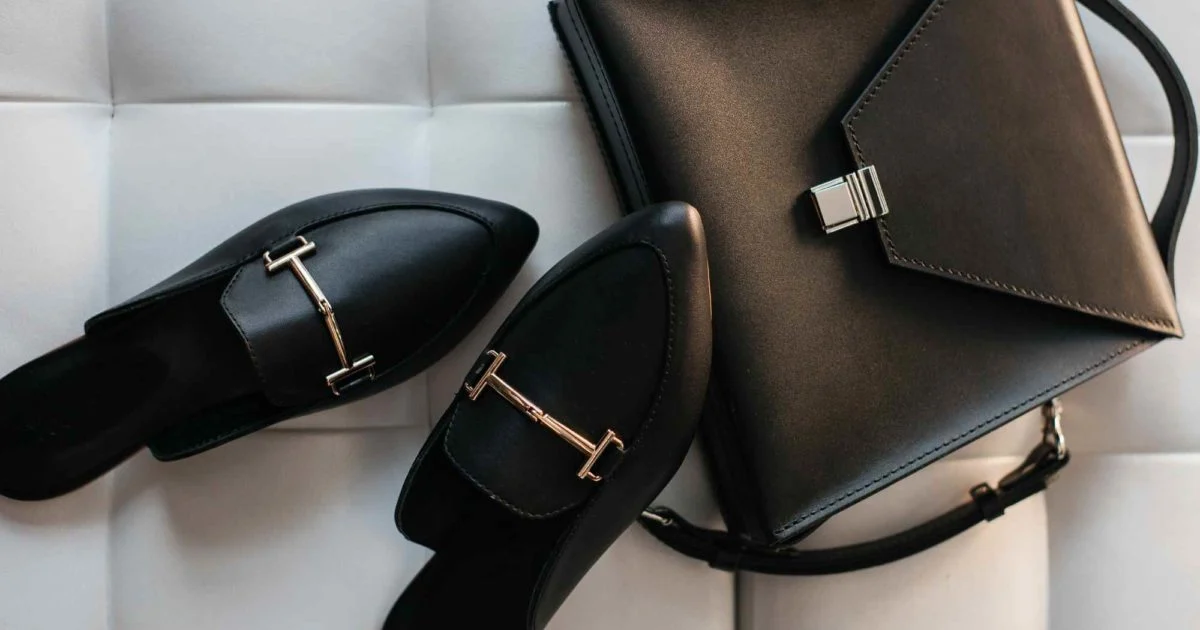
However, perhaps the most prominent and contentious application of polyurethane in contemporary fashion is its role as an alternative to traditional animal leather. Driven by increasing consumer awareness regarding animal welfare and environmental concerns associated with conventional leather production, "vegan leather" has surged in popularity. PU-based materials are frequently chosen for their ability to mimic the aesthetic and tactile qualities of genuine leather at a fraction of the cost, making them a cornerstone of the burgeoning vegan fashion movement.
The Rise of PU in Vegan Fashion: A Complex Narrative
The proliferation of polyurethane in what is often branded as "sustainable" vegan leather highlights a critical dichotomy in the fashion industry’s pursuit of ethical alternatives. As Kate Hobson-Lloyd, fashion ratings manager at Good On You, observes, "It’s common for polyurethane to crop up in so-called ‘sustainable’ vegan leather as it’s usually needed to impart durability to materials, but it should be remembered that it’s still a kind of plastic at the end of the day." This statement encapsulates the core tension: while PU offers a solution to animal welfare concerns, it introduces a new set of environmental challenges inherent to synthetic plastics.
Alongside polyvinyl chloride (PVC), polyurethane is one of the most widely used synthetic polymers in the production of vegan leather, also known as pleather, leatherette, or faux leather. While PVC is generally considered the more toxic of the two due to its manufacturing process involving chlorine and the release of dioxins upon incineration, both materials are petrochemical-derived plastics. They rely on fossil fuels for their raw materials, and their production and disposal processes are laden with environmental and health concerns. Critically, neither PVC nor polyurethane biodegrade effectively, meaning they persist in landfills for centuries, contributing to the ever-growing global plastic waste crisis.
The challenge for consumers is further compounded by the emergence of "plant-based" vegan leathers. Materials made from innovative sources like pineapple leaves, apple peel, mushroom mycelium, or cactus are often celebrated for their natural origins. However, many of these innovative materials still rely on a polyurethane binder or coating to achieve the necessary durability, flexibility, and water resistance for practical applications in apparel and accessories. This creates a "hybrid" material where a significant portion of the final product remains synthetic plastic. For instance, some "plant-based" leathers might contain as little as 20% plant material, with the remaining 80% being PU. This necessitates diligent scrutiny of product labels and brand websites by consumers to ascertain the true composition of these materials. The lack of standardized labeling and the proprietary nature of many material formulations often make it difficult for consumers to discern the precise percentage of plastic content, leading to potential greenwashing and misinformed purchasing decisions.
Environmental Footprint: From Fossil Fuels to Microplastics
The environmental impact of polyurethane is multifaceted and extends across its entire lifecycle, from resource extraction to end-of-life disposal. As a petrochemical product, PU is derived from fossil fuels, primarily crude oil and natural gas. The extraction and processing of these non-renewable resources are inherently energy-intensive, contributing significantly to greenhouse gas emissions, air and water pollution, and habitat destruction. The global demand for PU directly fuels the fossil fuel industry, exacerbating climate change and depleting finite natural resources.
Once manufactured, polyurethane’s plastic nature poses substantial long-term environmental challenges. Unlike natural fibers or animal leather (which can biodegrade under specific conditions), PU does not readily decompose. It can persist in landfills for hundreds, if not thousands, of years, occupying vast amounts of space and contributing to environmental blight. During this prolonged degradation period, PU can leach harmful chemicals into the soil and groundwater, contaminating ecosystems.
A growing concern associated with all plastic materials, including polyurethane, is the release of microplastics. As PU-based products wear down through use and washing, or as they degrade in landfills, they shed microscopic plastic particles into the environment. These microplastics have been detected globally, from the deepest oceans to remote mountain peaks, and within the food chain, raising alarms about their potential impacts on marine life, terrestrial ecosystems, and human health. Studies, even on bio-based polyurethanes, suggest that they too can fragment into small particles, contributing to the microplastic burden. The fact that PU leather alternatives—even those combined with plant-based components—are not commonly recycled further compounds this problem, ensuring a continuous influx of new PU into the waste stream. The global recycling rate for plastics, including PU, remains notoriously low, often below 10%, meaning the vast majority of PU produced ultimately ends up in landfills or incinerated.
Human Health Concerns in the Production Chain
Beyond its environmental toll, the production of polyurethane also carries significant human health risks, particularly for workers involved in its manufacturing. The primary chemicals used in PU synthesis are isocyanates, a group of highly reactive compounds. Exposure to isocyanates, especially in their unreacted liquid or vapor forms, is known to be hazardous to human health. Occupational exposure can lead to severe respiratory issues, including asthma, chronic bronchitis, and hypersensitivity pneumonitis. Skin irritation, allergic dermatitis, and eye irritation are also common. In more severe or prolonged exposure cases, there is evidence linking isocyanates to liver and kidney dysfunction. Regulatory bodies worldwide, such as the Occupational Safety and Health Administration (OSHA) in the U.S. and the European Chemicals Agency (ECHA), classify isocyanates as sensitizers and irritants, imposing strict exposure limits and safety protocols.
While these hazardous chemicals become largely non-toxic once they are fully reacted and cured into solid polyurethane, the risk can reappear under specific conditions. If PU materials are subjected to high heat, such as during incineration or accidental fires, or if they undergo thermal degradation, they can release toxic fumes, including unreacted isocyanates and other volatile organic compounds (VOCs). This poses a risk to emergency responders, communities near waste disposal sites, and anyone exposed to burning PU, highlighting the dangers associated with improper end-of-life management. The entire supply chain, from chemical manufacturing to product assembly and disposal, must adhere to stringent safety standards to mitigate these risks.
The "Bio-based" Dilemma: A Nuanced Perspective
In response to growing environmental pressures, significant research and development efforts have focused on creating "bio-based" polyurethanes. These materials aim to replace some or all of the petrochemical-derived components with renewable biological materials, such as vegetable oils (e.g., castor oil, soybean oil), lignin, or algae. The promise of bio-based PU lies in its potential to reduce reliance on fossil fuels and potentially lower the carbon footprint associated with raw material extraction.
However, the term "bio-based" can be misleading and does not automatically equate to "sustainable." While the feedstock may be renewable, bio-based polyurethanes are still polymers and often retain many characteristics of their fossil-fuel counterparts. Their biodegradability is highly dependent on their specific chemical formulation and the environmental conditions under which they are disposed. Many bio-based PUs may only degrade under specific industrial composting conditions, which are not widely available, or they may simply fragment into microplastics at a faster rate than conventional PUs. Furthermore, the production of bio-based feedstocks can have its own environmental impacts, including land use change, water consumption, and the use of fertilizers and pesticides, which can contribute to deforestation, biodiversity loss, and water pollution if not managed responsibly. Therefore, a holistic life cycle assessment (LCA) is crucial to determine the true environmental benefit of bio-based PU, ensuring that the shift does not merely transfer environmental burdens from one stage or type of impact to another.
Recycling and End-of-Life Challenges
The end-of-life management of polyurethane products, particularly in the fashion sector, presents formidable challenges. Due to the complex chemical structure and the frequent combination of PU with other materials (e.g., fabric substrates in faux leather, multiple components in footwear), recycling PU is technically difficult and economically unviable for most consumer goods. While industrial recycling methods for certain types of PU, such as foams from construction or automotive industries, do exist (e.g., chemical recycling or mechanical recycling into lower-grade products), these processes are rarely applied to fashion items.
The intricate designs of shoes, bags, and garments often involve stitching, adhesives, and multiple material layers, making disassembly and material separation extremely difficult. This effectively renders most PU-based fashion products "unrecyclable" in practice, condemning them to landfills or incineration. This lack of circularity directly contradicts the principles of a sustainable economy, where materials are kept in use for as long as possible and then recycled or biodegraded safely. The current linear model of "take-make-dispose" for PU-based fashion items contributes significantly to waste accumulation and resource depletion, highlighting the urgent need for innovative recycling technologies and a fundamental shift in product design towards circularity.
Industry Perspectives and Consumer Awareness
The fashion industry faces a delicate balancing act. On one hand, there is mounting pressure from consumers and advocacy groups to move away from animal products and reduce environmental impact. On the other hand, brands seek durable, aesthetically pleasing, and cost-effective materials. Polyurethane has often been perceived as a convenient bridge, offering animal-free credentials while meeting performance requirements. However, as awareness of PU’s environmental footprint grows, brands are increasingly being scrutinized.
Some brands may highlight the "vegan" aspect of their products without fully disclosing the plastic content, a practice that can be perceived as greenwashing. This underscores the need for greater transparency throughout the supply chain and for clear, standardized labeling that accurately informs consumers about the material composition and environmental profile of products. Industry associations and environmental organizations are working to develop more robust guidelines and certifications to help consumers make truly informed choices, moving beyond simplistic "vegan" labels to embrace a more holistic understanding of sustainability. The onus is also on brands to invest in research and development for truly sustainable, non-plastic alternatives and to communicate their material choices with honesty and clarity.
Exploring Genuine Sustainable Alternatives
Given the significant environmental and health drawbacks of polyurethane, the imperative for the fashion industry is to pivot towards genuinely sustainable, plastic-free alternatives. A growing number of innovative materials are emerging that offer similar performance characteristics to PU without the reliance on petrochemicals or the associated plastic pollution.
One notable example is MIRUM, a relatively new material developed by Natural Fiber Welding (NFW). MIRUM is a plant-based, plastic-free material made from natural rubber, plant oils, and minerals. It can be engineered to mimic various textures, including leather, and is designed to be truly circular—recyclable and ultimately biodegradable. Its production process also boasts a significantly lower environmental footprint compared to conventional synthetics.
Other existing plastic-free alternatives include:
- Cork: Derived from the bark of cork oak trees, cork is a renewable, biodegradable, and recyclable material known for its lightweight, waterproof, and durable properties. It is increasingly used in accessories, footwear, and even some apparel.
- Washable paper: Made from cellulose fibers, often with a latex coating for durability and water resistance, washable paper offers a unique aesthetic and is a robust, biodegradable option for bags, wallets, and other accessories.
- Waxed cotton/canvas: Traditional materials treated with natural waxes (like beeswax) can provide excellent water resistance and durability without relying on synthetic coatings.
Beyond these, research is actively exploring other promising avenues, including materials derived from agricultural waste, bacterial cellulose, and innovative natural rubber formulations. Journalists like Emma Håkansson have also compiled comprehensive guides to plastic-free alternatives to animal-derived materials, offering valuable resources for conscious consumers. Organizations like Good On You continue to provide detailed ratings and guides to help consumers navigate the complex landscape of materials and brand sustainability.
Conclusion: A Call for True Sustainability
In conclusion, while polyurethane has played a significant role in providing animal-free options and enhancing product durability, its inherent nature as a fossil-fuel-derived plastic fundamentally undermines its claims of sustainability. Its contribution to greenhouse gas emissions, its persistence in landfills, the release of microplastics, and the health risks associated with its production chain render it an environmentally problematic material. Even "bio-based" versions, while a step towards renewable feedstocks, often fail to address the core issue of plastic pollution and biodegradability.
For the fashion industry to truly embrace sustainability, a critical re-evaluation of material choices is necessary. The current reliance on PU as a primary "vegan leather" alternative represents a classic case of problem-shifting rather than problem-solving. Moving forward, the focus must shift towards investing in, developing, and scaling genuinely plastic-free, circular, and responsibly sourced alternatives. Consumers, in turn, play a crucial role by demanding greater transparency from brands and by prioritizing products made from materials that uphold true environmental integrity across their entire lifecycle. Only through collective effort and a commitment to innovation can the fashion industry pave a path towards a future where ethical choices do not compromise planetary health.