





As wedding invitations fill calendars, signaling the joyous onset of wedding season, guests often face a familiar dilemma: the pressure to acquire a new, pristine outfit for each unique occasion. This societal expectation, while seemingly innocuous, contributes significantly to the escalating environmental footprint of the global fashion industry. In response to a growing wave of conscious consumerism, a robust movement towards more sustainable wedding guest attire is gaining momentum, offering stylish alternatives that do not compromise on ethical values or environmental responsibility. This detailed guide, informed by rigorous brand assessments, explores the myriad of options available, from re-envisioning existing wardrobes to investing in ethically produced new garments and embracing the burgeoning circular economy through rental and secondhand markets.
The Environmental Footprint of Occasionwear
The fashion industry, particularly the segment catering to special events and fleeting trends, is a major contributor to global pollution and resource depletion. Annually, an estimated 92 million tons of textile waste are generated worldwide, a figure projected to rise dramatically in the coming years. Occasionwear, often purchased for a single or very limited number of uses, exacerbates this problem. The production of garments, especially those made from conventional materials like virgin polyester or cotton grown with intensive pesticide use, demands vast quantities of water, energy, and chemicals. For instance, manufacturing a single cotton dress can require thousands of liters of water, while synthetic fabrics contribute to microplastic pollution with every wash.
Beyond resource consumption, the carbon emissions from manufacturing, transportation, and disposal of clothing are substantial. The fast fashion model encourages rapid consumption and disposability, turning garments into waste far too quickly. For wedding guests, the cycle of buying a new dress or suit for each event, often from brands prioritizing low cost over ethical production, feeds directly into this unsustainable paradigm. This context underscores the urgent need for a shift towards more mindful consumption habits, where the elegance of attire is matched by its ecological integrity.
Shifting Tides: The Rise of Sustainable Alternatives
The increasing awareness of fashion’s environmental impact has spurred innovation and a re-evaluation of consumption patterns. Consumers are now empowered with multiple avenues to dress elegantly for weddings without contributing to unsustainable practices.
Embrace, Restyle, Re-wear: The First Line of Defense
The most sustainable outfit is often one that already exists in one’s wardrobe. Before considering new purchases, experts in sustainable fashion strongly advocate for exploring existing garments. Restyling an outfit that has been worn before, perhaps with new accessories or by pairing items in novel combinations, can create a fresh look without any additional environmental impact. This approach champions creativity and versatility, encouraging individuals to see their wardrobe as a collection of possibilities rather than a static set of ensembles. Emphasizing durability and timeless design when initially purchasing garments also ensures they can be re-worn and styled for numerous occasions, extending their lifecycle significantly.
The Circular Economy in Action: Secondhand and Rental Options
For those seeking something "new to me," the circular economy offers compelling solutions through secondhand shopping and garment rental services. The global secondhand apparel market is experiencing robust growth, projected to reach over $70 billion by 2027, indicating a significant shift in consumer behavior. Buying pre-owned clothing not only reduces waste and the demand for new production but often provides access to unique, high-quality pieces at a fraction of their original cost. Online marketplaces and consignment stores make finding sophisticated secondhand occasionwear increasingly accessible.
Parallel to the rise of resale, the garment rental market has emerged as a game-changer for event dressing. This model allows guests to wear high-end or unique outfits for a single occasion, returning them afterward to be cleaned and re-rented. This significantly reduces the per-wear environmental impact of a garment and offers unparalleled variety without the commitment of ownership. Leading platforms in this space include Rent the Runway, known for its extensive collection of designer dresses and accessories; Hurr and By Rotation, popular UK-based peer-to-peer rental apps that foster a community of sharing; Vow to be Chic, specializing in bridal party and formal wear; Glam Corner in Australia, offering a wide range of dresses for various events; and MyWardrobe, providing luxury rentals. These services are transforming how consumers approach occasionwear, offering a practical and environmentally conscious solution to the "what to wear" dilemma. This trend reflects a broader societal awakening to the benefits of access over ownership, as noted by environmental advocates and industry analysts.
Curated Choices: Top-Rated Brands for New Sustainable Attire
When the need to acquire something genuinely new arises, making an informed choice is paramount. The platform Good On You, through its rigorous ratings system, curates brands that demonstrate significant commitments to ethical practices across their supply chains, environmental impact, and animal welfare. While sustainable fashion often carries a higher price point due to fair labor practices and high-quality, lower-impact materials, this guide includes options across various budgets, demonstrating that ethical choices are becoming increasingly accessible.
Ethical Apparel for Every Style
-
OMNES: A UK-based brand, OMNES is lauded for its commitment to responsible and more affordable womenswear. The brand articulates a clear mission to "change the way you shop, wear and think about clothing," actively encouraging industry-wide shifts towards sustainability. Their collections, often found in sizes 6-20, emphasize high-quality construction designed for longevity, using lower-impact materials where possible and maintaining transparency in their production processes. OMNES represents a practical entry point for those seeking stylish, conscientiously made garments without an exorbitant price tag.
-
Ninety Percent: This British label distinguishes itself with a unique profit-sharing model, dedicating 90% of its profits to charitable causes and its garment makers. This radical transparency, coupled with the publication of supplier and factory details, sets a high bar for social responsibility. Ninety Percent offers stylish womenswear, available in UK sizes 2XS-2XL, crafted from lower-impact materials, proving that fashion can be both elegant and a force for good. Their commitment extends beyond environmental concerns to address the human element of the supply chain, ensuring fair treatment and compensation for workers.
-
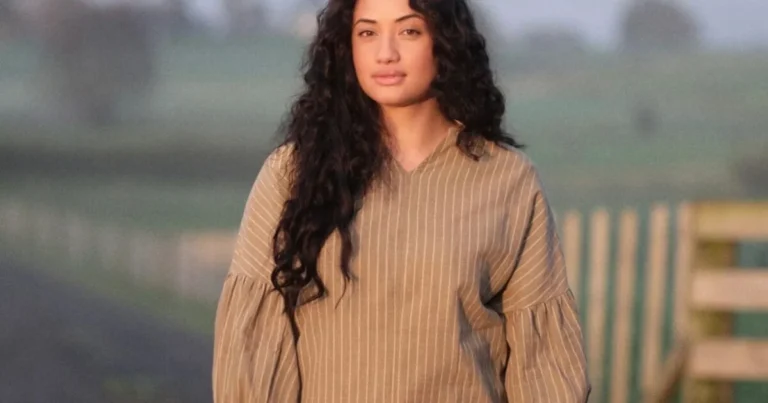
Jiwya: A beacon of traditional craftsmanship and sustainable material innovation, Jiwya focuses on lower-impact plant-based materials and heritage techniques such as hand-spinning and hand-weaving. This approach not only minimizes environmental impact but also preserves artisanal skills and supports local communities. Jiwya’s designs, including their exquisite Shuili Handmade Embroidered Midi Dress, embody a timeless elegance derived from conscious creation, offering pieces that tell a story of cultural richness and ecological care.
-
Coco & Kandy: Hailing from Bulgaria, Coco & Kandy specializes in uncomplicated, high-quality clothes ideal for warmer climates. The brand is recognized for its use of lower-impact materials, diligent tracing of most of its supply chain, and regular visits to suppliers, ensuring ethical production standards. Their focus on simple, well-made garments encourages a capsule wardrobe approach, reducing the need for constant new purchases.
-
AYANI: Embodying affordable luxury, AYANI creates timeless, feminine, and effortlessly elegant clothing. The brand’s philosophy centers on designing pieces that provide ultimate comfort and confidence, suitable for a variety of occasions. AYANI’s commitment to quality and classic design supports the principle of buying less but better, encouraging longevity in clothing choices.
-
Christy Dawn: This US brand offers a minimalist showroom experience for vintage-inspired women’s clothing and footwear. What sets Christy Dawn apart is its use of surplus fabric, diverting textiles from landfills and giving them new life. Their commitment to local manufacturing further reduces their carbon footprint. With collections in standard sizes XS-XL, and dedicated Extended and Petite ranges, Christy Dawn champions inclusivity alongside its "Great" sustainability rating.
-
The Summer House: Based in India, The Summer House crafts beautiful womenswear using locally made, lower-impact fabrics. The brand actively partners with local artisans and NGOs, providing vital economic opportunities within the region. Their elegant prints and flowing silhouettes, available in sizes XS-XL, celebrate traditional craftsmanship while adhering to modern sustainability principles, offering a fusion of style, ethics, and community support.
-
SeamsFriendly: A brand truly living up to its name, SeamsFriendly creates tailored pieces for all body types, emphasizing function and utility. Their designs utilize lower-impact materials like organic cotton and linen. A standout feature is their customizable sizing (bust 26″-70″, waist 19″-63″ for women; chest 34″-76″+ for men; kids’ range available), allowing shoppers to modify neck style, depth, sleeve and garment length, and fabric. This bespoke approach ensures a perfect fit, drastically reducing returns and promoting garment longevity, aligning perfectly with sustainable consumption.
-
OhSevenDays: Founded by Australian-Canadian Megan Mummery, OhSevenDays is based in Istanbul and champions the "power of circularity." The brand ingeniously reclaims end-of-roll fabrics from the city’s garment factories, transforming "fast fashion’s leftovers" into sharp, wearable everyday womenswear. Available in sizes XS-XL or custom sizing, OhSevenDays exemplifies how waste can be reimagined into responsible, stylish clothing, promoting slow fashion through innovative material sourcing.
-
SANTICLER: An US-based label, SANTICLER offers timeless collector pieces with modern silhouettes. As an early advocate of slow fashion, the brand designs and produces with the intention of reducing waste, utilizing lower-impact materials such as GOTS-certified cotton and responsibly sourced wool. SANTICLER’s commitment to quality and classic design, available in sizes XS-L, encourages consumers to invest in pieces that transcend seasonal trends.
-
Akyn: Founded by sustainable fashion industry legend Amy Powney, Akyn delivers contemporary and timeless womenswear crafted from lower-impact materials. The brand benefits from Powney’s deep expertise and commitment to ethical production, ensuring that each garment is made with integrity and designed to last. Akyn represents a new generation of fashion, where style and sustainability are inextricably linked.
-
ASKET: Since 2015, ASKET has revolutionized wardrobe essentials with its focus on timeless pieces, revolutionary sizing, and fair pricing. The brand consciously rejects seasonal collections and middlemen, selling directly to consumers to build a single, permanent collection. Available in sizes 2XS-2XL, ASKET’s model is a direct challenge to fast fashion, advocating for mindful consumption and enduring style.
-
Facettes Studio: This Parisian brand is dedicated to "wardrobe essentials for the multifaceted woman," with a strong emphasis on sustainability. They exclusively use upcycled materials and have banned polyester and polyamide from their collections, which are largely based around suits. Facettes Studio also offers a valuable repairs and alterations service, actively extending the life of their garments and fostering a culture of care. Sizes are available from FR 34-44.
-
CARPASUS: A Swiss menswear brand, CARPASUS creates fine shirts, ties, socks, and pocket squares. Their commitment to sustainability is evident in their use of GOTS-certified cotton and local manufacturing, which significantly reduces their carbon footprint. CARPASUS meticulously traces its supply chain and ensures workers receive a living wage, setting a high standard for ethical production in menswear. Most products are available in EU sizes 36-46.
-
Opera Campi: Founded in Italy in 2017, Opera Campi produces premium quality garments from locally-sourced raw materials. The brand adopts a balanced approach to sustainability, making conscious choices throughout its supply chain. Furthermore, Opera Campi donates 4% of its profits to social causes, highlighting a holistic commitment to both environmental and social responsibility. The brand offers inclusive sizing from 3XS-3XL, making sustainable fashion accessible to a broader audience.
-
Artknit Studios: With a motto of "buy less, buy better," Artknit Studios creates timeless knitwear from 100% lower-impact materials, all responsibly made by Italian artisans. Their partners adhere to anti-waste practices, using only certified and locally-sourced fibers. This dedication to quality and responsible production, with items available in sizes XS-XXL, ensures that each piece is an investment in enduring style and ethical values.
Mindful Accessories: The Finishing Touches
Accessories play a crucial role in completing an outfit, and sustainable options are readily available to ensure every detail aligns with ethical values.
-
FUTURA Jewelry: This New York-based brand crafts each piece with mercury-free 18kt Certified Fairmined Ecological gold. Sourced from the world’s only three certified Fairmined mines that extract gold without toxic chemicals like mercury and cyanide, FUTURA Jewelry sets an unparalleled standard for ethical precious metal sourcing. Choosing FUTURA means adorning oneself with beauty that is truly clean and responsibly produced.
-
Bario Neal: A custom jewelry designer, Bario Neal specializes in handmade rings and fine jewelry featuring conflict-free diamonds and other gemstones. The brand’s commitment extends to using lower-impact materials, including reclaimed precious metals and Fairmined gold, ensuring that each uniquely designed piece is ethically sourced and environmentally responsible.
-
ARTICLE22: This brand embodies innovation in sustainable fashion. Every piece of ARTICLE22 jewelry is handcrafted in Laos using recycled materials from Vietnam War bombs, plane parts, military hardware, and other aluminum scraps. This not only diverts waste but also equips local artisans with new skills, providing a sustainable source of income. ARTICLE22 actively contributes to clearing unexploded bombs in Laos and supports community development, making each purchase a powerful statement of social and environmental impact. The range is available in sizes S-XL.
-
Mashu: A British sustainable vegan accessories label, Mashu specializes in handbags with a "Good" environmental rating. Their exteriors are crafted from vegan leather alternatives, while interiors feature vegan suede made from recycled polyester. Mashu demonstrates that luxurious style does not require animal products or compromise ethical standards, offering chic and responsible choices for conscious consumers.
Footwear with Integrity
Completing the sustainable ensemble, footwear brands are also stepping up to offer ethical options.
-
ESSÄN: Founded by Marre Muijs in 2016, ESSÄN was created to challenge the fast fashion cycle. The brand limits its production runs and utilizes low-waste cutting techniques. By eschewing the traditional fashion calendar in favor of a single, permanent collection, ESSÄN focuses on carefully crafted, classic shoes and accessories designed to last, promoting longevity and anti-trend consumption.
-
Agazi: This vegan footwear brand from Poland offers a diverse range including sneakers, sandals, heels, and flat shoes. All Agazi products are made using non-animal-derived materials, notably innovative alternatives like hemp, apple skin, and grape-based leathers. Agazi proves that stylish, durable, and comfortable footwear can be produced entirely free from animal products, catering to the growing demand for vegan fashion.
The Broader Impact: Towards a More Conscious Fashion Future
The shift towards sustainable wedding guest attire is more than just a trend; it reflects a fundamental change in consumer values and industry practices. Consumer demand for transparency and ethical production is pushing brands to innovate and adopt more responsible methods. This evolving landscape signifies a move away from the linear "take-make-dispose" model towards a circular economy that prioritizes resource efficiency, waste reduction, and social equity.
By choosing to re-wear, rent, or buy from ethically rated brands, consumers wield significant power. Their purchasing decisions directly support companies committed to fair labor, reduced environmental harm, and innovative material solutions. This, in turn, fosters local economies, ensures living wages for artisans, and contributes to the long-term health of the planet. Platforms like Good On You play a crucial role in demystifying complex supply chains and empowering consumers to make informed choices, driving the fashion industry towards a more responsible and sustainable future.
Conclusion: Celebrating Sustainably
Wedding season, a time of celebration and togetherness, offers a unique opportunity to extend these values to our consumption habits. Whether by creatively restyling an existing garment, embracing the convenience and environmental benefits of rental services, exploring unique secondhand treasures, or investing in consciously crafted new pieces from top-rated brands, guests now have an abundance of choices to ensure their attire reflects both personal style and ethical integrity. The journey towards a more sustainable fashion industry is a collective one, and every conscious decision made, from a clutch bag to a gown, contributes to a celebratory future that is as kind to the planet as it is to the happy couple.
Editor’s note: Feature image via Jiwya, all other images via brands mentioned. Good On You publishes the world’s most comprehensive ratings of fashion and beauty brands’ impact on people, the planet and animals. This article was updated on 4 June 2026, reflecting the latest curated selections of brands and products for sustainable wedding guest attire.