









In an era defined by globalized supply chains and the pervasive influence of "fast fashion," the once ubiquitous "Made in USA" label has become an increasingly elusive mark, particularly within the menswear industry. While iconic American brands such as Brooks Brothers and Ralph Lauren historically sculpted the 20th-century sartorial landscape with domestically produced garments, a significant number of these venerable names have, over recent decades, strategically relocated much of their manufacturing operations overseas. This shift was largely driven by a relentless pursuit of cost efficiencies and the imperative to maintain competitive pricing in a rapidly evolving global marketplace. The question that therefore arises for the modern gentleman is whether it remains genuinely feasible to assemble a complete, high-quality, ready-to-wear outfit composed exclusively of items crafted through American labor. This inquiry necessitates a thorough examination of the current manufacturing landscape, a digital exploration of available products, and a candid assessment of the associated costs and implications.
The Erosion of American Manufacturing: A Historical Perspective
The mid-20th century marked the zenith of American manufacturing prowess, particularly in the textile and apparel sectors. Following World War II, the United States boasted a robust industrial base, with factories humming across the nation, producing everything from automobiles to clothing. Brands like Levi’s, Hanes, and indeed, Brooks Brothers and Ralph Lauren, were not merely American in name but in their entire production ethos, employing generations of skilled workers in mills and factories from New England to the Carolinas. This period fostered a strong sense of national pride in domestically produced goods, often associated with superior quality and durability.
However, the latter half of the 20th century ushered in a transformative period of economic globalization. Trade agreements such as NAFTA (North American Free Trade Agreement) in the early 1990s, coupled with the broader liberalization of international trade policies under the World Trade Organization (WTO), significantly lowered barriers to importing goods. American companies, facing increasing pressure to reduce production costs and offer more competitive prices, began a mass exodus of manufacturing facilities to countries with lower labor wages and less stringent regulatory environments. This trend was exacerbated by the rapid ascent of "fast fashion" retailers, which prioritized speed to market, trendy designs, and ultra-low prices, making it exceedingly difficult for domestic manufacturers with higher overheads to compete.
The impact on American manufacturing has been profound. According to data from the U.S. Bureau of Labor Statistics, employment in textile mills and apparel manufacturing saw a dramatic decline, shedding hundreds of thousands of jobs over the past few decades. For instance, textile mill product manufacturing employment dropped from over 800,000 in the late 1970s to fewer than 100,000 by 2020. This economic shift fundamentally altered the landscape of consumer choice, making genuinely American-made clothing a niche rather than the norm.

Defining "Made in USA": Navigating the Criteria
For consumers seeking out American-made products, understanding the criteria for the "Made in USA" label is crucial. The Federal Trade Commission (FTC) sets forth specific guidelines, stipulating that for an item to be advertised as "Made in USA," "all or virtually all" of the product must be made in the United States. This means that all significant parts and processing that go into the product must be of U.S. origin. Products that contain foreign components but undergo substantial transformation or assembly in the U.S. may qualify for a "Made in USA with imported parts" label. The strictness of these regulations ensures that the label genuinely reflects domestic production, preventing misleading claims. For the purpose of this exploration, only items meeting the "all or virtually all" standard are considered.
The Quest for an All-American Ensemble: A Practical Experiment
Despite the challenges, a dedicated search reveals that constructing a complete, high-quality menswear outfit solely from American-made components is still achievable, albeit with considerable effort and a premium price tag. This exercise serves as a practical demonstration, showcasing brands that have either steadfastly maintained their domestic production or represent a resurgence of American craftsmanship. The chosen ensemble aims for a classic, versatile aesthetic, suitable for a range of sophisticated casual to semi-formal occasions.
Deconstructing the Outfit: Brand Spotlights and Craftsmanship
The curated outfit begins from the ground up, each piece carefully selected to meet the stringent "Made in USA" criteria while embodying enduring style.
-
Foundation: Shoes & Socks
-
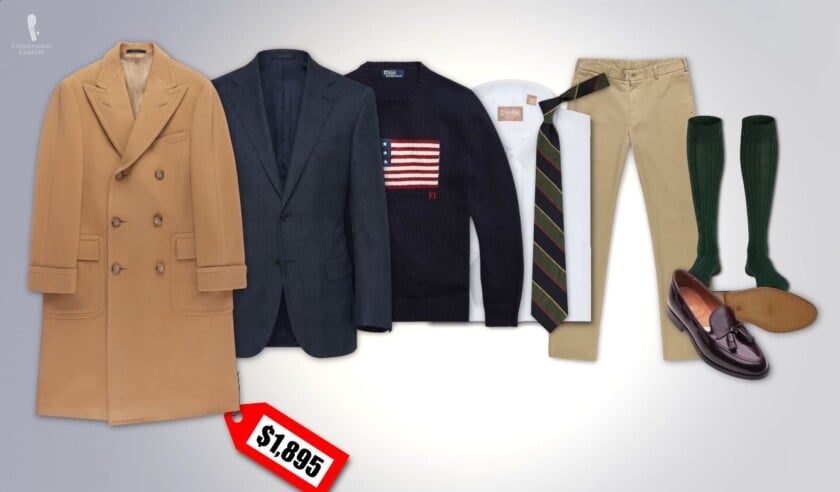
Alden 563 Tassel Moccasin: $967
Alden Shoe Company, founded in 1884 in Middleborough, Massachusetts, stands as one of the last remaining original American shoemakers. Their commitment to handcrafted footwear, using traditional techniques and premium materials like Horween shell cordovan, has cemented their reputation globally. The tassel loafer, a style that gained significant traction in American menswear circles, particularly among Ivy League students in the mid-20th century, is a testament to Alden’s heritage. The Color 8 shell cordovan, known for its rich burgundy hue, exceptional durability, and unique patina development over time, exemplifies the brand’s dedication to quality. Each pair undergoes a meticulous process, taking weeks to complete, reflecting the true cost of skilled labor and high-grade materials. -
Boardroom Socks: $19.50
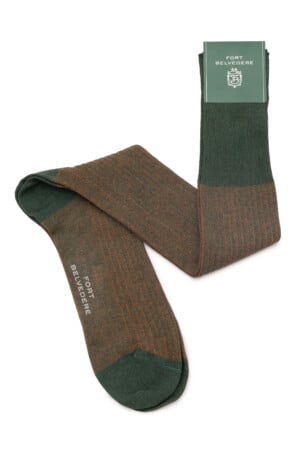
Boardroom Socks, based in North Carolina, represents the enduring legacy of American textile manufacturing in the South. They specialize in over-the-calf socks, a critical detail for a properly dressed gentleman, ensuring that no skin is exposed when seated. While Boardroom Socks offers dependable American-made options, often utilizing cotton blends (e.g., 74% Cotton / 23% Nylon / 3% Spandex), it is worth noting the material composition. The inclusion of synthetic fibers like nylon and spandex provides elasticity and durability but can sometimes lead to reduced breathability and increased foot perspiration compared to natural fibers.
In contrast, brands like Fort Belvedere emphasize 100% natural fiber yarns, such as Pima cotton, for their socks. This choice offers superior breathability and moisture-wicking properties, resulting in a cooler and more comfortable experience, particularly for dress socks. Fort Belvedere also offers a wider range of refined colors and different weights (lightweight, midweight, and upcoming heavyweight options), catering to various climates and stylistic preferences while prioritizing natural comfort. This distinction highlights the varied approaches even within domestic manufacturing, where material selection significantly impacts performance and feel.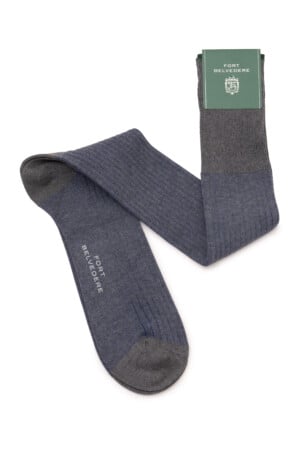
-
-
Mid-Section: Shirt & Trousers
-
Gitman Brothers Gold OCBD: $235
Gitman Brothers, tracing its roots to Ashland, Pennsylvania, in the 1930s, is celebrated for its commitment to American shirtmaking. Their Oxford Cloth Button Down (OCBD) shirt is a cornerstone of American style, particularly emblematic of the Ivy League aesthetic. Gitman’s "Gold" collection signifies their premium offering, often featuring higher-quality fabrics and meticulous construction. The defining characteristic of a Gitman OCBD is its soft, perfectly rolled collar, a detail revered by menswear enthusiasts. This attention to detail and consistent quality has allowed Gitman Brothers to maintain a significant portion of its production in the U.S., serving a discerning clientele who appreciate authentic American craftsmanship. -
Bill’s Khakis Original Twill: $195
Bill’s Khakis, founded in Pennsylvania, draws direct inspiration from the rugged, durable chinos issued to American soldiers during World War II. The brand emerged from a desire to recreate these authentic, high-quality trousers that offered a comfortable, higher rise and robust construction, a stark contrast to the lower-rise, slimmer-fit styles that became prevalent in later decades. Their Original Twill khakis are renowned for their heavy-duty cotton twill fabric, classic fit, and durability, making them a versatile piece equally at home with knitwear or more tailored jackets. Bill’s Khakis’ commitment to American production speaks to a philosophy of preserving a particular vision of American menswear.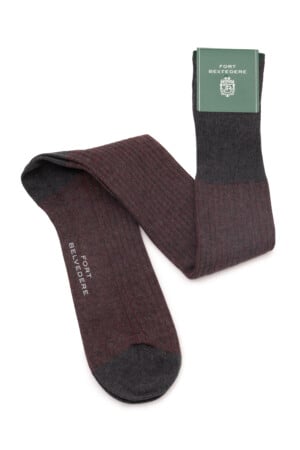
-
-
Layering: Knitwear & Tailoring
-
Ralph Lauren Flag Sweater: $398
While Ralph Lauren has diversified its manufacturing globally, certain iconic pieces, like the Flag Sweater, are still produced domestically. This sweater is more than just a garment; it is a recognizable symbol of American preppy style and patriotic pride, often featured in the brand’s most prominent campaigns. The navy crew neck variant, chosen for this ensemble, offers warmth and visual interest, pairing seamlessly over a shirt and tie. Its continued domestic production, even as much of the brand’s output is overseas, underscores its significance as a heritage piece. -
Joseph Abboud Plaid Sport Coat: $460
Joseph Abboud, a brand known for its accessible approach to American tailoring, represents a crucial bastion of domestic suit and sport coat manufacturing. Their garments are produced in the historic New Bedford factory in Massachusetts, which is one of the last large-scale tailoring facilities in the United States. The selection of a plaid sport coat, rather than a full suit, offers greater versatility and introduces a textured visual element that complements the other pieces without the formality of a complete suit. The New Bedford factory’s continued operation is vital not only for the brand but also for preserving skilled tailoring jobs and expertise within the U.S.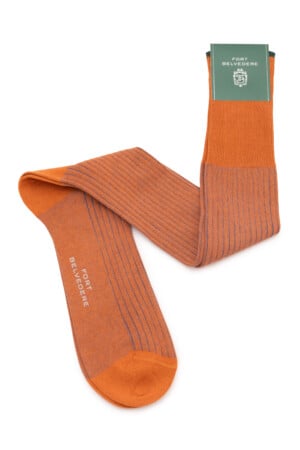
-
J. Press Rep Stripe Tie: $165
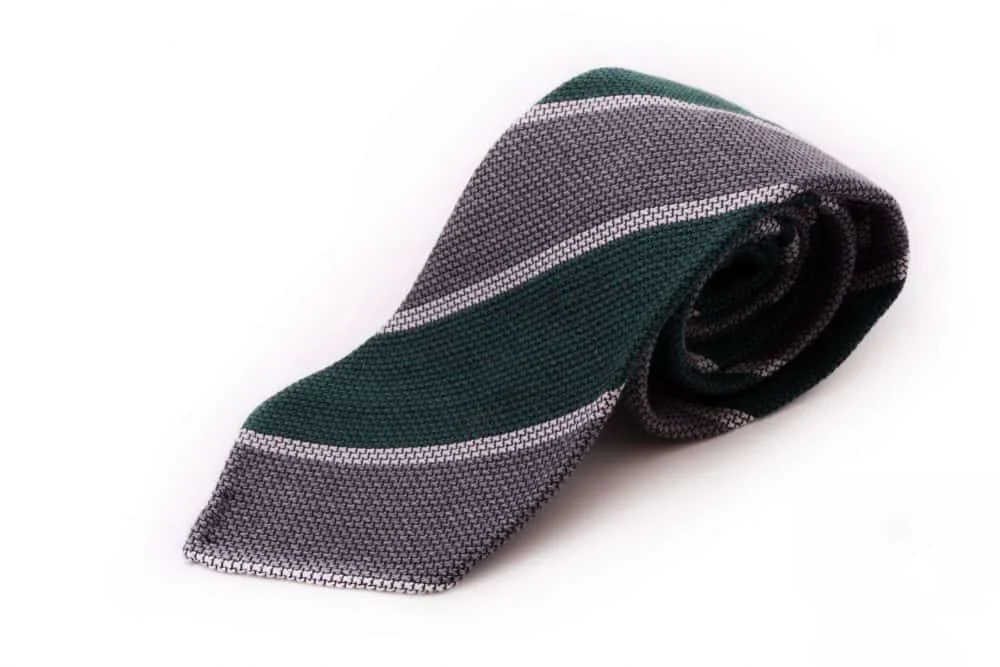
J. Press, an integral part of the Ivy Style tradition, has maintained its commitment to classic American menswear since its founding in 1902. Their rep stripe ties are an indispensable staple of the collegiate look, characterized by their distinct diagonal stripes and often vibrant color combinations. These ties are produced with an unwavering adherence to the aesthetic that has defined generations of American gentlemen, reflecting decades of sartorial tradition. While Fort Belvedere offers a diverse range of ties crafted from various luxurious materials (like cashmere wool grenadine and shantung silk) with unique patterns and constructions, the J. Press rep stripe tie holds a specific place in the American-made narrative.
-
-
Outerwear & Finishing Touches
-
J. Press Camel Hair Polo Coat: $1,895
Another defining piece from J. Press, the camel hair polo coat stands as a quintessential item of American outerwear. Originating from equestrian and spectator sports, the polo coat evolved into a symbol of relaxed elegance. Its double-breasted design, often with a half-belt and patch pockets, combines warmth, structure, and a deep sense of heritage. For this ensemble, it represents the most significant investment, reflecting the complexity of its construction and the quality of its materials, solidifying its place as a standout garment in an American-made wardrobe.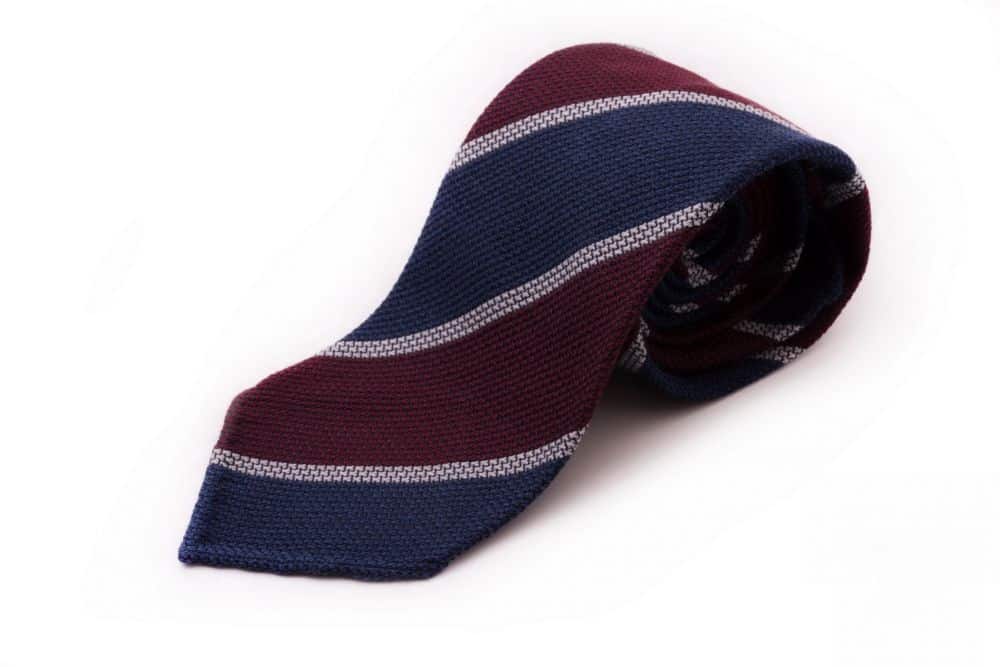
-
Stetson Whippet Fedora: $265
Stetson, founded in 1865 by John B. Stetson, is synonymous with American hatmaking. While primarily known for its cowboy hats, Stetson’s dress hats, such as the Whippet Fedora, remain deeply rooted in classic design and domestic production. The Whippet offers a refined silhouette, characterized by its distinctive crown and brim, perfectly complementing tailored clothing and adding a touch of old-world sophistication to the modern gentleman’s ensemble. Its continued production in the U.S. ensures that a piece of genuine American heritage remains accessible.
-
The Price of Patriotism: Financial Implications
Assembling this meticulously curated, fully American-made outfit comes with a substantial financial commitment. The total cost for all items tallies to $4,619.50. This figure starkly illustrates the "heritage premium" associated with domestic craftsmanship.

The reasons for this premium are multifaceted. Primarily, labor costs in the United States are significantly higher than in many other manufacturing hubs globally. American workers receive competitive wages, benefits, and operate under robust labor laws, all of which contribute to the final price of a product. Furthermore, production costs, including real estate, utilities, and raw materials, can also be higher. Many American-made garments are produced in smaller quantities by specialized workshops or factories, which means they cannot benefit from the economies of scale enjoyed by mass-market, globally sourced brands. This often translates into higher per-unit costs.
Broader Economic and Consumer Implications
For consumers, the decision to invest in an all-American-made wardrobe involves a trade-off. While the upfront cost is undeniably higher, the potential benefits often include superior quality, greater durability, and a longer lifespan for garments. These items are frequently made with better materials and more meticulous construction, justifying their higher price as long-term investments rather than disposable fashion. Moreover, purchasing "Made in USA" supports domestic jobs, fosters local economies, and can align with ethical consumption values, offering transparency in labor practices that might be absent in overseas supply chains.
From an economic standpoint, supporting domestic manufacturing helps retain skilled labor, fosters innovation, and contributes to the national GDP. There has been a growing interest in "reshoring" — bringing manufacturing back to the U.S. — driven by concerns over supply chain resilience, intellectual property protection, and a renewed emphasis on domestic job creation. However, the challenges remain formidable, requiring ongoing investment in infrastructure, training for a new generation of skilled workers, and a willingness from consumers to bear the higher costs.
The future of American menswear manufacturing likely lies in a strategic focus on high-quality, niche markets, leveraging heritage and specialized craftsmanship. While a complete return to the manufacturing scale of the mid-20th century is improbable, the continued existence and growth of brands committed to domestic production demonstrate that there is a viable, albeit premium, path forward for "Made in USA" menswear.
Frequently Asked Questions
-
Is the "Made in USA" premium worth it?
Building a 100% Made-in-USA outfit is possible, but it demands extensive research, greater effort, and a significantly larger budget than acquiring globally sourced clothing. For some consumers, this premium is justifiable, representing an investment in domestic manufacturing, heritage craftsmanship, and often, superior quality. For others, a blended approach incorporating both American-made and imported pieces may offer a more practical and accessible route to a well-dressed wardrobe. -
Is it really possible to build a complete Made-in-USA outfit today?
Yes, it is possible, but it presents far greater difficulty than in past decades. Categories such as dress shoes, shirts, chinos, and certain accessories still boast a strong presence of American manufacturers. However, other categories, particularly complex tailored garments and specialized knitwear, are considerably harder to source domestically and typically command a premium. -
Does "Made in USA" always mean better quality?
Not inherently. While a domestic manufacturing label can often signal a commitment to quality, it does not automatically guarantee it. Quality remains contingent on factors such as fabric choice, construction techniques, fit, and finishing. A meticulously crafted imported garment can, in many instances, surpass a poorly manufactured domestic one. Due diligence and understanding a brand’s specific production standards are key.
-
Why is American-made menswear so expensive?
The higher cost of American-made clothing is primarily attributed to elevated labor, production, and regulatory compliance costs within the United States. Additionally, many of these garments are produced in smaller batches or by specialized artisans, which further increases per-unit prices compared to the mass-market scale of imported goods. -
Why are heritage American brands no longer fully made in the USA?
The primary driver for many heritage brands to shift production overseas was the need to reduce costs and maintain competitiveness. This was particularly crucial in a market increasingly influenced by "fast fashion" and the economic advantages of global manufacturing. Consequently, for many brands, only select lines, premium collections, or specific iconic products retain their American-made status. -
Is an all-American-made wardrobe necessary to dress well?
No, it is not. A stylish, well-constructed wardrobe is not solely dependent on a single country of origin. The paramount factors are the overall quality of the garments, their fit, their longevity, and how thoughtfully the individual pieces are integrated to create a cohesive and personal style.
-
Is American-made clothing a good investment?
It can indeed be a sound investment, particularly when the garment features durable construction, timeless style, and offers the potential for many years of wear. The higher initial cost can often be justified if the piece proves to be long-lasting and remains a relevant and valuable component of a classic wardrobe.