










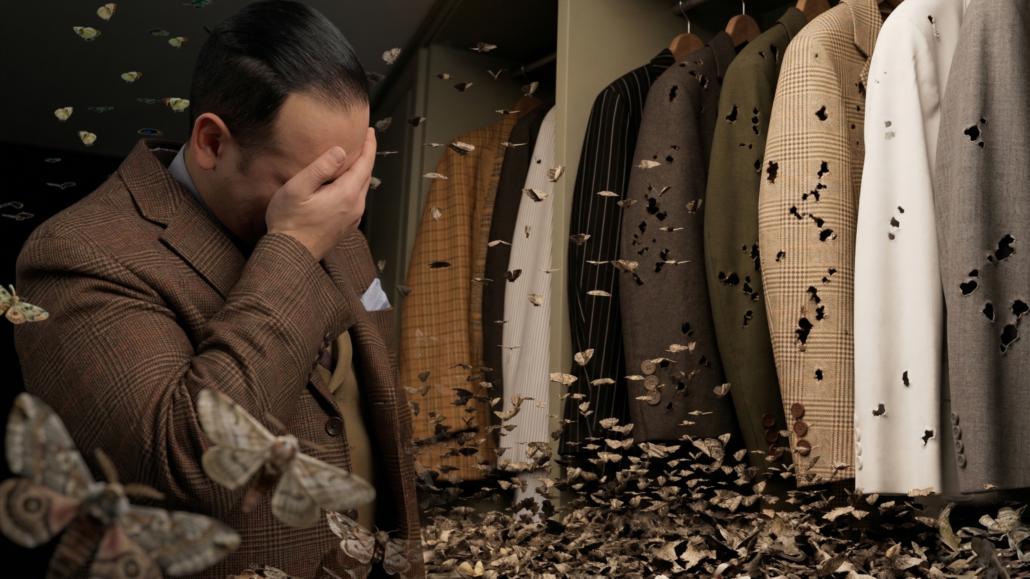
Clothes moths, often underestimated as mere household nuisances, represent a significant and pervasive threat to valuable textiles, capable of inflicting extensive and costly damage to wardrobes, carpets, and other animal-fiber-based furnishings. These destructive insects, primarily in their larval stage, target keratin, a protein found in natural fibers such as wool, cashmere, silk, fur, and feathers, transforming cherished garments and heirloom pieces into irreparable remnants. The insidious nature of an infestation often means that by the time adult moths are spotted, a thriving colony of larvae has already been silently consuming fibers for weeks or even months.
The Silent Destroyer: Understanding the Clothes Moth Threat
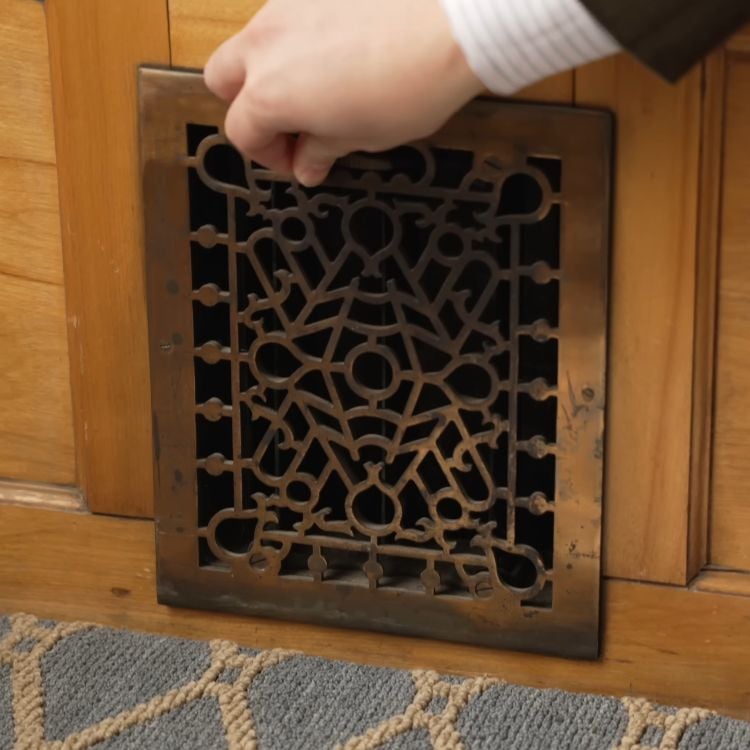
The two most common species responsible for textile damage are the webbing clothes moth (Tineola bisselliella) and the case-bearing clothes moth (Tinea pellionella). Both species thrive in dark, undisturbed environments, actively shunning light (a characteristic known as lucifugous behavior) which differentiates them from common pantry moths often seen near lights. This preference for seclusion means that infestations typically begin and proliferate in hidden areas: the folds of stored clothing, deep within carpet piles, the recesses of upholstered furniture, inside piano felts, or even in neglected corners of HVAC ductwork.
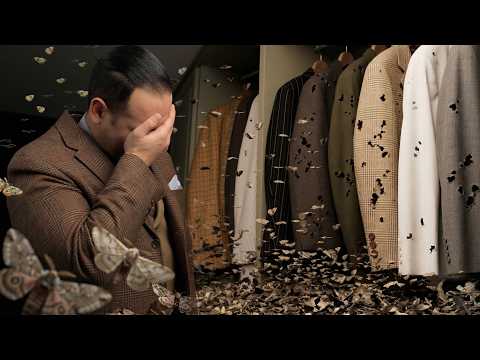
The true agents of destruction are the larvae. Adult moths, having atrophied mouthparts, do not feed; their sole purpose is reproduction. A single female moth can lay hundreds of tiny, white, rice-shaped eggs over her short lifespan. These eggs hatch into voracious larvae that begin feeding immediately, creating the characteristic holes, silken webbing, and frass (excrement) that are definitive signs of an infestation. The economic impact of such damage is substantial, with textile conservationists and pest management professionals reporting annual losses in the millions globally, affecting both personal collections and commercial inventories.
The Initial Encounter: Recognizing the Signs
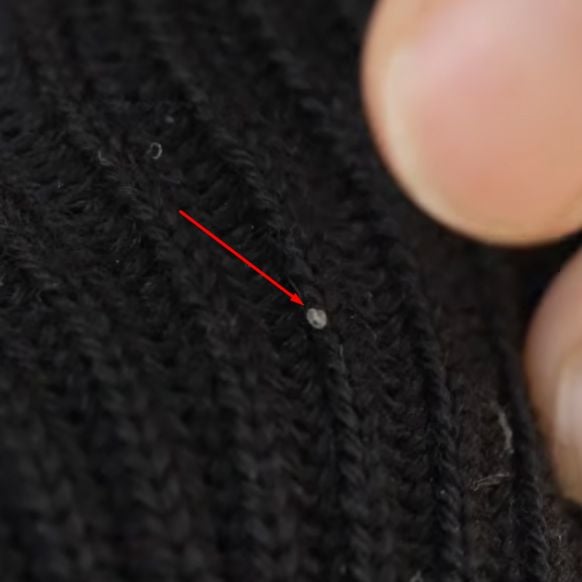
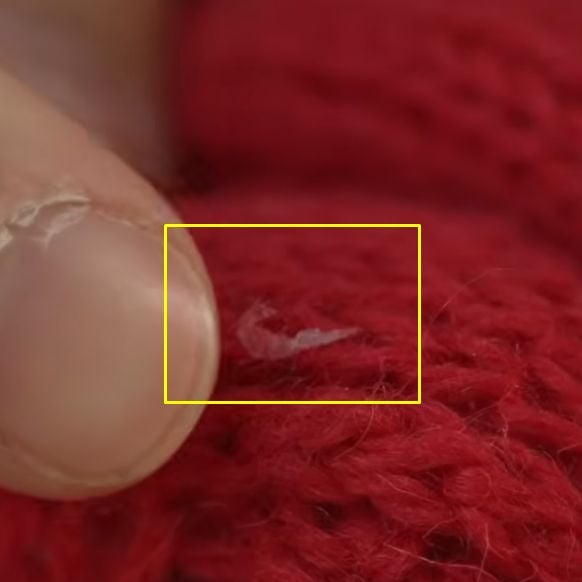
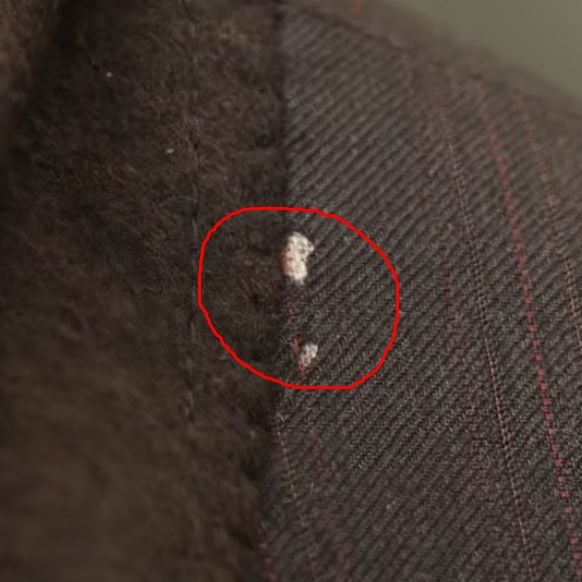
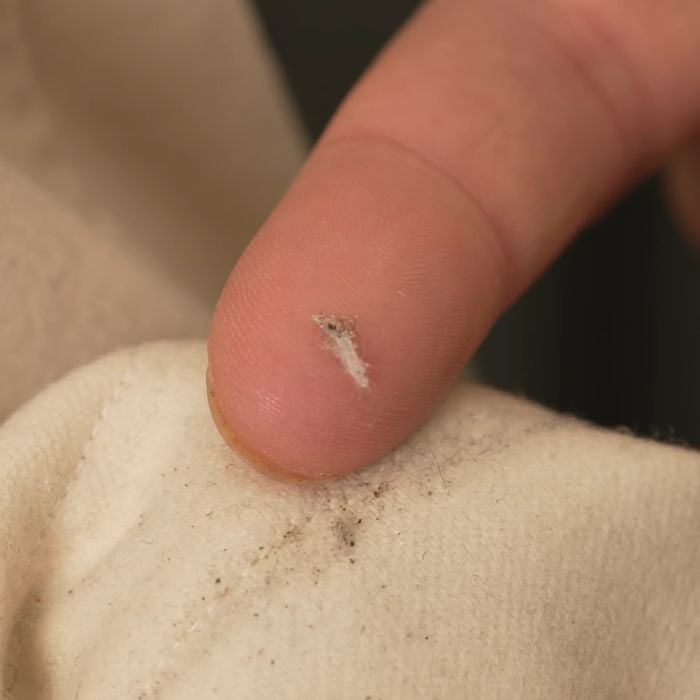
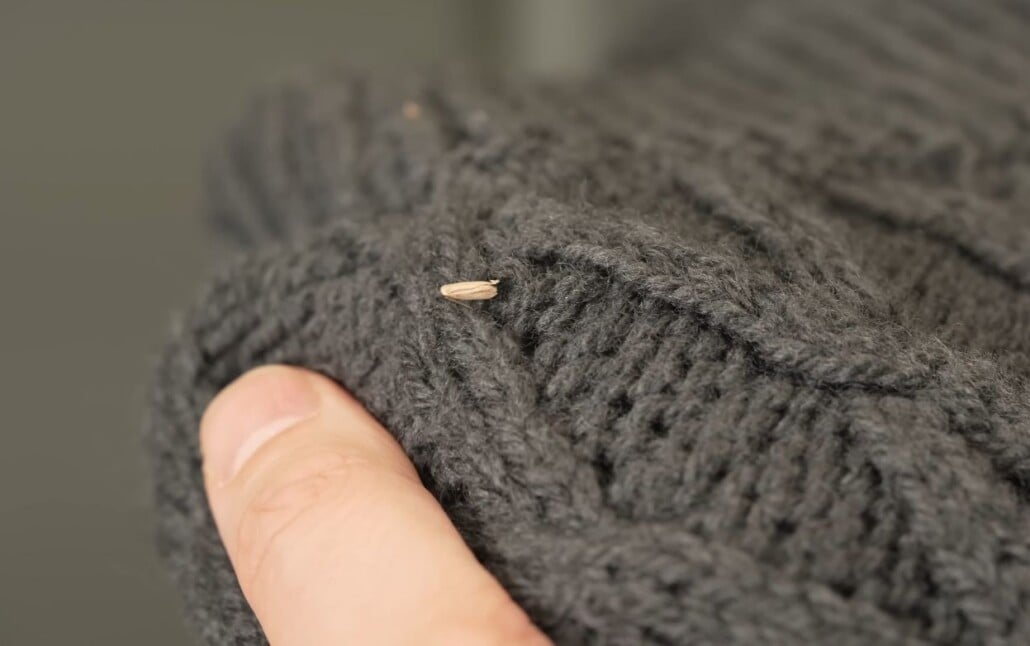
The onset of a clothes moth infestation is often subtle. A homeowner might first notice a single larva crawling on a garment or a tell-tale pinhole in a favorite sweater. This initial sighting frequently triggers a phase of denial, with individuals hoping the problem is isolated. However, further investigation typically reveals a more widespread issue. Common indicators include:
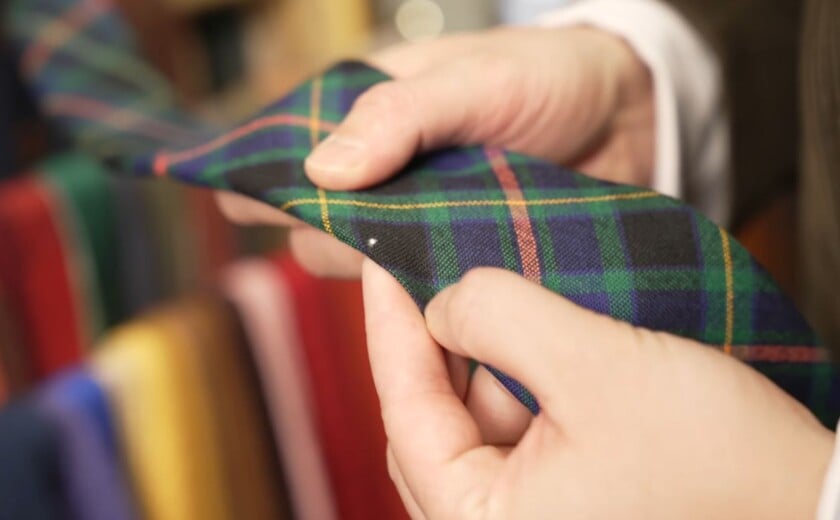
- Small, Irregular Holes: Particularly in wool, cashmere, silk, or fur items. These holes are often found in less visible areas like collars, cuffs, or garment linings.
- Tiny White Eggs: Resembling grains of rice, loosely attached to fabric fibers.
- Silken Tubes or Webbing: Larvae spin these as protective tunnels while feeding.
- Cocoon Residue: Small, cylindrical casings, often camouflaged with fabric fibers.
- Live Larvae: Small, cream-colored caterpillars, sometimes seen actively moving within affected materials.
- Adult Moths: Small, typically tan or golden-colored moths, often observed fluttering weakly in darker areas rather than being drawn to light.
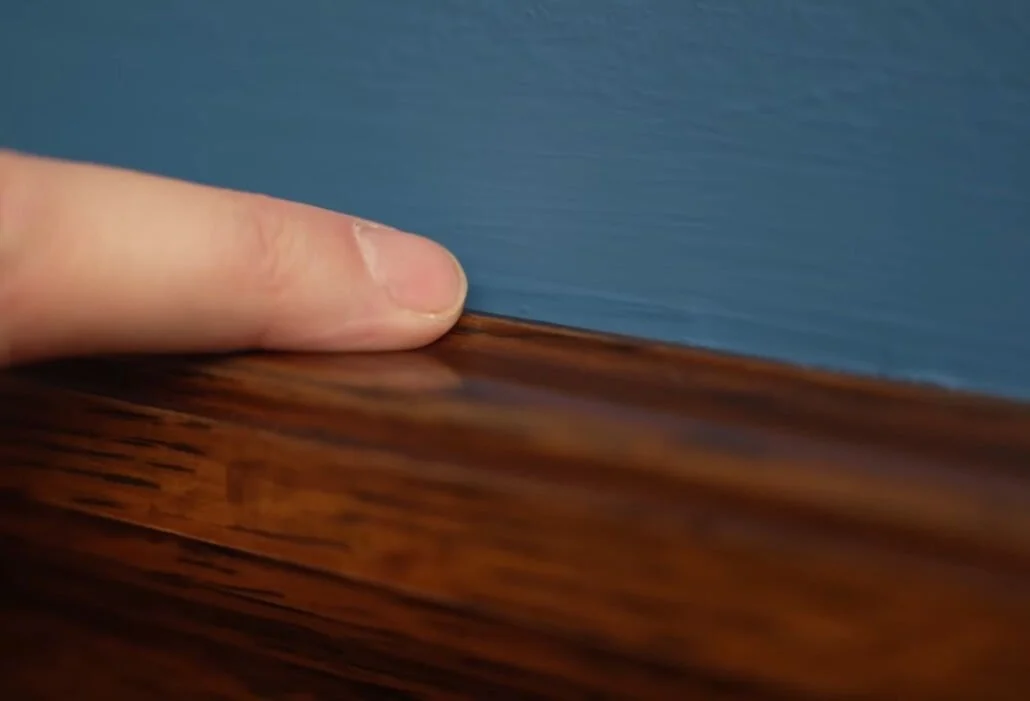
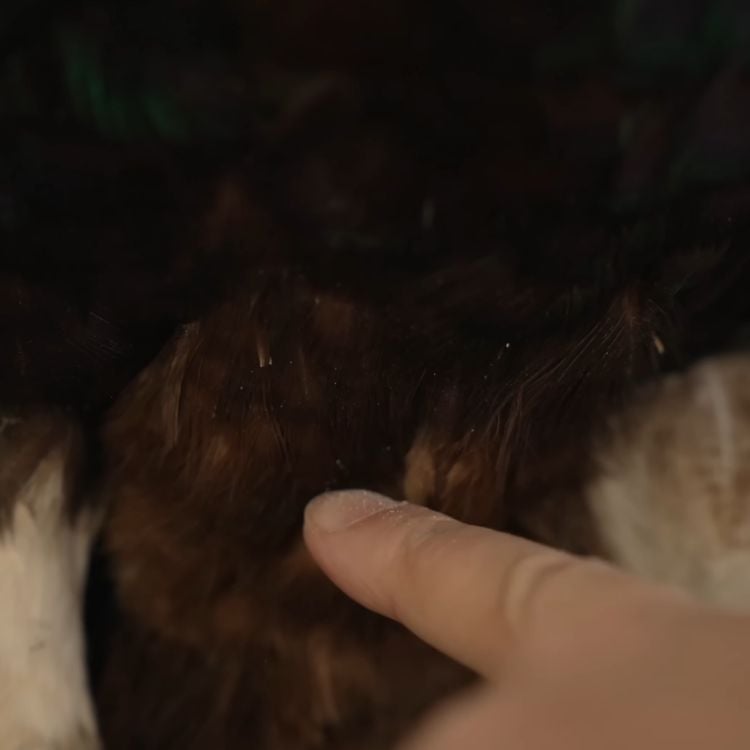
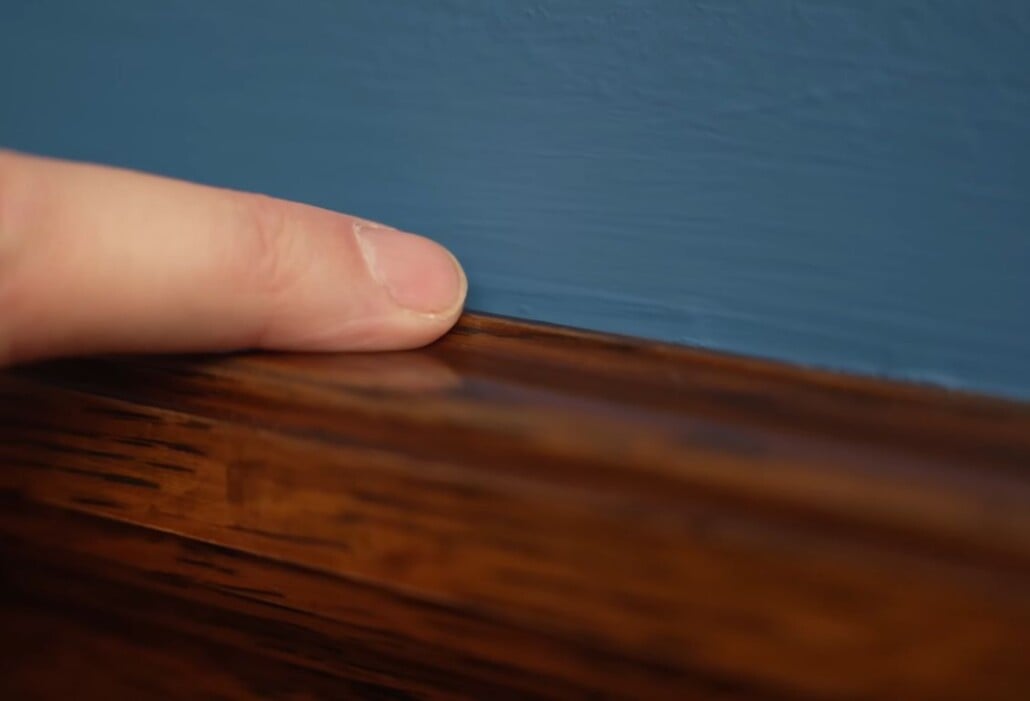
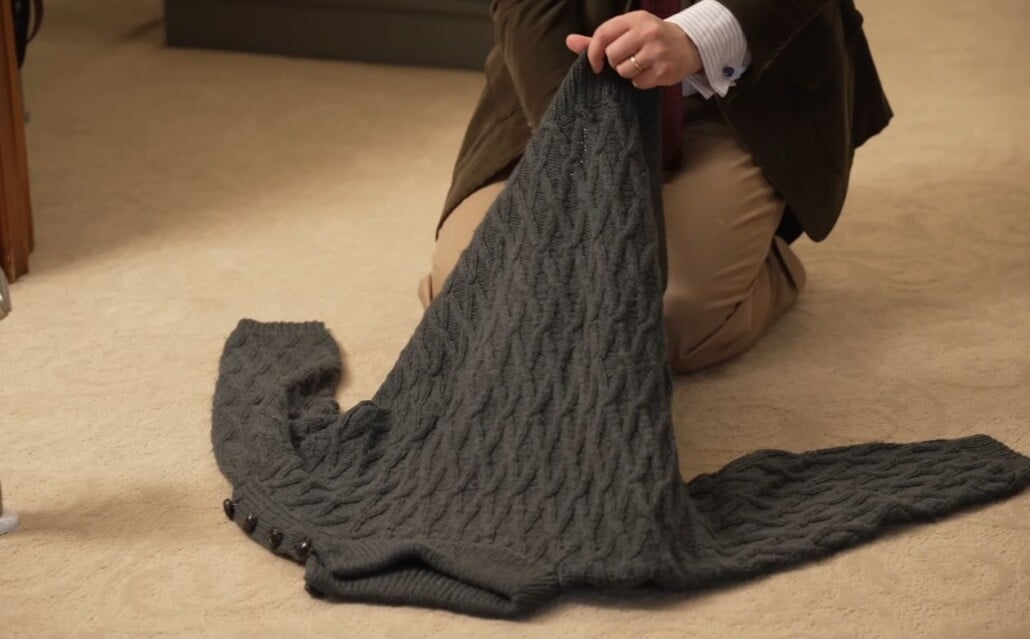
Beyond clothing, a thorough inspection of less obvious locations is critical. These include wool rugs (especially underneath furniture), the undersides of upholstered chairs, the felt components of pianos, taxidermy mounts, and even dust accumulations behind baseboards and within ventilation systems, all of which provide ample keratin sources and undisturbed breeding grounds.
Evaluating Conventional Remedies: Why Many Fall Short
In the face of an infestation, many individuals turn to readily available home remedies or commercial products. However, a critical review reveals that most conventional approaches offer only partial or temporary solutions, failing to address the root cause of a widespread problem.
-
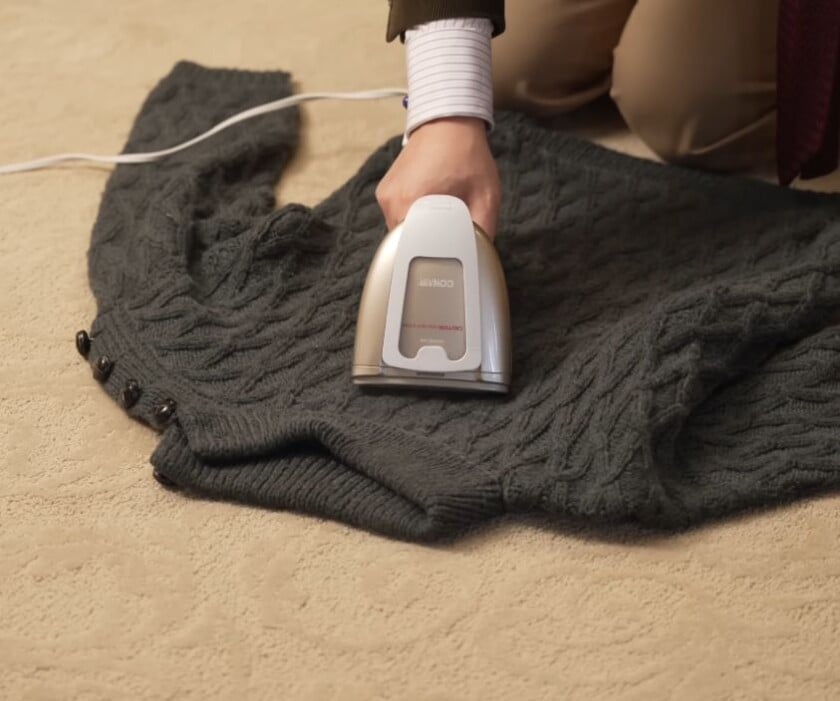
Alcohol Sprays and Steamers: While high-proof alcohol or intense steam can kill surface larvae and eggs on contact, their effectiveness is limited. Achieving deep penetration into thick knit fibers, garment linings, or dense upholstery to eradicate all hidden eggs and larvae is incredibly difficult and time-consuming. These methods often act as band-aid solutions, leaving deeper infestations untouched.
-
Cedar and Lavender: The aromatic oils in cedarwood and lavender are widely touted as moth deterrents. While the strong scent may indeed discourage adult moths from laying eggs in new locations, it does not kill existing larvae or eggs. Furthermore, the efficacy of these natural repellents relies on a high concentration of vapors in an enclosed space. In an actively used closet that is frequently opened, the vapors quickly dissipate, rendering them largely ineffective. At best, cedar serves as a mild preventative in airtight storage, not an eradication tool.

-
Pheromone Glue Traps: Commercial moth traps utilize pheromones to attract and capture adult male moths on a sticky surface. These traps are excellent for identifying the presence of clothes moths and monitoring the severity of an infestation. However, they are fundamentally flawed as an eradication strategy. By capturing only males, they do not prevent females from mating or laying eggs, nor do they eliminate the existing larval population. The cycle of destruction continues unababted, even as the traps fill with adult males.
-
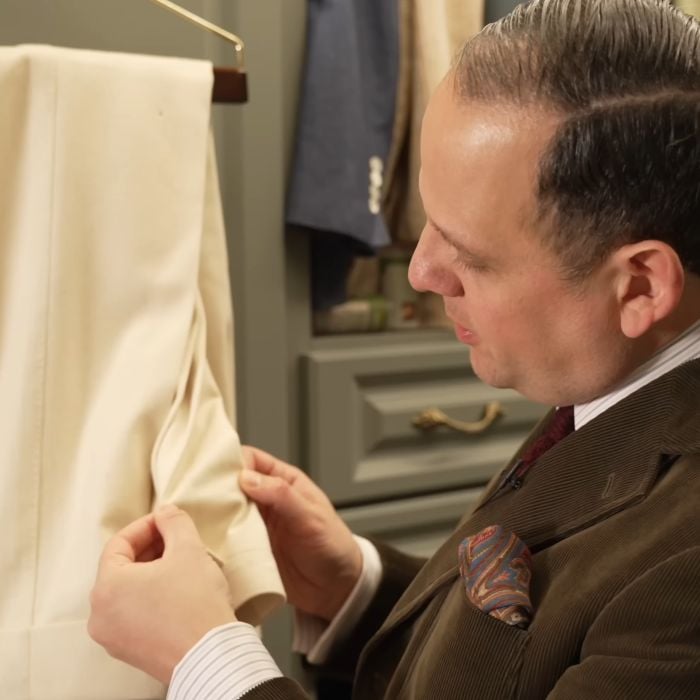
Freezing: Exposure to extreme cold can effectively kill clothes moth eggs and larvae. For individual garments, sealing them in plastic bags and placing them in a freezer at 0°F (-18°C) or below for at least 72 hours (ideally a week) can be a viable treatment. However, scaling this method for a whole-house infestation is impractical. The sheer volume of items, the need for a dedicated freezer, and the extended treatment time for each batch make it a logistical nightmare. While one batch of clothing is freezing, moths elsewhere in the house continue to breed and lay eggs, rendering the effort largely futile for a pervasive problem.
-
Whole-House Heat Treatment: The concept of raising indoor temperatures to a lethal level (e.g., above 130°F or 54°C) can kill all life stages of clothes moths. This method is sometimes employed by professional pest control services. However, attempting this as a DIY solution is highly dangerous and destructive. Such extreme temperatures can cause significant structural damage to a home, leading to peeling wallpaper, warped wood, and damage to electronics, far outweighing the cost of pest control.
-
Mothballs: Mothballs contain powerful pesticides like naphthalene or paradichlorobenzene. While effective in airtight containers where the chemical vapors can reach lethal concentrations, they are highly toxic. Their use in open closets is ineffective due to vapor dissipation and poses serious health risks to humans and pets, causing respiratory irritation and other issues. Moreover, the pervasive, difficult-to-remove odor makes them unsuitable for fine garments.
The Scientific Solution: Biological Control with Parasitic Wasps
The limitations of traditional methods underscore the need for a targeted, comprehensive, and scientifically sound approach. For many entomologists and pest management specialists, the most effective long-term solution lies in biological control, specifically through the deployment of Trichogramma wasps.
Trichogramma wasps are microscopic parasitoids, often less than a millimeter in length, making them virtually invisible to the naked eye. Crucially, these beneficial insects are harmless to humans, pets, and plants; they do not sting or bite and are not interested in human food. Their entire life cycle revolves around one highly specialized purpose: seeking out and parasitizing the eggs of various pest moths, including clothes moths.
When a Trichogramma wasp locates a clothes moth egg, it deposits its own egg inside the moth egg. The developing wasp larva then consumes the moth embryo, effectively killing the moth before it can hatch and become a destructive larva. This breaks the moth’s life cycle at its most vulnerable stage. The wasps are incredibly efficient hunters, capable of locating moth eggs in the darkest, most secluded crevices—places where sprays or steamers simply cannot reach. This makes them ideal for tackling infestations hidden deep within upholstery, carpets, or even inside piano mechanisms, which can incur repair bills exceeding $2,000 if infested.
Implementing a Biological Control Program
Deploying Trichogramma wasps is remarkably straightforward. Suppliers like Arbico Organics provide these wasps as tiny eggs or pupae on small paper strips or tabs. A single tab, often containing thousands of wasp eggs, can effectively cover a significant area, such as 3,000 square feet. For a severe or widespread infestation, it is prudent to deploy multiple tabs to ensure comprehensive coverage.

The strategic placement of these tabs in areas of suspected moth activity – closets, near wool rugs, upholstered furniture, or other high-risk zones – allows the wasps to hatch and immediately begin their search-and-destroy mission. Because moth eggs hatch in stages, and the wasps have a short lifespan (typically 7-10 days), a sustained release program is essential. Initial treatment usually involves deploying new strips weekly, every 10 days, or every two weeks, depending on the severity and life cycle of the specific moth species. This ensures a continuous presence of wasps to intercept successive generations of moth eggs.
The benefits extend beyond mere efficacy. Trichogramma wasps leave no chemical residue, making them an environmentally friendly and safe option for homes with children or pets. When the wasps complete their life cycle, they simply decompose into microscopic dust, easily removed during routine vacuuming and dusting, requiring no special cleanup.
Fortifying the Perimeter: Long-Term Prevention
While biological control effectively eradicates an active infestation, permanent prevention requires integrating proactive maintenance strategies. Moths are opportunistic and can be reintroduced into a home through various means: an open window, an infested second-hand garment, or even hitchhiking on an overcoat after a social gathering.
Key long-term prevention measures include:
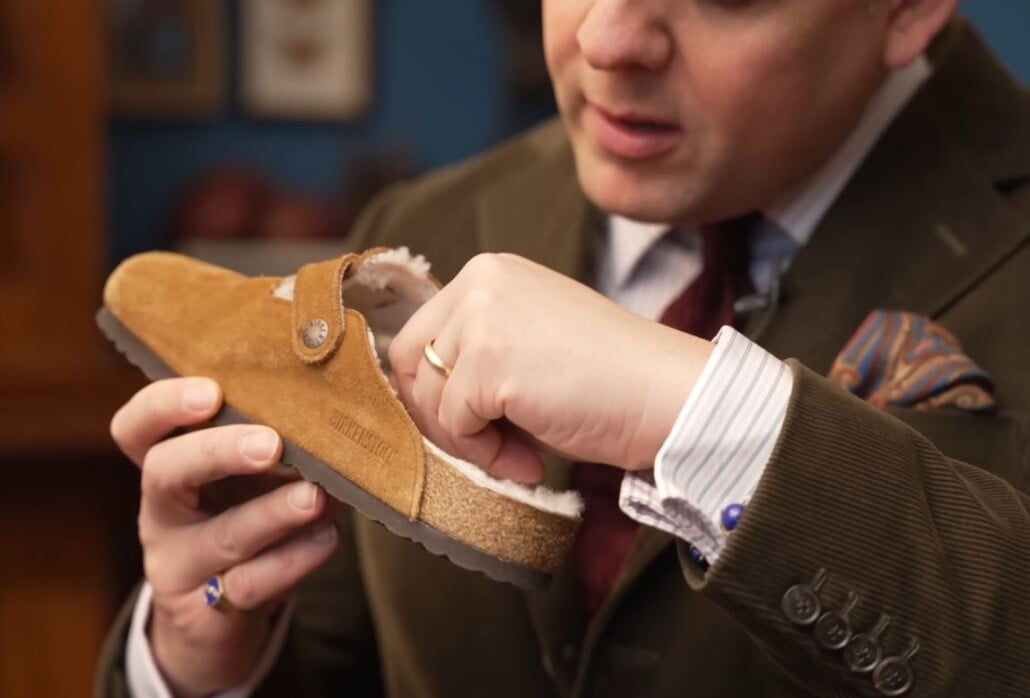
- Regular Garment Brushing: Moth eggs are fragile and loosely attached. Vigorously brushing wool and cashmere garments outside after every wear dislodges any microscopic eggs or larvae before they can establish themselves in the closet. A high-quality clothes brush is an indispensable tool for this.
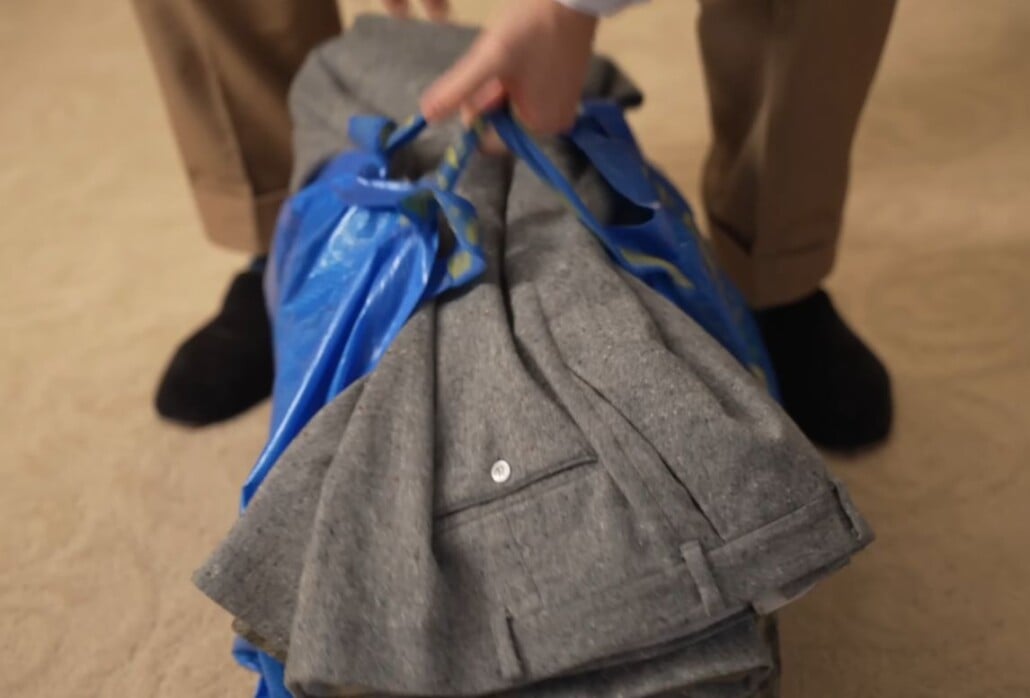
- Breathable Garment Storage: For seasonal or infrequently worn items, eschew dry cleaner plastic bags, which trap moisture and can damage fabrics. Instead, use high-quality, breathable cotton or non-woven garment bags. These create a physical barrier too fine for moths to penetrate while allowing air circulation to protect the fabric.
- Environmental Hygiene: Consistent and thorough cleaning is paramount. Regularly vacuuming carpets, especially along baseboards and under furniture, removes dust, lint, and pet dander – all potential food sources and hiding spots for moth larvae. Frequent dusting and decluttering also reduce harborage sites.
- Inspect New Acquisitions: Before bringing any new or second-hand woolens, furs, or upholstered items into the home, thoroughly inspect them for signs of moths. If suspicious, isolate and treat them (e.g., freezing) before integrating them into your wardrobe or home.
- Continuous Biological Control: For those with extensive collections or a history of infestations, adopting a "Netflix subscription" approach to wasp deployment offers unparalleled peace of mind. A monthly delivery and release of Trichogramma wasps maintains a constant protective barrier, intercepting any new moth eggs before they can hatch and cause damage. The cost of this ongoing biological defense is minimal compared to the value of a meticulously built wardrobe or cherished home furnishings.
Conclusion
A clothes moth infestation is more than an inconvenience; it is a direct threat to personal investment and textile heritage. Moving beyond superficial home remedies and understanding the biological realities of these pests is crucial for effective management. The strategic application of biological control, particularly through Trichogramma wasps, coupled with diligent wardrobe maintenance and environmental hygiene, offers a scientifically sound, environmentally friendly, and ultimately permanent solution. By adopting an integrated pest management approach, individuals can protect their valuable textiles, ensuring their longevity for generations to come.
Frequently Asked Questions
Where do clothes moths come from?
Clothes moths are drawn to dark, quiet areas rich in natural fibers, lint, dust, and organic debris. They can enter homes through open windows, on infested second-hand items (clothing, rugs, furniture), or even on pet hair. Once inside, they seek out undisturbed locations like closets, drawers, storage boxes, rugs, upholstery, and less obvious spots like taxidermy, felt hats, and the felt in pianos.
What are the most common clothes moth species?
The two primary species responsible for fabric damage are the webbing clothes moth (Tineola bisselliella) and the case-bearing clothes moth (Tinea pellionella). Both species exclusively feed on keratin-rich animal fibers.
What do clothes moth larvae actually eat?
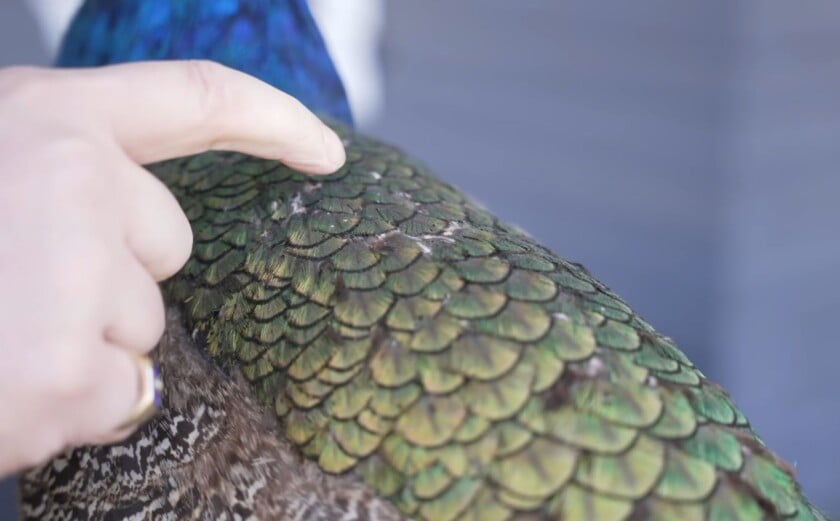
It is the larvae, not the adult moths, that consume fibers. They feed on keratin, the protein found in animal-based materials such as wool, cashmere, silk, fur, and feathers. Dust, human skin cells, and other organic debris can also make an environment more attractive for breeding.
Do I need to wash all my clothes if I have moths?
Any garment containing animal fibers that was stored in an infested area should be treated. This is because moth eggs and early-stage larvae are microscopic and often invisible until damage appears. Effective treatments include professional dry cleaning, laundering in water at least 120°F (49°C) for 20-30 minutes, or the freezing method (0°F/-18°C for at least 72 hours). Vigorous brushing is highly effective for items that cannot be washed or frozen.
Are mothballs safe or toxic?
Mothballs are registered pesticides containing naphthalene or paradichlorobenzene. They are toxic and should be used with extreme caution, only in airtight containers to achieve a lethal concentration of gas. In open closets, they are ineffective and pose health risks due to toxic vapor exposure, which can cause respiratory irritation and other serious issues. The strong, persistent odor is also notoriously difficult to remove from fabrics.
Do cedar blocks or cedar hangers really work?
Cedar’s essential oils can act as a mild deterrent, but they are generally insufficient to stop an established clothes moth infestation. The scent may discourage adult moths from laying new eggs in some areas, but it does not kill existing larvae or eggs, nor does it address infestations elsewhere in the home. For any deterrent to be effective, the scent concentration must be high and consistent, which is rarely achievable in an open closet.
Can freezing clothes kill moths?
Yes, freezing is an effective method for killing clothes moth eggs and larvae on individual garments. Items should be sealed in plastic bags and placed in a freezer at or below 0°F (-18°C) for a minimum of 72 hours, though a week is often recommended for thoroughness. However, freezing is not a practical solution for a widespread, house-wide infestation due to scale and logistical challenges.
What is the best way to get rid of clothes moths permanently?
The most effective and sustainable long-term solution involves an integrated approach: thorough cleaning and garment treatment, combined with biological control using parasitic Trichogramma wasps to destroy moth eggs at the source, and ongoing preventive measures like regular garment brushing and breathable storage.
Are clothes moths dangerous to humans or pets?
No. Clothes moths do not bite, sting, or transmit diseases to humans or pets. Their only threat is to keratin-rich materials, making them a danger solely to your wardrobe and home furnishings.
References

Mallis, A. (2011). Handbook of pest control: The behavior, life history, and control of household pests (10th ed.). Mallis Handbook Company.
O’Connor-Marer, P. J. (2006). Residential, Industrial, and Institutional Pest Control. University of California Agriculture and Natural Resources.
Potter, M. F. (2018). Clothes moths. University of Kentucky Entomology.
University of California Statewide IPM Program (UC IPM). (2021). Pest Notes: Clothes Moths. Publication 7435.