







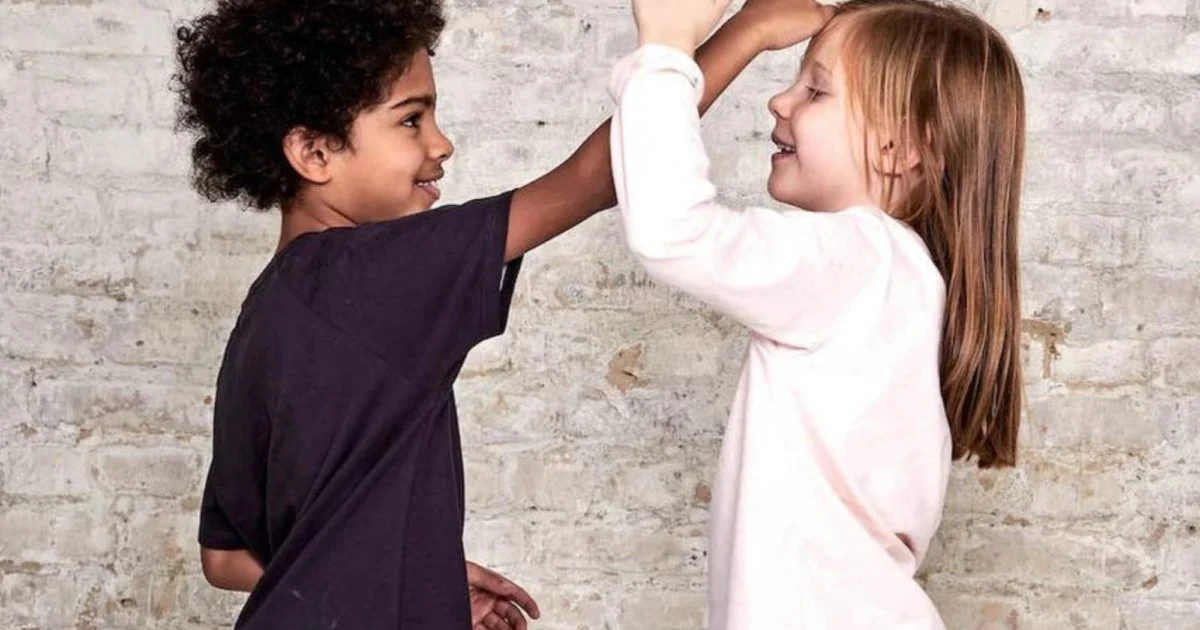
The quest for sustainable children’s clothing presents a unique challenge for environmentally and ethically minded parents and gift-givers alike. With children outgrowing garments at an astonishing pace, the allure of inexpensive, mass-produced fast fashion can be strong. However, a growing awareness of the environmental and social costs associated with conventional clothing production is driving a significant shift towards more responsible consumption. This guide, meticulously curated by our editors, showcases highly-rated brands from around the globe, each assessed by a rigorous rating system, to simplify the process of choosing "Good" and "Great" options for the youngest members of our society.
The Urgent Need for Ethical Children’s Wear
The global fashion industry is a major contributor to environmental degradation and social injustice. Fast fashion, characterized by rapid production cycles, low costs, and transient trends, exacerbates these problems. For children’s clothing, this cycle is particularly vicious. Kids grow quickly, leading to an exceptionally high turnover of garments. This often means cheap materials, exploitative labor practices, and a colossal amount of textile waste ending up in landfills.
Annually, the fashion industry consumes vast amounts of water, pollutes waterways with toxic dyes and chemicals, and generates significant greenhouse gas emissions. Reports from organizations like the Ellen MacArthur Foundation highlight that less than 1% of clothing is recycled into new garments, with the majority either incinerated or sent to landfills. For children’s clothing, the impact extends beyond environmental concerns to direct health implications, as conventional fabrics often contain harmful chemicals, dyes, and finishes that can irritate sensitive skin or pose long-term health risks.
Conscious consumers are increasingly demanding transparency and accountability from brands. A 2023 study by McKinsey & Company indicated that over 60% of consumers consider sustainability when making purchasing decisions, a figure that is even higher among parents buying for their children. They seek products made from organic, recycled, or otherwise lower-impact materials, produced under fair labor conditions, and designed for durability and longevity. This growing demand has fueled the rise of brands committed to ethical practices, offering alternatives that align with family values without compromising on quality or style.
Good On You’s Rigorous Evaluation Framework
To assist consumers in making informed choices, platforms like Good On You employ a comprehensive rating system that evaluates brands across three key areas: Planet, People, and Animals. Brands featured in this guide are rated "Good" or "Great," signifying their commitment to addressing critical ethical and environmental issues.
- Planet: This category assesses a brand’s environmental footprint, including its use of resources, waste management, chemical policies, and efforts to reduce greenhouse gas emissions. Brands scoring high in this area often utilize organic cotton, recycled polyester, or other innovative, low-impact materials, and implement strategies for water conservation and energy efficiency.
- People: This evaluates a brand’s labor practices, from supply chain transparency and fair wages to safe working conditions and child labor avoidance. Brands with "Good" or "Great" ratings typically have strong codes of conduct, conduct independent audits of their factories, and actively work to ensure living wages and empower workers.
- Animals: For brands that use animal-derived materials, this category scrutinizes animal welfare practices. While children’s clothing often features fewer animal products, ethical sourcing of materials like wool (e.g., ZQ Merino certified) remains crucial. Many sustainable children’s brands also offer entirely vegan ranges.
By relying on such a robust framework, this guide empowers parents to navigate the complex landscape of sustainable fashion with confidence, ensuring their purchases contribute positively to both the planet and its people.
A Global Showcase of Ethical Children’s Clothing Brands
This curated selection features brands committed to sustainability, divided by region to help consumers find options closer to home, though many offer worldwide shipping.
United States and Canada
The North American market for sustainable children’s wear is robust, featuring brands that prioritize organic materials, fair labor, and environmental stewardship.
- Smartwool: Hailing from Colorado, Smartwool specializes in merino wool base layers and clothing, renowned for its performance and natural properties like temperature regulation and odor resistance. Their use of ZQ Merino certified wool ensures high standards of animal welfare and environmental management. This certification is a testament to their commitment to ethical sourcing, providing peace of mind for parents seeking durable, natural fibers for their active children.
- Sustain by Kat: This brand truly embodies "clothing with a conscience," offering timeless organic women’s and children’s apparel dyed exclusively with plants. Their dedication to the environment is evident in their use of GOTS certified organic cotton and lower-impact, plant-based dyes, which are safer for both children’s skin and the planet. Available for babies, toddlers (1-3), and children (3-12).
- Q for Quinn: Focused on non-toxic, eczema-friendly clothing for all ages, Q for Quinn crafts essentials from organic, responsibly sourced materials. Their commitment to health and safety for sensitive skin types makes them a standout choice. Sizes span babies, toddlers (1-3), and children (3-12).
- Patagonia: A pioneer in ethical outdoor wear, Patagonia extends its strong environmental and labor practices to its children’s line. The brand boasts "Good" labor practices, actively uses recycled polyester, and is dedicated to reducing energy consumption and emissions. Their durable garments are designed to last, promoting a circular economy, with options for babies, toddlers (1-3), children (3-12), and teens (13-18). They also encourage extended product life through initiatives like their "Worn Wear" program.
- Conscious Step: This US-based brand creates premium fair trade, organic vegan socks and clothes, with each purchase supporting various charities. Their commitment to lasting social and environmental change is woven into every step of their production, ensuring fair wages, safe facilities, and the use of lower-impact materials. Available for toddlers (1-3) and children (3-12).
- Mightly: Mightly produces organic cotton and Fair Trade USA certified children’s apparel, including tees, leggings, dresses, and pajamas. Their GOTS certified cotton ensures ecological and social criteria are met throughout the textile supply chain, from fiber harvesting to manufacturing. Sizes range from babies to teenagers (13+).
- Katla: With Nordic design inspiration, Katla offers loungewear for the whole family, including children. Their ethos centers on minimizing fashion’s environmental impact through anti-waste manufacturing principles and limited production runs. They utilize innovative, lower-impact materials to create luxurious, conscious comfort for babies, toddlers (1-3), and children (3-12).
- MATE the Label: This female-founded US brand focuses on "clean essentials" for women and children, using GOTS certified organic fabrics and low-impact dyes. Their local manufacturing reduces carbon footprint, making their sustainable and beautiful products a conscious choice for babies, toddlers (1-3), and children (3-12).
- tentree: The Canadian brand tentree champions the idea that "big change starts small." For every item purchased, ten trees are planted, contributing to ecosystem regeneration and providing employment in communities worldwide. Having already planted over 65 million trees, tentree’s "Earth-first" approach ensures fair, safe working conditions and the use of lower-impact and recycled materials across their baby, toddler (1-3), and children’s (3-12) collections.
- éclipse: Specializing in climate control UPF 50+ clothing and accessories, éclipse helps keep families sun-safe. Their commitment to sustainability is demonstrated through local manufacturing to reduce carbon footprint and an entirely vegan product range. Available for babies, toddlers (1-3), and children (3-12).
- Jackalo: This brand creates organic and ethical playclothes for kids, utilizing a high proportion of GOTS certified organic cotton. A notable practice is their reuse of all offcuts, significantly minimizing textile waste and promoting a truly circular approach. Sizes are available for children (3-12) and teenagers (13+).
European Union
European brands are at the forefront of sustainable fashion, blending innovative materials with classic design and strong ethical commitments.
- Orbasics: A stylish German brand, Orbasics transforms soft organic cotton into durable, gender-neutral clothes. Founder Lilija’s motivation to find high-quality, ethical options for her daughter led to a brand that thoughtfully chooses responsible options from harvest to production, using 100% GOTS certified cotton and local production partners. Available for babies, toddlers (1-3), and children (3-12).
- Josette la Chouette: This French online store combines quality craftsmanship with graphic originality in its baby-wearing scarves and organic cotton t-shirts for kids. Their focus on durable and aesthetically pleasing designs reflects a commitment to products that last. Sizes are offered for babies, toddlers (1-3), and children (3-12).
- Coq en Pâte: A French children’s accessories and fashion brand, Coq en Pâte places ethics at the heart of its creative processes. They use a high proportion of lower-impact materials, including GOTS certified cotton, and most of their supply chain is either independently audited or directly visited by the brand, ensuring transparency and fair practices. Suitable for babies, toddlers (1-3), and children (3-12).
- NIKIN: This European brand links every product purchase to planting a tree, aiming to instill a love for nature in young ones through their Kids Collection. This direct environmental impact, combined with their commitment to responsible production, makes NIKIN a powerful choice. Sizes available for toddlers (1-3) and children (3-12).
- Kampos: A luxurious Italian brand, Kampos is driven by a mission to raise awareness of overfishing and marine pollution. They craft swimwear and clothes from recycled plastic bottles, fishing nets, and other lower-impact organic fabrics, demonstrating how high-end fashion can be deeply sustainable. Available for toddlers (1-3) and children (3-12).
- TWOTHIRDS: Describing itself as a brand for those "awake and aware of the immense value of our oceans," TWOTHIRDS offers stylish and sustainable kidswear. They manufacture all products locally to reduce their carbon footprint and audit all stages of final production, ensuring ethical standards. Sizes are available for children (3-12).
United Kingdom
The UK offers a selection of brands that embody the principles of slow fashion and responsible production, with a focus on organic materials and transparent supply chains.
- Beaumont Organic: This UK-based slow fashion brand seamlessly blends simple style with responsible production. Founded by Hannah Beaumont-Laurencia, the brand also supports its own charitable foundation in Fiji, extending its ethical commitment beyond its clothing line. Their baby sizes offer a gentle start for newborns.
- Pop My Way: A GOTS certified brand, Pop My Way features mix-and-match baby essentials designed for modularity. Their versatile designs, with elements that can be switched in and out, simplify dressing little ones while ensuring high environmental and social standards. Available for babies.
- PANGAIA: This UK-based brand designs products for various situations, focusing on smart technology and recyclable elements. PANGAIA is renowned for its innovative materials, such as those derived from seaweed or recycled plastics, and its science-based approach to fashion. Their commitment to sustainability is evident in their efforts to sustain basic needs with cutting-edge, lower-impact materials. Sizes available for babies, toddlers (1-3), and children (3-12).
- Frugi: A vibrant British label, Frugi specializes in bright, wearable organic clothing for the whole family, including maternity and nursing wear. Their distinctive designs and unwavering commitment to "putting the planet first" are hallmarks of the brand. Frugi offers playful and classic options for babies, toddlers (1-3), and children (3-12).
- Stella McCartney: A leader in luxury sustainable fashion, Stella McCartney has set excellent environmental standards across the industry. As a member of the Ethical Trading Initiative and Sustainable Apparel Coalition, the brand uses lower-impact materials like recycled polyester and organic cotton. They have a robust strategy to reduce waste and adhere to the ETI Code of Conduct, including a living wage definition. Sizes available for toddlers (1-3), children (3-12), and teenagers (13+).
Australia and New Zealand
Brands in this region are integrating sustainable practices with unique aesthetics, often drawing inspiration from their natural surroundings.
- Aster & Oak: This West Australian brand offers a unique collection of soft, certified organic cotton baby clothes and bedding. Their focus on gentle, natural materials is ideal for sensitive infant skin, ensuring comfort and safety. Sizes available for babies and children (1-5).
- NICO: Established in 2012 by Lis Harvey, NICO celebrates minimalism and understated luxury in its high-quality basics and underwear for all ages, including children. Their factories are signatories to The Bangladesh Fire and Building Safety Accord and are compliant with BSCI and WRAP, demonstrating strong ethical labor commitments. Sizes are offered for babies, toddlers (1-3), and children (3-12).
- Oobi: An Australian girls’ fashion, swimwear, homewares, and lifestyle brand, Oobi creates stylish clothes using lower-impact, non-toxic dyes and avoids animal products. They prioritize reducing their climate impact by using sea freight for product transport. Available for babies, toddlers (1-3), and children (3-12).
East Asia
East Asia contributes innovative solutions to sustainable fashion, particularly in transforming waste into wearable textiles.
- Loop Swim: Co-founded by two women from the US and India and headquartered in Shanghai, Loop Swim is dedicated to circular design and waste reduction. They transform post-consumer plastic bottles into high-quality REPREVE UPF50+ sun protective swimwear for men, women, and children. Their trendless, durable designs are engineered to retain shape and color, promoting longevity and minimizing replacement needs. Sizes available for toddlers (1-3) and children (3-12).
South Asia
South Asian brands are leveraging traditional craftsmanship and local resources to create ethical and customizable children’s wear.
- SeamsFriendly: This Indian brand celebrates all sizes and offers beautiful, tailored pieces for all body types, including customizable children’s clothing. They prioritize function and utility in their designs and use lower-impact materials like organic cotton and linen. A unique offering is their full customizability, allowing adjustments to neckline, sleeve, and garment length at no extra cost, ensuring a perfect fit that extends garment life. Children’s sizing ranges from bust: 18″-28″, waist: 19″-26″, with custom sizing available.
Beyond the Purchase: Fostering a Sustainable Lifestyle
While buying from ethical brands is a crucial step, true sustainability in children’s wear extends beyond the initial purchase. Parents can further reduce their environmental footprint by:
- Embracing Second-Hand and Swaps: Given children’s rapid growth, buying pre-loved clothes or participating in clothing swap networks with other parents is an incredibly effective way to extend the life cycle of garments. Platforms like Retykle, mentioned for some brands, facilitate this.
- Prioritizing Durability and Quality: Investing in high-quality, well-made garments, even from sustainable brands, ensures they can withstand countless washes, active play, and be passed down to siblings or other children.
- Caring for Clothes Properly: Following care instructions, washing in cold water, and air-drying can significantly prolong the life of clothing and reduce energy consumption.
- Repairing and Upcycling: Minor tears or stains don’t have to mean the end of a garment’s life. Simple repairs or creative upcycling can give clothes a new lease on life.
The landscape of sustainable children’s clothing is continually evolving, with more brands adopting responsible practices and consumers becoming more discerning. By supporting these "Good" and "Great" brands, and by adopting conscious consumption habits, we can collectively work towards a fashion industry that nurtures both our children and the planet they will inherit. This guide serves as a valuable resource, updated regularly to reflect the latest in ethical fashion, demonstrating that dressing children sustainably is not just possible, but increasingly accessible and stylish.