









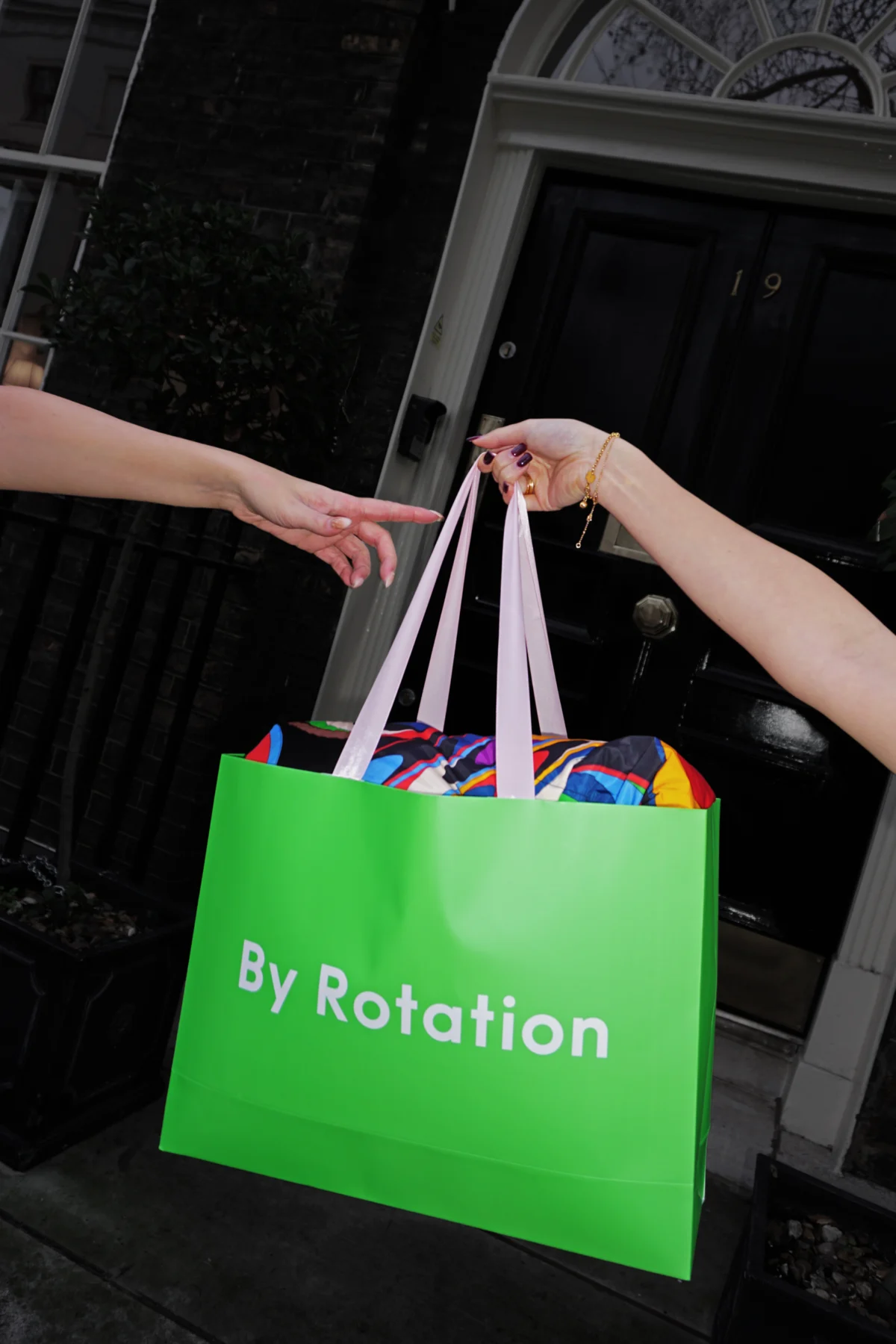
By Rotation, the United Kingdom’s premier peer-to-peer fashion rental platform, has officially announced a strategic partnership with the global ride-sharing and logistics giant Uber to streamline the delivery of high-end rental garments. This collaboration, which is scheduled to run through May 31, introduces a high-speed logistical solution for the "circular economy," allowing users to rent outfits from neighbors and receive them via Uber Courier within 60 minutes. To incentivize the adoption of this new service, the partnership includes a 10% discount on deliveries, automatically applied through the By Rotation app. While the service is available for all types of fashion rentals, it is specifically optimized for the burgeoning demand for ski wear, a category characterized by its high cost, bulkiness, and the logistical challenges of transport.
The Evolution of the "Emergency Economy" in Fashion
The partnership is a direct response to shifting consumer behaviors within the fashion rental market. According to data released by By Rotation, approximately 25% of all rentals on the platform are initiated within 48 hours of an event. This phenomenon, described by By Rotation founder and CEO Eshita Kabra-Davies as the "emergency economy," highlights a growing trend of "sartorial panic"—the moment a consumer realizes they lack a suitable outfit for an impending engagement.
Historically, these moments of urgency have driven "panic purchases" from fast-fashion retailers, contributing to the industry’s significant environmental footprint. By integrating Uber’s rapid delivery infrastructure, By Rotation aims to provide a sustainable alternative that rivals the speed of traditional e-commerce. Kabra-Davies noted that by removing logistics as a friction point, the platform can effectively transition consumers from "fast fashion" to "slow fashion" without sacrificing the convenience that modern shoppers demand.
Logistics and the Strategic Focus on Winter Sports
The timing of the partnership aligns with the peak of the European ski season. Skiing remains a major pastime in the U.K., with recent industry reports from SAM (Ski Area Management) indicating that the number of U.K. skiers rose by 7% last season, reaching approximately 1.16 million participants. However, the high cost of quality ski apparel—often reaching thousands of dollars for a full technical outfit—combined with the difficulty of storing and transporting bulky gear, has made rental an increasingly attractive option.
By Rotation’s internal metrics reveal that 30% of users seeking ski gear on the platform look for same-day pickup. The partnership with Uber Courier addresses this specific pain point, allowing users to secure professional-grade performance wear—such as Moncler, Perfect Moment, or Cordova—without the burden of physical travel to collect the items. This "neighborhood-to-neighborhood" delivery model leverages Uber’s existing network of drivers and couriers to create a hyper-local supply chain, reducing the carbon emissions typically associated with long-distance shipping and centralized warehousing.
Integration and User Experience
The technical integration of the service is designed to be seamless for the end-user. When a borrower in the U.K. selects an item from a lender within a serviceable radius, a pop-up banner on the checkout page prompts them to choose "Uber Courier" as their delivery method. The 10% discount is integrated into the pricing structure, and the transaction triggers a courier request through the Uber Direct API.
This move marks a significant step for Uber as it continues to diversify its business model beyond ride-hailing and food delivery. By positioning itself as a logistics partner for the circular economy, Uber is tapping into a retail segment that is projected to grow substantially over the next decade. For By Rotation, the partnership represents a scaling of their "community-first" approach, providing lenders with a more professionalized way to distribute their inventory while ensuring borrowers receive luxury items with the efficiency of a digital marketplace.
The Broader Context of the Circular Economy
The fashion industry is currently responsible for an estimated 10% of global carbon emissions and 20% of global wastewater. In response, the "sharing economy"—also known as the circular economy—has seen a surge in popularity, particularly among Gen Z and Millennial consumers. Platforms like By Rotation, Depop, and Vinted have moved from niche markets to mainstream financial powerhouses.
By Rotation, launched in 2019, has quickly ascended to become one of the world’s largest peer-to-peer rental ecosystems. The platform currently boasts more than one million users, including high-profile figures such as songwriter Ellie Goulding. The total value of the luxury inventory managed by the community exceeds $100 million. This scale has transformed the platform into more than just a wardrobe-sharing app; it has become a legitimate source of supplemental income for many users.
Kabra-Davies highlighted the socio-economic impact of the platform by citing the example of a top lender who used her wardrobe earnings to fund her IVF journey, eventually leading to a successful surrogacy. This narrative underscores the potential of the circular economy to provide significant financial agency to individuals, turning dormant assets—in this case, designer clothing—into capital.
A History of Strategic Collaborations
The Uber partnership is not By Rotation’s first foray into creative industry collaborations. Previously, the company partnered with Airbnb to offer free rental wedding outfits for guests attending destination weddings booked through the travel platform. That initiative was designed to solve the "wear-it-once" problem often associated with wedding attire, while also addressing the luggage constraints of international travel.
These partnerships reflect a broader strategy of "meeting the consumer where they are." By identifying specific travel or social occasions where fashion and logistics intersect, By Rotation has been able to expand its market share and reinforce its brand identity as a problem-solver for the modern consumer.
Global Ambitions and Future Outlook
While the current Uber partnership is focused on the U.K. market, By Rotation has clear intentions for global expansion. The platform has already established a presence in New York City and is actively eyeing the United Arab Emirates (UAE) as its next major territory. Kabra-Davies has stated that her ambition is for the "rotating wardrobe" to become the default mode of consumption globally.
The partnership with Uber serves as a pilot for what could eventually become a worldwide standard for fashion rental logistics. As urban centers become more congested and the demand for sustainable living grows, the ability to move high-value goods quickly across short distances will be a critical competitive advantage.
Industry analysts suggest that the success of this initiative could lead to more permanent arrangements between ride-sharing platforms and circular economy startups. If the 60-minute delivery model proves successful for ski gear and emergency event wear, it could be expanded to include everyday luxury items, further eroding the dominance of fast-fashion retailers.
Analysis of Market Implications
The collaboration between By Rotation and Uber signals a maturation of the peer-to-peer rental market. It moves the industry away from "casual lending" toward a sophisticated retail model that prioritizes the "last-mile" delivery experience. For the broader fashion industry, this suggests that the barrier to entry for sustainable consumption is lowering. When a rented, high-quality garment can reach a consumer’s door as fast as a new purchase from a fast-fashion site, the ethical choice also becomes the most convenient choice.
Furthermore, this partnership places pressure on traditional retailers to reconsider their logistical strategies. As the "emergency economy" grows, the traditional three-to-five-day shipping window may no longer be sufficient for a consumer base accustomed to on-demand services.
As the May 31 deadline approaches, the results of this partnership will likely be closely watched by investors and environmental advocates alike. If the data shows a significant reduction in "panic purchases" and an increase in the lifespan of luxury garments through high-frequency rental, it could provide a blueprint for a more sustainable, efficient, and profitable fashion ecosystem.
The move by By Rotation to leverage Uber’s infrastructure is a calculated gamble on the future of retail—one where ownership is secondary to access, and where the speed of a car is as important to fashion as the design of the clothes themselves. By bridging the gap between the digital sharing economy and physical logistics, By Rotation is positioning itself not just as a fashion app, but as a leader in the next generation of global commerce.