









Linen, long heralded as the quintessential fabric for summer tailoring, with its distinctive breathability and celebrated relaxed wrinkles, is facing a nuanced re-evaluation by the most esteemed artisans in Naples. A recent in-depth discussion featuring leading Neapolitan tailors and cloth experts has challenged the conventional wisdom, asserting that the ideal summer fabric is far from a singular, universally agreed-upon choice, but rather a complex decision contingent on climate, occasion, and the specific demands of the garment. This re-examination underscores a broader shift in sartorial philosophy, moving beyond rigid traditions towards a more informed, contextual approach to warm-weather dressing.
The Enduring Quest for Summer Comfort: A Historical Perspective
For centuries, dressing elegantly in hot climates presented a significant challenge. Heavy wools and tightly woven silks, suitable for cooler climes, proved stifling and uncomfortable in the oppressive heat and humidity of summer. The search for lighter, more breathable alternatives led to the widespread adoption of linen. Derived from the flax plant, linen boasts excellent moisture-wicking properties and a characteristic open weave that promotes airflow, making it a natural choice for warm weather. Its tendency to wrinkle, once seen as a drawback, evolved into a hallmark of sophisticated, relaxed summer style, symbolizing an effortless sprezzatura.
However, as global travel became more common and diverse climates were encountered, and as the demands for both comfort and impeccable presentation increased, the limitations of linen began to emerge for some discerning individuals and tailors. While undeniably cool, certain linen weaves can lack the crispness, drape, or crease resistance desired for more formal occasions or structured garments. This historical context sets the stage for the contemporary debate, highlighting the continuous evolution of tailoring in response to both environmental factors and aesthetic preferences.
The Neapolitan Conclave: A Hub of Sartorial Excellence
The city of Naples, a veritable crucible of sartorial artistry, served as the backdrop for this pivotal discussion. Renowned worldwide for its distinctive soft-shouldered, lightweight construction, Neapolitan tailoring represents the pinnacle of craftsmanship, prioritizing comfort and elegance above all else. It is within this tradition of meticulous detail and a deep understanding of fabric that Raphael, a prominent voice in classic menswear, convened an unparalleled panel of experts.

The participating sartorias—Sartoria Ciardi, Sartoria Solito, Sartoria Carfora, Sartoria Dalcuore, and Rubinacci—represent generations of accumulated knowledge and unparalleled skill. Each atelier, with its unique heritage and approach, contributes to the rich tapestry of Neapolitan tailoring. Sartoria Ciardi, for instance, known for its refined elegance; Sartoria Solito, celebrated for its impeccable fit and classic lines; Sartoria Carfora, embodying a more contemporary flair; Sartoria Dalcuore, recognized for its bold yet understated style; and Rubinacci, a name synonymous with luxury and bespoke artistry. These masters, accustomed to dressing clients from various global climates, possess a pragmatic understanding of fabric performance that transcends mere aesthetic preference. Their collective insights offer a comprehensive and authoritative perspective on what truly constitutes an optimal summer cloth. The discussion, captured in a detailed video, allowed viewers to observe the fabrics firsthand, hear the tailors articulate their nuanced preferences, and witness how their choices frequently defy conventional assumptions about warm-weather attire.
Deconstructing the Fabric Spectrum: Beyond Linen’s Dominance
The dialogue among these Neapolitan luminaries revealed a rich tapestry of preferred fabrics, extending far beyond the traditional reliance on linen. Their choices ranged from innovative interpretations of classic materials to sophisticated blends, each selected for specific attributes that contribute to comfort and style in the heat.
Linen Revisited: The Classic with Caveats
While linen remains a cornerstone of summer wardrobes, the Neapolitan tailors’ discussion highlighted its diverse forms and the specific contexts in which it excels or falls short. Linen, derived from the flax plant (Linum usitatissimum), has been cultivated for millennia, with archaeological evidence dating its use back to ancient civilizations. Its fibers are strong, absorbent, and dry faster than cotton, contributing to its renowned coolness. The distinct "slubs" or irregularities in its weave are part of its natural charm.
However, not all linen is created equal. Fine Irish linen, known for its density and crispness, offers a different hand and drape compared to a loosely woven, lightweight Italian linen. The density of the weave directly impacts airflow and wrinkle resistance. A tightly woven, heavier linen, while durable, may not offer the same ventilation as a more open-weave variant. The inherent tendency of linen to wrinkle is a double-edged sword; some embrace it as a symbol of effortless elegance, while others find it unsuitable for more formal settings where a pristine appearance is paramount. This disparity in preference underscores why tailors might "disagree" about linen – their priorities (airflow vs. wrinkle resistance, structure vs. softness, traditional character) differ, as do the specific linen fabrics they work with. For summer trousers, a sturdier linen is often preferred for durability and slightly better crease recovery, while lighter versions are ideal for casual sport coats.
The Unexpected Comfort of Wool: A Testament to Innovation
Perhaps the most surprising revelation for many is the prominent role of wool in summer tailoring. Traditionally associated with warmth, modern wool fabrics, particularly high-twist and open-weave varieties, have revolutionized warm-weather dressing.
-
High-Twist Wool (Fresco, Tropical Wools): These fabrics are crafted from yarns spun with significantly more tension than standard wools. This high twist imparts a crisp, dry hand, exceptional resilience, and remarkable crease recovery. The yarn’s structure creates a more open weave, allowing for superior airflow while maintaining the inherent structure and drape of wool. Fabrics like "Fresco," a proprietary name often used generically for high-twist open-weave wools, are engineered specifically for hot, humid climates. They offer the breathability of linen without its tendency to wrinkle excessively, making them an excellent choice for summer suits and trousers that require a polished appearance. The scientific principle here is that the high-twist yarn prevents the fibers from compressing tightly, creating microscopic air pockets that facilitate convection and evaporation, thus cooling the wearer.

-
Hopsack: This distinctive fabric is characterized by its basket-like weave, which creates a visibly open, textured surface. Its construction naturally promotes airflow, making it exceptionally breathable. Hopsack is particularly well-suited for sport coats and blazers, offering a robust yet airy feel. While its open weave is a boon for comfort, it can also make it more susceptible to snagging, and its inherent texture might not be deemed appropriate for all types of trousers, especially those requiring a smoother, more formal finish. However, certain hopsack blends or tighter weaves can indeed be suitable for summer trousers, balancing breathability with durability.
Mohair: The Resilient Lustre
Mohair, derived from the hair of the Angora goat, offers a unique set of characteristics highly valued in summer tailoring, especially when blended with wool. It is prized for its crispness, resilience, and a clean, almost sculptural drape. When woven into a fabric, mohair adds a subtle sheen, which can elevate a garment’s formality, making mohair blends particularly suitable for elegant summer suits, formal evening wear, or ceremonial attire. Its natural stiffness also contributes to wrinkle resistance, a significant advantage in warm, humid conditions. Historically, mohair has been used in tropical worsteds to add durability and a distinctive luster, making it a sophisticated choice for those seeking both comfort and a refined aesthetic.
Hemp: The Sustainable Challenger
Hemp, once a ubiquitous fiber before the advent of cotton and synthetic alternatives, is experiencing a resurgence due to its remarkable sustainability and performance attributes. Environmentally friendly, requiring minimal water and no pesticides to grow, hemp fibers are strong, durable, and naturally resistant to UV light and mold. In tailoring, hemp fabrics offer a distinct, slightly rustic texture similar to linen but often with greater tensile strength. They soften beautifully with wear and washing, developing a unique character. While still less common in high-end bespoke tailoring compared to wool or linen, its breathability and durability make it an increasingly attractive option for those prioritizing both comfort and ecological consciousness in their summer wardrobe.
Silk: The Luxurious Touch
Silk, renowned for its luxurious feel and natural sheen, also finds its place in summer tailoring, often in blends. Its fine, smooth fibers offer excellent drape and a cool touch against the skin. While pure silk can be delicate and prone to wrinkling, blending it with wool or linen can mitigate these drawbacks while retaining its desirable qualities. A wool-silk-linen blend, for example, combines the resilience and drape of wool, the luxurious softness and sheen of silk, and the breathability and texture of linen, creating a fabric that is both comfortable and exquisitely refined for summer jackets and suits. This blend is a testament to the tailors’ ingenuity in combining different fibers to achieve a superior outcome that pure fibers might not deliver alone.
The Art of Blending: Engineered for Performance
The discussion highlighted that pure fabrics are not always the optimal solution. Blended fabrics, meticulously engineered to combine the best attributes of various fibers, are becoming increasingly popular. Combinations like wool-silk-linen or cotton-linen offer a synergistic effect:
- Wool-Silk-Linen: Provides the structure and crease resistance of wool, the luxurious hand and subtle sheen of silk, and the breathability and textural interest of linen. This blend is versatile, offering a balanced performance across various summer scenarios.
- Cotton-Linen: Combines cotton’s softness and absorbency with linen’s breathability and distinctive texture, resulting in a comfortable and casually elegant fabric ideal for warm weather.
These blends are a testament to the continuous innovation in textile manufacturing, allowing tailors to offer solutions that are tailored not just to a body, but to a climate and lifestyle.
The Science of Staying Cool: Fabric Engineering for Hot Climates
The efficacy of a summer fabric extends beyond its raw material; it is deeply rooted in the principles of fabric engineering, particularly how it manages heat and moisture.
- Breathability and Airflow: This is paramount. An open weave structure, like that found in hopsack or loosely woven linen, allows air to circulate freely, facilitating convection and drawing heat away from the body. This is why a lightweight fabric, if woven too tightly, can still feel warm – it traps air. Conversely, a slightly heavier cloth with a more open weave can feel cooler due to superior airflow.
- Moisture Management: Fabrics that wick moisture away from the skin (like linen or certain wools) and dry quickly prevent the clammy sensation associated with humidity. The evaporative cooling effect of moisture leaving the fabric contributes significantly to comfort.
- Thermal Conductivity: Different fibers conduct heat at different rates. Natural fibers generally have good thermal regulating properties, helping to maintain a comfortable body temperature.
- Drape and Weight: While often associated with aesthetic, drape also plays a role in comfort. A fabric that drapes well and doesn’t cling to the body allows for better air circulation between the garment and the skin. The perceived "weight" of a fabric isn’t solely about its actual grams per meter, but also how it feels on the body and how it moves.
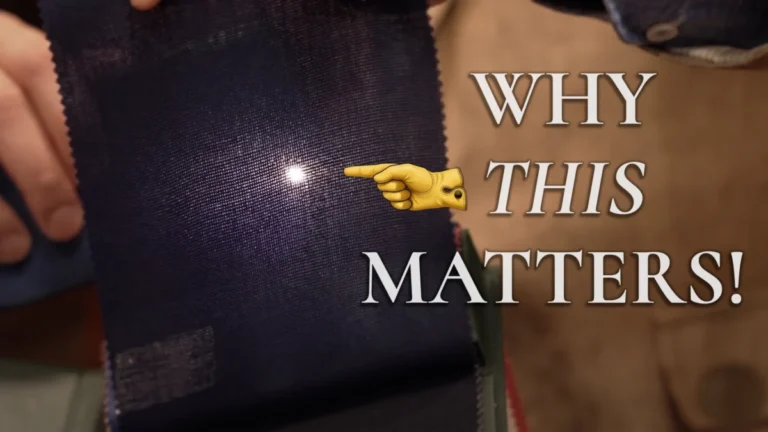
To assess breathability, experts often recommend holding the cloth towards a light source. A visibly open structure, allowing light to pass through, generally indicates better airflow. However, this must be balanced with considerations for opacity, durability, and the overall construction of the garment.
Tailors’ Perspectives: A Symphony of Preferences
The core of the Neapolitan discussion lay in the diverse priorities of the tailors themselves. This divergence in preference is not a contradiction but rather a reflection of the multifaceted nature of bespoke tailoring and the varied demands of their clientele.
- Crispness vs. Relaxed Character: Some tailors, especially for business or more formal evening wear, prioritize a fabric that maintains a crisp, sharp appearance throughout the day. For them, high-twist wools or mohair blends might be preferred. Others, embracing the relaxed elegance of summer, value linen’s characteristic wrinkles and softer drape, finding it more authentic to the season.
- Airflow vs. Structure: For extreme heat, maximum airflow is critical, leading to choices like very open-weave hopsacks or lightweight linens. However, a tailor might also need a fabric that can hold a specific silhouette or structure, which might lead them towards high-twist wools that offer both breathability and inherent body.
- Drape and Hand: The way a fabric falls and feels (its "hand") is crucial. Some prefer the fluidity of certain silks or fine wools, while others appreciate the robust, almost architectural drape of specific linens or mohairs.
- Crease Resistance vs. Natural Fiber Aesthetics: The practicality of wrinkle resistance is a major factor, particularly for trousers or travel. High-twist wools excel here. Yet, some clients and tailors are willing to accept the natural creasing of linen as part of its charm, valuing its natural aesthetic over absolute pristine neatness.
- Durability: Summer trousers, in particular, require greater durability than a lightweight sport coat. This leads tailors to recommend robust options like high-twist wool or sturdier linen weaves that can withstand repeated wear and movement.
These varied priorities illustrate that there is no single "best" fabric. Instead, the optimal choice emerges from a thoughtful consideration of the client’s needs, the specific climate they inhabit, the formality of the occasion, and the desired aesthetic.
Implications for the Modern Wardrobe
This expert dialogue from Naples holds significant implications for both consumers and the broader tailoring industry. For the discerning client, it demystifies the complex world of summer fabrics, empowering them to make more informed choices beyond simple categorizations. The discussion reinforces that blindly adhering to traditional rules without understanding the underlying performance characteristics of fabrics can lead to suboptimal comfort and style.

The shift from a prescriptive "linen is best" mentality to a contextual "what is best for this situation?" approach marks a maturation in sartorial understanding. It encourages individuals to consider their local climate (dry heat versus humid heat), their lifestyle (commuting, travel, formal events, casual outings), and their personal aesthetic preferences. This nuanced perspective highlights the enduring value of bespoke tailoring, where a skilled artisan can guide a client through these considerations, translating their needs into a perfectly crafted garment from the ideal fabric.
The Future of Summer Tailoring
The insights from these Neapolitan masters also point towards the future of summer tailoring. It is a future characterized by continued innovation in textile science, leading to new blends and treatments that enhance natural fibers’ performance. Research into sustainable sourcing and manufacturing processes for all these fabrics will also become increasingly critical.
Ultimately, the discussion underscores that while traditions provide a valuable foundation, true sartorial excellence lies in an adaptive, informed approach. The "best" summer fabric is not a fixed entity but a dynamic solution, constantly refined by expert knowledge, scientific understanding, and the timeless artistry of master tailors. As climates continue to shift and personal preferences evolve, the detailed analysis offered by Naples’ finest ensures that elegance and comfort in warm weather will remain a pursuit of sophisticated discernment, guided by wisdom rather than rigid dogma.