






The global fashion landscape witnessed a significant convergence of cinema, sports, and luxury tailoring this week as high-profile premieres for The Devil Wears Prada 2 and the Michael Jackson biopic Michael coincided with the Laureus World Sports Awards. Across London, New York, Madrid, and Los Angeles, the red carpet served as a rigorous testing ground for the current trajectory of menswear. The prevailing themes emerged as a sophisticated blend of heritage British tailoring, the continued rise of the "power brooch," and a bold departure from traditional monochromatic palettes in favor of earth tones, teals, and sky blues.
The Global Launch of The Devil Wears Prada 2
The promotional tour for The Devil Wears Prada 2 has been one of the most anticipated fashion events of the 2026 calendar, given the original film’s foundational status in fashion iconography. The dual-city premiere strategy provided a comprehensive look at how established actors and rising stars navigate the expectations of a franchise synonymous with "high fashion."
London Premiere: The Authority of British Tailoring
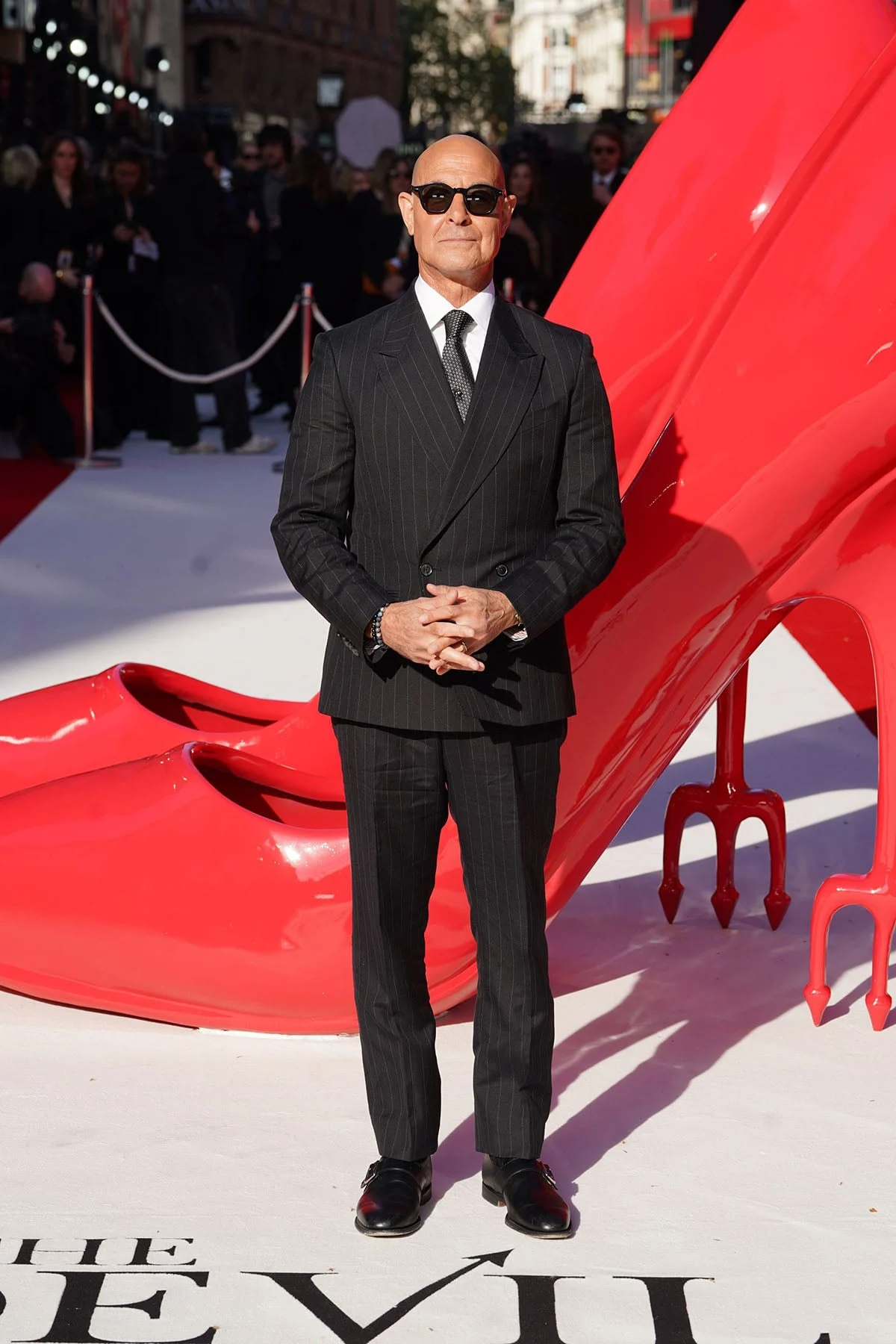
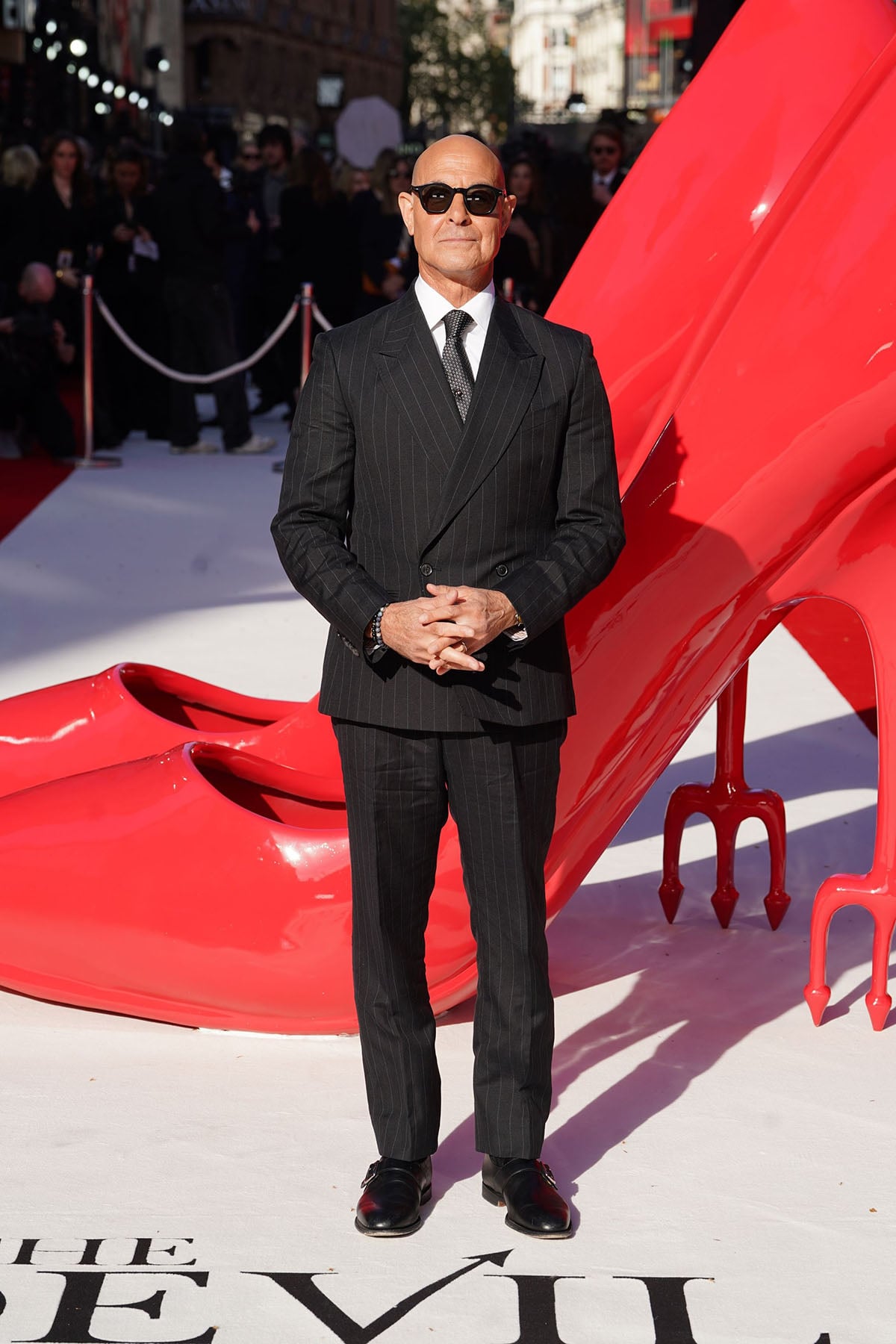
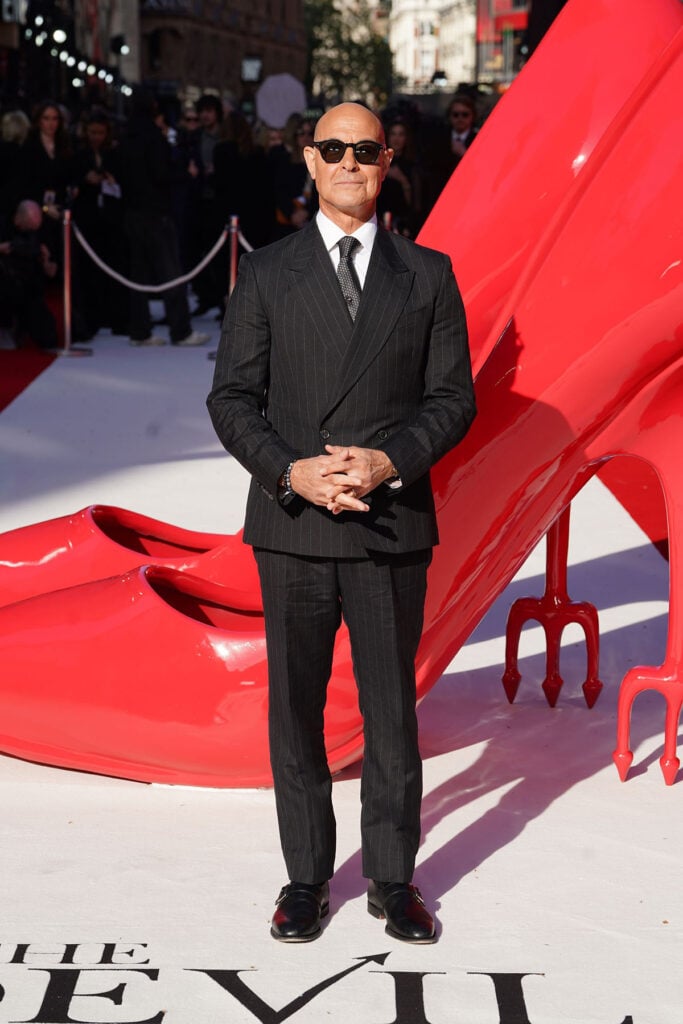
In London, Stanley Tucci reaffirmed his status as a beacon of classic sartorialism. Choosing to represent the host nation’s fashion heritage, Tucci appeared in a custom pinstripe suit by Paul Smith. The choice was a strategic nod to the "City of London" aesthetic, characterized by sharp shoulders and a silhouette that emphasizes authority. Industry analysts noted that the choice of Paul Smith—a label known for "classic with a twist"—perfectly mirrored Tucci’s own public persona: reliable yet distinctly individualistic. His accessories, including high-luster polished oxfords and a precision-folded silk pocket square, reinforced the importance of the "finishing touch" in menswear.
New York Premiere: The Velvet Evolution
As the tour moved to New York, the aesthetic shifted toward evening opulence. Stanley Tucci made a second appearance that challenged seasonal norms, opting for a dark velvet suit. While velvet is traditionally reserved for autumn and winter cycles, its appearance in a Spring 2026 context suggests a shift in how luxury materials are being utilized for "prestige" events regardless of the thermometer.
John Krasinski joined the New York lineup in a dunhill dark-brown velvet Bourdon double-breasted tuxedo. Styled by Ilaria Urbinati, the look was a masterclass in tonal coordination. Krasinski’s attire was designed to complement the Schiaparelli Haute Couture gown worn by his wife, Emily Blunt, demonstrating the increasing trend of "couple styling" on the red carpet. Technical details of Krasinski’s ensemble included a Bvlgari Octo Roma timepiece and a Bvlgari brooch, the latter serving as a focal point that elevated the traditional tuxedo into the realm of high jewelry.
Kenneth Branagh provided a chromatic counterpoint in a Brioni sky-blue Iride suit. The softer, more approachable tone of the Brioni tailoring offered a reprieve from the heavier fabrics seen elsewhere. Analysts suggest that Branagh’s choice reflects a broader industry trend toward "approachable luxury," where color is used to soften the rigid lines of traditional formalwear.
The Michael Los Angeles Premiere: Modernity and Risk
The Los Angeles premiere of Michael, the Lionsgate biopic detailing the life of Michael Jackson, saw a different approach to red-carpet dressing. Here, the looks were more experimental, reflecting the creative and often boundary-pushing nature of the film’s subject.
The Prada Connection and the Earth Tone Trend
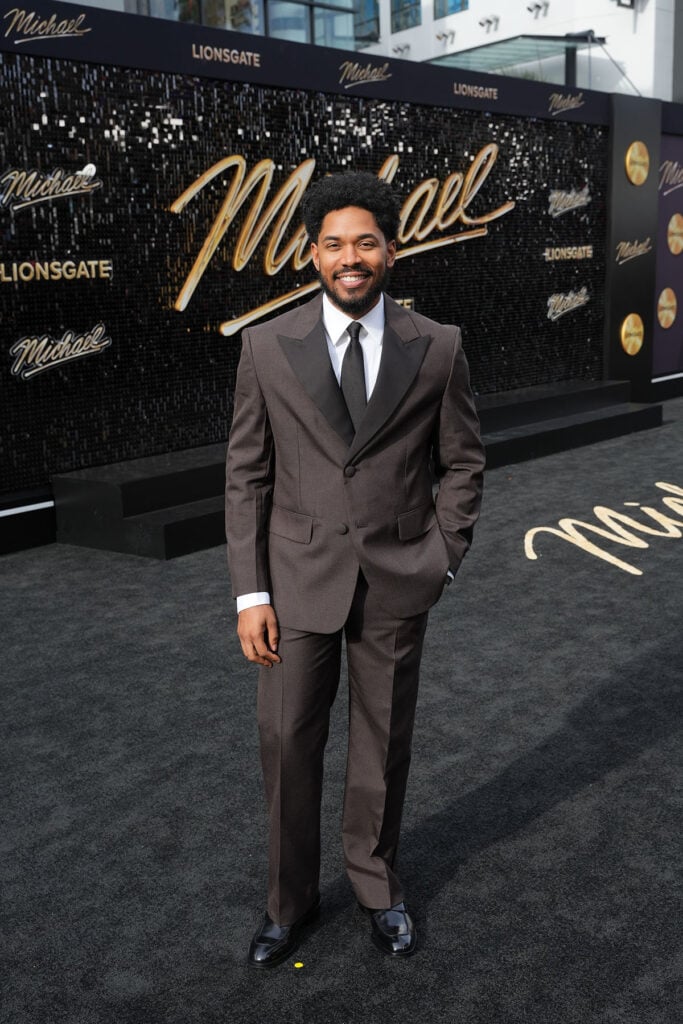
Kelvin Harrison Jr., a long-standing collaborator with Prada, continued his partnership with the Italian house by wearing a rich brown suit featuring contrasting black lapels. This look, styled by Michael Fisher, highlighted a growing debate in menswear regarding the "brown-and-black" color combination. While historically considered a faux pas, the 2026 interpretation focuses on texture and fit to bridge the gap. The suit’s modern cut—slimmer through the leg with a structured shoulder—aligned with Prada’s current design language of "industrial elegance."
Bold Colors and Textures
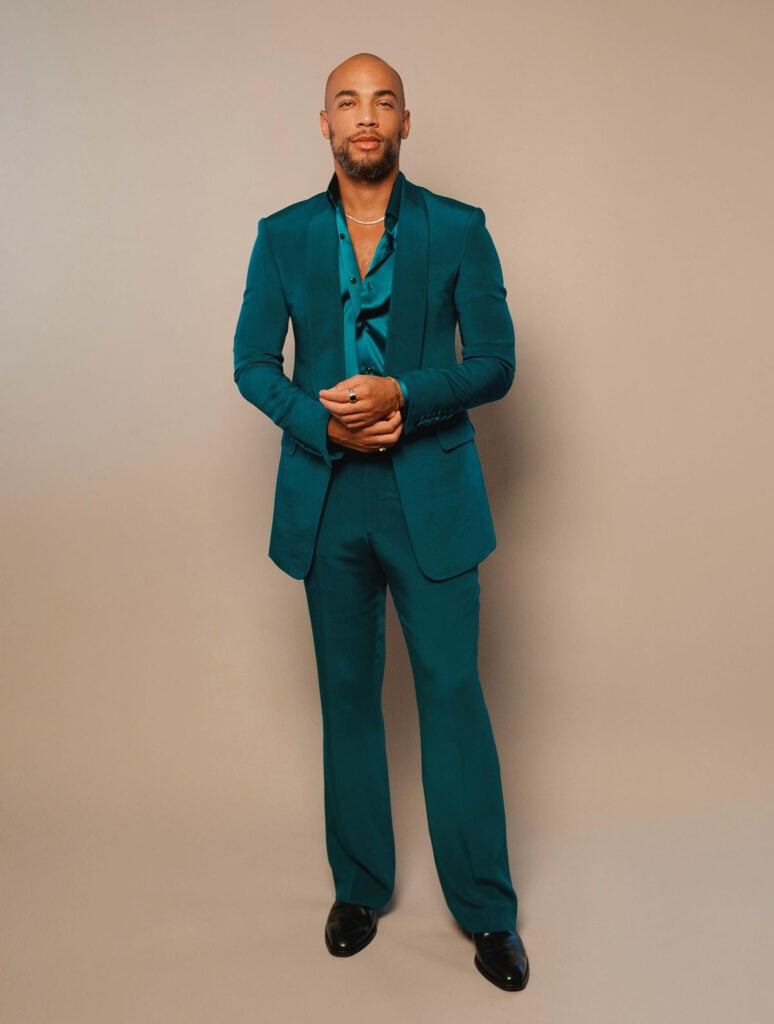
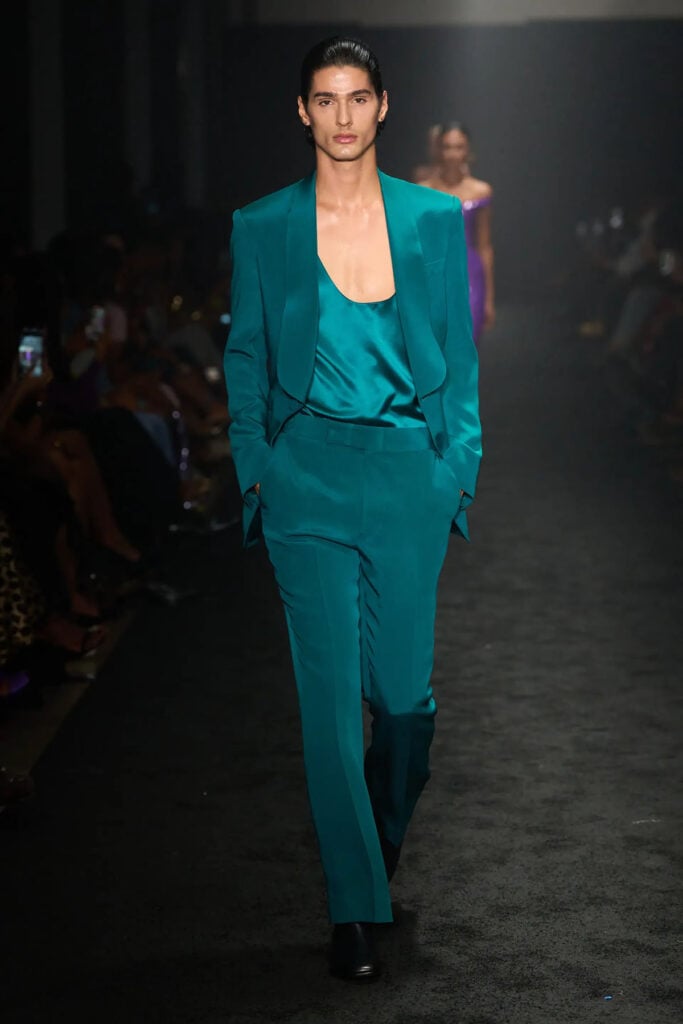
Kendrick Sampson made a significant impact in a Sergio Hudson Spring 2026 teal suit. Hudson, primarily known for his high-octane womenswear, has successfully translated his eye for vibrant color into the menswear space. The teal hue, paired with a matching silk shirt, represented the most daring use of color of the week. Styled by Bryon Javar, the ensemble highlighted the move toward monochromatic dressing in non-traditional colors.
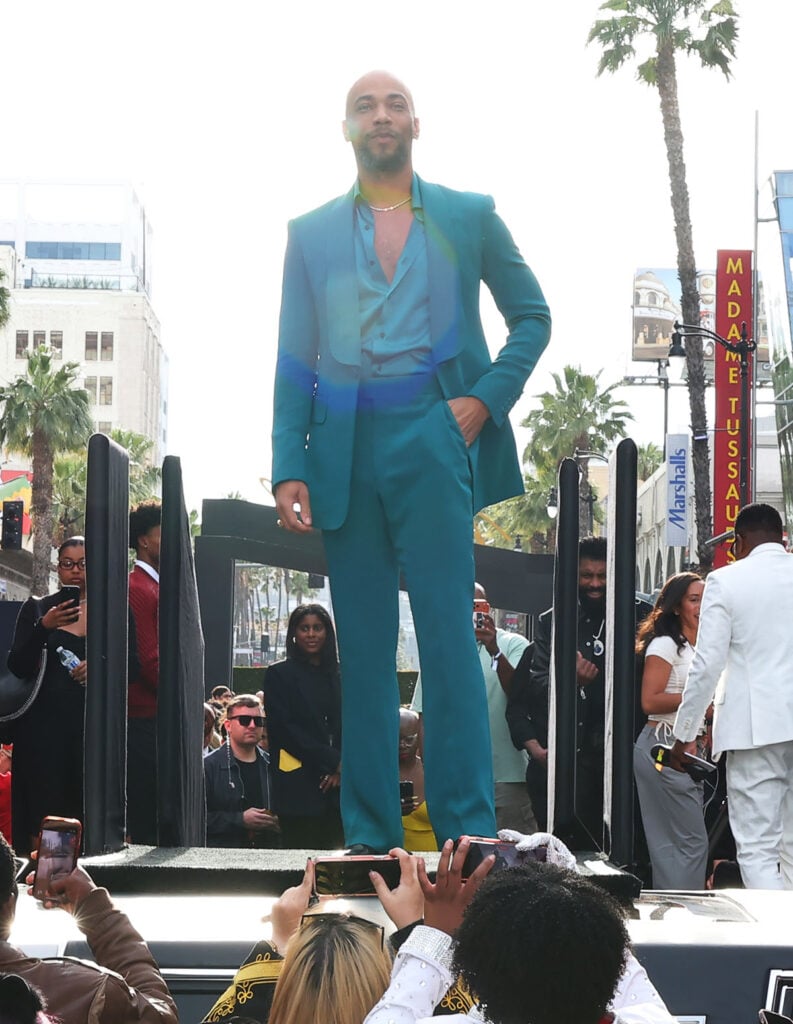
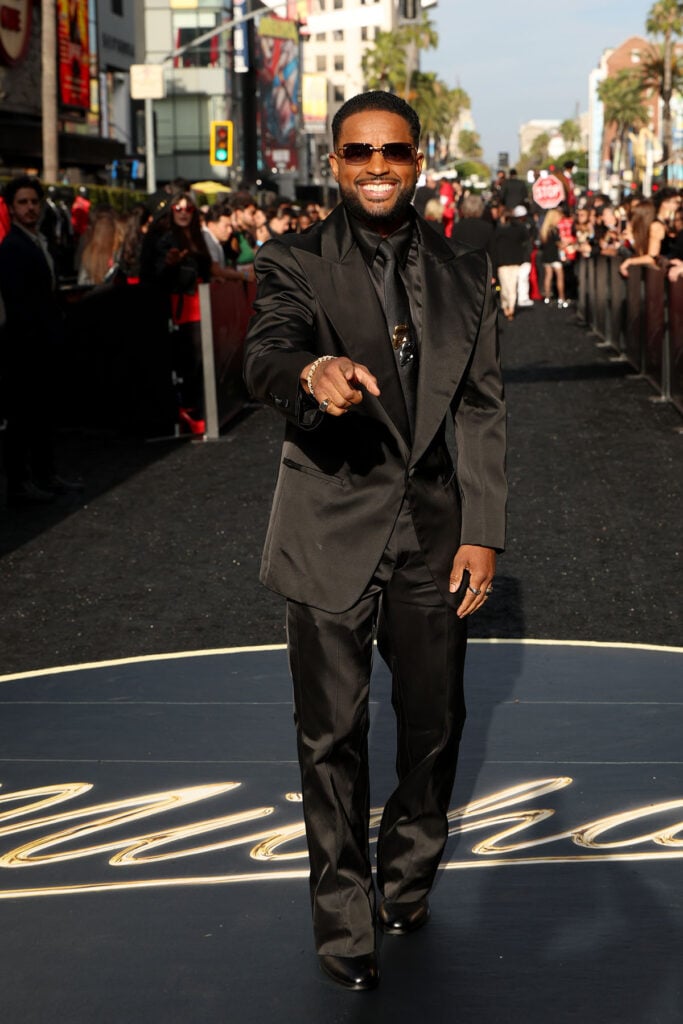
In contrast, Larenz Tate opted for a high-shine satin suit. Satin remains one of the most difficult fabrics to execute on the red carpet due to its tendency to crease under the heat of camera flashes. Tate’s ability to maintain the garment’s integrity throughout the event was noted by fashion critics as a feat of both garment construction and poise. The suit featured exceptionally wide lapels, signaling a return to 1970s-inspired silhouettes that have been permeating recent runway collections.
The Laureus World Sports Awards: The Intersection of Sport and Luxury
In Madrid, the Laureus World Sports Awards provided a platform for elite athletes to showcase their roles as global brand ambassadors. The presence of tennis stars Jannik Sinner and Lorenzo Musetti underscored the deepening ties between professional sports and luxury fashion houses.
Sinner and the New Guard of Gucci
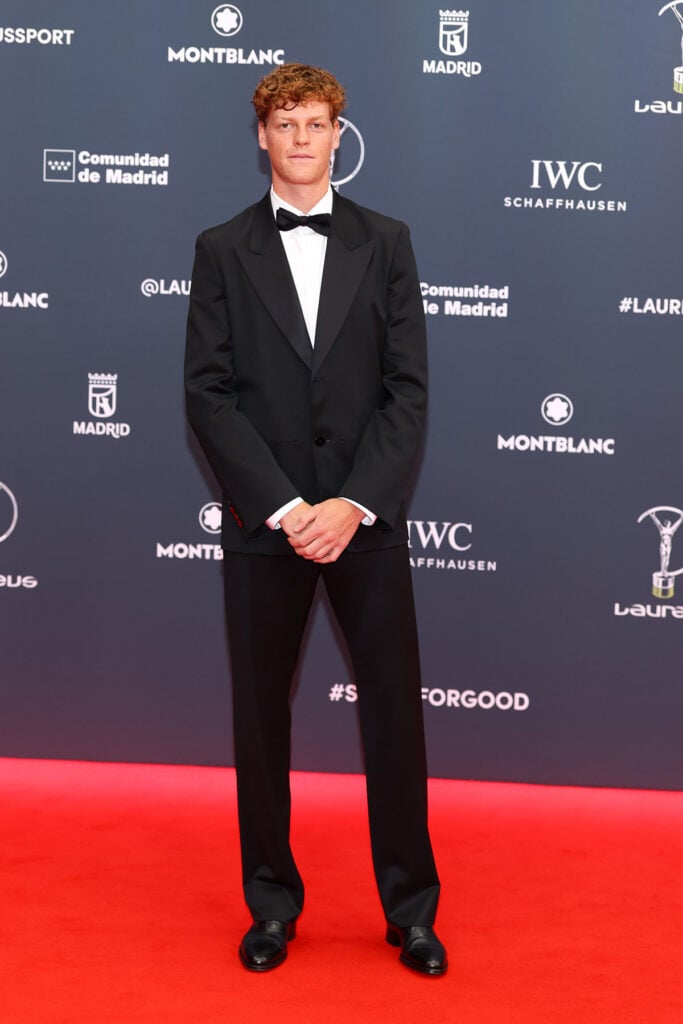
Jannik Sinner, a Gucci brand ambassador, wore a custom single-breasted tuxedo. The look was a testament to the "new Gucci" under Sabato De Sarno, focusing on minimalism, precise tailoring, and a departure from the maximalism of previous years. The fit was described by observers as "surgical," highlighting Sinner’s athletic frame without the need for extraneous ornamentation. This partnership exemplifies a strategic move by luxury brands to capture the "quiet luxury" market through high-performance individuals.
Bottega Veneta and the Tailoring Challenge
Lorenzo Musetti represented Bottega Veneta in a look that leaned into the house’s understated, artisanal approach to tailoring. However, the appearance sparked discussions among fashion enthusiasts regarding "puddle hems"—trousers that are intentionally long and break heavily over the shoe. While this has been a recurring motif for Bottega Veneta (seen previously on ambassadors like Jacob Elordi), its practicality on the red carpet remains a point of contention among traditionalists.
Analysis of Emerging Trends: The 2026 Menswear Shift
The data gathered from this week’s events points to several key shifts in the menswear market:
- The Rise of the "Maneuverable" Suit: Actors like Calum Harper, wearing AMIRI, and Brad Goreski, in Saint Laurent, are moving away from the "suit as a uniform." Harper’s ivory pinstripe suit with a feather-embellished tie, styled by Adam Ballheim, suggests that younger demographics are looking for "conversational pieces" within their formalwear.
- The Accessory as an Anchor: The consistent use of brooches (Tiffany & Co. on Patrick Brammall, Bvlgari on John Krasinski) indicates that the "brooch" has officially replaced the pocket square as the primary vehicle for personal expression in men’s formalwear.
- The "Runway to Red Carpet" Pipeline: Brad Goreski’s Saint Laurent look was a direct translation of the Spring 2026 runway, including the specific styling of the tie tucked into the shirt placket. This demonstrates a narrowing gap between high-fashion concepts and red-carpet reality.
Broader Impact and Industry Implications
The diversity of looks seen this week suggests that the menswear market is currently in a state of high-growth experimentation. According to luxury market reports for 2026, the men’s "prestige" apparel segment has outpaced womenswear growth by 3.2% over the last fiscal year. This is attributed to the increasing visibility of male celebrities in fashion-forward roles and the expansion of "ambassador" contracts beyond traditional Hollywood circles to include international athletes.
Furthermore, the choice of designers—ranging from established giants like Prada and Gucci to American powerhouses like Sergio Hudson and AMIRI—reflects a globalized approach to style. The "Devil Wears Prada 2" tour, in particular, has acted as a catalyst for brands to showcase their ability to dress a multi-generational cast, proving that sharp tailoring remains a universal language of power and prestige.
As the industry moves toward the summer awards season, the lessons from this week are clear: the modern man’s wardrobe is no longer defined by the avoidance of risk, but by the calculated embrace of texture, color, and historical reference. Whether it is Stanley Tucci’s authoritative pinstripes or Kendrick Sampson’s teal silk, the red carpet has become a sophisticated dialogue between tradition and the avant-garde.