









The global fashion and retail sectors are currently navigating an unprecedented period of executive flux, marked by a relentless series of appointments, departures, and strategic leadership restructurings across major brands and retail groups. This ongoing transformation reflects an industry grappling with rapid technological advancements, shifting consumer behaviors, and persistent economic pressures. From luxury maisons to high-street stalwarts and burgeoning activewear brands, companies are strategically recalibrating their leadership teams to drive digital innovation, redefine creative visions, bolster financial resilience, and expand into new markets.

A Whirlwind of Leadership Changes: A Chronology of Key Movements
The past few years have seen a particularly intense carousel of top-tier talent. Early 2023 set the tone with significant movements, including Pippa Wicks stepping down as John Lewis executive director, and Julia Straus and Mark Smith exiting Sweaty Betty as CEO and COO, respectively. The momentum continued through 2024 and into 2025 and 2026, with an accelerated pace of change signaling an industry in constant motion.
In early 2024, Umar Kamani notably returned to PrettyLittleThing, vowing to "reconnect with customers and make meaningful improvements," including reintroducing free returns for royalty members, after stepping down as CEO in April 2023. This illustrates a trend of founders returning to steer brands through new phases or a focus on core brand values. Similarly, Ben Francis, co-founder of Gymshark, reclaimed the CEO title in 2021, underscoring the importance of founder vision in rapidly scaling businesses.

Many of the changes announced for 2025 and 2026, such as Patric Spethmann joining Marc Cain as CEO in June 2026 and Anna Dimitrova becoming Zalando’s CFO in January 2026, indicate forward-looking strategies and long-term planning, possibly in response to anticipated market shifts or ambitious growth targets.
Driving Digital Transformation and Technological Innovation
A prominent theme in these executive shifts is the pervasive push for digital transformation and technological prowess. Retailers are keen to scale their e-commerce platforms, leverage artificial intelligence (AI), and enhance omnichannel experiences to meet the demands of an increasingly digital-first consumer base.
Debenhams Group, for instance, has strategically promoted Paul Aspden to Chief Technology Officer to scale its marketplace and accelerate AI adoption, a clear indicator of technology’s critical role in modern retail. Similarly, Vestiaire Collective restructured its executive team, appointing Thomas Hezard as Chief Product Officer and Rémi Bouchez as Chief Technology Officer, explicitly stating a goal to place product and technology at the center of its next innovation cycle. This trend is echoed at online giants like Asos, which appointed Przemek Czarnecki (from Zalando) as EVP Technology as part of a senior team restructure, and Anthony Ben Sadoun as executive vice president of digital product.
Traditional retailers are not immune to this digital imperative. John Lewis Partnership appointed Dom McBrien as Chief Digital and Omnichannel Officer in October 2025, and Andy Mounsey as Chief Financial Officer (April 2025), emphasizing integrated digital and financial strategies. Matalan bolstered its leadership with Andreas Nicolaides (former John Lewis) as digital director and invested in strengthening its overall digital and trading capabilities, including Chris Lacey as chief digital officer for Secret Sales in late 2023. The appointments of dedicated chief digital officers and technology leads across the board underscore a sector-wide recognition that digital competence is no longer an option but a necessity for survival and growth.
Creative Resets and Brand Reinvigoration
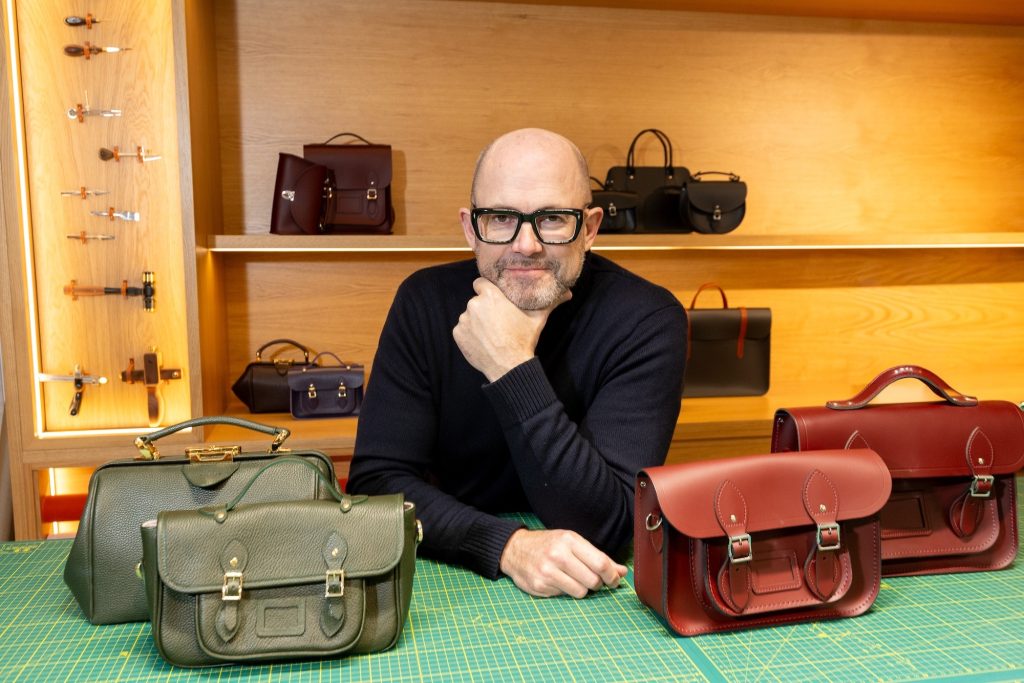
The luxury fashion segment, in particular, is experiencing a dynamic period of creative reinvention. A constant rotation of creative directors highlights brands’ efforts to refresh their aesthetic, capture new audiences, and maintain relevance in a competitive global market.
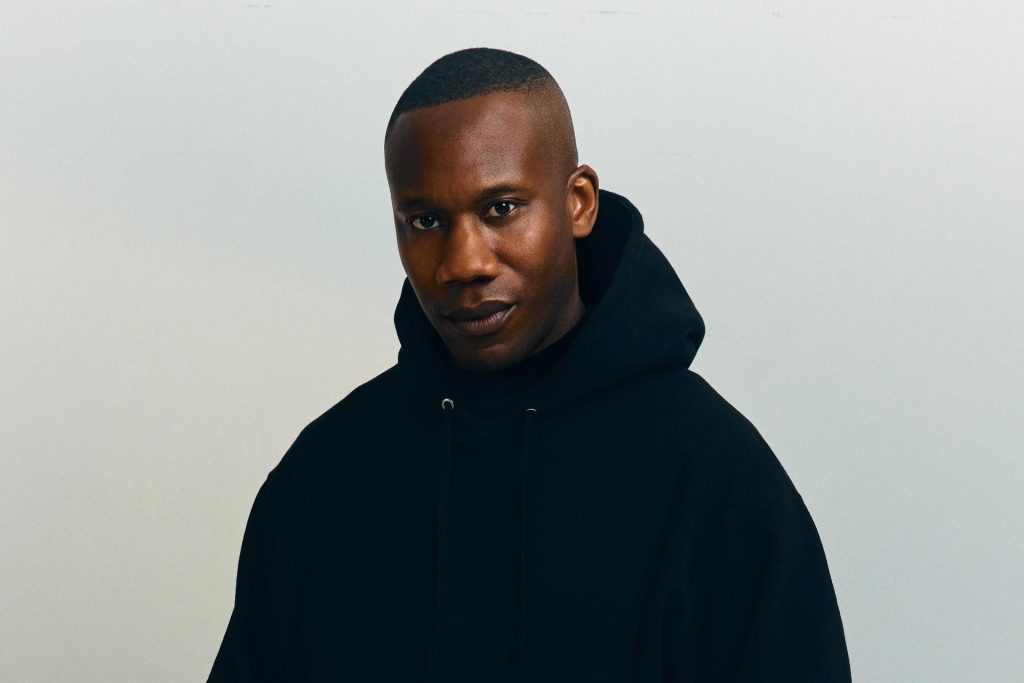
Notable changes include Alessandro Michele’s highly anticipated move to Valentino in March 2024, following his exit from Gucci in 2022. This shift came after Pierpaolo Piccioli departed Valentino after 25 years, marking a significant creative transition for the Italian house. Demna Gvasalia (Balenciaga) was later tapped as artistic director for Gucci in October 2024, continuing the brand’s creative evolution.

Other significant appointments include Sarah Burton (formerly Alexander McQueen) being named Givenchy creative director in September 2024, and Haider Ackermann taking the creative helm at Tom Ford in September 2024. These moves often follow the departure of long-standing designers, such as Olivier Rousteing leaving Balmain after 14 years in November 2025, or represent a strategic pivot for the brand, as seen with Pieter Mulier moving from Alaïa to Versace as Chief Creative Officer in July 2026, following Prada Group’s acquisition of Versace.
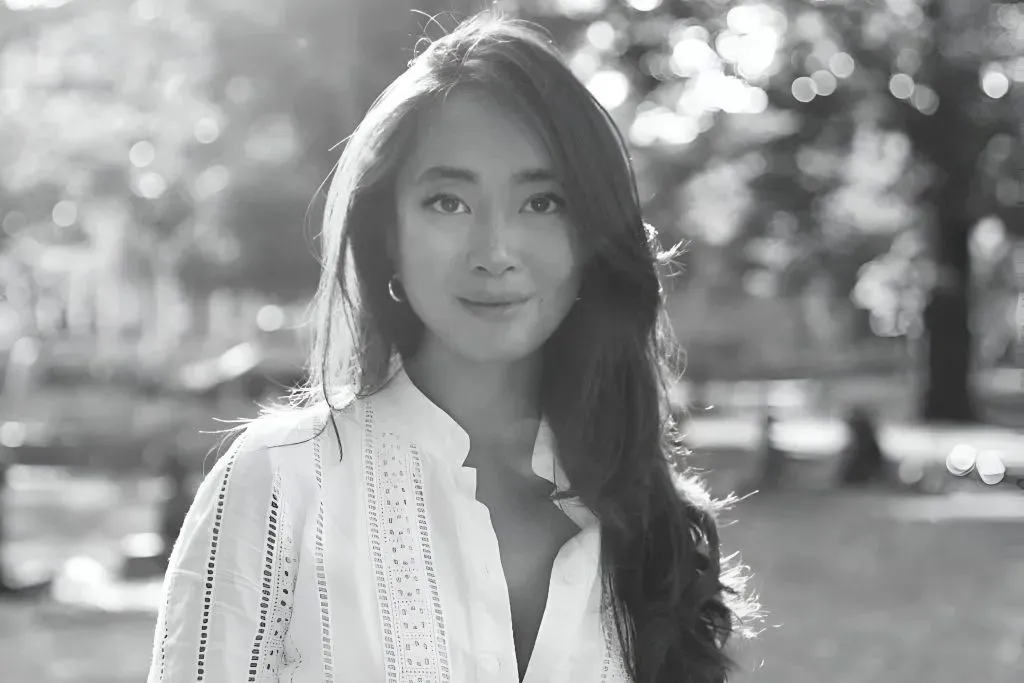
The appointment of Jonathan Anderson as sole creative director of Dior (June 2025), expanding his remit to include women’s and haute couture, and Duran Lantink as Jean Paul Gaultier’s creative director (April 2025), signals a desire for cohesive brand narratives and bold new directions. Even Christopher Kane was tapped to resurrect ready-to-wear at Mulberry in May 2026, indicating a strategic expansion beyond core categories. These creative shifts are often aimed at generating buzz, attracting younger consumers, and responding to evolving fashion sensibilities.
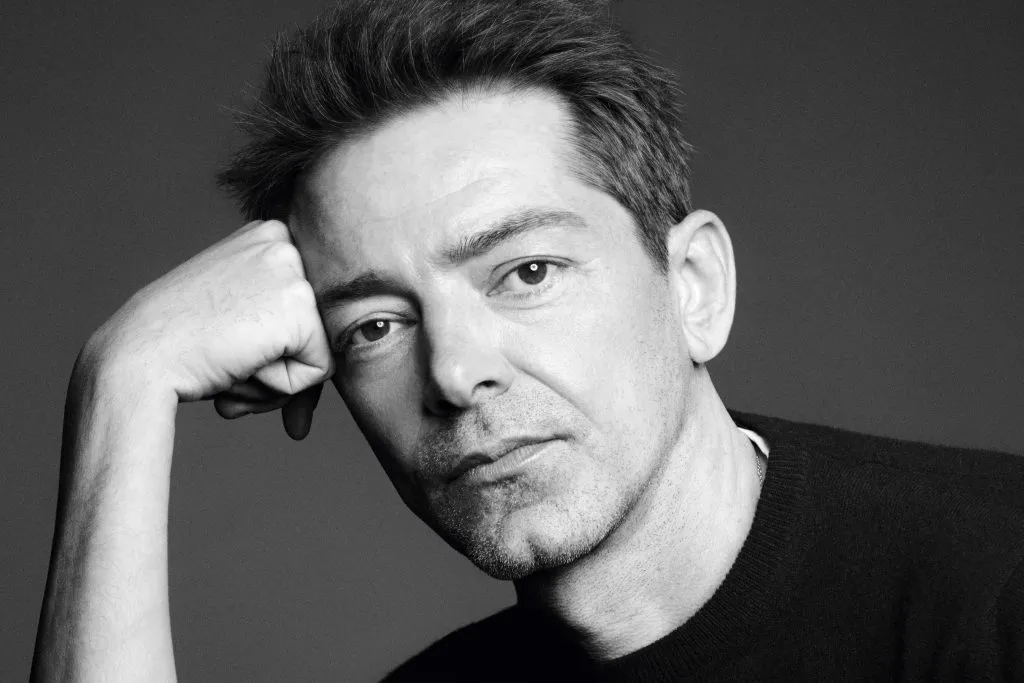
Strengthening Financial and Operational Foundations

Beyond creative flair, a strong emphasis on financial stability and operational efficiency is evident across the industry. Many appointments focus on CFO, COO, and supply chain roles, reflecting a post-pandemic focus on resilience and optimization.
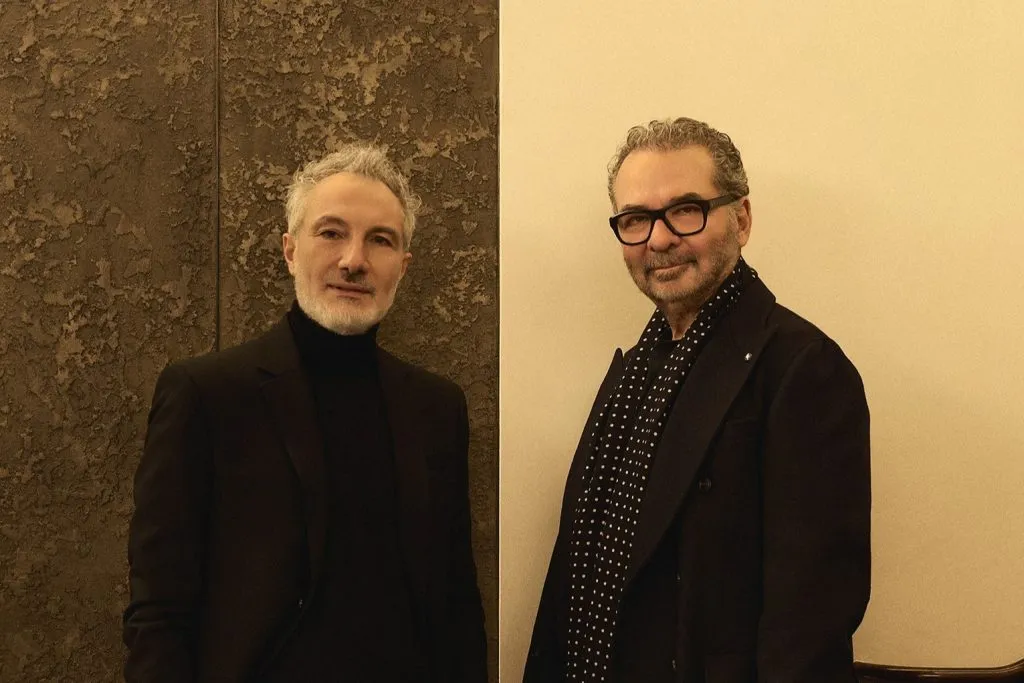
JD Sports has seen significant changes, with Andy Higginson stepping down as chair in July 2026, and the appointment of Dominic Platt as CFO in October 2023, succeeding Neil Greenhalgh. The retailer also saw its global managing director, Michael Armstrong, exit in April 2025 after a 30-year tenure, followed by Sherilyn Paterson, COO, in July 2024. These changes often coincide with periods of strategic review or ambitious growth plans, requiring robust financial and operational leadership.
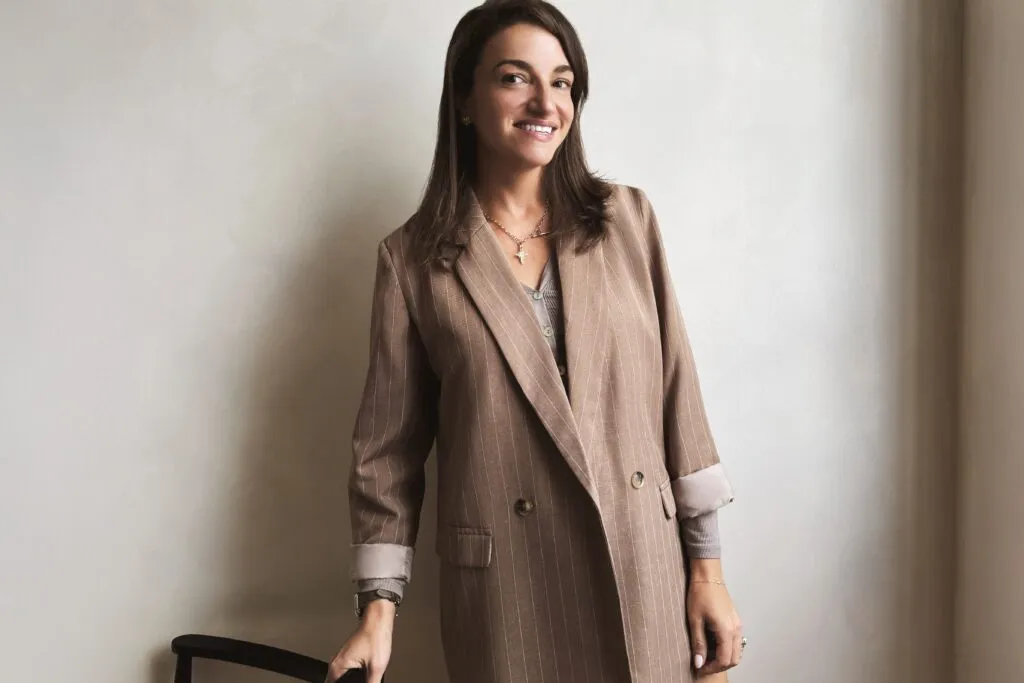
Matalan, undergoing a significant transformation strategy, has brought in Dave Williams (from Poundland) as CFO in February 2024 and Phil Hackney as chief supply chain operation officer and Katherine Davis as chief retail officer in June 2023. The Very Group also appointed Ben Fletcher to the expanded role of Chief Finance and Transformation Officer, highlighting the intertwining of financial strategy with broader business transformation.

Marks & Spencer has been actively reinforcing its executive team, appointing Alison Dolan (from Rightmove) as CFO in May 2024, Rachel Higham as Chief Digital and Technology Officer, and Mark Lemming as Managing Director of International in January 2024. These moves reflect a concerted effort to modernize operations, strengthen global presence, and adapt to a dynamic retail environment. The appointment of Hayley Tatum MBE as Chief People Officer in October 2025 further indicates a focus on human capital as a key driver of long-term success.

Strategic Market Expansion and Regional Focus

Many executive appointments are clearly aimed at driving geographical expansion or strengthening market share in specific regions. Brands are seeking leaders with international experience and a deep understanding of diverse consumer bases.

For instance, Axel Arigato poached Frédéric Serrant (Adidas veteran) as its new CEO in January 2026, with a likely mandate for international growth. Havaianas’ owner, Alpargatas, hired Harm van de Camp (Nike general manager) as its new EU president in April 2024, signaling a push into the European market. Skims, Kim Kardashian’s brand, appointed Robin Gendron (Michael Kors) as president for EMEA in August 2025, highlighting the brand’s global ambitions.
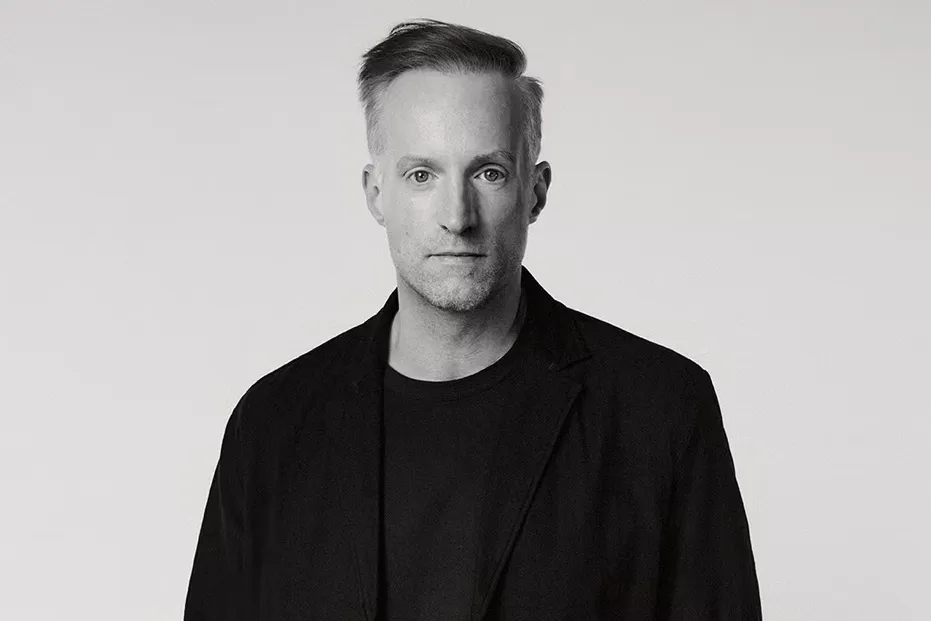
Dr Martens assembled a new leadership team in January 2026, appointing general managers for all major markets to "simplify the operating model in line with the new consumer-first strategy," including Paul Zadoff (Nike veteran) as President of the Americas in May 2025. This underscores a localized approach to global expansion. The appointment of Marlies Hersbach as Mango’s e-commerce executive director in September 2024 was explicitly linked to the retailer’s plans to expand into 12 new markets.
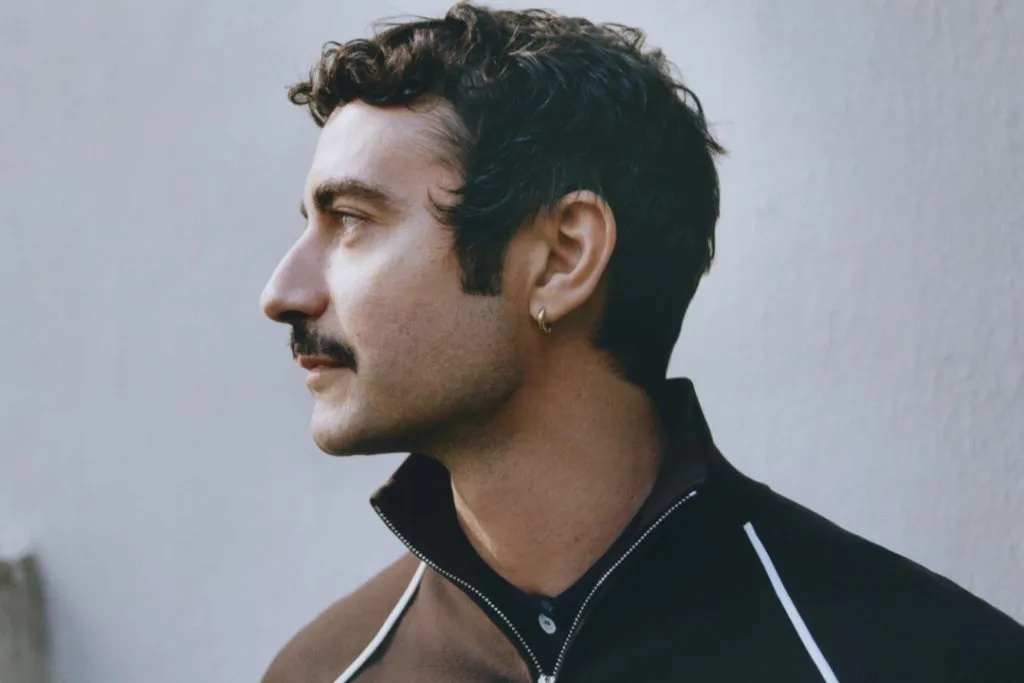
The Evolving Role of "People" and "Sustainability" Leadership
While not as numerous, appointments in human resources, diversity, equity, and inclusion (DEI), and sustainability also reflect evolving corporate priorities. The British Fashion Council appointed Laura Weir as CEO (April 2025) and bolstered its board with Clare Waight Keller (Uniqlo creative director) and Kate Varah (National Theatre executive director), indicating a move towards broader industry influence and diverse leadership.
Notably, Depop’s "decoupling" of sustainability and DEI from its impact structure, coinciding with the exit of Justine Porterie in September 2025, suggests a potential shift in how some companies integrate these functions, perhaps moving towards more specialized or embedded roles rather than combined executive positions. In contrast, Zalando named Pascal Brun as its new Vice President of Sustainability, Diversity, and Inclusion in September 2023, indicating a continued, integrated focus for other industry players.
Broader Industry Implications
The sheer volume and strategic nature of these executive shifts underscore an industry in a constant state of evolution. Companies are shedding old guard leadership, embracing digital natives, and seeking global expertise to navigate an increasingly complex landscape. The focus on technology (AI, e-commerce), creative reinvention, and robust financial and operational management points to a lean, agile, and innovation-driven future for fashion and retail.
The frequent changes in creative leadership, especially within the luxury sector, reflect a brand’s need to continuously reinvent itself and engage a fickle consumer base. Meanwhile, the influx of digital and omnichannel experts signals a permanent pivot towards integrated online and offline experiences, with data and AI at the core of decision-making. The appointments of CFOs and COOs with strong transformation mandates indicate a deep commitment to efficiency and profitability in a challenging economic climate.
As the industry moves forward, this dynamic talent market is likely to persist, driven by the ongoing disruption of traditional retail models, the imperative for sustainable practices, and the relentless pursuit of growth in a highly competitive global marketplace. The leaders chosen today are tasked with shaping not just their individual companies, but the very fabric of the fashion and retail industry for years to come.