







Our editors curate highly rated brands that are first assessed by our rigorous ratings system. Buying through our links may earn us a commission—supporting the work we do. Learn more.
Massimo Dutti, often perceived as the more mature and sophisticated sibling to fast-fashion giant Zara, currently holds a "middling" sustainability rating of "It’s a Start" in its latest review, published in January 2026. This evaluation suggests that while the brand has initiated some positive steps towards sustainability, its overall environmental and social impact leaves significant room for improvement, falling short of its "elevated" market positioning. This assessment, updated in July 2026 with additional alternative brands, prompts a deeper investigation into whether Massimo Dutti truly deviates from the unsustainable practices commonly associated with its parent company, Inditex.
The Evolution of Massimo Dutti: From Menswear to Global Lifestyle Brand
Founded in Spain in the mid-1980s as a dedicated menswear enterprise, Massimo Dutti carved out a niche for classic, refined apparel. Its trajectory shifted significantly a decade later when it was acquired by Inditex, the formidable Spanish multinational known globally for its flagship brand, Zara. This acquisition integrated Massimo Dutti into one of the world’s largest fashion retail groups, transforming its operational scale and market reach. Today, the brand boasts an extensive global footprint, operating 643 stores across the world and maintaining an online presence in 215 markets, offering both men’s and women’s collections.
Massimo Dutti’s branding strategy deliberately positions it as a premium, more "expensive-looking" option within the Inditex portfolio, often dubbed "Zara’s chic older sister." This positioning aims to attract consumers seeking higher perceived quality and timeless styles, differentiating it from Zara’s rapid trend-driven model. However, the critical question remains: does this aspirational branding translate into genuinely more sustainable practices, or is it merely a veneer over the core fast fashion business model?
Is Massimo Dutti Part of the Fast Fashion Machine?
Despite its attempts to cultivate an image of elevated quality and timeless design, Massimo Dutti exhibits several characteristics that firmly place it within the broader fast fashion industry. While its garments are generally priced higher than Zara’s and are often perceived as having marginally better quality, the sheer volume of production and the frequency of new product introductions are tell-tale signs. The brand, much like its sister companies under Inditex, operates on a model that encourages high consumer turnover, driven by a continuous influx of new styles.
While Massimo Dutti’s product "drops" may not be as relentless as Zara’s, they still contribute to the pervasive cycle of rapid trend adoption and planned obsolescence that defines fast fashion. The brand also engages in significant discounting, a common tactic to clear inventory quickly and make way for new collections, further accelerating consumption patterns. This business model, regardless of price point or perceived quality, inherently relies on high-volume manufacturing, rapid distribution, and frequent consumer purchases—factors that exert immense pressure on natural resources and contribute significantly to textile waste. The fast fashion industry as a whole is notorious for its environmental footprint, including substantial water usage, chemical pollution, and greenhouse gas emissions, alongside its often-criticized labor practices.
A Closer Look at Massimo Dutti’s Sustainability Efforts: The "It’s a Start" Rating
Good On You’s "It’s a Start" rating indicates that Massimo Dutti has begun to acknowledge and address its sustainability impact, but its efforts are not yet comprehensive or sufficiently transparent. The rating system typically evaluates brands across three key areas: Planet, People, and Animals.
Environmental Initiatives (Planet):
Massimo Dutti has made some discernible efforts regarding its environmental impact. The brand reportedly uses a medium proportion of lower-impact materials, a step in the right direction for reducing its ecological footprint. Furthermore, it publishes breakdowns of its material usage on its website and provides details on products containing certified materials. This level of transparency, while welcome, is still considered introductory.
A notable commitment from Massimo Dutti, made as part of Inditex’s broader sustainability agenda, was the pledge to eliminate hazardous chemicals from its supply chain after 2025. Such a commitment, if fully realized and independently verified, would mark a significant achievement in reducing chemical pollution. However, as of the January 2026 review, Good On You found no concrete evidence to confirm that this ambitious goal had been achieved. Similarly, the brand has declared a science-based target to reduce greenhouse gas emissions, aligning with global climate goals. Yet, the critical aspect of progress against this target remains largely undocumented or unverified, leaving stakeholders without clear insight into its actual environmental performance. The fashion industry accounts for an estimated 4-10% of global greenhouse gas emissions, making verifiable reduction targets crucial.
Labor Practices (People):
In terms of social responsibility, Massimo Dutti states that it audits some parts of its supply chain, including all of the final production stage. Supply chain auditing is a foundational step towards ensuring ethical labor practices. The brand also claims to have a program aimed at improving wages for workers in its supply chain. While these are positive declarations, the lack of verifiable evidence regarding the actual implementation and efficacy of these programs raises concerns. Specifically, Good On You could not find concrete evidence that workers throughout its extensive supply chain are being paid a living wage—a fundamental benchmark for ethical labor practices. The absence of living wages is a systemic issue within the fast fashion industry, often leading to poverty and exploitation among garment workers, particularly in developing countries where production is outsourced.
Animal Welfare (Animals):
The original article does not detail Massimo Dutti’s specific animal welfare policies. However, within the Good On You rating framework, a "middling" score often implies that while the brand may not use certain highly controversial materials (e.g., angora, real fur), its broader animal welfare policies might lack comprehensive certification, traceability, or clear stances on issues like mulesing in wool production or responsible down standards. Without explicit information and verifiable commitments, consumers cannot be assured of the ethical treatment of animals within the brand’s supply chain.
The Transparency Gap: A Key Challenge
The overarching theme emerging from Massimo Dutti’s "It’s a Start" rating is a significant transparency gap. While the brand, and by extension Inditex, makes various commitments and outlines goals, the verifiable data and evidence of progress are often lacking. In an era where consumers are increasingly scrutinizing brands for their ethical credentials, this lack of demonstrable transparency can undermine trust and diminish the impact of any genuine sustainability efforts. Without clear, publicly accessible reports detailing their achievements against their stated goals, these commitments remain largely theoretical.
Ultimately, despite its slightly higher price point and "elevated" marketing, Massimo Dutti’s operational scale and business model tie it firmly to an industry that profoundly impacts people, the planet, and animals. For conscious consumers seeking fashion that aligns with stronger ethical and environmental values, exploring alternatives becomes imperative.
Navigating Ethical Fashion: Sustainable Alternatives to Massimo Dutti’s Aesthetic
For those who appreciate Massimo Dutti’s sophisticated, tailored aesthetic but wish to support brands with genuinely strong sustainability credentials, a growing number of ethical alternatives exist. These brands prioritize quality, responsible production, and transparency, demonstrating that style and ethics are not mutually exclusive.
Here are some highly-rated brands that offer a similar refined aesthetic without contributing to the detrimental aspects of fast fashion:
ESSÄN
Founded in 2016 by Marre Muijs, ESSÄN emerged as a direct response to the prevalent overproduction and trend-chasing within the fashion industry. This shoes and accessories brand is built on a philosophy of careful craftsmanship and sustainability, deliberately limiting its production runs and employing low-waste cutting techniques. ESSÄN challenges the traditional fashion calendar by offering a single, permanent collection of timeless pieces, thereby promoting longevity and reducing waste. Their approach is a testament to the idea that quality and enduring style can coexist with responsible manufacturing. See the rating. Shop ESSÄN.
Ninety Percent
A British label dedicated to stylish womenswear, Ninety Percent stands out with its unique profit-sharing model. The brand commits to distributing 90% of its profits between five charitable causes and the individuals who contribute to making its collections. This radical transparency extends to publishing details of its suppliers and factories on its website, offering consumers clear insight into its ethical supply chain. By prioritizing social impact alongside fashion, Ninety Percent offers elegant clothing that truly makes a difference. Find collections in UK sizes 2XS-2XL. See the rating. Shop Ninety Percent.
Spell
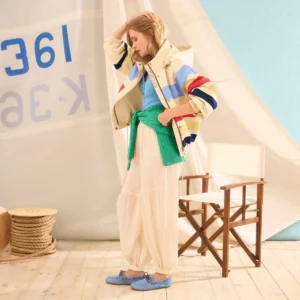
Hailing from Australia, Spell is a fashion brand deeply inspired by wanderlust, vintage aesthetics, and nostalgic memories. Their unique designs are proudly crafted and sampled in Byron Bay, with responsible production carried out in factories globally. Spell emphasizes creating beautiful, free-spirited garments while striving for ethical manufacturing practices, making them a choice for those who seek bohemian charm with a conscience. Most garments are available in sizes 2XS-2XL. See the rating. Shop Spell.
Akyn
Founded by the renowned sustainable fashion industry figure Amy Powney, Akyn is dedicated to creating contemporary and timeless womenswear. The brand’s ethos centers on utilizing lower-impact materials, ensuring that its stylish offerings contribute minimally to environmental degradation. Akyn represents a commitment to enduring design and ecological responsibility, appealing to consumers who value both sophistication and sustainability. See the rating. Shop Akyn.
Agazi
For ethical footwear, Agazi is a Polish vegan brand that offers a diverse range of sneakers, sandals, heels, and flat shoes. What sets Agazi apart is its commitment to using entirely non-animal-derived materials, including innovative options like hemp and alternative leathers made from apple skin and grapes. This dedication to vegan and sustainable materials makes Agazi an excellent choice for conscious consumers seeking stylish, cruelty-free footwear. See the rating. Shop Agazi.
Kotn
Certified B Corp Kotn, based in Canada, is celebrated for its commitment to both high-quality apparel and significant social impact. The brand collaborates with local NGOs in the Nile Delta to provide quality education for children in its farming communities, actively working to close the literacy gap. Every purchase from Kotn not only secures a beautifully made garment but also directly contributes to funding school infrastructure, educational materials, and teacher salaries. This integrated approach to sustainability and social responsibility makes Kotn a truly impactful choice. Find Kotn in sizes XS-2XL. See the rating. Shop Kotn.
BASTET NOIR
BASTET NOIR offers a unique approach to sustainable fashion by creating modular 3-piece sets primarily from deadstock fabrics. Produced in limited runs, these versatile garments are designed as multifunctional travel essentials for the modern working woman. By utilizing leftover materials, BASTET NOIR actively reduces textile waste and promotes circularity, offering chic and responsible options for a conscious wardrobe. Find most items in sizes 36-42, or in custom sizing. See the rating. Shop BASTET NOIR.
ASKET
Since 2015, ASKET has been redefining wardrobe essentials by focusing on timeless design, revolutionary sizing, and fair pricing. The brand consciously eschews seasonal collections, eliminating intermediaries to sell directly to consumers. Its core philosophy is to build a single, permanent collection of meticulously crafted basics, ensuring quality and longevity. ASKET’s commitment to transparency and enduring style offers a compelling alternative to fast fashion’s fleeting trends. Find the range in sizes 2XS-2XL. See the rating. Shop ASKET.
OhSevenDays
Australian-Canadian Megan Mummery founded OhSevenDays in Istanbul with a mission to champion slow fashion and the "power of circularity." The brand innovatively reclaims end-of-roll fabrics from Istanbul’s garment factories, transforming them into sharp, everyday womenswear. Essentially, OhSevenDays creates slow fashion from the leftovers of the fast fashion industry, offering stylish and responsible garments that minimize waste. OhSevenDays’ garments are available in sizes XS-XL, or in custom sizing. See the rating. Shop OhSevenDays.
amt.
amt. studio is a Spanish clothing brand distinguished by its commitment to local production and the use of recycled materials. By keeping its manufacturing close to home and integrating sustainable inputs, amt. reduces its carbon footprint and supports regional economies. The brand offers contemporary designs with a strong emphasis on environmental responsibility, appealing to those who value locally sourced and recycled fashion. Find most items in sizes XS-L. See the rating. Shop amt.
ISTO.
The Portuguese brand ISTO. operates on a simple yet powerful mandate: to create clothes that transcend seasons and serve as permanent staples in any wardrobe. With a focus on quality over quantity, ISTO. maintains a single collection and strives to make its items permanently available. The brand utilizes organic materials and provides exceptional transparency, showing consumers the true cost of their garments. This commitment to enduring quality and ethical production makes ISTO. a leader in conscious consumption. The range is available in XS-XL. See the rating. Shop ISTO.
CARPASUS
CARPASUS is a Swiss menswear brand specializing in fine shirts, ties, socks, and pocket squares. The brand prioritizes GOTS-certified cotton and local manufacturing to significantly reduce its carbon footprint. Furthermore, CARPASUS meticulously traces its supply chain and ensures that its workers receive a living wage, setting a high standard for ethical production in menswear. Find most products in EU sizes 36-46. See the rating. Shop CARPASUS.
Neem
Hailing from the UK, Neem designs men’s clothing with an unwavering focus on supply chain transparency and environmental protection. The brand is dedicated to understanding and mitigating its impact at every stage of production, offering stylish and responsibly made garments for the modern man. Neem’s commitment to ethical sourcing and sustainable practices provides a compelling alternative for those seeking conscious menswear. Find most items in sizes S-2XL. See the rating. Shop Neem.
Conclusion: The Power of Informed Choice
Massimo Dutti’s "It’s a Start" rating reflects a brand in transition, making initial forays into sustainability but still deeply embedded in the fast fashion system. While its efforts in using lower-impact materials and setting environmental targets are commendable, the lack of verifiable evidence for crucial commitments—such as the elimination of hazardous chemicals and the payment of living wages—highlights a significant need for greater transparency and accountability.
For consumers, this assessment underscores the importance of looking beyond brand perception and marketing claims to understand the true impact of their purchasing decisions. Supporting brands like ESSÄN, Ninety Percent, Kotn, and others listed above, which actively embed sustainability and ethical practices into their core operations, is a powerful way to advocate for a more responsible and equitable fashion industry. As the conversation around ethical consumption intensifies, the power of informed choice rests with every shopper, shaping the future of fashion one garment at a time.
Editor’s note: Feature image via Ninety Percent, all other images via brands mentioned. Good On You publishes the world’s most comprehensive ratings of fashion brands’ impact on people, the planet, and animals. Use our directory to search thousands of rated brands.
We updated this article on 7 July 2026: Our editors frequently make updates to articles to ensure they’re up to date. We added more alternative brands.