





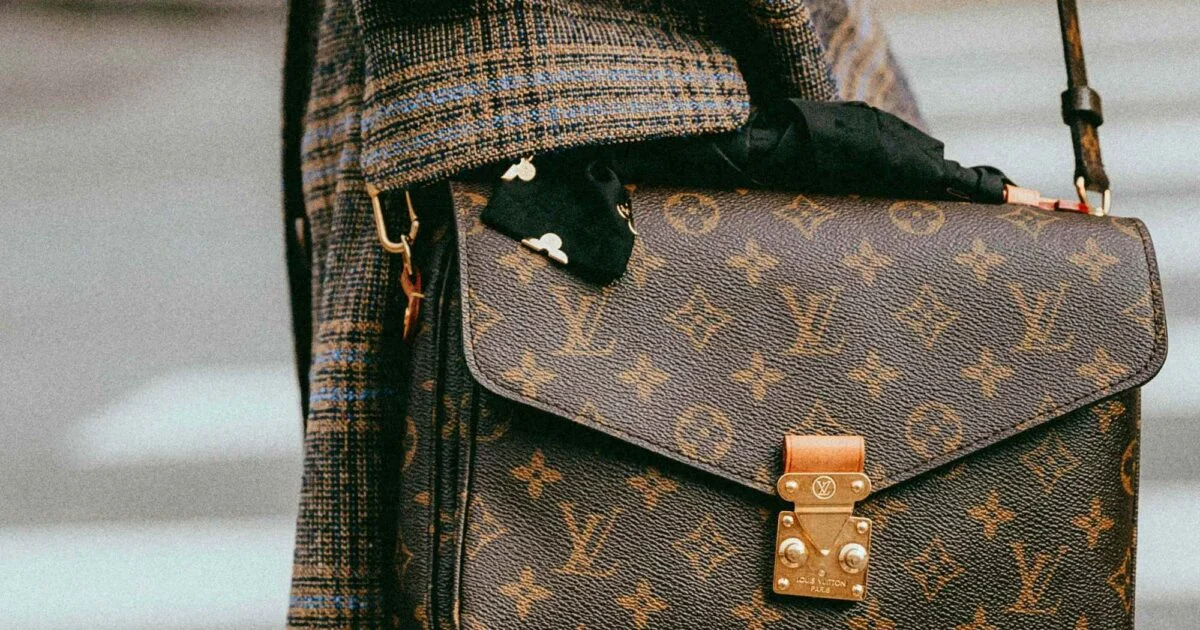
Editors at Good On You, a leading authority in ethical brand ratings, rigorously assess highly rated brands using a comprehensive ratings system. Purchases made through their links contribute to supporting their independent journalistic work. The latest assessment of Louis Vuitton, one of the world’s preeminent luxury clothing and accessories brands, reveals a persistent pattern of falling short in sustainability. According to a rating published in January 2026, the brand has consistently demonstrated areas needing significant improvement across environmental impact, labour conditions, and animal welfare. This ongoing lack of progress was starkly underscored by Louis Vuitton’s Spring/Summer ’27 runway show, which controversially featured a giant artificial waterfall amidst a climate crisis-induced heatwave, an event that drew widespread criticism for its perceived indifference to pressing global issues.
Contextualizing Luxury Fashion’s Environmental Footprint
The global luxury fashion market, valued at hundreds of billions of dollars, faces increasing pressure to adopt sustainable practices. Consumers, particularly younger demographics, are becoming more discerning, demanding transparency and accountability from brands. The industry, known for its rapid trend cycles, extensive supply chains, and reliance on resource-intensive materials, contributes significantly to environmental degradation and social inequalities. From excessive water consumption in textile production to vast carbon emissions from global logistics and manufacturing, the challenges are multifaceted. Against this backdrop, brands like Louis Vuitton, with their immense influence and resources, are expected to lead the charge in fostering a more responsible fashion ecosystem. The 2026 Paris heatwave, during which the controversial S/S ’27 show took place, served as a potent reminder of the escalating climate crisis, intensifying public scrutiny on corporate environmental responsibility. Average temperatures across Europe have been steadily rising, with cities like Paris experiencing increasingly frequent and severe heatwaves, making any perceived environmental insensitivity particularly jarring.
Louis Vuitton’s Legacy and Modern Artistic Vision Under the Ethical Lens
Founded in Paris in 1854 by visionary trunk-maker Louis Vuitton, the brand quickly established itself as a beacon of luxury, with its signature monogram and unwavering commitment to craftsmanship becoming global status symbols. For over a century, Louis Vuitton has dictated trends and epitomized high fashion.
A significant shift in the brand’s trajectory occurred in 2018 with the appointment of the late Virgil Abloh as artistic director of menswear. This move was widely hailed as a pivotal moment, shaking up not only the 164-year-old French fashion house but the entire industry. Abloh’s tenure was characterized by a "democratization of luxury fashion," bridging high-end couture with youth culture and streetwear aesthetics. His innovative approach paved the way for subsequent groundbreaking appointments, most notably Pharrell Williams in 2023, who currently serves as creative director. Williams has continued to push artistic boundaries with his conceptual runway presentations, often generating significant buzz.
However, Williams’ most recent Spring/Summer ’27 show became a focal point of criticism. Staged in Paris during some of the city’s hottest recorded days, the spectacle featured a colossal artificial waterfall. While Louis Vuitton asserted that the water utilized was part of a closed-loop system—taken from and subsequently returned to the city’s water supply—the lavish display was widely interpreted as tone-deaf and insensitive to the dire realities of the climate crisis. Environmental activists and concerned citizens quickly took to social media, questioning the necessity and appropriateness of such a resource-intensive display during a period of extreme heat and heightened environmental awareness. This event underscored a critical disconnect between the brand’s artistic ambition and its perceived responsibility in a world grappling with ecological challenges.
Environmental Impact Assessment: "It’s a Start" but Lacking Depth
In its environmental rating, Louis Vuitton has shown a marginal improvement, moving from a previous "Not Good Enough" to "It’s a Start." The brand claims to have set a science-based target to reduce greenhouse gas emissions across both its direct operations (Scope 1 and 2) and its extensive supply chain (Scope 3), and further states it is on track to meet these targets. However, Good On You analysts emphasize a critical lack of verifiable, solid evidence to substantiate these claims.
While setting science-based targets is a crucial first step in aligning with global climate goals, the absence of public data detailing progress and specific reduction metrics raises questions about the brand’s commitment to transparency. For a luxury giant like Louis Vuitton, robust public reporting of emission reductions, energy consumption, and renewable energy adoption is expected.
Furthermore, the brand’s claims regarding the use of Leather Working Group (LWG) certified tanneries also suffer from a lack of specificity. The LWG is a multi-stakeholder group that assesses the environmental compliance and performance of leather manufacturers. While certification indicates a level of environmental responsibility, Louis Vuitton has not disclosed the percentage of its leather sourced from such tanneries, nor has it provided further details about the specific certification levels achieved. This vagueness prevents consumers and independent evaluators from fully understanding the extent of its responsible sourcing practices.
The brand also reports using some lower-impact materials and engaging in recycling initiatives for textile offcuts to minimize waste. While these are positive steps, they are described as insufficient given the scale of Louis Vuitton’s operations and its significant market position. Industry best practices increasingly involve a comprehensive approach to circularity, including designing for longevity, repair, and recyclability, as well as investing in innovative, sustainable alternatives to conventional materials. Without clearer data on the volume and types of lower-impact materials used, and the effectiveness of its recycling programs, Louis Vuitton’s environmental efforts remain largely unsubstantiated and appear to fall short of the transformative change required from industry leaders.
Labour Conditions: A Persistent "Not Good Enough" Record
The assessment reveals a concerning lack of improvement in Louis Vuitton’s labour practices, maintaining a "Not Good Enough" rating for its treatment of workers throughout its vast supply chain. This is a critical area where luxury brands are expected to demonstrate exemplary standards, given their premium pricing and brand image.
A primary concern is the absence of certification by crucial labour standards organizations. These independent bodies (such as the Fair Labor Association or SA8000) play a vital role in auditing factories, ensuring worker health and safety, fair wages, reasonable working hours, and the protection of fundamental human rights. The lack of such certification across any part of Louis Vuitton’s supply chain suggests a significant gap in oversight and accountability.
Furthermore, Good On You found no evidence that Louis Vuitton ensures the payment of a living wage to workers in any segment of its supply chain. A living wage is defined as the income necessary for a worker to afford a decent standard of living for themselves and their family, covering basic needs like food, housing, healthcare, and education. This stands in stark contrast to a minimum wage, which often falls short of meeting these fundamental requirements. The omission of living wage provisions is a severe ethical failing, particularly given the brand’s immense profitability.
Transparency regarding supplier relationships is another significant concern. Louis Vuitton does not provide evidence of financial security for its suppliers, which can lead to precarious working conditions and exploitative practices further down the supply chain. The brand also fails to disclose whether it implements practices to support diversity and inclusion within its supplier network. While Louis Vuitton states it audits some parts of its supply chain, it does not publish the percentage of audited suppliers or a geographical breakdown of their locations. This lack of granular data makes it impossible for external bodies and consumers to verify the effectiveness and scope of these audits.
Critics argue that this vagueness is unacceptable for a brand with Louis Vuitton’s financial and influential power. Organizations like the Asia Floor Wage Alliance have developed credible definitions and benchmarks for living wages, providing clear pathways for brands to adopt ethical payment practices. The failure of a brand of Louis Vuitton’s stature to engage with or adopt such standards demonstrates a troubling indifference to labour justice. The millions of individuals working in garment and accessory production are the backbone of the fashion industry, and their fundamental rights and wellbeing must be prioritized.
Animal Welfare: An Outdated Approach, "Not Good Enough"
Louis Vuitton’s animal welfare practices also receive a "Not Good Enough" rating. Despite the increasing global awareness and consumer demand for cruelty-free products, the brand’s approach is considered outdated and insufficient.
The brand possesses a basic formal policy for animal welfare, yet it notably fails to align with the widely recognized "Five Domains of Animal Welfare." These domains—nutrition, environment, health, behaviour, and mental state—provide a comprehensive framework for assessing and ensuring animal wellbeing. For a brand heavily reliant on animal-derived materials, this misalignment is a significant shortcoming.
Louis Vuitton continues to use a range of controversial animal materials, including leather, wool, down, angora, exotic animal hair, and exotic animal skin. While the brand claims to source some of these materials from certified or recycled origins as alternatives to conventional wool, cashmere, and down, the overall reliance on such materials remains high, and the extent of certified sourcing is not adequately disclosed.
Perhaps the most glaring issue is Louis Vuitton’s continued use of fur. In recent years, a growing number of prominent luxury brands, including industry peers like Gucci, Burberry, and Coach, have committed to banning fur from their collections, recognizing the severe ethical issues associated with its production. Louis Vuitton’s refusal to follow suit positions it as an outlier and demonstrates a reluctance to adapt to evolving ethical standards.
Further controversy arose in 2020 when Louis Vuitton publicly claimed that 100% of the animals used for its products were "humanely farmed." This assertion was swiftly and emphatically debunked by PETA (People for the Ethical Treatment of Animals), which highlighted that the exotic skins industry, in particular, could never be considered humane due to the inherent cruelty involved in farming and slaughtering animals like crocodiles and pythons for their hides. PETA has consistently exposed the brutal conditions and practices within this industry, emphasizing that the welfare of sentient creatures is fundamentally compromised. In an era of rapid innovation in sustainable and vegan fabric alternatives—such as mushroom leather, apple leather, and cactus leather—the continued reliance on materials linked to animal suffering is increasingly seen as unnecessary and ethically indefensible.
The Broader Implications of a "Not Good Enough" Rating
Louis Vuitton’s overall "Not Good Enough" rating, which has remained unchanged since previous assessments, signals a critical juncture for the luxury behemoth. The lack of discernible improvement across environmental impact, labour conditions, and animal welfare suggests a brand that is failing to evolve at the pace demanded by contemporary ethical standards and consumer expectations. This stagnation in sustainability efforts carries significant implications, not only for Louis Vuitton but for the broader luxury industry.
In an increasingly conscious marketplace, where consumers, particularly millennials and Gen Z, are actively seeking brands aligned with their values, Louis Vuitton risks alienating a crucial segment of its future customer base. The "Not Good Enough" rating directly impacts brand reputation, potentially diminishing its appeal among those who prioritize ethical consumption. Such ratings are no longer niche concerns but are becoming central to purchasing decisions, influencing brand loyalty and market share.
For a brand synonymous with prestige and unparalleled quality, the ethical shortcomings present a stark contrast to its image of excellence. True luxury in the 21st century is increasingly defined not just by craftsmanship and exclusivity, but also by a commitment to social and environmental responsibility. Louis Vuitton’s continued opacity and insufficient action on key sustainability metrics indicate a missed opportunity to leverage its considerable influence for positive change.
The imperative for Louis Vuitton, and indeed all luxury brands, is to move beyond superficial gestures and embrace comprehensive, transparent, and verifiable sustainable practices. This involves a commitment to robust data disclosure, investing in certified ethical supply chains, ensuring living wages for all workers, and transitioning away from cruel animal-derived materials. Until such fundamental changes are implemented, Louis Vuitton will likely continue to face scrutiny and fall short of meeting the evolving expectations of a new generation of fashion lovers who demand that luxury be synonymous with responsibility.
Good On You publishes the world’s most comprehensive ratings of fashion brands’ impact on people, the planet, and animals. Consumers are encouraged to use their directory to search thousands of rated brands and discover more ethical alternatives. For those seeking alternatives to Louis Vuitton, several "Good" and "Great" rated brands offer luxury bags, accessories, and ready-to-wear clothing for men and women. These include HYER GOODS, which upcycles leather; Akyn, offering contemporary womenswear from lower-impact materials; Mashu, specializing in vegan accessories; ESSÄN, known for limited production and low-waste techniques; Sans Beast, crafting cruelty-free vegan bags from innovative plant-based leathers; WE-AR4, which rescues existing high-quality materials; SANTICLER, focused on timeless pieces from lower-impact materials; Artknit Studios, producing knitwear from 100% lower-impact materials; FUTURA Jewelry, utilizing mercury-free 18kt Certified Fairmined Ecological gold; and maison blanche, a Swiss label producing vegan, conceptual fashion.
Editor’s note: This article was updated on July 1, 2026. Our editors frequently update articles to ensure they are current. The copy was updated to reflect the most recent rating review and the featured brands.