








As global temperatures climb to unprecedented heights and successive heatwaves sweep across Europe and North America, consumers face a recurring seasonal dilemma: how to remain cool without compromising ethical and environmental values. Driven by accelerating climate change, extreme heat events have intensified significantly over the past decade, transforming what was once occasional summer discomfort into a persistent public health and lifestyle challenge. During these sweltering periods, the immediate instinct is often to prioritize instant relief, frequently leading to impulsive purchases of cheap, synthetic garments that exacerbate long-term environmental degradation. However, textile experts and sustainability advocates point out that many of the most effective fabrics for regulating body temperature are simultaneously among the most environmentally responsible.
The convergence of rising global temperatures and growing ecological awareness has brought sustainable warm-weather dressing into sharp focus. With vast regions of Europe and other continents experiencing record-breaking temperatures this season, consumers are increasingly seeking practical guidance on how to balance personal thermal comfort with ecological stewardship. Navigating this intersection requires a strategic approach to wardrobe curation, activewear selection, sun protection, and personal care products. By understanding the lifecycle of various textiles and supporting verified ethical brands, individuals can mitigate their environmental footprint while enduring extreme heat.
The Macroclimate Context: Understanding the Escalation of Extreme Heat
The frequency and intensity of modern heatwaves are direct consequences of anthropogenic climate change. According to meteorological data from international climate monitoring agencies, the past decade has included the hottest years on record globally. Heat domes, prolonged dry spells, and stagnant atmospheric conditions have become more common, trapping heat over densely populated regions and triggering severe public health warnings.
This climatic shift has fundamentally altered seasonal consumer behavior. Retail data indicates a massive surge in demand for summer apparel during early seasonal spikes. Historically, this demand has been met by fast-fashion retailers offering inexpensive garments made from virgin polyester, nylon, and acrylic—materials derived from fossil fuels. These synthetic fabrics are popular for their low cost and wrinkle resistance, but they perform poorly in high temperatures. They trap body heat, restrict airflow, and prevent sweat from evaporating efficiently, often leaving the wearer feeling hotter and more uncomfortable. Furthermore, the mass production and disposal of these petroleum-based garments contribute heavily to global carbon emissions and the accumulation of non-biodegradable textile waste in landfills.
In response to these environmental challenges, climatologists and sustainable fashion advocates emphasize that sustainable dressing is no longer a niche preference but a necessary component of climate adaptation. Adapting wardrobes to withstand higher temperatures using responsible materials helps reduce individual carbon footprints while supporting regenerative agricultural practices and fair labor standards within the global supply chain.
Prioritizing Lighter, Biodegradable Materials for Daily Wear
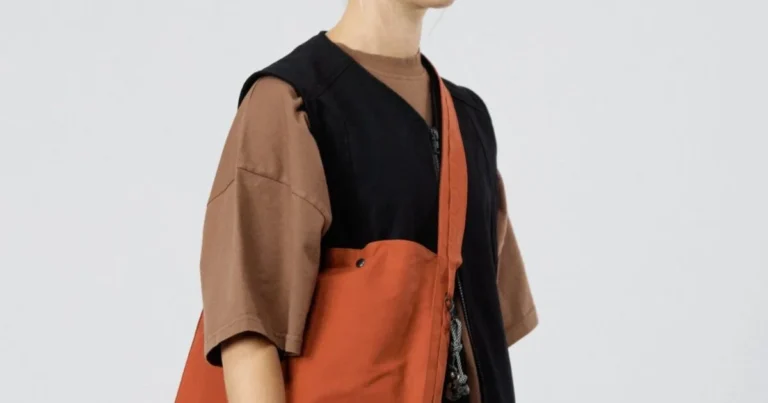
The foundation of hot-weather comfort lies in fabric selection. When ambient temperatures soar, the human body relies on the evaporation of perspiration to cool down. Fabrics that facilitate airflow and moisture management are therefore essential. From an ecological perspective, natural, plant-based fibers offer superior performance and minimal environmental impact compared to synthetics.
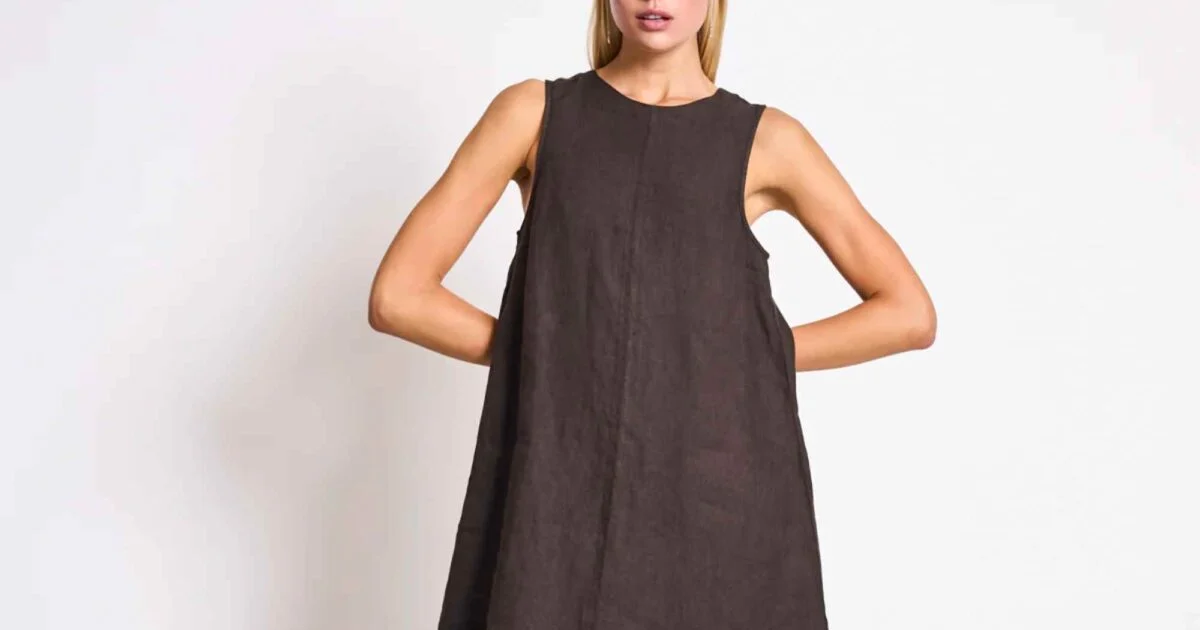
Organic linen and hemp stand out as the premier choices for warm-weather garments. Flax, the plant from which linen is derived, requires significantly less water and fewer chemical pesticides than conventional cotton. Both linen and hemp are inherently strong, highly breathable, and completely biodegradable at the end of their lifecycle, provided they have not been treated with toxic chemical dyes or synthetic finishes. These fibers allow maximum air circulation and dry rapidly, preventing the clammy sensation associated with synthetic blends.
Other responsible alternatives include TENCEL Lyocell and certified organic or recycled cotton. TENCEL Lyocell, derived from sustainably managed wood sources through a closed-loop solvent system that recycles nearly 100% of the water and non-toxic solvents used, offers exceptional breathability and moisture-absorption properties. Similarly, organic cotton avoids the heavy pesticide loads of conventional farming, protecting soil health and farmworker safety.
To assist consumers in sourcing these materials, industry evaluators highlight several ethical brands meeting rigorous environmental standards:
- JAN & N JUNE: Based in Hamburg, this transparency-focused label was founded by young entrepreneurs dedicated to making sustainable fashion accessible and stylish. Operating within an accessible price point, the brand utilizes responsible materials to create versatile wardrobe staples in sizes XS through XL.
- SUI: Operating out of a dedicated workshop in Delhi, this Indian womenswear label produces intricately crafted garments using sustainable textiles, offering an inclusive size range from 2XS to 2XL while supporting local artisanal craftsmanship.
- CARPASUS: Specializing in fine menswear, this Swiss brand produces shirts, ties, and accessories using GOTS-certified organic cotton. CARPASUS emphasizes local manufacturing, traceable supply chains, and the payment of living wages to reduce its carbon footprint.
Rethinking Activewear: Eliminating Microplastics in Motion
Physical activity during warm weather inevitably leads to perspiration, prompting many individuals to invest in specialized activewear. However, mainstream athletic wear is predominantly composed of virgin polyester, elastane, and nylon. Every time these synthetic garments are washed, they shed thousands of microscopic plastic fibers—known as microplastics—into the wastewater system, ultimately polluting marine ecosystems and entering the global food chain. Additionally, because synthetics lack natural breathability, they trap heat against the skin, intensifying discomfort during heatwaves.
To address this issue, progressive activewear brands are developing high-performance alternatives free from petroleum-based plastics. Utilizing innovative blends of bamboo-viscose and TENCEL Lyocell, these brands offer moisture-wicking and odor-resistant properties without relying on synthetic polymers.
- Tripulse: This Swedish activewear brand focuses on creating high-performance fitness apparel designed to protect both people and the planet. By replacing traditional synthetics with sustainable, plant-based materials, Tripulse provides durable activewear options available in an inclusive size range spanning XS to 6XL.
Comprehensive Sun Protection Through Sustainable Accessories
As ultraviolet radiation levels rise in tandem with ambient temperatures, effective sun protection is critical. However, conventional sunglasses and summer hats are frequently manufactured from virgin plastics and non-biodegradable components.
Sustainable alternatives are increasingly available across the accessories market. Sunglasses constructed from bio-acetate, recycled plastics, bamboo, or responsibly harvested wood offer durable eye protection while reducing reliance on virgin petroleum. For headwear, consumers are advised to apply the same textile principles used in apparel: prioritizing organic linen, hemp, and certified organic or recycled cotton.
- tentree: Operating under an Earth-first business model, this Canadian brand constructs apparel and accessories using lower-impact and recycled materials under safe working conditions. Notably, tentree commits to planting ten trees for every item purchased, contributing to global ecosystem restoration and community forestry initiatives.
Selecting Ecologically Minded Sunscreen Formulations
Topical sun protection is a summer necessity, yet conventional sunscreens often contain chemical filters and synthetic additives that pose significant risks to human health and aquatic environments. Ingredients such as oxybenzone, octinoxate, and certain nano-sized mineral particles have been linked to coral reef bleaching and hormonal disruption in marine life. Furthermore, many commercial beauty products incorporate microplastics as texture enhancers or stabilizers.
Dermatological and environmental experts recommend choosing mineral-based sunscreens that utilize non-nano zinc oxide or titanium dioxide, verified by independent certifications against ecotoxicity. These formulations sit on top of the skin to reflect UV rays without releasing harmful pollutants into marine ecosystems or irritating sensitive skin types.
- Odylique: Specializing in organic beauty and skincare products formulated for sensitive skin, this British brand ensures all ingredients meet the stringent organic standards set by the Soil Association, offering safe, pollutant-free suncare and cosmetic alternatives.
Sustainable Swimwear and Aquatic Recreation
For those with access to natural bodies of water or public pools, swimming remains one of the most effective methods for managing extreme heat. Nevertheless, the swimwear industry presents a persistent environmental paradox. Traditional swimsuits rely heavily on nylon and spandex to achieve elasticity and water resistance—materials that are notoriously difficult to recycle and prone to shedding microplastics.
To mitigate this impact, consumers should look for swimwear manufactured from regenerated nylon, such as ECONYL (made from discarded fishing nets and industrial waste), or natural fibers like hemp, which possess inherent antimicrobial and UV-resistant properties. Combined with proper garment care—such as hand-washing less frequently and utilizing microplastic-catching laundry bags—these garments significantly extend product lifecycles.
- Natasha Tonic: This brand utilizes a specialized hemp-based fabric for its swimwear line. Naturally antimicrobial, durable, and UV-resistant, the material offers enhanced comfort for the wearer while protecting marine environments. Each piece is hand-printed, ensuring unique design variations.
- ColieCo: Based in Portugal, this lingerie and swimwear brand operates on a handmade-to-order model to eliminate deadstock. ColieCo manufactures its entire collection exclusively from responsibly sourced, lower-impact fabrics, offering an expansive size range from 2XS to 3XL.
Broader Implications and Industry Outlook
The intersection of extreme weather events and sustainable fashion highlights a broader systemic shift within the global textile industry. As climate change accelerates, consumer awareness regarding the lifecycle of everyday goods is expanding rapidly. Regulatory bodies, particularly in the European Union, are moving toward stricter accountability measures for fashion brands, including digital product passports, mandatory supply chain transparency, and extended producer responsibility laws.
The initiatives undertaken by independent, highly rated sustainable brands demonstrate that functional, high-performance warm-weather apparel can be produced without exacerbating the ecological crises driving modern heatwaves. By shifting consumer demand away from fast-fashion synthetics and toward biodegradable, durable, and ethically produced alternatives, the global apparel market can play a constructive role in climate adaptation and environmental mitigation. Independent rating systems and digital directories continue to empower consumers to navigate these choices, providing verified data on brand impacts across people, planet, and animal welfare.