






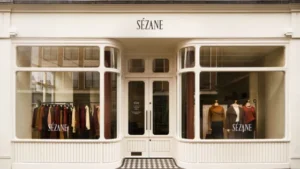


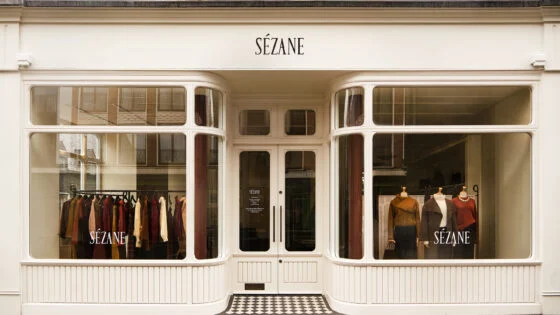
The arrival of the new boutique, branded as L’Appartement Chelsea, represents a strategic consolidation of the Parisian label’s influence within the United Kingdom’s luxury and premium fashion sector. Situated at 143 King’s Road, the 2,550-square-foot space serves as the brand’s third London outpost, joining existing boutiques in the affluent neighborhoods of Notting Hill and Marylebone. This expansion signals a robust commitment to the London market, even as many retail competitors consolidate their physical footprints in favor of purely digital-first models.
A Chronology of Strategic Expansion
Sézane, founded in 2013 by visionary entrepreneur Morgane Sézalory, has evolved from a pioneering digital-native brand into an omnichannel powerhouse. The brand’s journey into physical retail began in its home city of Paris, where it has successfully established seven locations. This brick-and-mortar strategy—which the brand refers to as "L’Appartement"—is designed to mimic the intimacy of a Parisian home rather than the sterile environment of a traditional retail department store.
The timeline of the brand’s international physical growth reflects a cautious but deliberate pace:
- 2013: Launch of Sézane as a pure-play e-commerce entity, marking one of the earliest success stories of the digital-direct-to-consumer model in France.
- 2016-2017: Following sustained online success, the brand opened its first permanent retail spaces in Paris, testing the "L’Appartement" concept.
- 2018: The brand began its international physical expansion, identifying London and Madrid as key markets that aligned with its aesthetic and target demographic.
- 2021-2022: Despite global retail headwinds during the pandemic, Sézane continued to refine its London presence, securing high-footfall locations that reinforce brand prestige.
- 2024: The inauguration of the Chelsea store marks the latest chapter, firmly cementing the brand’s presence in one of the most commercially significant retail corridors in the United Kingdom.
Design Philosophy and Architectural Integration
The interior design of L’Appartement Chelsea is the result of a deliberate collaboration between the Sézane creative team and the Paris-based architecture studio Claves. The aesthetic narrative is rooted in a homage to the work of Charles Rennie Mackintosh, the renowned Scottish architect and designer whose influence on the Arts and Crafts movement remains significant.
The space utilizes a palette of rich-toned woods and patinated metals to create a tactile, warm environment. This is complemented by the inclusion of woven textiles and carefully curated vintage antiques sourced from both French and British markets. By integrating these elements, Sézane moves beyond transactional retail, aiming to offer an immersive experience that aligns with the "lifestyle" branding that has become synonymous with the company.
Beyond the merchandise, the store is intended to function as a cultural hub. The current launch features an exhibition of photographs by the late street photography icon Vivian Maier, alongside custom lighting installations by Les Composantes. The inclusion of such elements indicates a long-term plan to host a recurring calendar of community workshops, creative collaborations, and art-focused events, further grounding the brand in the local Chelsea community.
Product Offerings and Commercial Strategy
While the Chelsea location offers the brand’s core inventory—including its signature ready-to-wear lines, knitwear, and accessories—it also provides a dedicated space for the "Petit Sézane" newborn collection. This category expansion reflects the brand’s strategy of evolving alongside its core customer base, who have increasingly sought lifestyle and family-oriented products.
Sézane’s business model remains distinct in the modern retail landscape. The brand famously eschews wholesale partnerships, maintaining a direct-to-consumer (DTC) approach that allows it to retain complete control over pricing, brand narrative, and customer experience. By maintaining exclusive control over its distribution channels—selling primarily through its own website and its limited number of "L’Appartements"—Sézane avoids the margin dilution and branding compromises often associated with third-party retailers.
Market Analysis and Industry Context
The decision to open a flagship-style store on the King’s Road is a calculated move. Despite the broader economic fluctuations currently impacting the UK retail sector, high-end retail corridors like the King’s Road continue to attract significant investment from brands that prioritize "experiential retail."
Data from recent retail property reports suggests that while overall high street footfall in the UK has faced volatility, premium retail destinations have shown greater resilience. By positioning itself alongside established luxury houses and heritage brands on the King’s Road, Sézane is capitalizing on the "halo effect" of the area’s prestige.
Industry analysts suggest that the brand’s success is rooted in its ability to generate high levels of organic customer loyalty. Unlike many of its competitors who rely heavily on aggressive seasonal discounting, Sézane maintains a strategy of limited production runs and a consistent "new drop" schedule. This creates a sense of scarcity and urgency, which has historically mitigated the need for extensive discounting and has helped the brand maintain healthy margins even during periods of inflation.
The Role of Physical Retail in a Digital Age
The expansion of the Sézane footprint poses an interesting case study in the modern retail paradox: why invest heavily in physical infrastructure when the cost of operation is significantly higher than a digital storefront?
For Sézane, the physical store acts as a customer acquisition tool as much as a revenue center. The "L’Appartement" concept functions as a tangible proof-point of the brand’s quality. For a customer who has historically only interacted with the brand through a screen, the ability to touch the fabrics, try on the knitwear, and experience the brand’s curated aesthetic serves as a significant trust-builder. This reduces return rates and increases the "Customer Lifetime Value" (CLV), a critical metric for any digitally native brand.
Furthermore, the Chelsea store serves as a localized marketing asset. In a digital environment where the cost of customer acquisition (CAC) via platforms like Meta and Google has risen sharply over the last three years, physical retail space provides a form of "offline" advertising that reaches high-net-worth individuals who frequent London’s prime shopping districts.
Future Outlook and Sustainability
As Sézane continues to scale, it faces the challenges of maintaining its boutique feel while managing international logistics. The company has made efforts to emphasize its commitment to sustainability, holding B-Corp certification—a designation that requires high standards of social and environmental performance, transparency, and accountability.
The launch of the Chelsea location is expected to be a major revenue driver for the brand’s UK operations. With its existing stores in Notting Hill and Marylebone already performing as high-traffic locations, the addition of the Chelsea store creates a "triangulation" of the London market, providing comprehensive coverage across the city’s most affluent residential and shopping zones.
Observers of the retail sector will be monitoring the performance of this location closely, particularly to see how effectively the brand can balance its growth with the maintenance of its unique, community-focused identity. As the retail landscape continues to shift toward a hybrid of digital convenience and physical engagement, Sézane’s latest expansion serves as a testament to the enduring power of high-quality, experience-driven physical commerce. Whether this pace of expansion continues into other major global cities remains to be seen, but for now, the label has firmly signaled that London remains a cornerstone of its international strategy.