









The modern professional lifestyle demands a high degree of adaptability, particularly for those who balance home-based responsibilities with the rigors of frequent travel. The concept of "Everyday Carry" (EDC)—the collection of items one routinely carries to manage common problems—has evolved from a niche hobby into a strategic approach to personal productivity. By analyzing the utility of minor tools, individuals can mitigate logistical friction, reduce travel-related stress, and maintain personal standards of grooming and organization regardless of their location.

The fundamental shift in consumer behavior toward these curated essentials is supported by market trends emphasizing minimalism and multi-functionality. Data from the global luggage and travel accessory market indicates a significant rise in demand for "smart" travel solutions, as consumers increasingly prioritize weight reduction and modular organization. This report examines thirty-seven specific items that serve as force multipliers for efficiency, categorized by their application in daily life and transit.

Precision and Organization in Everyday Carry
The foundation of an effective EDC kit begins with measurements and personal aesthetics. A high-quality, fiberglass measuring tape remains an indispensable tool for professionals in fashion, design, and retail. Unlike traditional cloth tapes, which are prone to environmental stretching, fiberglass provides a non-deformable, consistent reference point. This ensures accuracy in tailoring and product evaluation, which is critical for maintaining professional standards.

The inclusion of jewelry, specifically pinky rings and cufflinks, serves both an aesthetic and a financial function. Historically, gold has functioned as a hedge against inflation. With the price of gold exceeding $4,000 per ounce in current market conditions, jewelry serves as a wearable store of value that is both liquid and portable. Pinky rings, a classic staple of men’s fashion, offer a method for personal expression that transcends seasonal trends. Similarly, cufflinks for French-cuff shirts remain a primary indicator of traditional sartorial standards, often acting as a conversation piece in business environments.
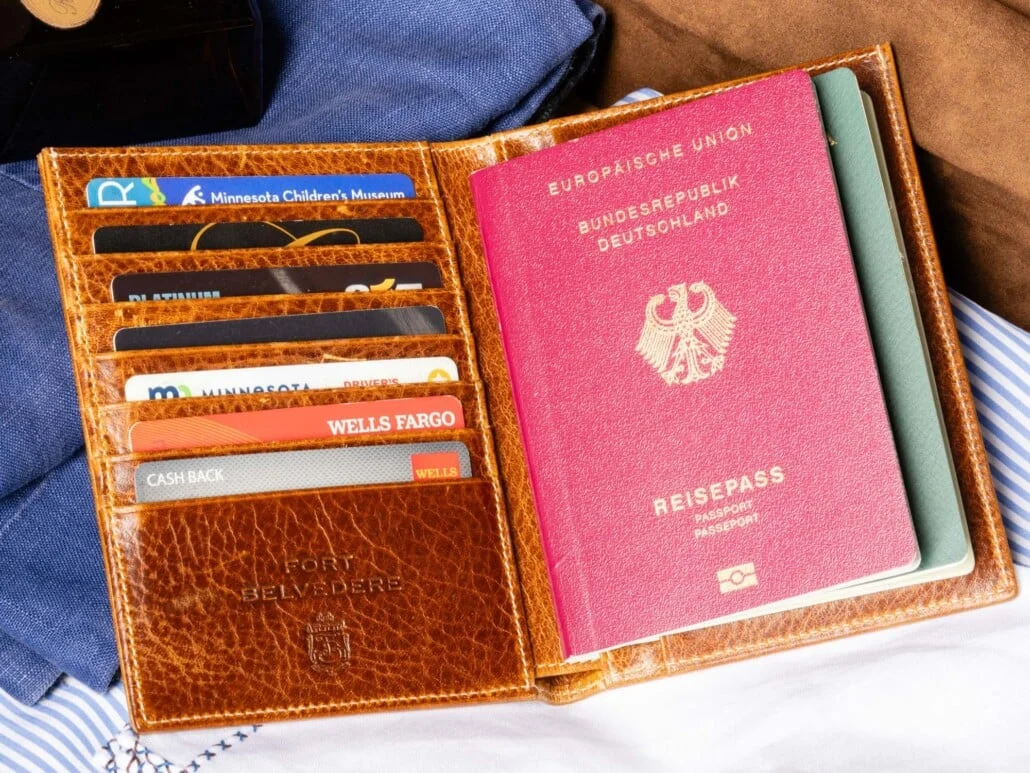
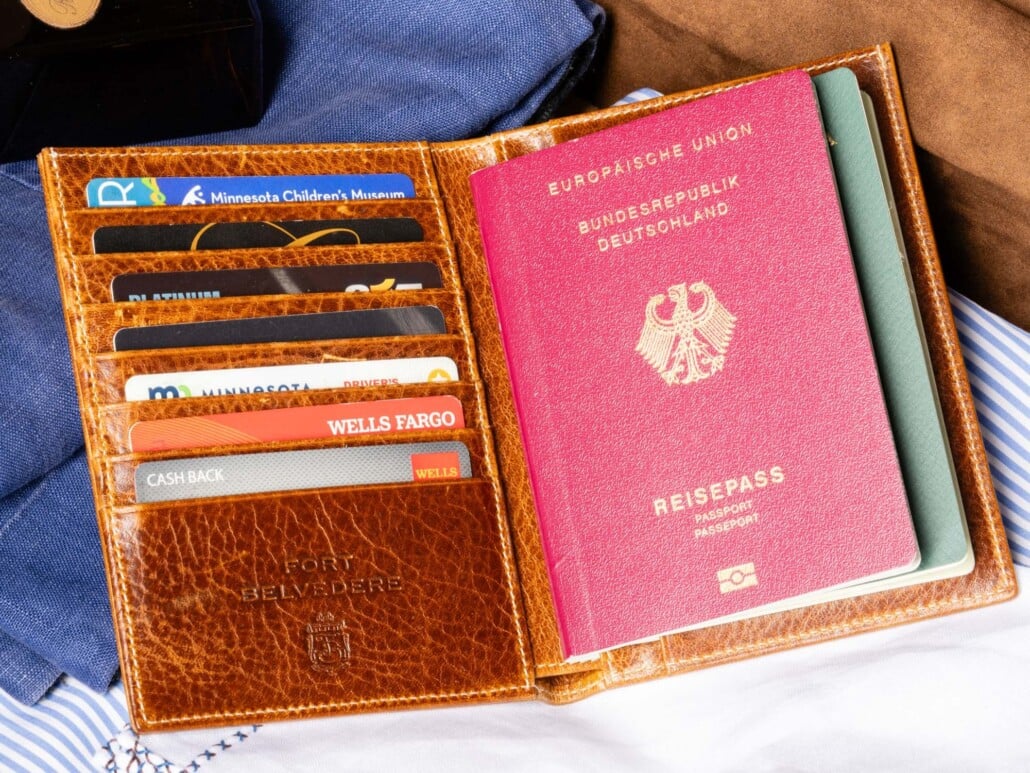
Organizational efficiency is further bolstered by slim card-holder wallets. As digital payments have rendered bulky, bifold wallets obsolete, the slim profile design minimizes physical clutter. The integration of high-security tracking technology, such as the KeySmart card, into these wallets provides a layer of security that traditional leather goods lack. These trackers, compatible with major smartphone ecosystems, offer real-time location data, drastically reducing the risk of lost identification or travel documents.
Travel Logistics and the Mechanics of Efficiency
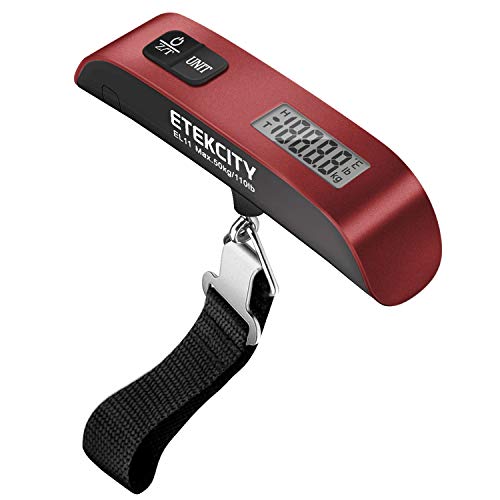
Frequent travelers often face the "hidden costs" of transit, most notably overweight baggage fees. A digital luggage scale, capable of weighing up to 110 pounds, is a critical piece of hardware for the modern voyager. Airline baggage policies remain strictly enforced; a portable scale provides the data necessary to redistribute weight before arriving at a check-in counter, saving passengers significant sums in potential fees.
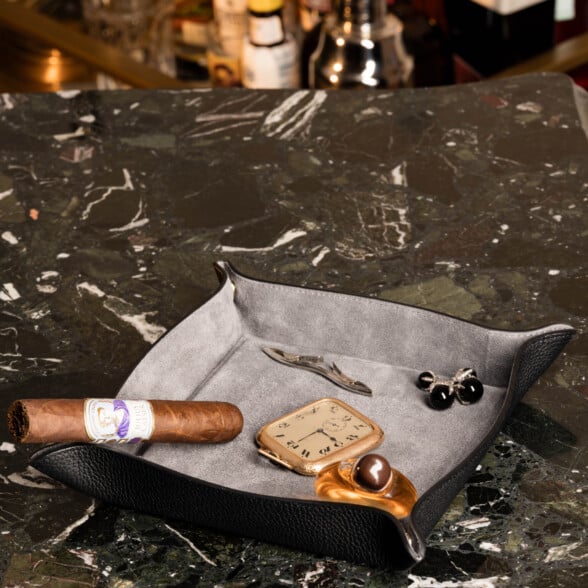
Organization in unfamiliar environments is equally vital. A travel tray, often lined with high-friction materials like suede, acts as a centralized station for disparate items—keys, currency, and accessories—preventing loss in hotel rooms. This simple, low-tech solution addresses the high incidence of misplaced belongings during travel.
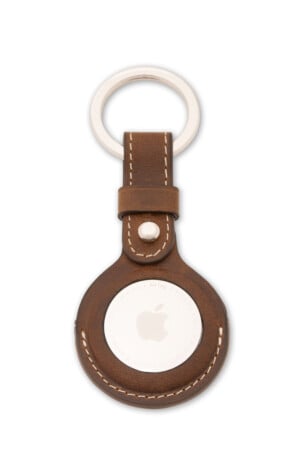
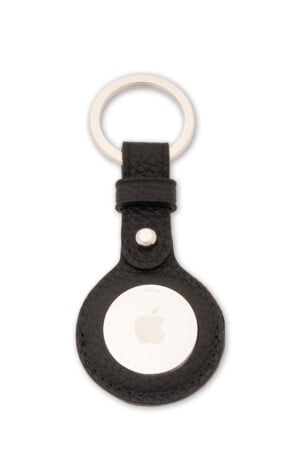
Security and peace of mind are further enhanced by the use of Apple AirTags or similar Bluetooth-enabled trackers. When placed within checked luggage, these devices allow passengers to monitor their belongings through crowdsourced networks. This technology has fundamentally changed the landscape of lost luggage, providing passengers with the granular data needed to assist airline personnel in locating delayed items. Complementing this, traditional, high-durability luggage tags with hidden address flaps ensure that physical contact information remains protected while still being accessible to authorities.
Grooming, Health, and Personal Care Standards
Maintaining personal hygiene during extended transit is a significant challenge. TSA-compliant manicure kits allow for essential grooming, while refillable silicone travel bottles provide a solution for transporting high-quality toiletries that comply with liquid volume restrictions. Unlike rigid plastic containers, high-grade silicone allows for the complete extraction of contents, reducing waste and mess.
Skin and hair health are often compromised by the low-quality toiletries provided in hospitality settings. Experienced travelers mitigate this by bringing specialized products, such as medicated shampoos (e.g., Nizoral) or aluminum-free deodorants like those produced by Native. The use of specific formulas prevents dermatological reactions and dandruff, ensuring that the traveler maintains their health regimen while away from home.

For oral care, the transition from manual string floss to water-based flossing systems represents a significant upgrade in preventative dental hygiene. Water flossers, which use pressurized water to remove debris, are increasingly recognized for their efficiency in maintaining gum health. While traditional countertop units are standard for home use, the availability of portable, battery-operated units has allowed travelers to maintain this routine on the road.

Technological Infrastructure and Power Management
The proliferation of mobile devices necessitates a robust charging strategy. Modern high-output charging stations, such as those utilizing Gallium Nitride (GaN) technology, allow for the simultaneous charging of multiple high-demand devices—laptops, tablets, and phones—from a single wall outlet. These stations have superseded the older, low-wattage "all-in-one" universal adapters, which often lacked the power delivery required for modern professional hardware.

Cable management is equally vital. High-speed data cables, particularly those certified for Thunderbolt 4 or 5 protocols, are essential for professionals moving large media files. Unlike standard USB cables, these specialized conduits provide significantly higher bandwidth and data transfer rates, optimizing workflow. Paired with high-capacity rechargeable batteries—such as Panasonic’s Eneloop series—these tools ensure that portable electronics remain functional for years, reducing the long-term cost and environmental impact of disposable batteries.

Culinary Tools and Home Functionality
The intersection of travel and home life is perhaps most visible in the kitchen. A high-quality corkscrew, specifically one with a double-hinged lever, is an essential tool for any social setting, providing the leverage necessary for smooth extraction. In the realm of food preparation, the contrast between professional-grade tools and generic utility items is stark. A Damascus steel paring knife is a high-performance tool for precision tasks at home, while a robust, inexpensive Victorinox paring knife serves as a reliable, replaceable alternative for short-term rental properties or travel.

The utility of a full-size peppermill—which allows for adjustable grind settings—cannot be overstated in culinary contexts. Freshly ground pepper offers a vastly superior aromatic profile compared to pre-ground varieties, and larger mills increase efficiency. For the eco-conscious consumer, simple items like the IKEA Frakta bag demonstrate how high-durability, recycled plastic can serve as a universal utility tool for groceries, moving, and travel, highlighting that the most effective solutions are often the most straightforward.

Strategic Implications of Small-Scale Efficiency
The cumulative impact of these thirty-seven items extends beyond mere convenience. By standardizing one’s toolkit, a professional reduces the cognitive load associated with daily logistics. The "Small Things" approach to life is essentially a form of risk management; it anticipates common failures—lost items, dead batteries, poor health, and logistical errors—and provides pre-planned solutions.
The broader implication for the consumer market is a shift toward "Buy it for Life" (BIFL) products. As individuals move away from the disposable culture of the early 21st century, they are increasingly seeking out durable, high-utility items that can be maintained and reused. This trend is not merely about frugality; it is about the optimization of one’s personal environment. Whether it is a spare set of shoelaces, which can fundamentally alter the appearance of a shoe, or a high-performance charging cable, the focus remains on items that provide utility far in excess of their physical size or financial cost.

In conclusion, the curation of these small essentials acts as a stabilizer for the modern, mobile professional. By investing in quality, multi-functional, and reliable tools, individuals can ensure that their standard of living remains consistent, whether they are in a home office or navigating an international transit hub. The objective of such a collection is not merely to accumulate tools, but to cultivate a reliable system of support that enhances productivity, health, and personal presentation.