




The creation of a bridal gown is traditionally a commercial transaction, yet for singer-songwriter and poet Ava Lily and London-based designer Jo of Julita London, the process evolved into a multi-month collaborative project rooted in artistic synchronicity. Following the 2025 engagement of Lily to poet and actor Lucas Jones, what began as an unsolicited professional inquiry from the designer transformed into a complex, bespoke commission that challenged the modern reliance on digital imagery and AI-generated bridal trends. This project, documented through 35mm analogue photography by Joy, By Ash, serves as a case study in the evolving landscape of sustainable, high-fashion bridal couture.
Chronology of a Creative Partnership
The partnership originated in early 2025 shortly after the public announcement of Lily and Jones’s engagement. Jo, the founder of Julita London, initiated contact via a direct message, expressing professional admiration for Lily’s body of work. Despite the inherent professional boundaries typically maintained in high-end bridal design, the two parties engaged in an initial meeting that lasted three hours, centering on aesthetic philosophy, poetry, and shared creative values.
By the second quarter of 2025, the design phase commenced. Unlike conventional retail bridal experiences, where garments are selected from existing inventories, this commission required a development cycle that spanned several months. The timeline included initial conceptualization meetings, fabric sourcing, multiple structural fittings, and final adjustments. This iterative approach allowed for the incorporation of unconventional elements, such as the repurposing of lace offcuts into custom footwear and the integration of a multi-stage, modular garment design. The project reached its conclusion with a final at-home fitting, a practice that emphasizes the transition of a garment from a studio product to a personal heirloom.
Structural Innovation and Technical Design
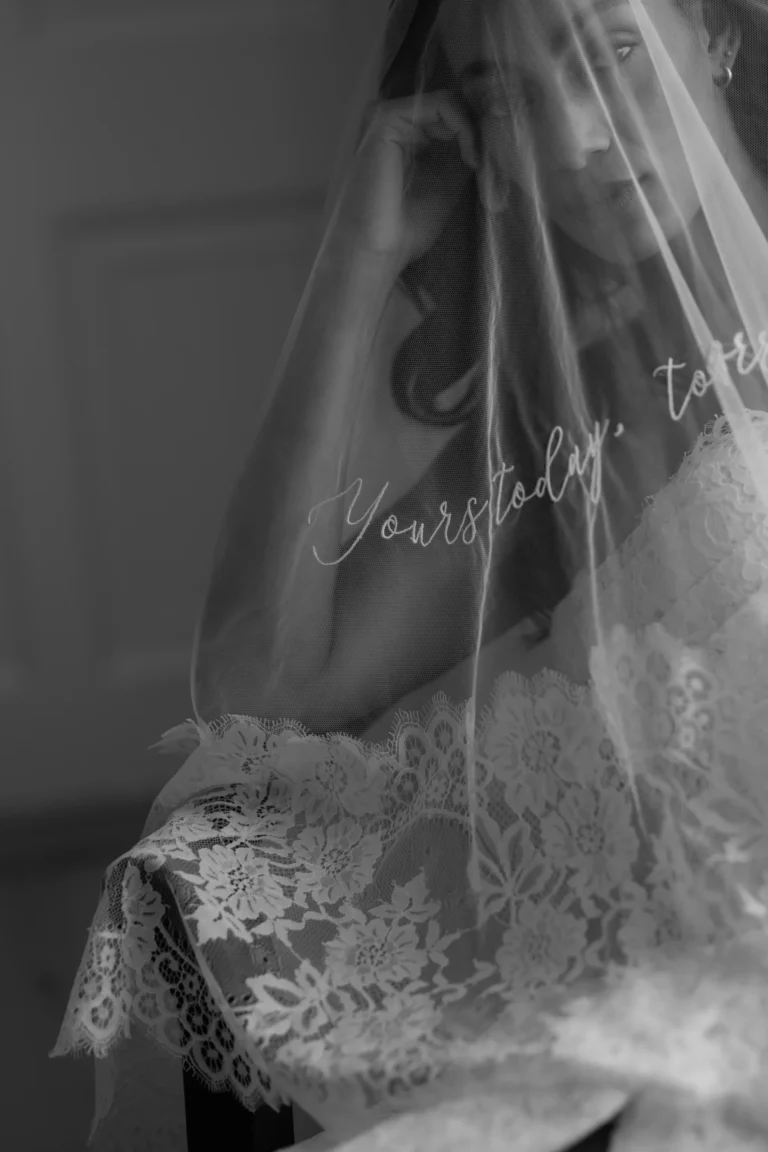
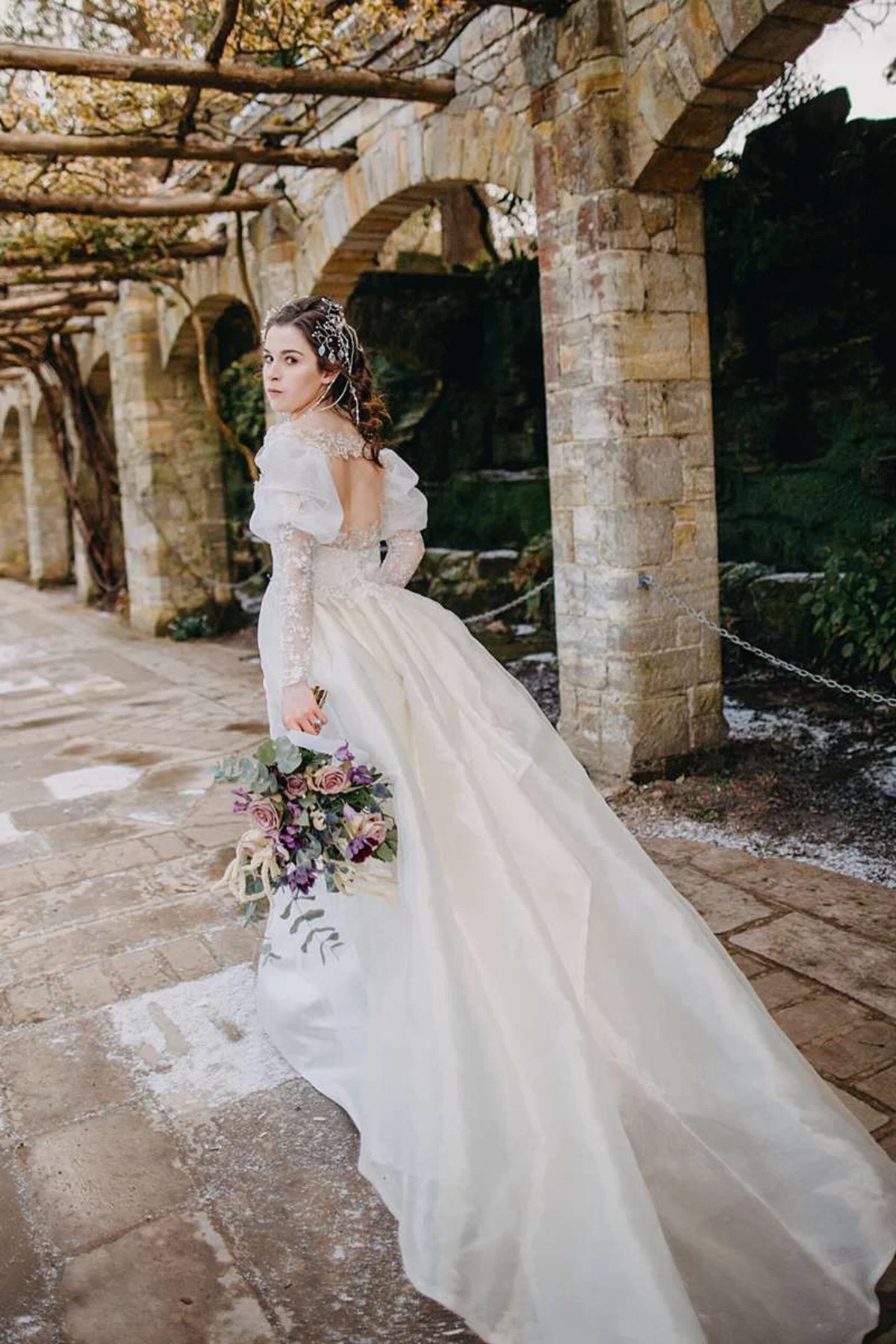
The gown designed for Lily represents a shift toward versatile, functional bridal wear. The technical specifications of the piece reflect a requirement for both formal ceremony aesthetics and high-mobility reception wear. The dress featured a dramatic, detachable lace train that utilized godets—triangular inserts that add fullness—to allow for a seamless transition from a floor-sweeping silhouette to a more agile, cape-winged configuration.
A notable feature of the gown’s technical construction was the incorporation of an oversized lace hood, which provided a distinct stylistic shift for bridal portraiture. As the event transitioned into the evening, the gown was modified using a series of integrated ribbons, which allowed for a hitched high-low hemline, specifically engineered to facilitate movement for dancing. This adaptability negated the industry-standard expectation that a bride must purchase a separate reception dress, thereby aligning with broader trends toward reduced consumption and garment longevity.
The integration of custom accessories further highlighted the technical ingenuity of the collaboration. The lace boots worn by the bride were sourced from a vintage collection and subsequently customized with the exact lace used in the gown’s construction. This circular approach to materials—utilizing offcuts that would otherwise be discarded—reflects a growing focus on waste reduction within the bespoke couture sector.
The Digital Divide: Artificial Intelligence vs. Artisanal Craft
The rise of AI-generated imagery in the bridal industry has introduced a new challenge for designers. Recent discourse, including public commentary from entities like Solunah Studio, highlights a growing disconnect between digital, AI-perfected concepts and the reality of physical textiles. AI models often generate gowns with gravity-defying drapes, impossible lace structures, and textures that do not exist in nature.
The collaboration between Julita London and Lily serves as an empirical contrast to this digital trend. Jo’s methodology relies on "pinned" design—the process of draping raw fabric on the human form to determine silhouette, flow, and structural integrity. This tactile approach accounts for the unique anatomy of the client and the physical properties of the materials, such as the weight of silk and the tension of lace. The implications of this are significant: while AI can provide inspiration, it cannot replicate the intuition required to translate a client’s personal history or "essence" into a wearable, functional garment. The success of this project suggests that the value of bespoke couture is increasingly derived from the human-to-human connection, which ensures the final product is physically compatible with the client’s lifestyle.
Data and Industry Context
The bridal industry has seen a notable increase in the demand for "slow fashion" and bespoke services. According to market analysts monitoring the luxury bridal sector, there is a measurable shift away from mass-produced, off-the-rack wedding attire in favor of pieces that offer long-term archival value. Bespoke commissions, while representing a smaller share of the overall market, are increasingly viewed as a hedge against the fast-fashion cycle.
Furthermore, the documentation of the process via 35mm film—specifically Kodak Ektacolor Pro 400—points to a parallel trend in wedding photography: the move toward authenticity and grain-heavy, non-digital aesthetics. The warmth and tenderness captured in the photographs by Joy, By Ash are a reaction to the hyper-polished, color-graded imagery prevalent on social media platforms. By utilizing a medium that requires technical precision and limits the ability to "edit" reality, the documentation reinforces the narrative that the most valuable aspects of a wedding are the unscripted, human moments.
Broader Implications for Bridal Fashion
The implications of this collaboration extend beyond the individual garment. It underscores a fundamental shift in how designers and clients define "success" in a wedding commission. For designers like Jo, the goal is no longer solely the production of a visually appealing object, but the curation of a creative journey. The dress, in this context, acts as a vessel for the memories of the preparation period, the emotional anticipation of the event, and the physical experiences of the wedding day itself.
For the consumer, the trend toward bespoke, conversation-led design offers an alternative to the homogenized aesthetic currently dominating the wedding market. By beginning the process with a dialogue rather than a catalog, the client is involved in the creation of a piece that is technically and emotionally bespoke. This, in turn, creates a garment that holds value long after the ceremony concludes, functioning as an heirloom rather than a seasonal commodity.
In conclusion, the partnership between Lily and Julita London demonstrates that the future of bridal couture lies not in the speed of production or the perfection of digital renderings, but in the slow, meticulous application of traditional craftsmanship. By prioritizing the relationship between the maker and the wearer, the industry can continue to evolve toward a model that values individual identity, environmental consciousness, and the enduring nature of human-made art. As AI continues to automate aspects of design, the human element—the intuition, the conversation, and the physical labor—remains the definitive differentiator in luxury bridal wear.