




The global holiday season has long been synonymous with festive attire, yet an increasing cultural and environmental backlash against low-quality novelty garments is reshaping winter wardrobes. For decades, the high street has been flooded in the weeks leading up to December 25th with cheap, petroleum-based novelty men’s Christmas jumpers emblazoned with flashing lights, crude puns, and ironic slogans. However, a growing coalition of fashion economists, sustainability advocates, and menswear designers are calling for an end to this disposable festive culture, urging consumers to invest in durable, timeless knitwear that transitions seamlessly from winter through to spring.
The Economics and Environmental Toll of Fast-Fashion Festivities
To understand the scale of the environmental challenge, one must examine the consumption metrics surrounding seasonal apparel. In peak shopping cycles prior to the pandemic, consumers in the United States alone purchased an estimated six million novelty holiday jumpers in the weeks leading up to Christmas. More alarmingly, retail waste audits revealed a staggering discard rate: for every four novelty garments purchased, one was thrown into household waste shortly after the holiday season concluded.
This throwaway dynamic contributes significantly to the broader environmental footprint of the textile industry. According to data compiled by environmental watchdogs and trade groups, global fashion consumption and its associated disposable culture emitted approximately 92 million tonnes of waste in a single representative year. To contextualize this volume, the annual waste output of the global fashion industry dwarfs the combined emissions and waste generated by international commercial aviation and global shipping networks.
Textile experts point out that novelty Christmas jumpers are particularly problematic from a circular economy perspective. Typically manufactured from synthetic blends—such as virgin acrylic, polyester, and nylon—these items are notoriously difficult to recycle. Unlike natural fibers like wool, cashmere, or organic cotton, synthetic knits shed microplastics during every wash and take centuries to decompose in landfills once discarded. Consequently, the cultural tradition of buying a single-use garment for an office party has transformed into an ecological liability.
Shifting Consumer Sentiments and the Rise of "Buy Better"
In response to mounting ecological pressures, consumer behavior within the menswear sector is undergoing a measurable shift. Retail analysts note that shoppers are increasingly prioritizing cost-per-wear metrics and material longevity over temporary novelty. The concept of sustainability, once dismissed as a transient marketing buzzword akin to short-lived micro-trends like "dadcore" or the "man bun," has established itself as a permanent pillar of modern consumer consciousness.
Major fashion houses and independent labels alike are reporting heightened demand for traditional, high-grade knitwear that captures the spirit of the winter season without resorting to kitsch. Industry leaders advocate for a fundamental philosophy: buy less, buy better. By focusing on heritage weaving techniques and superior natural fibers, consumers can acquire garments that perform dual functions as both festive wear and indispensable cold-weather staples. Rather than purchasing a garment designed solely to provoke a laugh at a December workplace gathering, style authorities recommend investing in foundational pieces built to last decades.
The Heritage and Craftsmanship of the Fair Isle Jumper
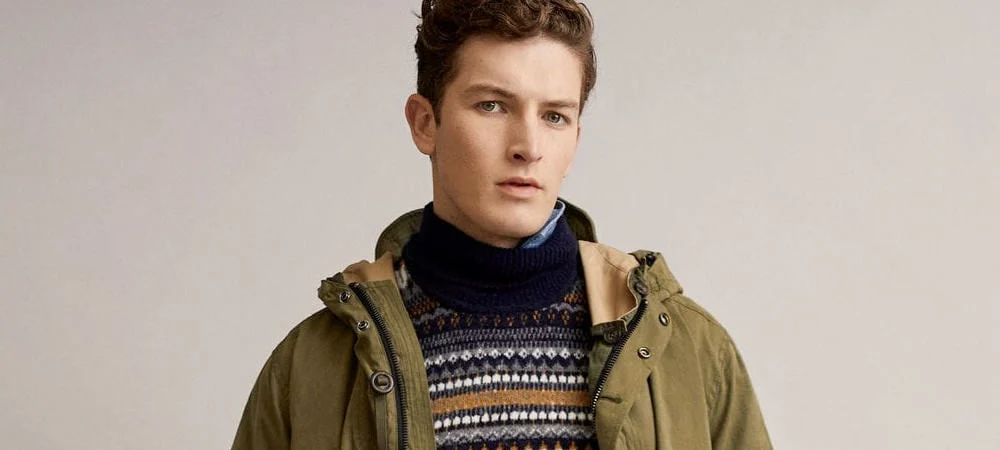
Among the most resilient and historically significant alternatives to the novelty jumper is the traditional Fair Isle knit. Originating from Fair Isle, a tiny, remote island within Scotland’s Shetland archipelago, this distinct style of knitting utilizes a specialized technique known as stranded colorwork. Historically, local islanders developed the method to incorporate intricate, multi-colored geometric patterns into garments using local wool, providing both exceptional insulation against North Atlantic gales and a striking visual identity.

From a styling perspective, Fair Isle knitwear offers a masterclass in balance. Because the patterns are inherently detailed and colorful, these sweaters function best as the anchor or focal point of a winter ensemble. Sartorial experts recommend pairing a Fair Isle crewneck with understated, neutral-toned garments—such as a heavy cotton overshirt, raw denim jeans, or straight-leg wool trousers—thereby allowing the intricate craftsmanship of the knit to command attention without overwhelming the overall silhouette.
Furthermore, the versatility of Fair Isle knitwear extends far beyond holiday gatherings. A well-constructed Shetland wool jumper is equally appropriate for an alpine ski trip in January as it is for winter evening strolls. Because these pieces rely on natural animal fibers rather than synthetic blends, they offer superior thermal regulation and durability, ensuring they remain viable components of a winter wardrobe year after year.
The Enduring Appeal of the Cable Knit Jumper
For those seeking maximum warmth and rugged texture, the cable knit jumper remains an essential cold-weather asset. Characterized by its raised, braided patterns—which historically mimicked the ropes used by fishermen working in harsh maritime climates—cable knit sweaters are among the heaviest and most robust items in contemporary menswear.
The construction of a genuine cable knit involves crossing knit stitches over one another to create a dense, three-dimensional fabric that traps body heat with exceptional efficiency. This structural weight makes cable knits ideal companions for outdoor winter activities, whether navigating a bustling Christmas market or embarking on a brisk Boxing Day countryside walk.
Styling a heavy cable knit requires pairing it with garments of comparable substance. Menswear stylists suggest combining a chunky crewneck or turtleneck cable knit with heavy-weight raw denim, commando-sole leather boots, and a structured wool overcoat. Because the fabric itself provides rich visual texture, accessories should be kept to a minimum. When properly maintained—including hand-washing or dry-cleaning using appropriate wool detergents—a high-quality cable knit sweater is an investment piece designed to last a lifetime.
The Functional Elegance of the Chunky Roll Neck
Regarded as a signature of mid-century cinematic style and popularized by cultural icons, the roll-neck (or turtleneck) sweater functions as a hybrid between a scarf and a traditional jumper. For winter events and holiday parties, the roll neck delivers sophisticated aesthetic appeal alongside practical meteorological protection.
The primary advantage of the roll neck lies in its adaptability within a layered wardrobe. During transit to and from evening events, the high collar provides a crucial barrier against biting winter winds, eliminating the immediate need for a bulky scarf. Worn beneath a tailored winter coat, it projects an air of understated elegance. Once outer layers are removed indoors, the sweater transitions effortlessly into a standalone statement piece.
Given the inherent prominence of the neckline, experts advise opting for clean lines and solid, rich colorways—such as charcoal, forest green, navy, or oatmeal. Avoiding overly textured patterns beneath the collar ensures the outfit remains sharp, sophisticated, and entirely free of holiday novelty fatigue.
The Preppy Heritage of the Shawl Collar Cardigan

Often overlooked in favor of standard pullover sweaters, the shawl collar cardigan bridges the gap between casual layering and formal tailoring. Rooted in traditional collegiate and Ivy League aesthetics, this knitwear style features a rounded, folded collar that drapes gracefully down the chest, offering a softer, more relaxed alternative to traditional suiting or stiff winter jackets.
The shawl collar cardigan carries deep historical ties to American Ivy League style and mid-century leisurewear. To style the garment successfully for contemporary holiday occasions, wearers can lean into its preppy origins by layering it over a crisp Oxford cotton button-down shirt, paired with tailored chinos and leather loafers. For a more relaxed, casual approach, substituting the collared shirt for a classic Breton-stripe t-shirt creates an effortless, transitional look that remains visually engaging without appearing overly formal.
Statement Designer Knitwear and High-Fashion Kitsch
At the opposite end of the spectrum from generic high-street novelty wear lies the category of luxury statement knitwear. Driven by a broader high-fashion trend toward bold logos, playful intarsia motifs, and all-over graphic prints, many premier design houses now produce luxury woolens that playfully nod to festive themes without sacrificing material integrity.
Exemplified by iconic pieces such as Ralph Lauren’s famed Polo Bear sweaters, luxury intarsia knits offer a playful, colorful aesthetic that satisfies the desire for holiday cheer while maintaining rigorous standards of craftsmanship. Manufactured from premium cashmere, virgin wool, and alpaca blends, these garments command a significantly higher price point than mass-market novelties. Consequently, owners treat them as treasured seasonal heirlooms rather than disposable party props.
Stylists emphasize that because statement designer knitwear carries significant visual weight, the surrounding outfit should remain deliberately minimalist. Pairing a graphic intarsia sweater with slim-fit black denim and clean white leather trainers allows the garment to take center stage without competing with accessories.
Industry Standards and the Editorial Commitment to Longevity
As consumers increasingly demand transparency and durability from apparel brands, style publications and curators face a heightened responsibility to guide purchasing decisions toward sustainable excellence. Leading digital platforms emphasize rigorous product vetting, focusing on craftsmanship, material sourcing, and long-term wearability rather than fleeting seasonal trends.
Industry experts stress that finding the right balance between festive spirit and everyday utility does not require compromising personal style. By turning away from mass-produced novelty items and investing in heritage techniques—such as Fair Isle weaving, heavy cable knitting, fine-gauge roll necks, and structured cardigans—consumers can build a resilient, sustainable winter wardrobe.
Ultimately, the transition away from disposable holiday fashion represents a broader maturation within men’s style. By prioritizing quality over quantity, the modern wardrobe can celebrate the winter season with sophistication, ensuring that the garments chosen today remain valued staples for decades to come.