

As global temperatures continue to rise, prompting more frequent and intense heatwaves, consumers are increasingly seeking practical and environmentally conscious solutions for their wardrobes. In this context, linen has emerged as a fabric of choice, offering both exceptional comfort in warm weather and a significantly lower environmental footprint compared to many conventional textile alternatives. This comprehensive guide explores the multifaceted benefits of linen, delves into the complexities of its production, and highlights how informed consumer choices, supported by rigorous ratings systems like Good On You, can drive the fashion industry towards greater sustainability. Our editors curate highly rated brands that are first assessed by our rigorous ratings system. Buying through our links may earn us a commission—supporting the work we do. Learn more.
The Enduring Appeal of Linen: A Historical and Modern Perspective
Linen, derived from the versatile flax plant (Linum usitatissimum), boasts a rich history dating back thousands of years, with evidence of its use found in ancient Egypt, Mesopotamia, and beyond. Its inherent qualities—lightweight, breathable, and exceptionally durable—have ensured its continuous relevance throughout millennia. Today, as environmental concerns dominate public discourse, linen is experiencing a significant resurgence, positioned not merely as a seasonal trend but as a cornerstone of sustainable fashion. Its natural ability to wick moisture away from the body and allow air circulation makes it an unparalleled choice for maintaining coolness and comfort during periods of high heat and humidity, making it ideal for summer wear and holiday attire.
Beyond its comfort, linen’s aesthetic appeal is also a key factor in its popularity. The fabric’s distinctive texture and drape lend themselves to a range of styles, from relaxed, flowing silhouettes to more structured, elegant designs. Its natural propensity to wrinkle, often seen as a drawback in other fabrics, is embraced as part of linen’s inherent charm, contributing to a casual yet sophisticated look that resonates with contemporary preferences for understated luxury.
Linen’s Environmental Footprint: A Closer Look at Flax Cultivation
The primary driver behind linen’s sustainable credentials lies in the cultivation of the flax plant itself. Compared to other widely used natural fibers, particularly conventional cotton, flax offers compelling environmental advantages across several key metrics.
Water Efficiency: Flax is remarkably water-efficient. Unlike cotton, which is notoriously thirsty, flax cultivation typically requires significantly less irrigation. Estimates suggest that flax can require up to 90% less water than cotton, often relying solely on rainwater in temperate climates. For instance, a single cotton t-shirt can demand over 2,700 liters of water during its production cycle, whereas a linen garment of similar weight would consume a fraction of that. This reduced water dependency is crucial in a world facing increasing water scarcity and highlights linen’s role in mitigating environmental strain.
Soil Health and Reduced Chemical Dependency: The flax plant is robust and adaptable, capable of thriving in poorer soil conditions that would be unsuitable for many other crops. Its cultivation generally necessitates far fewer pesticides and fertilizers compared to conventionally grown cotton, which is one of the most pesticide-intensive crops globally. This reduces chemical runoff into water systems and preserves soil biodiversity. Furthermore, flax cultivation often has a positive impact on soil health, as it can be rotated with other crops to improve soil structure and fertility, contributing to regenerative agricultural practices. The plant also requires less land per tonne of fiber produced than cotton, further minimizing its ecological footprint.
Carbon Sequestration: Flax plants are efficient at absorbing carbon dioxide from the atmosphere during their growth cycle, acting as a carbon sink. While the exact net carbon impact depends on various processing stages, the inherent ability of flax to sequester carbon contributes positively to its overall environmental profile.
Biodegradability and Circularity: In its purest, natural form, linen is fully biodegradable. This means that at the end of its life cycle, an untreated linen garment can decompose naturally, returning nutrients to the soil without leaving behind harmful microplastics or persistent pollutants. This characteristic positions linen as an excellent material within a circular fashion economy, where resources are kept in use for as long as possible, and waste is minimized. However, this biodegradability can be compromised by synthetic dyes, bleaching agents, and other chemical treatments applied during manufacturing. Consumers seeking truly circular options should prioritize garments with minimal chemical processing and certifications that attest to their end-of-life compatibility.
Navigating the Production Process: Challenges and Certifications
While flax cultivation presents a largely positive environmental picture, the journey from plant to fabric involves several processing stages that can introduce environmental and social concerns. Addressing these challenges is paramount for ensuring linen’s genuine sustainability.
Retting and Dyeing Processes: The conversion of flax stalks into spinnable fibers typically involves a process called retting, where the pectin binding the fibers is broken down. Traditional retting methods, such as dew retting (leaving flax in fields to decompose naturally), are low-impact but can be weather-dependent and time-consuming. However, industrial retting methods, particularly chemical retting, can involve harsh chemicals and generate significant wastewater. Similarly, the dyeing of linen, like any textile, can be chemical-intensive, utilizing synthetic dyes that may contain heavy metals or other hazardous substances. These processes can lead to water pollution and pose risks to workers’ health if not managed responsibly.
The Role of Credible Certifications: To address these concerns and provide consumers with verifiable assurances, certifications play a critical role. The Global Organic Textile Standard (GOTS) is widely recognized as the leading processing standard for organic fibers. A GOTS certification ensures that a linen garment:
- Contains a minimum of 70% certified organic fibers.
- Does not use hazardous chemicals in any processing stage, including retting, bleaching, and dyeing.
- Adheres to strict wastewater treatment requirements.
- Meets stringent social criteria, ensuring fair labor practices, safe working conditions, and no child labor throughout the supply chain.
Choosing linen certified to GOTS or similar credible standards (e.g., OEKO-TEX Standard 100 for chemical safety) empowers consumers to support brands committed to minimizing environmental harm and upholding ethical labor practices. These certifications provide a transparent framework that extends beyond the raw material, encompassing the entire supply chain from harvest to finished product.
Durability and Longevity: The Economic and Environmental Benefits of Investing in Quality
One of linen’s most compelling attributes is its exceptional durability. Linen fibers are stronger than cotton fibers, making linen garments highly resistant to wear and tear. A well-cared-for linen dress can last for many years, even decades, standing up to repeated washes and extensive use. This longevity offers significant environmental and economic advantages.
Counteracting Fast Fashion: In an era dominated by fast fashion’s rapid consumption cycles and disposable garments, investing in durable pieces like linen dresses is a powerful antidote. By extending the lifespan of clothing, consumers reduce the demand for new production, thereby lessening the environmental impact associated with manufacturing, transportation, and waste disposal. The fashion industry is a major contributor to global waste, with an estimated 92 million tons of textile waste generated annually. Opting for garments designed for longevity directly combats this issue, aligning with principles of a circular economy.
Economic Savings: While the initial cost of a high-quality, sustainably produced linen dress might be higher than a fast fashion alternative, its extended lifespan translates into long-term economic savings. Consumers replace garments less frequently, reducing overall expenditure over time. This investment in quality over quantity is a cornerstone of conscious consumerism.
Care and Maintenance: To maximize the lifespan of linen garments, proper care is essential. Linen becomes softer and more lustrous with each wash. Washing in cold water, air-drying (which also saves energy), and avoiding harsh chemical bleaches can preserve the fabric’s integrity and color. Embracing the natural wrinkles of linen rather than excessive ironing further reduces energy consumption and maintenance effort.
The Blended Dilemma: Why 100% Linen Matters
While linen offers numerous benefits, its pure form is often superior from a sustainability perspective. Linen is sometimes blended with other fibers, such as cotton, rayon, or synthetic materials like polyester, to alter its texture, reduce wrinkling, or achieve specific performance characteristics. However, these fiber blends pose significant challenges for recycling.
Recycling Complexities: Textile recycling technologies are still evolving, and separating different fiber types from blended fabrics is a complex and energy-intensive process, often rendering blended garments unrecyclable through current mechanical or chemical methods. This means that a blended linen garment is more likely to end up in a landfill or be downcycled into lower-value materials, undermining the potential for circularity.
Prioritizing Purity: For maximum environmental benefit and future recyclability, consumers are best advised to opt for pure, or 100% linen garments where possible. This ensures that the garment can be more easily processed for fiber-to-fiber recycling at the end of its life, contributing to a truly closed-loop system. When blends are unavoidable or desired for specific performance attributes, seeking blends with other natural, biodegradable fibers (e.g., organic cotton) is a preferable alternative to synthetic mixes.
Good On You’s Framework: Identifying Truly Sustainable Brands
In an increasingly complex market saturated with claims of "eco-friendly" or "sustainable" products, discerning genuinely ethical brands can be challenging. This is where independent ratings systems like Good On You become indispensable tools for consumers. Good On You provides comprehensive, evidence-based ratings for fashion brands’ impact on people, the planet, and animals.
Rigorous Assessment Methodology: Good On You’s methodology involves analyzing brands across three key areas:
- Planet: Assessing environmental policies, resource use (water, energy), waste management, chemical use, and carbon footprint.
- People: Evaluating labor practices, supply chain transparency, worker safety, fair wages, and human rights.
- Animals: Examining animal welfare policies, use of animal products, and cruelty-free practices.
Brands are rated on a 5-point scale (from "We Avoid" to "Great"), with transparency being a critical component of their assessment. Brands that provide detailed information about their practices receive higher scores. This rigorous, independent evaluation helps cut through greenwashing and empowers consumers to make informed purchasing decisions that align with their values.
Empowering Consumer Choices: By curating lists of highly rated brands, Good On You simplifies the search for sustainable options, including ethical linen dresses. Their platform acts as a trusted guide, connecting conscious consumers with brands that are genuinely committed to positive environmental and social impact. This transparency fosters accountability within the fashion industry, encouraging brands to improve their practices to meet consumer demand for ethical products.
Curating Conscious Choices: A Selection of Ethical Linen Dresses
Understanding the rigorous criteria for sustainable fashion, particularly for materials like linen, allows for a more discerning selection of garments. When searching for the perfect linen dress, whether it’s a flowing maxi, a chic mini, a relaxed shirt dress, or a more formal option, prioritizing brands rated highly by organizations like Good On You ensures that style does not come at the expense of ethics or environmental responsibility.
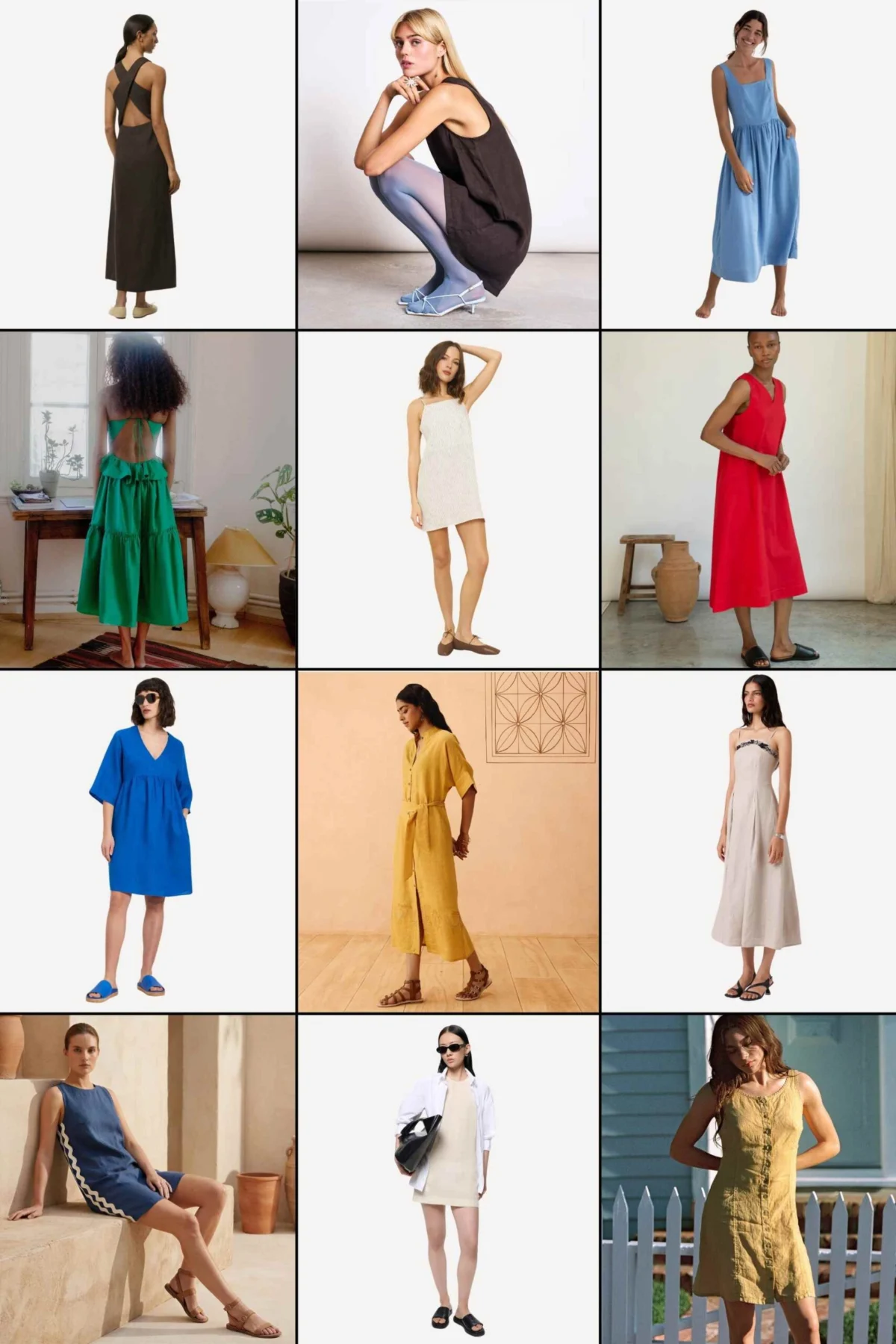
The following selection represents brands that have demonstrated a commitment to more sustainable practices, often utilizing organic linen, ensuring transparent supply chains, and adhering to ethical labor standards. These curated choices offer diverse styles while upholding the principles of responsible manufacturing:
- Artknit Studios The Linen Twill Special Black Dress: Known for its commitment to ethical production and high-quality natural fibers.
- JAN N JUNE Linen Mini Dress: A brand focusing on minimalist design and sustainable materials with transparent supply chains.
- TWOTHIRDS Formentera Linen Dress: Emphasizing ocean conservation and sustainable materials, often with a focus on natural fibers.
- OhSevenDays Holly Linen Dress: Creates timeless pieces from deadstock fabrics and sustainable materials.
- Whimsy + Row Lainey Striped Linen Mini Dress: A Los Angeles-based brand with a strong focus on sustainability and ethical manufacturing.
- Beaumont Organic Cotton and Linen-Blend Dress: Offers contemporary organic and sustainable clothing, prioritizing ethical production.
- Lanius Organic Linen Dress: A German brand committed to ecological and fair fashion since 1999, with GOTS-certified products.
- Sui Golden Palm Line Maxi Shirt Dress: Specializes in handcrafted, sustainable clothing using natural dyes and fabrics.
- The Summer House Suhjan Embroidered Linen Dress: Focuses on natural textiles and artisanal craftsmanship from India.
- SeamsFriendly Contrast-detailed Linen Shift Dress: Emphasizes customization and sustainable production with natural fabrics.
- Pangaia A-line Linen Dress: A material science company creating innovative and sustainable wardrobe essentials.
- LA Relaxed Linen Pinafore: Prioritizes comfort and sustainability with a range of eco-friendly garments.
These brands represent a growing movement within the fashion industry towards greater accountability and responsibility. By choosing items from such brands, consumers actively participate in fostering a more ethical and sustainable future for fashion.
Beyond the Dress: Broader Implications for Sustainable Fashion
The choice of a sustainable linen dress extends beyond personal comfort and style; it reflects a broader shift in consumer values and carries significant implications for the future of the fashion industry.
The Power of Consumer Choice: Every purchase decision is a vote. By consciously choosing sustainable linen from ethical brands, consumers send a clear message to the market: demand for environmentally and socially responsible products is growing. This collective power incentivizes brands to re-evaluate their supply chains, invest in sustainable innovations, and adopt more transparent practices.
Driving Industry Transformation: The increased scrutiny from consumers and advocacy groups is pushing the fashion industry, historically known for its opaque supply chains and environmental impact, towards greater transparency and accountability. Brands are increasingly investing in research and development for sustainable materials, adopting circular business models (e.g., repair, resale, recycling programs), and striving for certifications to validate their claims.
The Future of Textiles: Linen’s resurgence is part of a larger trend towards natural, renewable, and biodegradable fibers. Research into next-generation sustainable materials, combined with advancements in textile recycling technologies, promises a future where fashion is truly regenerative. However, realizing this future requires continued innovation, robust policy frameworks, and sustained consumer engagement.
In conclusion, linen stands as a testament to the fact that style, comfort, and sustainability can coexist harmoniously. As the world grapples with the realities of climate change and resource depletion, embracing materials like linen, sourced from ethical and transparent brands, becomes not just a sartorial choice but a meaningful contribution to a more sustainable and equitable future. Informed purchasing, guided by resources like Good On You, empowers individuals to make a tangible difference, one ethical linen dress at a time.
Editor’s note: Feature image via Whimsy + Row, all other images via brands mentioned. Good On You publishes the world’s most comprehensive ratings of fashion brands’ impact on people, the planet and animals. Use our directory to search thousands of rated brands.