







Strategic Selection of Boturich Castle and Loch Lomond
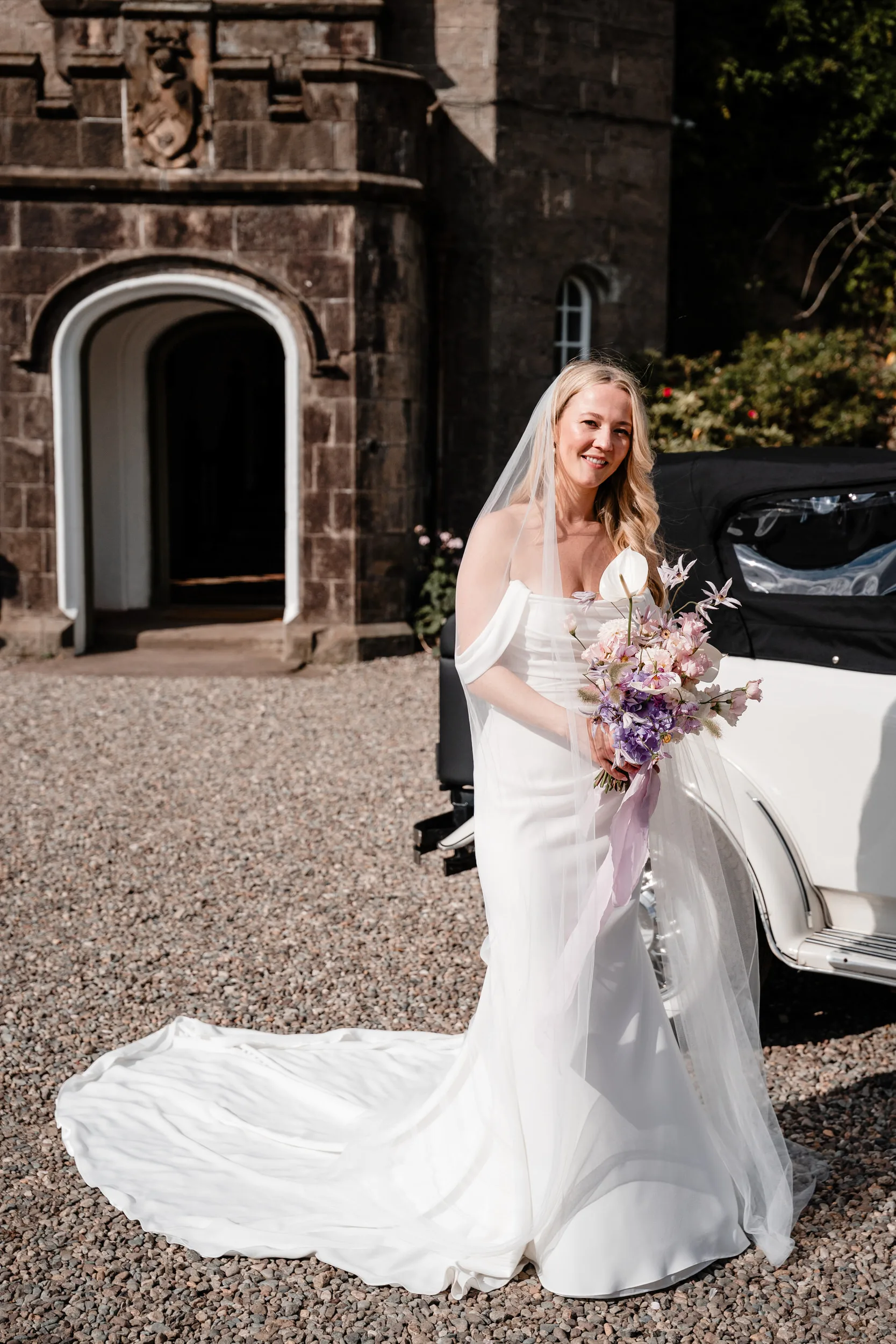
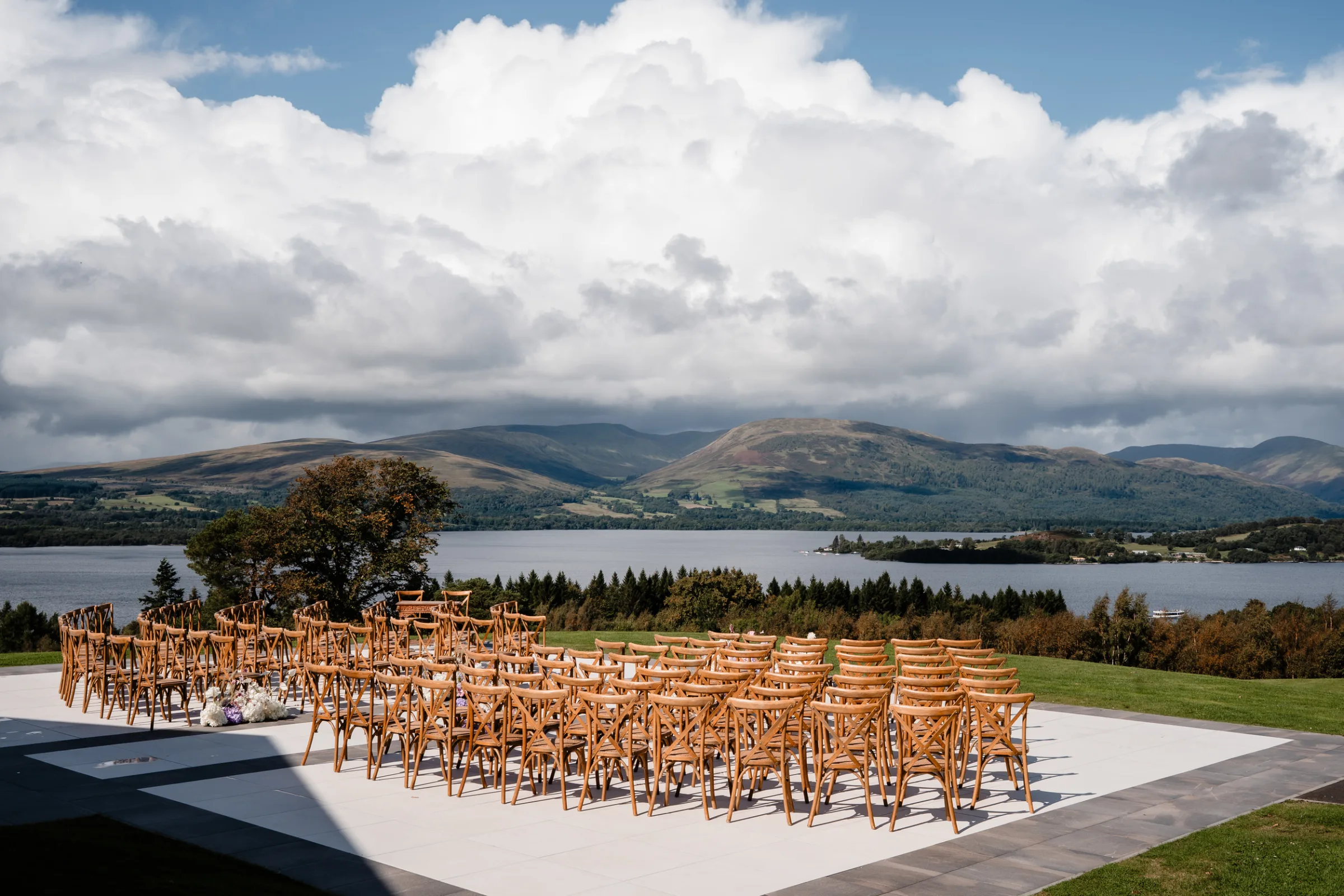
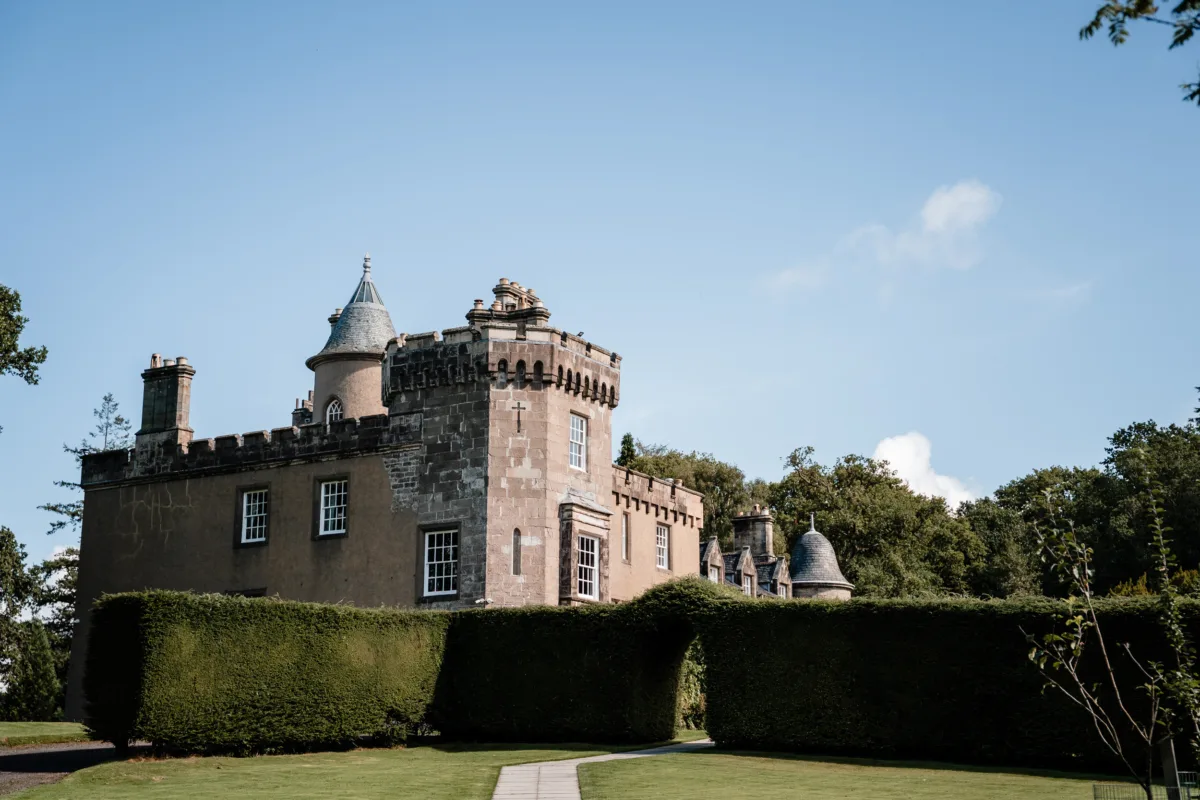
The choice of Boturich Castle served both an aesthetic and a logistical purpose. Situated within the Loch Lomond and The Trossachs National Park, the venue is one of the few remaining private castles in the region that offers a panoramic view of the loch. For Rachael and Clyde, the location provided a symbolic "homecoming" for the bride, who originally hails from Scotland, while offering a quintessential Scottish experience for guests traveling from North America and India.
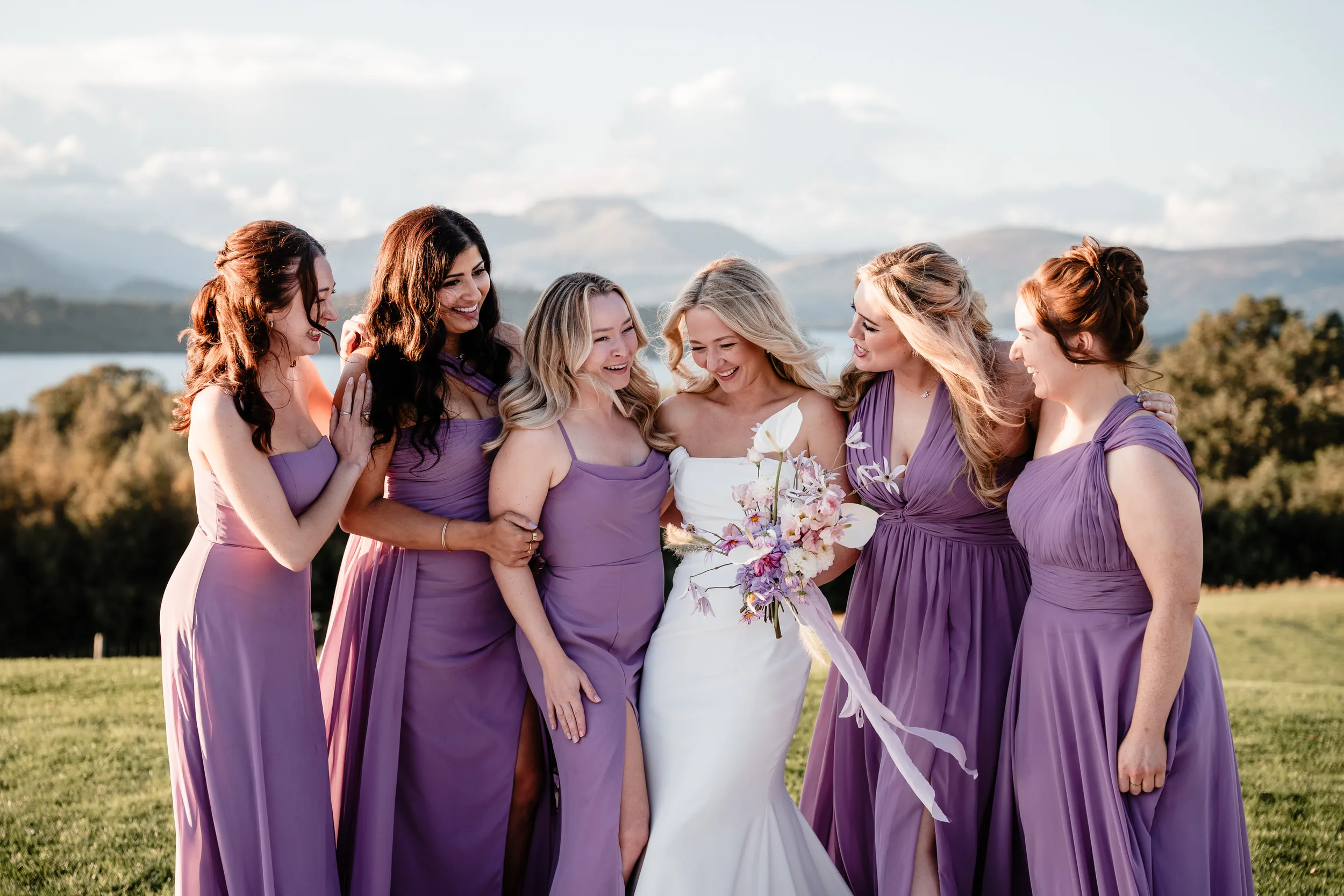
Logistically, the proximity of the venue to Glasgow—approximately 20 miles—was a decisive factor. As a hub for international flights, Glasgow facilitated the transit of guests coming from diverse global locations. The estate’s ability to provide high-quality catering and a cohesive space for both the ceremony and reception streamlined the planning process for the couple, who managed the majority of the arrangements from their home in Canada.
A Chronological Account of the Festivities
The wedding celebrations were structured as a multi-day event, beginning with a traditional Indian ceremony and culminating in a Humanist Scottish wedding.
The Pre-Wedding Roce Ceremony
The festivities commenced the evening prior to the main wedding at Auchendennan Cottages, located on the banks of Loch Lomond. The couple hosted a roce, a traditional pre-wedding ritual common among Christian communities in Western India, particularly in the Mangalorean and Goan regions. During the roce, family members and close friends gather to bless the bride and groom. The ritual typically involves the application of coconut milk (the roce) to the couple, symbolizing their transition from single life to marriage and the purification of the couple before their union. This inclusion served as a tribute to Clyde’s heritage and provided a cultural bridge for the Scottish guests in attendance.
The Wedding Day and Handfasting Ritual
The following day, the formal ceremony took place at Boturich Castle, officiated by Humanist celebrant Alex Moore. Humanist ceremonies have seen a significant rise in popularity in Scotland, now accounting for a substantial percentage of legal marriages in the country due to their focus on the couple’s personal narrative rather than religious dogma.
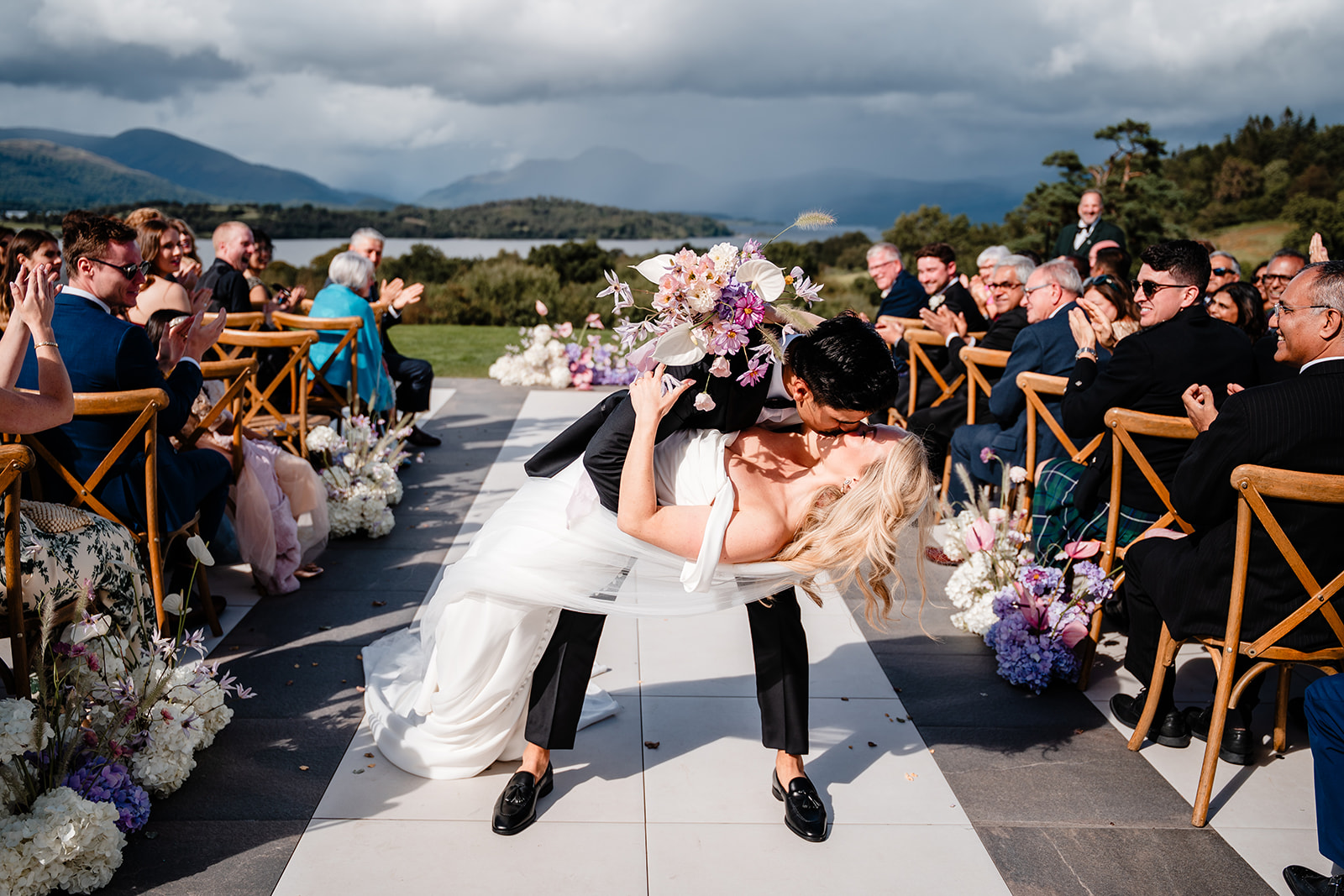
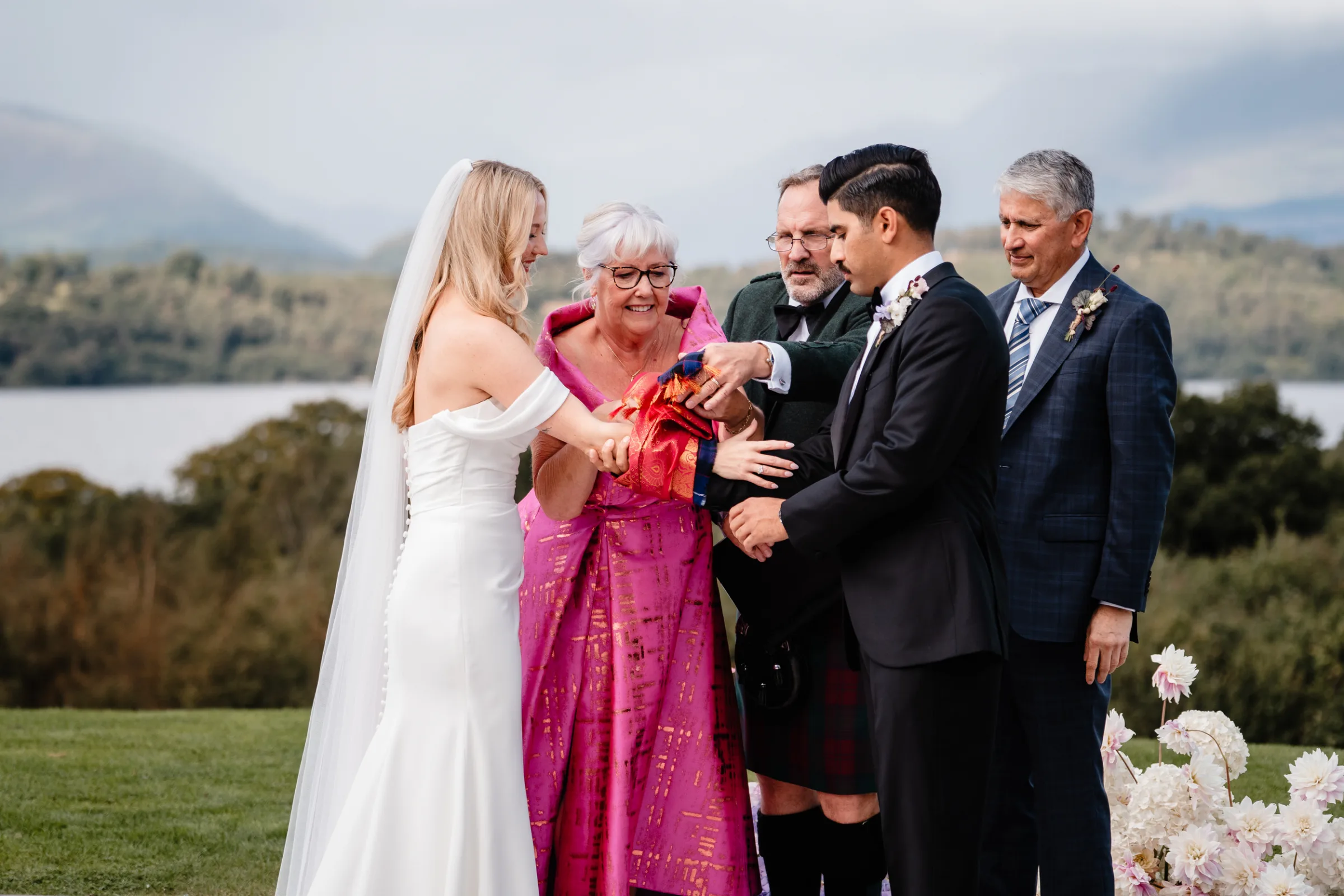
A pivotal moment of the ceremony was the "tying of the knot," or handfasting. This ancient Celtic tradition involves binding the couple’s hands together with ribbons or cloth to symbolize their union. Rachael and Clyde personalized this ritual by using two distinct fabrics: a piece of traditional Scottish tartan representing the bride’s lineage and a fragment of Indian fabric belonging to the groom’s mother. This physical intertwining of textiles served as a visual metaphor for the merger of their two families and cultures.
Aesthetic Philosophy and Floral Design
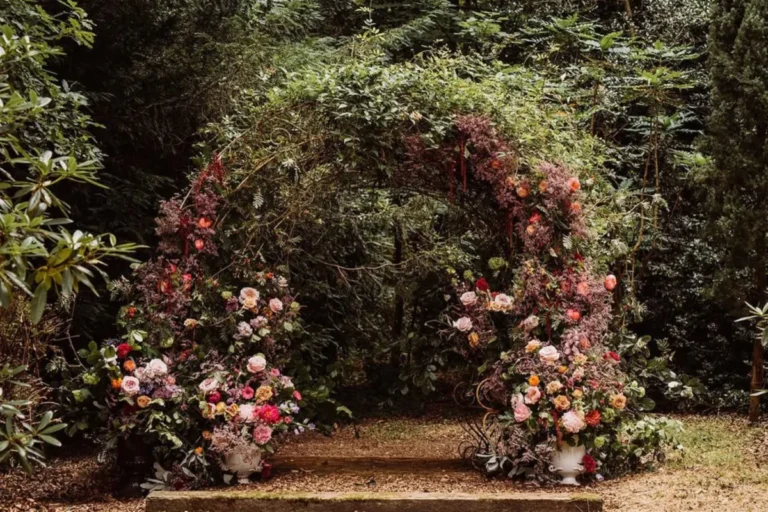
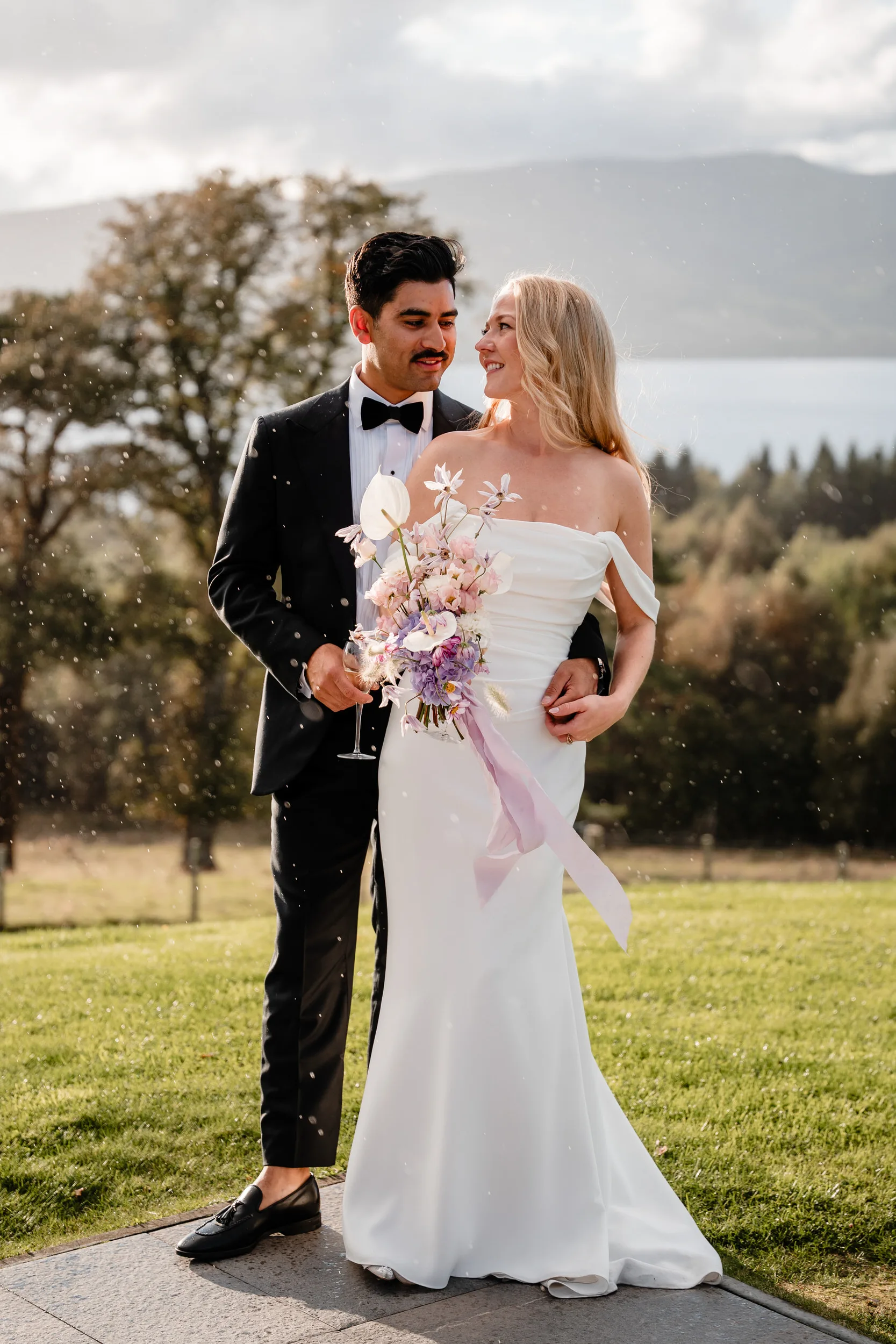
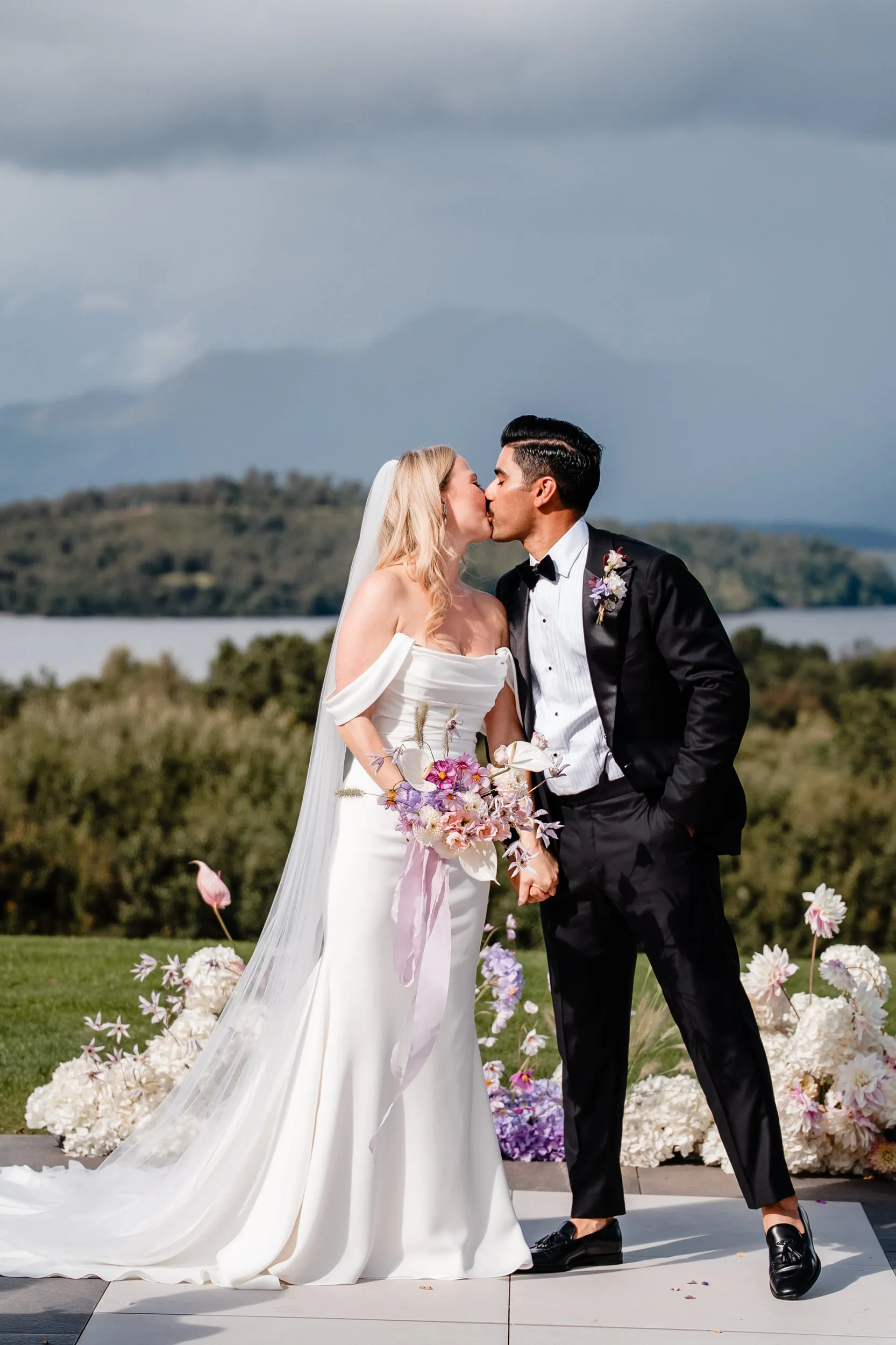
Rachael’s approach to the wedding’s visual identity was rooted in "timeless elegance," a move intended to bypass fleeting bridal trends. The color palette was anchored by soft heather purple and lilac, hues chosen to complement the natural flora and atmospheric light of the Scottish Highlands.
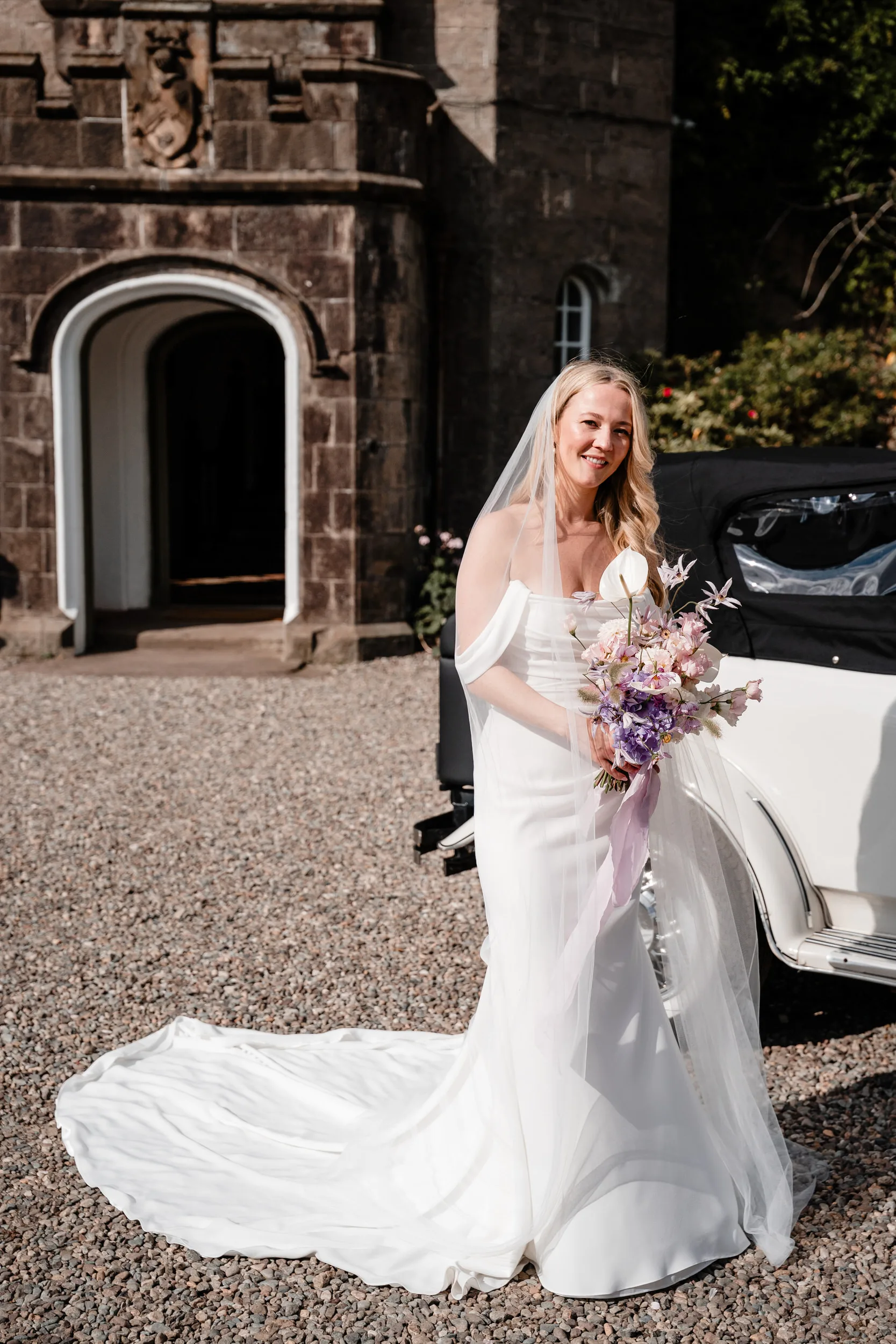
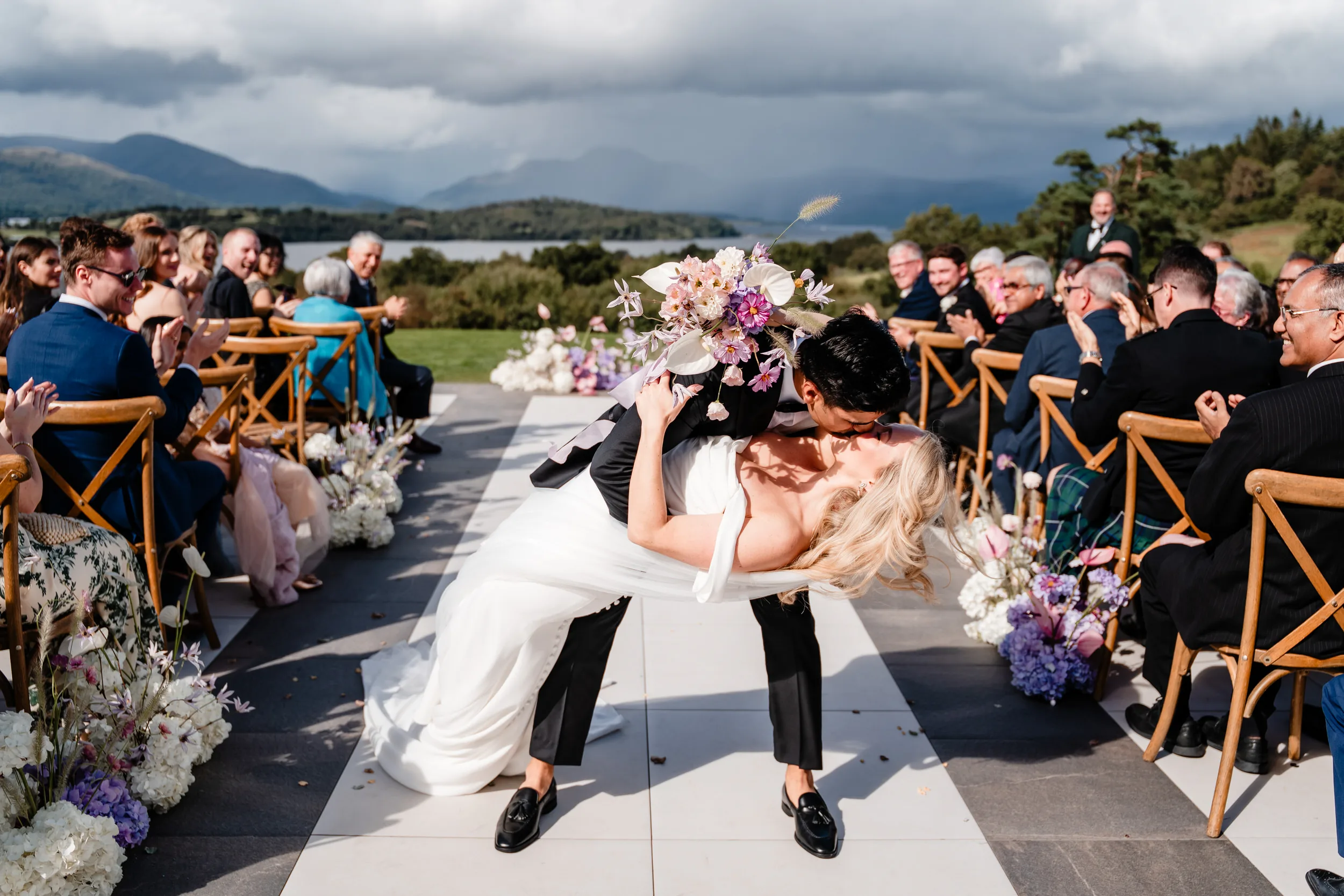
The floral arrangements were executed by Barbara of Wild Flower Workshop. The brief provided to the floral artist emphasized creative freedom and abstract interpretation. Moving away from rigid, symmetrical bouquets, the designs focused on texture and movement, utilizing a variety of seasonal blooms to create a "distinguished but not distracting" display. This aesthetic choice aligns with contemporary shifts in the wedding industry toward "organic" and "fine art" floral design, where the emphasis is placed on the natural silhouette of the flowers.
Narrative Background: From Toronto to the River Clyde
The couple’s personal history added a layer of serendipity to the event’s location. Rachael and Clyde met via a digital dating platform in Canada shortly after Rachael had emigrated from Scotland. The bride noted that she was initially drawn to Clyde’s name, which shares its identity with the River Clyde that flows through Glasgow.
The engagement occurred in the spring of 2024 in Liberty Village, Toronto, at the site of their first meeting. The subsequent 18-month planning period was managed remotely, a feat the couple attributed to the professional infrastructure of the Scottish wedding industry and the reliability of their chosen vendors.
Logistical Execution and Vendor Collaboration
The success of the international event relied heavily on a network of specialized suppliers. The documentary-style photography was handled by David of Dearly Photography. His approach focused on candid, unposed moments, a style increasingly favored by couples who prioritize authentic storytelling over traditional staged portraits.
Other key contributors included:
- Catering and Confectionery: The wedding cake was provided by Liggy’s Cakes, based on a concept inspired by Toronto-based designer CryBaby Cakes.
- Stationery: Signage, menus, and place cards were designed by BoldEraCreates, an Etsy-based creator known for modern, "funky" typography.
- Entertainment: Stuart from Fresh Entertainments managed the evening’s proceedings, which included a traditional Scottish ceilidh. The ceilidh, a social event involving Gaelic folk music and dancing, served as an interactive cultural experience for the international guests.
In a gesture of local hospitality, guests were gifted bags of "tablet"—a traditional Scottish sugar confection—handmade by the bride’s mother in the week leading up to the wedding.
Economic and Cultural Implications of Destination Weddings
The event at Boturich Castle exemplifies the broader economic impact of the destination wedding industry in Scotland. According to data from various Scottish tourism boards, destination weddings contribute significantly to the local economy, particularly in rural and highland regions. These events often result in extended stays for international guests, benefiting local accommodation providers, transport services, and hospitality venues beyond the wedding day itself.
Furthermore, the fusion of Indian and Scottish traditions reflects a modern "globalized" wedding culture. As diasporic populations maintain ties to their ancestral homes, weddings become a primary venue for cultural synthesis. The inclusion of the roce ceremony and the use of Indian fabric in a Scottish handfasting ritual demonstrate how traditional ceremonies are being adapted to reflect the complex identities of contemporary couples.
Official Statements and Reflections
In a post-event reflection, the couple emphasized the importance of maintaining personal agency during the planning process. Rachael stated that their goal was to create an event that felt "uniquely us" rather than following industry trends. "Make it yours; do what feels right for you," the bride remarked. "People will have opinions, but at the end of the day, it’s about you and your partner."
The couple also noted a practical takeaway for future destination wedding planners: the potential benefit of a "day-of" coordinator. While the 18-month planning phase was relatively stress-free, the couple suggested that professional coordination on the day itself could have further streamlined the transition between the various phases of the celebration.
Conclusion
The marriage of Rachael and Clyde at Boturich Castle stands as a high-profile example of a modern, cross-cultural destination wedding. By balancing the historical grandeur of a Scottish castle with the intimate rituals of Indian heritage, the event provided a meaningful experience for a global guest list. The integration of high-end local vendors and a clear aesthetic vision resulted in a celebration that was both a tribute to the couple’s origins and a commencement of their new life together in Canada. As the destination wedding market continues to evolve, events that prioritize cultural authenticity and personal narrative, like that of Rachael and Clyde, are likely to set the standard for the industry.