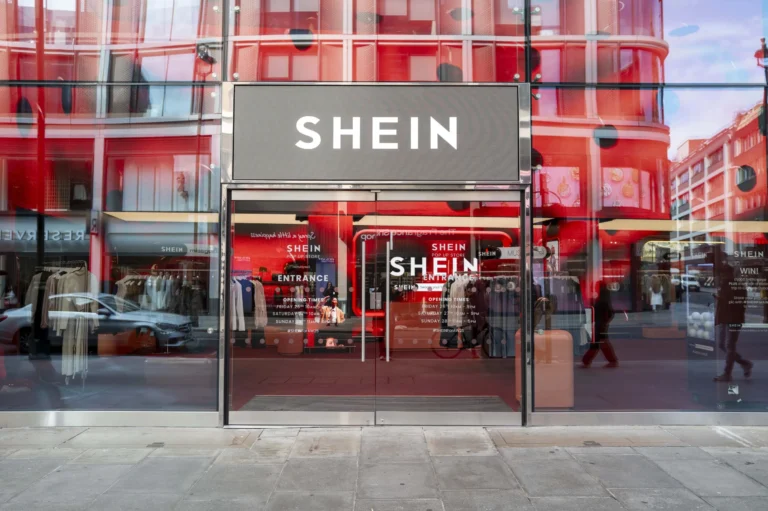








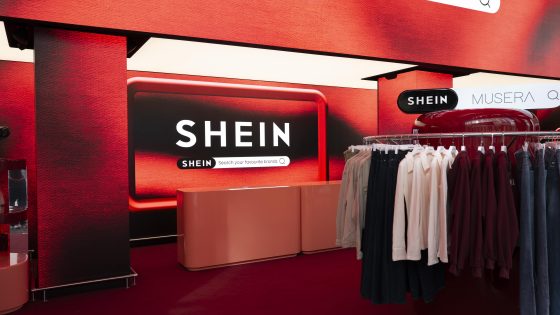
Singapore-based fast fashion giant Shein and the venerable French department store chain BHV have formally terminated their highly anticipated partnership, effective June 17, 2026. The abrupt cessation comes less than a year after Shein inaugurated its first permanent physical shop-in-shop within BHV’s iconic Parisian flagship store, a move widely regarded as a significant strategic pivot for the predominantly online retailer. This dissolution marks a notable setback for Shein’s ambitious foray into brick-and-mortar retail and raises questions about the viability of integrating ultra-fast fashion models with established luxury and traditional retail environments, especially within the discerning European market.
A High-Profile Partnership Unravels in Paris
The collaboration between Shein and BHV (Le Bazar de l’Hôtel de Ville), a subsidiary of the prestigious Groupe Galeries Lafayette, was initially hailed as a groundbreaking experiment. For Shein, it represented a tangible step towards diversifying its customer engagement beyond its formidable e-commerce platform and a crucial component of its broader strategy to enhance brand perception and build trust ahead of a potential initial public offering (IPO). For BHV, steeped in over 160 years of Parisian retail history, the partnership was an attempt to inject contemporary relevance, attract a younger, digitally native demographic, and invigorate foot traffic in an increasingly challenging retail landscape. The shop-in-shop, located on Rue de Rivoli, was designed to offer a curated selection of Shein’s vast apparel and accessories, aiming to bridge the gap between its online ubiquity and a tangible, experiential shopping journey. However, the premature closure signals that the anticipated synergies either failed to materialize or were overshadowed by unforeseen operational, branding, or market-related obstacles.
Shein’s Ambition: From Digital Dominance to Physical Presence
Shein’s rise has been nothing short of meteoric. Founded in Nanjing, China, in 2008 and later headquartered in Singapore, the company leveraged an agile, data-driven supply chain model to dominate the global fast fashion market. By 2022, Shein had surpassed major competitors like Zara and H&M in market valuation, with estimates placing its worth at over $100 billion at its peak. Its strategy revolved around identifying micro-trends in real-time, rapidly producing small batches of trendy garments, and distributing them globally through an efficient e-commerce platform, offering unparalleled affordability and variety.
The Lure of Brick-and-Mortar for an E-Commerce Giant
Despite its digital prowess, Shein began exploring physical retail in the mid-2020s through a series of temporary pop-up stores across major cities worldwide, including Paris, London, and New York. These pop-ups served multiple purposes: they offered customers a rare opportunity to touch and try on garments, generated significant media buzz, and, crucially, allowed Shein to gather valuable insights into consumer preferences in different markets. The decision to open a permanent shop-in-shop within BHV was seen as the natural progression of this strategy, aiming to provide a more stable, premium physical presence that could counter criticisms of its purely online, often anonymous, shopping experience. The move was intended to foster greater brand loyalty, cultivate a more sophisticated brand image, and potentially unlock new customer segments less inclined towards pure online purchases.
Navigating Scrutiny: Sustainability and Ethical Concerns
Shein’s rapid expansion, however, has not been without significant controversy. The company faces persistent scrutiny over its environmental impact, with critics pointing to the massive waste generated by its ultra-fast production cycles, reliance on synthetic materials, and opaque supply chains contributing to textile pollution. Furthermore, allegations of labor exploitation, including inadequate working conditions and low wages for garment factory workers, have plagued the brand, leading to protests and calls for boycotts from various advocacy groups. In Europe, especially in France, where consumers and policymakers are increasingly conscious of ethical consumption and environmental sustainability, these concerns present a substantial hurdle. The European Union’s Digital Services Act (DSA) and forthcoming regulations on sustainable textiles further intensify the pressure on fast fashion giants to demonstrate greater transparency and accountability. A permanent physical presence in a prominent European capital like Paris, therefore, placed Shein under an even brighter spotlight regarding its corporate social responsibility.
BHV’s Quest for Modernization and New Demographics
BHV, established in 1856, stands as a Parisian institution. Located opposite the Hôtel de Ville, it is renowned for its diverse offerings, from home goods and DIY supplies to fashion and beauty. While not traditionally a luxury department store in the vein of its sister company Galeries Lafayette, BHV has long been a go-to for a broad segment of Parisian residents and tourists, embodying a certain practical chic.
The Legacy of Le Bazar de l’Hôtel de Ville
However, like many traditional department stores globally, BHV has grappled with evolving consumer habits, the rise of e-commerce, and fierce competition from specialized retailers and discount chains. The challenge has been to maintain its historic charm and loyal customer base while simultaneously modernizing its appeal to attract younger generations who increasingly prioritize online shopping, unique experiences, and brands aligned with their values. BHV has undertaken various initiatives to revitalize its image, including extensive renovations and the introduction of new brands and experiential concepts.
The Strategic Rationale for Collaborating with Shein
The partnership with Shein was a bold strategic gambit for BHV. It represented an explicit effort to tap into Shein’s enormous global customer base, particularly its younger, trend-conscious demographic, which BHV struggled to reach effectively through traditional channels. The expectation was that Shein’s presence would drive significant foot traffic, introduce BHV to a new cohort of shoppers, and project an image of a forward-thinking retailer willing to embrace contemporary trends. By hosting a brand with such immense digital penetration, BHV aimed to demonstrate its adaptability and commitment to staying relevant in a rapidly changing retail landscape, even if it meant venturing into controversial territory.
A Brief History of the Unfolding Alliance
The discussions leading to the Shein-BHV partnership reportedly began in late 2024, culminating in an announcement in early 2025. The permanent shop-in-shop officially opened its doors in late 2025, just months prior to this week’s termination. Initial media coverage highlighted the novelty of the collaboration, with some industry observers expressing cautious optimism about the potential for cross-pollination between the two distinct retail models. The Shein space within BHV was designed to reflect a more curated, upscale version of its online offering, featuring interactive displays and a more personalized shopping experience than typically associated with the brand’s digital storefront. For a few months, the partnership appeared to be a successful experiment in convergence, with reports of steady customer interest. However, the underlying tensions and challenges, which would ultimately lead to its demise, were evidently at play beneath the surface.
Analysis: Why the Partnership Failed
While neither Shein nor BHV has released detailed reasons for the collapse, a confluence of factors can be inferred from the broader retail environment, brand strategies, and public sentiment.
Brand Identity Clash and Consumer Alignment
Perhaps the most significant challenge was the fundamental mismatch in brand identity. BHV, despite its efforts to modernize, carries the weight of a traditional French department store, associated with quality, durability, and a certain Parisian elegance. Shein, by contrast, is synonymous with ultra-fast, disposable fashion and rock-bottom prices. This stark contrast likely created cognitive dissonance for both BHV’s loyal, established clientele and Shein’s core customer base. Traditional BHV shoppers might have been alienated by the association with a brand perceived as unsustainable and unethical, while Shein’s digital-native customers might have found the department store environment less appealing or less convenient than their preferred online shopping experience. The perceived value proposition of Shein’s products in a department store setting might also have been diluted, as its main draw—extreme affordability and vast choice—is best showcased online.
Operational Realities and Economic Viability
Operating a physical retail space involves considerable overheads, including rent, staffing, inventory management, and display costs. For Shein, whose business model thrives on minimal overheads and rapid inventory turnover, adapting to the slower pace and higher costs of traditional retail could have presented significant financial hurdles. It is plausible that the sales generated by the BHV shop-in-shop did not meet the revenue targets necessary to justify the operational expenses for either party. Furthermore, managing inventory and logistics for a curated selection of Shein’s vast catalog within a department store framework could have proven operationally complex and inefficient compared to its highly streamlined global e-commerce fulfillment centers.
The Weight of Public Opinion and Sustainability Pressures
The partnership also faced an uphill battle against increasing public and regulatory scrutiny of fast fashion, particularly in Europe. France has been at the forefront of legislative efforts to curb the environmental impact of the textile industry, with discussions around policies like extended producer responsibility and limits on advertising for unsustainable products. BHV, as a publicly visible entity within a prominent retail group, might have faced internal or external pressure to distance itself from a brand consistently criticized for its environmental footprint and labor practices. Associating with Shein, despite its potential to attract new customers, could have been perceived as undermining BHV’s own sustainability credentials and broader corporate social responsibility efforts, potentially damaging its long-term brand equity among conscious consumers.
Reactions from the Stakeholders (Inferred)
While no official detailed statements beyond the termination announcement have been released, reactions from various parties can be reasonably inferred.
Shein’s Perspective
A spokesperson for Shein, speaking on background, is understood to have indicated that the decision was a "mutual strategic re-evaluation" and part of the company’s "ongoing process of refining its global retail strategy." The company likely emphasized that it would continue to explore "diverse consumer engagement models," including pop-ups and other physical formats, learning from the experience to better tailor future initiatives. This narrative would aim to portray the collapse not as a failure, but as an adaptive learning curve in its broader evolution.
BHV’s Stance
Representatives for BHV, or its parent Groupe Galeries Lafayette, would likely issue a statement focusing on "aligning with long-term brand vision" and "adapting to dynamic market conditions." They would emphasize BHV’s commitment to providing "innovative and relevant shopping experiences" while reaffirming its dedication to "quality and responsible retail practices." This would serve to protect BHV’s brand image and reassure its core customer base that the store’s values remain intact.
Industry Analysts Weigh In
Retail analysts have largely expressed little surprise at the news. "The integration of ultra-fast fashion into traditional department store environments was always going to be fraught with challenges," commented Dr. Eleanor Vance, a retail strategy consultant. "The sheer volume, price point, and brand ethos of Shein are fundamentally at odds with the curated, often aspirational, experience that department stores like BHV aim to offer. It highlights the difficulty in achieving true brand synergy across such disparate models." Others noted that the increasing consumer demand for transparency and sustainability puts immense pressure on collaborations involving brands with controversial reputations.
Advocacy Groups Respond
Environmental and labor advocacy groups, such as Extinction Rebellion or Clean Clothes Campaign, would likely view the termination as a partial victory. They would issue statements reiterating their concerns about the fast fashion industry’s impact and calling on other retailers to avoid similar partnerships, framing the collapse as evidence of growing consumer and corporate awareness regarding unsustainable practices.
Implications for Shein’s Future Strategy
The failure of the BHV shop-in-shop presents a critical juncture for Shein’s strategic direction.
Rethinking Physical Retail and IPO Aspirations
While not a death knell for its physical retail ambitions, this experience will undoubtedly force Shein to critically re-evaluate its approach. Future physical ventures might lean more towards standalone flagship stores that offer complete control over brand messaging and customer experience, or highly targeted pop-ups in more aligned locations. The challenge for Shein remains how to translate its digital dominance into a compelling and profitable physical presence without compromising its core business model or alienating an increasingly ethically conscious consumer base. This setback could also impact its long-anticipated IPO, as investors scrutinize the company’s ability to diversify revenue streams and mitigate brand risks. Demonstrating a viable and sustainable omnichannel strategy is crucial for a successful public offering.
The Search for Sustainable Growth
The BHV episode underscores the urgent need for Shein to address its sustainability and ethical criticisms more robustly. As regulatory pressures mount and consumer preferences shift, a purely price-driven, high-volume model becomes increasingly precarious. Shein may need to invest more heavily in sustainable materials, improve supply chain transparency, and implement verifiable ethical labor practices to secure long-term growth and acceptance in key markets, particularly in Europe.
Lessons for Traditional Retail and the Broader Fashion Landscape
For traditional department stores like BHV, the experience offers valuable lessons in the complexities of strategic partnerships and brand alignment.
Department Stores and the Innovation Imperative
The incident serves as a cautionary tale for department stores eager to innovate and attract new customers. While seeking relevance is crucial, partnerships must be carefully vetted for true synergy, not just perceived market reach. The core values and long-term brand image of the department store must remain paramount. This does not mean avoiding innovation, but rather pursuing it through collaborations that genuinely enhance the brand and resonate with evolving consumer values, rather than creating conflicts.
The Shifting Sands of Consumer Values
The termination also reflects a broader trend in the fashion industry: the growing influence of ethical and environmental considerations on consumer purchasing decisions. While fast fashion continues to thrive, a significant segment of consumers, particularly in Western Europe, is increasingly demanding transparency, sustainability, and ethical production from brands. Retailers, whether online or offline, ignore these shifts at their peril. The collapse of this high-profile partnership underscores that even the allure of massive customer traffic and competitive pricing cannot always overcome fundamental misalignments in values and perceived brand integrity.
The Future of Fast Fashion in a Conscious Market
The Shein-BHV breakup is more than just a business deal gone sour; it’s a microcosm of the larger tensions within the contemporary fashion industry. It highlights the inherent friction between the ultra-fast, disposable model of Shein and the growing imperative for sustainability, ethical production, and brand integrity demanded by a more conscious market. As the industry continues to evolve, the ability to adapt to these shifting values, rather than just chasing trends, will determine which players truly thrive in the long run.