








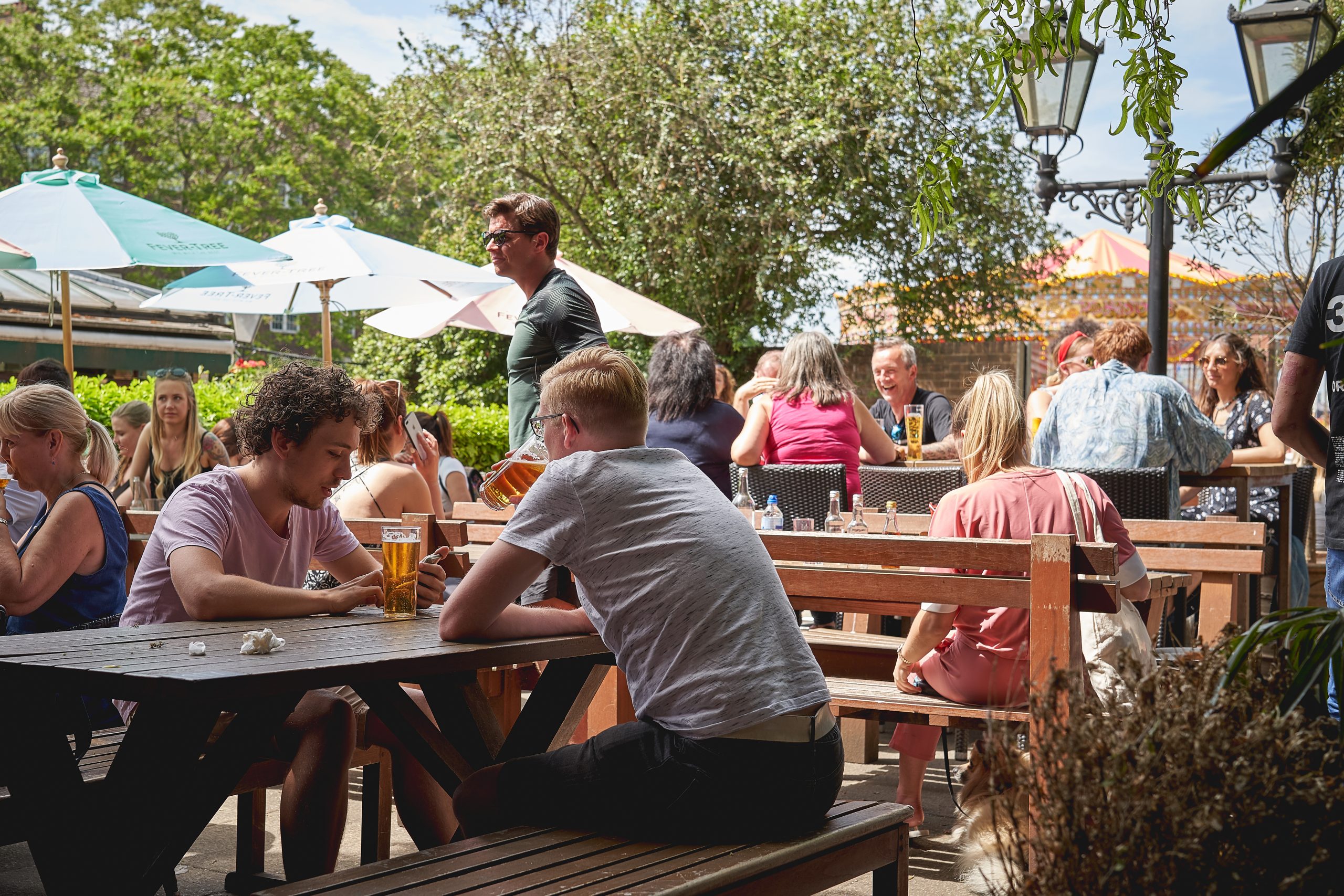
Prime Minister Andy Burnham today, July 23, 2026, unveiled a significant financial intervention aimed at bolstering England’s beleaguered hospitality sector, specifically targeting pubs, clubs, and live music venues. Under the new initiative, these establishments will benefit from a 20% relief on their business rates bills, effective from April 2027. The announcement, made amidst growing concerns over the viability of high street businesses and community hubs, signals a direct governmental effort to alleviate the substantial financial pressures faced by a sector still grappling with the lingering effects of economic volatility and changing consumer habits.
The Context of Crisis: Business Rates and the Hospitality Sector
Business rates, a property tax levied on non-domestic properties, have long been a contentious issue for businesses across the United Kingdom, and particularly for the hospitality industry. Calculated based on a property’s rateable value, which is an estimate of its annual rental value on the open market, and a national multiplier set by the government, these rates represent a significant fixed cost regardless of profitability. For pubs, clubs, and live music venues, which often occupy large, centrally located properties, their business rates bills can run into tens of thousands of pounds annually, making them a formidable burden even in prosperous times.
The past half-decade has been particularly brutal for the hospitality sector. Following the profound disruptions of the COVID-19 pandemic, which saw prolonged closures and operational restrictions, businesses faced a cascade of new challenges. The energy crisis, exacerbated by geopolitical events, sent utility costs soaring to unprecedented levels. Simultaneously, inflationary pressures drove up the cost of ingredients, supplies, and labour, while a persistent staffing crisis made recruitment and retention increasingly difficult. These factors, combined with a cost-of-living squeeze impacting consumer discretionary spending, have created a "perfect storm" that has pushed countless establishments to the brink of collapse. Industry data from UKHospitality in early 2026 revealed that over 10% of pubs and clubs had closed permanently since the start of the decade, with many more operating on razor-thin margins. Live music venues, often smaller, independent enterprises, reported even higher closure rates, threatening the cultural fabric of towns and cities.
Details of the Relief Package
The 20% business rates relief will apply exclusively to pubs, clubs, and live music venues situated in England. This targeted approach suggests a governmental focus on establishments that serve as traditional community hubs and cultural assets, often operating with significant "wet sales" (alcohol) rather than solely food. While the announcement did not immediately detail whether the relief would be capped at a certain amount or apply universally to all eligible properties, the Prime Minister’s office indicated that further guidance would be issued closer to the April 2027 implementation date. The relief is intended to provide a direct saving on operational costs, freeing up capital for businesses to invest in improvements, retain staff, or simply improve their cash flow.
The decision to limit the relief to England underscores the devolved nature of business rates policy within the UK. While the Westminster government sets policy for England, Scotland, Wales, and Northern Ireland have their own legislative powers to determine their respective business rates regimes and any associated reliefs. This often leads to variations in support packages across the four nations, and it is anticipated that the devolved administrations may face renewed calls from their own hospitality sectors to introduce similar, or even more generous, relief schemes.
A Chronology of Calls for Reform
The call for comprehensive business rates reform has been a consistent demand from the hospitality sector and broader business community for many years.
- Pre-2020: Even before the pandemic, industry bodies frequently highlighted how the antiquated business rates system, often based on outdated property valuations, disproportionately burdened brick-and-mortar businesses compared to online retailers.
- 2020-2022 (Pandemic Era): During the peak of the COVID-19 crisis, the government introduced unprecedented business rates holidays, recognizing the existential threat to sectors like hospitality. These measures, while crucial for survival, were temporary, leading to renewed anxieties as they tapered off.
- 2023-2025 (Post-Pandemic Squeeze): As businesses navigated recovery, rising inflation, energy costs, and the ongoing labour shortage, the full weight of business rates returned. Industry leaders intensified their lobbying efforts, presenting numerous proposals for reform, including switching to an Online Sales Tax to fund cuts, increasing the frequency of valuations, or fundamentally altering the calculation methodology. The government responded with various consultations and smaller, more targeted reliefs for specific sectors or properties, but a wholesale reform remained elusive.
- Late 2025 – Early 2026: Economic data continued to paint a bleak picture for hospitality. Multiple high-profile closures and insolvency announcements sparked renewed political pressure. Backbench MPs from various parties, representing constituencies with struggling high streets, began to publicly advocate for more robust government intervention, often citing the crucial role of pubs and venues in local communities.
- July 23, 2026: Prime Minister Andy Burnham’s announcement marks a direct, albeit partial, response to these persistent calls, signalling a recognition of the sector’s strategic importance.
Reactions from Stakeholders
The announcement has elicited a range of responses from various stakeholders, reflecting both cautious optimism and lingering concerns.
Prime Minister Andy Burnham and the Government:
In a statement accompanying the announcement, Prime Minister Burnham emphasized the government’s commitment to "backing our brilliant British pubs, clubs, and live music venues, which are the beating heart of our communities and a cornerstone of our cultural identity." He stated, "This 20% business rates relief will provide tangible financial breathing room, allowing these vital businesses to invest in their future, support local jobs, and continue to provide the vibrant social spaces that are so crucial to our high streets. This is part of our broader strategy to foster local growth and ensure every corner of England thrives." Government sources hinted that the measure was carefully calibrated to provide maximum impact without unduly straining public finances, following extensive discussions between the Treasury and the Department for Business and Trade.
Hospitality Sector Bodies:
Leading industry figures largely welcomed the relief, though many articulated a desire for more comprehensive reform. Kate Nicholls, CEO of UKHospitality, commented, "This 20% relief is a welcome shot in the arm for a sector that has been battling relentless headwinds. It demonstrates the Prime Minister’s recognition of the unique pressures faced by pubs, clubs, and venues, and will undoubtedly help many to keep their doors open. However, while this is a positive step, it remains a partial solution. We continue to advocate for a fundamental overhaul of the business rates system to create a fairer, more sustainable tax regime for all businesses."
Emma McClarkin, Chief Executive of the British Beer and Pub Association, echoed this sentiment: "Our pubs are more than just places to drink; they are vital community hubs, employers, and economic drivers. This relief will provide much-needed support, especially for wet-led establishments that have seen their margins squeezed from every direction. We urge the government to view this as a starting point, and to continue working with us towards a long-term solution that truly levels the playing field."
Mark Davyd, CEO of the Music Venue Trust, highlighted the cultural importance: "Independent live music venues operate on incredibly tight margins, and business rates have often been the difference between survival and closure. A 20% reduction will be genuinely transformative for many grassroots venues, helping to protect the talent pipeline and cultural landscape of the UK. This relief acknowledges the immense social and economic value of these spaces, and we are grateful for the recognition."
Opposition Parties:
Opposition benches were quick to offer a critical perspective. The Shadow Chancellor described the announcement as "a sticking plaster on a gaping wound," arguing that "while any relief is welcome, 20% is simply not enough to address the systemic issues plaguing our high streets. This government has presided over years of neglect, and now, close to an election, they offer a piecemeal solution that falls far short of the fundamental reform the sector desperately needs. We need a fairer tax system that incentivizes growth, not one that punishes successful businesses and forces beloved local institutions to close."
Economists and Think Tanks:
Independent economists offered a more nuanced assessment. Dr. Eleanor Vance, Senior Fellow at the Institute for Economic Affairs, noted, "The 20% relief will certainly provide some breathing room for the targeted hospitality sub-sectors. However, its effectiveness will depend on the overall economic climate and whether it’s perceived as a temporary measure or a precursor to deeper reform. The cost to the Treasury, estimated to be in the hundreds of millions annually, will need to be carefully managed, particularly if local authorities are not fully compensated for the lost revenue, which could simply shift the financial burden elsewhere." Other analysts pointed out that while beneficial for those eligible, the exclusion of restaurants, cafes, and hotels could lead to calls for similar support from those sub-sectors, potentially creating market distortions.
Local Authorities:
Local government bodies expressed a mix of relief and concern. Councillor Sarah Jenkins, leader of a metropolitan council, stated, "We welcome any measure that supports our local businesses and high streets. Pubs and venues are cornerstones of our communities. Our primary concern, however, is ensuring that central government fully compensates councils for the lost business rates income. Without full compensation, this relief could inadvertently strain local authority budgets, impacting essential public services."
Broader Impact and Implications
The 20% business rates relief for pubs, clubs, and live music venues carries significant potential implications across economic, social, and political spheres.
Economic Impact:
- Job Retention and Creation: Reduced operating costs could enable businesses to retain existing staff, avoid redundancies, and potentially even create new employment opportunities, providing a boost to local labour markets.
- Investment and Growth: Freed-up capital could be reinvested into premises improvements, menu diversification, or marketing efforts, fostering innovation and competitiveness within the sector.
- High Street Revitalization: By supporting key anchor businesses, the relief could contribute to the overall vibrancy of high streets and town centres, attracting footfall and benefiting adjacent businesses.
- Fiscal Implications: While beneficial for businesses, the relief represents a direct cost to the Treasury or, if not fully compensated, to local authority budgets. The exact long-term fiscal impact will depend on the duration of the relief and any subsequent policy changes. Economists estimate the total value of this relief to be in the region of £300-£500 million annually, based on current rateable values and the number of eligible premises.
Social Impact:
- Preservation of Community Hubs: Pubs often serve as crucial social spaces, particularly in rural areas, fostering community cohesion. The relief could help protect these vital institutions.
- Cultural Preservation: Live music venues are incubators of talent and central to the UK’s cultural landscape. Financial stability allows them to continue offering platforms for emerging artists and diverse cultural experiences.
- Mental Well-being: Access to social venues is increasingly recognized as important for public mental well-being, providing spaces for connection and leisure.
Political Impact:
- Government’s Image: The announcement positions the government as responsive to business concerns and supportive of high streets and local communities, potentially garnering favour ahead of an anticipated general election.
- Future of Business Rates: While this relief is a targeted intervention, it intensifies the broader debate around fundamental business rates reform. It may increase pressure on the government to undertake a more radical overhaul of the system in the coming years.
- Sectoral Equity: The specific targeting of pubs, clubs, and live music venues may lead to other hospitality sub-sectors, such as restaurants, hotels, and cafes, intensifying their lobbying efforts for similar support, raising questions about fairness and consistency in policy.
In conclusion, Prime Minister Andy Burnham’s announcement of 20% business rates relief for pubs, clubs, and live music venues is a significant, albeit targeted, intervention aimed at stabilizing a crucial economic and cultural sector. While widely welcomed by the industry, it also reignites calls for more comprehensive reform of the business rates system and highlights the ongoing challenges faced by brick-and-mortar businesses in a rapidly evolving economic landscape. As the April 2027 implementation date approaches, the effectiveness of this relief will be closely watched, shaping both the immediate future of England’s hospitality sector and the broader trajectory of government policy towards business taxation.