








Asos’s Strategic Deleveraging and Operational Streamlining
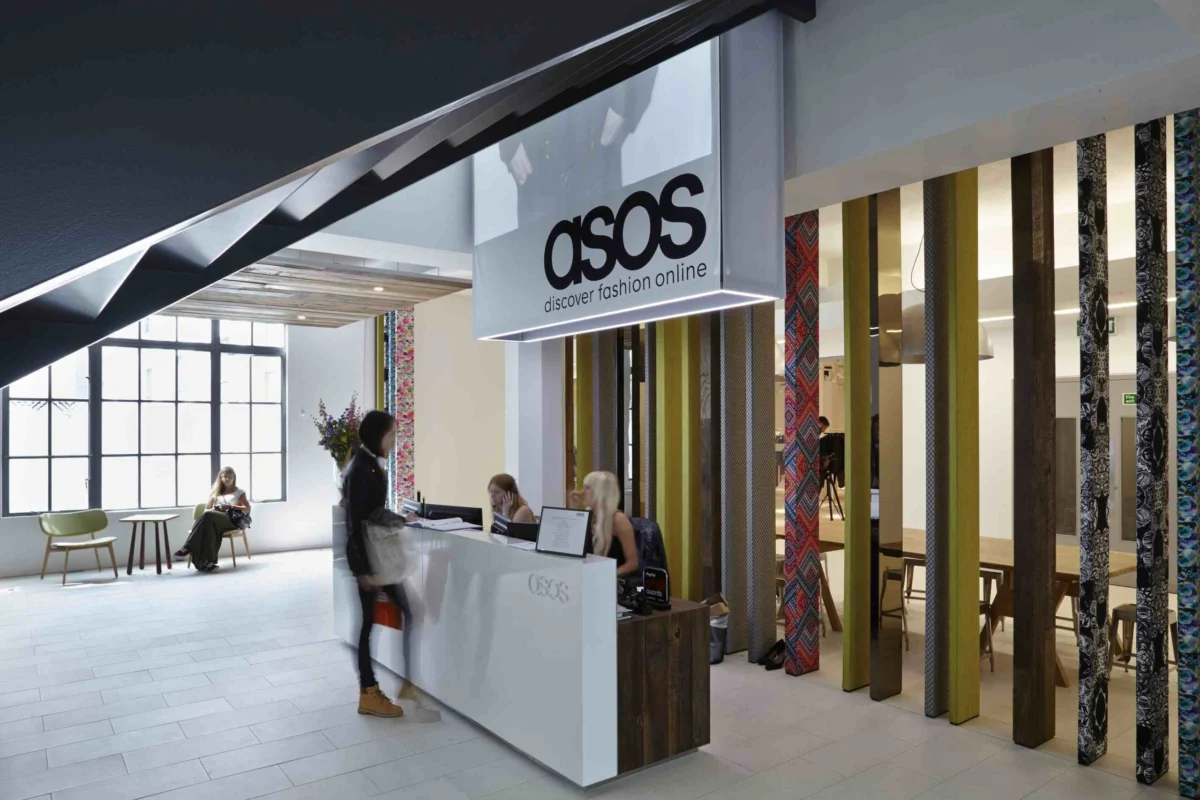
The sale of the Lichfield facility is a crucial component of Asos’s "Driving Change" programme, an initiative launched to restore profitability and improve its financial health. For several years, Asos, once a darling of the online fashion world, has faced mounting pressures from intense competition, macroeconomic headwinds, rising operational costs, and persistent supply chain disruptions. The company recorded a pre-tax loss of £249.8 million in its full-year results for 2023, a stark contrast to its earlier rapid growth trajectory. This financial performance necessitated a comprehensive review of its asset base and operational footprint.
The £85 million profit generated from the sale provides a much-needed boost to Asos’s balance sheet, directly contributing to its efforts to reduce net debt and strengthen its liquidity position. As of early 2024, Asos had been actively working to manage its debt facilities, including a £275 million revolving credit facility. Asset disposals, like the Lichfield warehouse sale, are instrumental in achieving these financial objectives, allowing the company to reallocate capital to its core business functions, such as enhancing its fashion offering, refining its customer experience, and investing in more agile, less capital-intensive logistics solutions where appropriate. The move signals a strategic pivot away from owning extensive logistical infrastructure towards potentially more flexible models, which could include greater reliance on third-party logistics providers or consolidating operations into fewer, more efficient owned sites.
M&S’s Strategic Acquisition and Supply Chain Modernisation

For Marks & Spencer, the acquisition of the Lichfield fulfilment centre represents a strategic investment in bolstering its own supply chain capabilities. M&S has been undergoing a significant transformation of its own, aiming to modernise its operations, particularly in its Clothing & Home division, and enhance its omnichannel offering. The company has invested heavily in improving its logistics network to support faster delivery times, greater inventory accuracy, and a more seamless customer experience across its online and physical channels.
Lichfield’s geographical location in Staffordshire is highly advantageous, offering excellent connectivity to major road networks, making it an ideal hub for national distribution. This acquisition is expected to significantly augment M&S’s existing logistics infrastructure, which includes major distribution centres like Bradford and Swindon. By expanding its owned logistics footprint, M&S can gain greater control over its supply chain, reduce reliance on external partners, and potentially achieve cost efficiencies through optimised routing and increased throughput. This move aligns with M&S’s broader strategy to integrate its food and clothing & home supply chains more effectively and to support its ambitious growth targets in both online and store-based retail. The investment underscores M&S’s commitment to building a robust, future-ready logistics network capable of supporting sustained growth and evolving customer expectations.
The Significance of Fulfilment Centres in Modern Retail
The transaction highlights the critical role of advanced fulfilment centres in the competitive landscape of modern retail. These facilities are far more than mere storage spaces; they are highly sophisticated hubs equipped with automation technologies designed to process orders with speed, accuracy, and efficiency. In the era of e-commerce, where customer expectations for rapid delivery are constantly rising, the ability to quickly pick, pack, and dispatch orders is a key differentiator.
The Lichfield facility, initially developed by Asos to handle a significant volume of its online orders, would have incorporated technologies to streamline these processes. Its acquisition by M&S indicates a recognition of the inherent value in such established infrastructure, rather than building from scratch. The ongoing demand for large-scale, technologically advanced warehouse space continues to outstrip supply in many regions, making existing, well-located facilities highly sought after assets. This trend is driven by the sustained growth of e-commerce, the need for agile inventory management, and the increasing complexity of global supply chains.

A Chronology of Strategic Shifts
The path to this significant transaction has been paved by several strategic shifts over recent years:
- Mid-2010s: Asos invests heavily in expanding its logistics network, including the development or acquisition of sites like Lichfield, to support its aggressive global expansion and burgeoning order volumes. These investments were critical during a period of rapid e-commerce growth.
- Late 2010s – Early 2020s: Retail landscape becomes increasingly challenging. Asos faces growing competition, higher return rates, and the complexities of international shipping. Macroeconomic factors like Brexit, inflation, and the cost-of-living crisis begin to impact consumer spending, particularly in discretionary fashion.
- 2022: Asos initiates a strategic review, culminating in the launch of its "Driving Change" programme under new leadership. The programme focuses on improving profitability, optimising inventory, strengthening the balance sheet, and simplifying the business model. This includes reviewing non-core assets.
- 22 March 2023: Asos announces a new funding package, including a £75 million equity raise and an extension of its existing revolving credit facility, as part of its efforts to shore up its finances. At this time, the company also signals a focus on strengthening its balance sheet and exploring opportunities to divest non-core assets.
- Late 2023 – Early 2024: Discussions regarding the sale of the Lichfield facility reportedly intensify, as Asos seeks to execute its asset divestment strategy.
- 29 May 2026 (Completion Date): The sale of the Lichfield fulfilment centre to Marks & Spencer is officially completed, generating a substantial one-off profit for Asos.
Simultaneously, M&S has been on its own transformation journey:
- Late 2010s: M&S embarks on a multi-year turnaround plan, focusing on improving its food business, modernising its clothing & home operations, and investing heavily in digital capabilities and its logistics network.
- Early 2020s: M&S accelerates its online growth, particularly through its joint venture with Ocado Retail for food and significant improvements to its own M&S.com platform for clothing and home. This necessitates a more robust and efficient logistics infrastructure.
- Ongoing: M&S continues to invest in automation and efficiency across its supply chain, seeking to reduce lead times, improve stock availability, and enhance the overall customer experience. The acquisition of Lichfield fits squarely into this long-term strategic vision.
Inferred Statements and Strategic Rationale
While specific quotes from company executives are not available in the original snippet, the strategic rationale behind such a significant transaction can be inferred from the companies’ public statements and broader corporate objectives.
A spokesperson for Asos would likely emphasise that the sale of the Lichfield facility is a testament to the company’s disciplined approach to capital allocation and its commitment to strengthening its financial position. They would highlight that the £85 million profit significantly contributes to deleveraging efforts, allowing Asos to invest strategically in its core product and customer experience initiatives. The company would likely reassure stakeholders that customer service and operational efficiency would not be compromised, with plans in place to consolidate operations at other existing facilities or leverage more flexible solutions to maintain robust fulfilment capabilities. The focus would be on creating a leaner, more agile, and ultimately more profitable business model for the future.
Conversely, a representative from Marks & Spencer would likely articulate that the acquisition of the Lichfield site is a key component of its long-term investment in building a world-class supply chain. They would underscore the strategic importance of the facility’s location and capacity in enhancing M&S’s ability to serve its growing online customer base and support its ambitious omnichannel growth plans. The emphasis would be on the improved efficiency, speed, and reliability that a strengthened logistics network brings, ultimately benefiting M&S customers with faster deliveries and better product availability. The acquisition would be framed as a strategic asset that will contribute to M&S’s overall transformation and its drive for operational excellence.
Broader Impact and Implications
The Asos-M&S warehouse deal carries several broader implications for the retail industry and the logistics property market:
- Retailer Property Strategies: The transaction exemplifies a growing trend among retailers to actively manage their property portfolios. Companies are increasingly scrutinising owned assets, divesting those deemed non-core or over-scaled for current needs, and acquiring others that align perfectly with evolving strategic priorities. This active management reflects the dynamic nature of retail, where flexibility and efficiency are paramount.
- Demand for Logistics Space: Despite some economic uncertainties, the demand for prime industrial and logistics real estate remains robust. High-quality, well-located fulfilment centres with modern specifications command significant value. This deal reinforces the attractiveness of such assets, especially those capable of serving large populations.
- E-commerce Evolution: As e-commerce matures, the focus shifts from simply having an online presence to perfecting the entire customer journey, with fulfilment playing a central role. Retailers like M&S are making strategic long-term investments to ensure their logistics infrastructure can meet the demands of sophisticated online shoppers.
- Consolidation and Efficiency: The retail sector continues to witness consolidation and a relentless drive for efficiency. Companies are looking for every possible edge, whether through cost reduction, faster delivery, or improved inventory management. Deals like this demonstrate how asset optimisation can contribute to these broader goals.
- Asos’s Turnaround Trajectory: For Asos, the successful divestment is a positive signal that its "Driving Change" programme is gaining traction. It provides capital to support the ongoing transformation and reduces financial pressure. However, the true test will be how effectively Asos reconfigures its remaining logistics operations and translates financial stability into sustained profitable growth.
- M&S’s Omnichannel Ambition: For M&S, this acquisition strengthens its competitive position in the increasingly blended world of online and offline retail. It provides the physical infrastructure to support its digital expansion and its commitment to offering a seamless shopping experience across all touchpoints.
In conclusion, the sale of Asos’s Lichfield fulfilment centre to Marks & Spencer is more than just a property transaction; it is a strategic manoeuvre reflecting the adaptive strategies of two major British retailers. For Asos, it signifies a critical step towards financial rejuvenation and a more focused operational model. For M&S, it represents a significant enhancement of its supply chain, positioning the company for continued growth and improved efficiency in a rapidly evolving retail landscape. The deal underscores the enduring value of well-located logistics assets and the ongoing imperative for retailers to maintain agile, efficient, and future-ready operations.