






The evolution of menswear is not merely a chronicle of changing hemlines and fabric choices; it is a living tapestry woven by individuals who dared to defy convention, imbuing clothing with new meaning and setting precedents that continue to shape contemporary aesthetics. From the meticulous precision of a tailored Italian suit to the rugged utility of a weekend ensemble, every sartorial decision, from the choice of a buttoned jacket to the exact height of trouser cuffs, carries the echo of these trailblazers. These are the men who, by breaking the rules of their time, inadvertently forged the very guidelines that inform modern dressing. This article delves into the lives and legacies of ten such pivotal figures, examining their contributions within their historical context and analyzing the enduring impact of their stylistic innovations.
Beau Brummell (1778-1840): The Genesis of Modern Tailoring and the Dandy Ideal
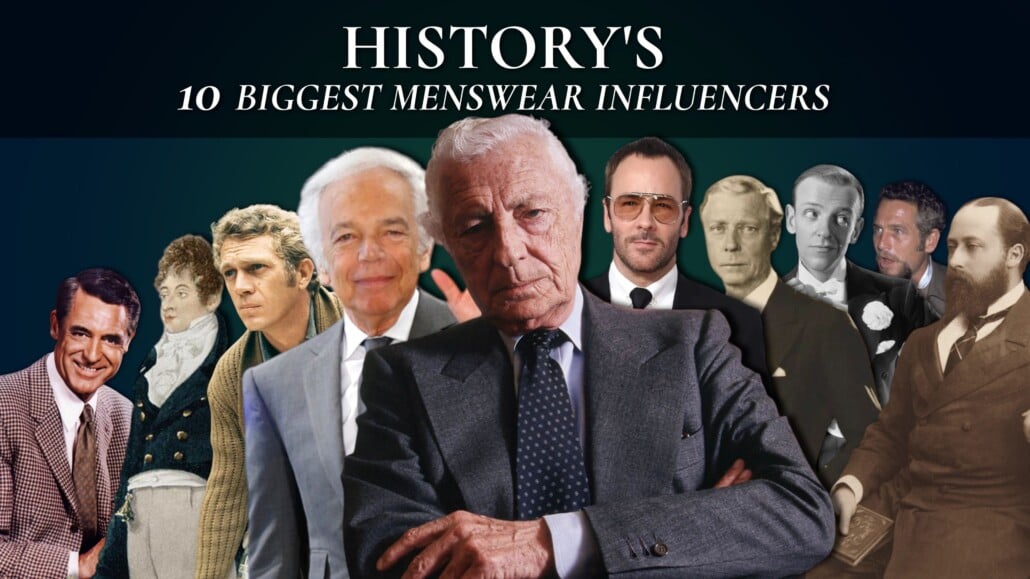
Before the advent of George Bryan "Beau" Brummell, men’s fashion in the late 18th and early 19th centuries was characterized by an ostentatious display of lace, powdered wigs, vibrant silks, and elaborate embroidery, often mirroring the flamboyant styles of the French aristocracy. Brummell, a figure of remarkable social influence despite his relatively humble origins, single-handedly revolutionized this paradigm. He introduced the concept of the "Dandy," advocating for a radical shift towards understated elegance, impeccable fit, and meticulous personal grooming. This wasn’t merely a change in clothing; it was a philosophical statement, rejecting the inherited pomp of the aristocracy in favor of a refined, self-made aesthetic.
Brummell championed dark, sober colors—navy, black, and grey—over the bright hues of his predecessors. His greatest innovations included replacing the cumbersome knee breeches with full-length, perfectly tailored trousers, a move that offered both comfort and a more streamlined silhouette. He also pioneered the elaborate art of tying starched neckcloths, complex arrangements that were the direct ancestors of the modern necktie. This emphasis on subtle perfection, where every detail was precisely executed but appeared effortless, established a new benchmark for masculine sophistication. His influence was so profound that even King George IV (then Prince Regent) sought his advice on matters of dress. Brummell’s legacy is the enduring principle that superior fit, quality fabrics, and meticulous grooming are paramount, far outweighing any flashy ornamentation. The "Key Lesson" from Brummell is that true elegance resides in precision and quiet confidence, not in extravagance.
King Edward VII (1841-1910): The Royal Arbiter of Casual Elegance

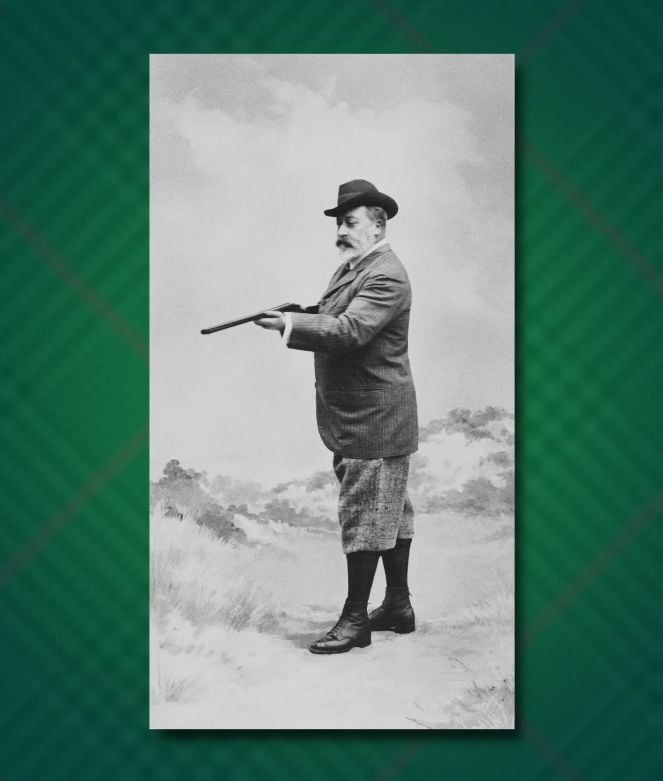
Moving into the late 19th and early 20th centuries, King Edward VII, then Prince of Wales, emerged as another transformative figure in menswear. A man of considerable physical stature, his personal comfort often dictated his sartorial choices, which, owing to his royal status, quickly disseminated and became global standards. The burgeoning industrial age and evolving social dynamics meant a gradual shift away from the rigid formalities of Victorian attire, and Edward VII was at the forefront of this change.
He is widely credited with popularizing the tradition of leaving the bottom button of a waistcoat undone. While various theories exist—ranging from his personal discomfort with tight garments to a simple oversight that was then emulated by his courtiers—this seemingly minor detail became a universally accepted norm. Another significant contribution was his popularization of the Homburg hat. Originally encountered during a visit to Bad Homburg in Germany, the hat’s practical design, featuring a single dent and a curled brim, offered a smart alternative to the more formal top hat and the more casual fedora, making it ideal for country pursuits and less formal town wear. Furthermore, Edward VII played a role in the acceptance of the dinner jacket (tuxedo in America) as a less formal alternative to white tie for evening events, solidifying its place in the modern wardrobe. His practical yet refined approach demonstrated that royal authority could be leveraged to introduce comfort and adaptability into the strictures of formal dress. His "Key Lesson" underscores how practicality, when adopted by influential figures, often dictates the most enduring and widely accepted style conventions.
The Duke of Windsor (Edward VIII, 1894-1972): The Daring Modernist
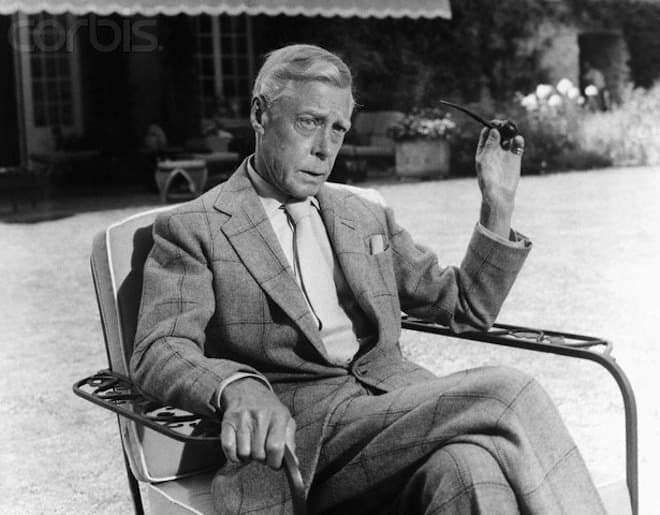
Perhaps the most influential style icon of the 20th century, the Duke of Windsor (formerly King Edward VIII) was a man who deliberately pushed the boundaries of traditional British tailoring, prioritizing comfort and visual interest over the rigid Victorian formality he inherited. Active during the interwar period, a time of significant social and cultural upheaval, his style reflected a desire for modernity and individual expression.
The Duke of Windsor became synonymous with a distinctive look that blended classic elements with bold innovations. While the "Windsor knot" is often attributed to him, he primarily favored a wider spread collar that accommodated a thicker tie, which, when tied, produced a robust, symmetrical knot. He championed "soft" dress shirts with attached collars, moving away from the stiff, detachable collars common at the time, enhancing comfort and ease. His preference for bold patterns, such as the now-iconic Prince of Wales check (a pattern he popularized, though it existed before him), and Glen plaid, showcased a daring approach to tailoring. He often wore double-breasted suits with wider lapels and a slightly fuller cut, reflecting a modern sensibility. His influence extended to leisurewear, popularizing Fair Isle sweaters and spectator shoes. The Duke’s "Key Lesson" is a powerful reminder: don’t be afraid to stand out and innovate, especially when you have the confidence and understanding to do so with conviction and taste. His rebellious spirit in fashion mirrored his life, leaving an indelible mark on how men perceived and adopted personal style.
Fred Astaire (1899-1987): Choreographing Elegance and Movement
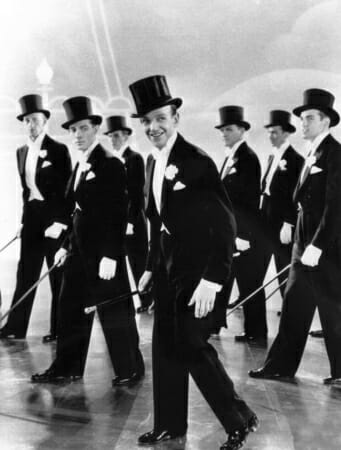
In the Golden Age of Hollywood, Fred Astaire became the living embodiment of elegance in motion, translating sartorial sophistication into a dynamic art form. His influence transcended the screen, demonstrating that clothing should complement, not constrain, the wearer. Astaire brought a unique sense of "careful carelessness"—sprezzatura—to formal wear, making his impeccably tailored suits appear effortless and natural.
A legendary dancer, Astaire famously insisted on dancing in his suits to ensure they allowed complete freedom of movement. This practical approach led to tailoring that was precise yet fluid, allowing for grace and expression. He often wore his jackets slightly longer than was fashionable, which accentuated his tall, lithe frame and created an elegant line even during his most energetic routines. His distinctive style included silk scarves worn as belts, a subtle rebellion against the norm that added a touch of personal flair. He also favored less rigid adherence to traditional formal rules, often making small adjustments that only enhanced his individual charm. Astaire’s on-screen presence made sophisticated dressing aspirational, showing millions that true elegance was not about stiffness, but about confidence, comfort, and the ability to move gracefully within one’s clothes. His "Key Lesson" is profound: Clothes should never wear the man; rather, comfort and freedom of movement facilitate genuine confidence and effortless style.
Cary Grant (1904-1986): The Epitome of Timeless Sophistication
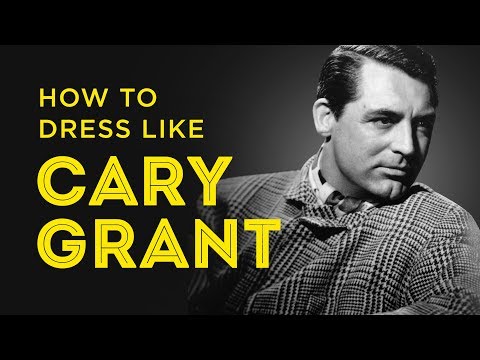
Cary Grant, another titan of Hollywood’s golden era, perfected a style that was timeless, universally appealing, and utterly sophisticated. He mastered what could be described as the "Middle-of-the-Road" style, achieving a rare balance where he was never too trendy nor ever too dated. Grant understood his own physical proportions intimately, a knowledge he leveraged to create an always-flattering silhouette.
Grant’s approach was characterized by an investment in high-quality, impeccably tailored garments that served as the foundation of his wardrobe. He famously owned a relatively small number of suits but ensured each one was perfect for him. He often opted for high-waisted trousers, a choice that visually elongated his legs and created a seamless line with his jacket, contributing to his perpetually elegant and statuesque appearance. His preferred palette consisted of versatile neutrals—grey, navy, and charcoal—eschewing overly bold patterns in favor of subtle textures and classic designs. This consistency in taste and adherence to fundamental principles of fit and quality allowed his style to transcend fleeting fashion trends. Grant’s "Key Lesson" is a testament to the power of consistency: a well-defined and consistently executed personal brand, built on quality and an understanding of one’s own physique, is the hallmark of enduring style.
Gianni Agnelli (1921-2003): The King of Sprezzatura and Deliberate Nonchalance
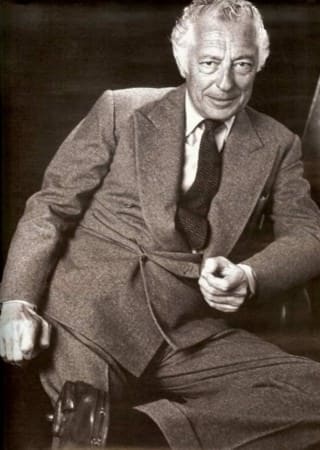
Gianni Agnelli, the iconic Italian industrialist and head of Fiat, redefined elegance in the latter half of the 20th century, particularly within the realm of high society. His style was not merely about wearing expensive clothes; it was about wearing them with an inimitable flair and a deliberate, almost provocative, nonchalance known as sprezzatura. Agnelli’s approach signaled that he was not bound by conventional rules, suggesting an innate superiority to sartorial strictures.
Agnelli was famous for his "signature errors"—calculated deviations from standard dress codes that became his personal trademarks. Most famously, he wore his wristwatch over his shirt cuff, a quirk that some attribute to necessity (he had larger wrists) but which became a symbol of his effortless disregard for convention. He was also known for pairing bespoke suits with unexpected footwear, such as hiking boots or loafers, injecting a rugged, individualistic spirit into formal ensembles. Other Agnelli-isms included leaving the button-down collar of his shirt unbuttoned when wearing a tie, or wearing his tie slightly askew. These intentional imperfections were not mistakes but deliberate choices designed to convey an air of insouciance and individual style that was impossible to replicate without genuine confidence. Agnelli’s "Key Lesson" is a bold one: If an unusual stylistic choice is made with intention and confidence, it transforms from a mistake into a distinctive feature, projecting a powerful sense of personal authority and effortless elegance.
Paul Newman (1925-2008): Sophisticated Ruggedness
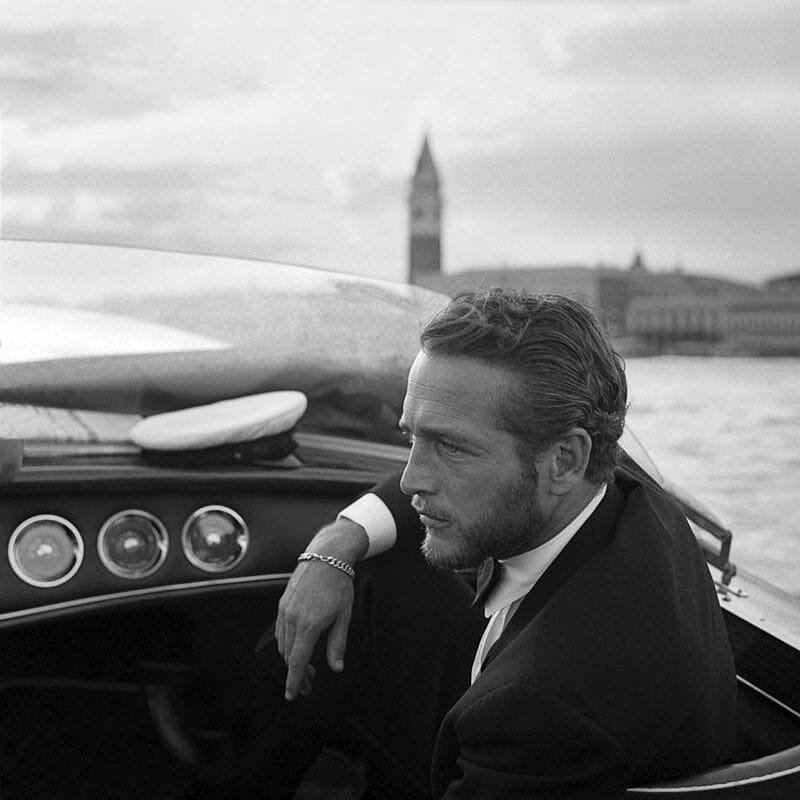
Paul Newman carved a unique niche in menswear history by seamlessly bridging the gap between classic Hollywood tailoring and the emerging world of American sportswear. His style embodied a sophisticated ruggedness, proving that a man could exude charm and gravitas whether in a sharp tuxedo or a simple denim shirt. Newman’s appeal lay in his authenticity and his ability to make any outfit look effortlessly cool.
Newman often paired tailored trousers with casual elements like denim shirts or simple t-shirts, creating a look that was both approachable and impeccably stylish. He was frequently seen in well-worn leather jackets, knit polos, and casual button-downs, demonstrating that comfort and practicality could coexist with an undeniable sense of fashion. Even in formal wear, he managed to convey an easygoing confidence, never appearing stiff or overdressed. His preference for functional items, often from his passion for racing, infused his wardrobe with a sense of genuine masculinity and an adventurous spirit. Newman’s impact was in normalizing a more relaxed, yet still incredibly put-together, aesthetic for men. His "Key Lesson" emphasizes that the manner in which one wears their clothes, imbued with personal character and confidence, can be far more impactful and memorable than the clothes themselves.
Steve McQueen (1930-1980): The King of Cool and Utilitarian Chic
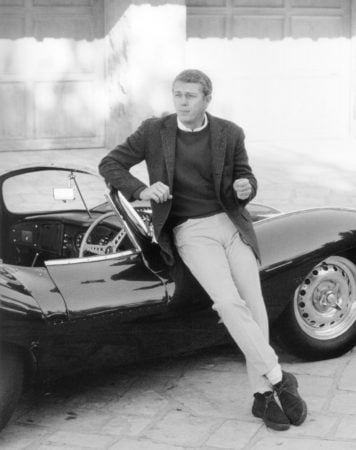
Steve McQueen, famously known as "The King of Cool," developed a style rooted deeply in utility, masculinity, and an undeniable sense of adventure. His wardrobe drew heavily from military and motorsports aesthetics, taking functional items and elevating them into mainstream fashion staples that remain iconic today.
McQueen’s signature look often featured classic pieces like the Harrington jacket, denim jeans, durable Chinos, and desert boots. He popularized rugged knitwear, such as roll-neck sweaters, and made Persol sunglasses a symbol of effortless cool. His clothing choices were never about vanity; they were about practicality, durability, and comfort, reflecting his active lifestyle as an actor and avid racer. Whether he was on a motorcycle or on a film set, McQueen’s clothing always seemed perfectly suited to the task at hand, exuding a raw, unpretentious charm. He proved that high-quality, functional basics could form the foundation of an incredibly stylish and enduring wardrobe. McQueen’s "Key Lesson" is clear: Invest in high-quality, durable basics that serve a practical purpose, as their inherent utility and timeless design can create a powerful and authentically masculine aesthetic.
Ralph Lauren (b. 1939): The Curator of Americana and Lifestyle Branding
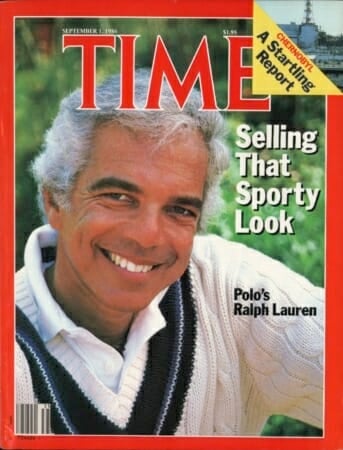
Ralph Lauren didn’t just design clothes; he designed an aspirational lifestyle, becoming a pivotal figure in late 20th-century fashion by curating an entire universe of American style. His genius lay in his ability to synthesize diverse aesthetics—from the refined elegance of British aristocracy to the rugged individualism of the American West, and the classic appeal of Ivy League prep—and make them accessible to the modern professional.
Lauren’s brand, Polo Ralph Lauren, launched with a line of ties and quickly expanded into a full lifestyle empire. He introduced iconic pieces such as the polo shirt, tailored blazers, classic denim, and Western-inspired wear, each meticulously crafted to evoke a particular narrative. His vision was not merely about individual garments but about creating a coherent "world" that customers could buy into, offering a dream of luxury, heritage, and aspiration. He understood the power of storytelling through fashion, crafting narratives around timeless American ideals and sophisticated European influences. Lauren’s impact lies in democratizing a multi-faceted aesthetic, making diverse elements of classic style available to a mass market, and pioneering the concept of lifestyle branding in fashion. His "Key Lesson" teaches that style is a profound form of storytelling, allowing individuals to express their aspirations and identity through carefully curated aesthetics.
Tom Ford (b. 1961): The Architect of Modern Glamour and Sharp Sensuality
In the late 20th and early 21st centuries, Tom Ford emerged as a dominant force in menswear, single-handedly bringing sex appeal, sharp lines, and unapologetic glamour back to the forefront after an era dominated by oversized, more relaxed silhouettes. His influence, first at Gucci and Yves Saint Laurent, and then with his eponymous brand, redefined modern luxury and masculinity.
Ford’s aesthetic is characterized by impeccably tailored, slim-cut suits with strong, defined shoulders and often wider lapels, emphasizing a powerful, masculine silhouette. He favored luxurious fabrics, meticulous craftsmanship, and a bold approach to color and texture. Ford’s designs are imbued with a sensual, confident edge, often drawing inspiration from classic Hollywood glamour while updating it for a contemporary audience. His philosophy, famously encapsulated in his quote, "Dressing well is a form of good manners," underscores his belief in the importance of presentation and self-respect through attire. He successfully reintroduced a sense of deliberate formality and high-octane sophistication, making men’s dressing an occasion for self-expression and allure. Tom Ford’s "Key Lesson" encourages men not to shy away from a bold, precisely tailored silhouette, asserting that confidence and meticulous attention to detail can elevate formal wear to an art form of modern glamour.
Conclusion
The history of menswear is a testament to continuous innovation, driven by these extraordinary individuals who, through their personal style and visionary approaches, reshaped the way men dress. From Beau Brummell’s foundational emphasis on fit and cleanliness to Tom Ford’s contemporary reign of sharp glamour, these ten icons represent pivotal moments in sartorial evolution. Understanding their contributions is not merely an academic exercise; it is about grasping the fundamental why behind many of our modern clothing conventions. Whether one is donning a Black Tie tuxedo for a formal gala or selecting a casual ensemble for a relaxed Saturday, every choice made today stands on the shoulders of these sartorial giants. Their legacies remind us that fashion is a dynamic conversation, continually informed by the past yet always open to reinterpretation, and that true style is an enduring reflection of individual character and a keen awareness of cultural context. The ongoing dialogue between tradition and innovation ensures that the narrative of menswear will continue to evolve, inspired by the timeless lessons of these enduring icons.