








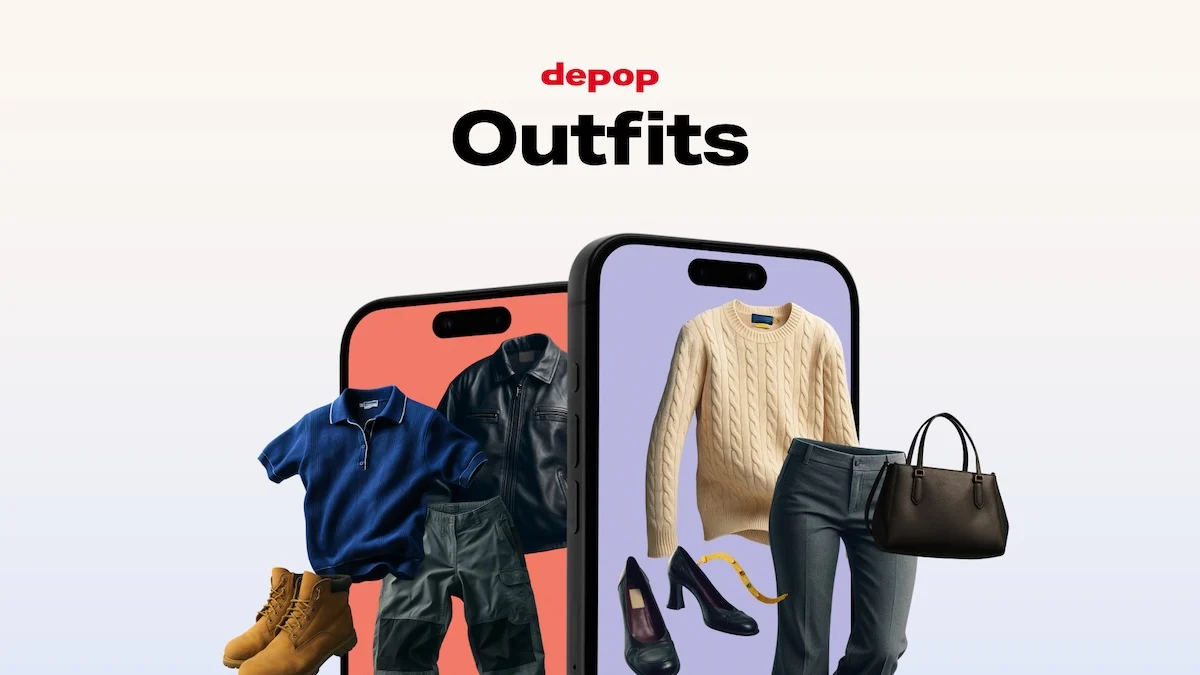
In a move designed to further integrate social media creativity with e-commerce functionality, the fashion resale platform Depop has officially introduced "Outfits," a comprehensive styling and collaging tool tailored for its predominantly Gen Z user base. Announced on Wednesday, the feature represents a significant evolution in how users interact with the app, shifting the experience from a purely transactional marketplace to a creative hub for fashion curation and visual storytelling. The "Outfits" tool provides a mood board-like interface, enabling users to design, layer, and share curated looks using items found across the platform, effectively bridging the gap between digital window-shopping and personalized styling.
The launch comes at a pivotal moment for Depop as it seeks to solidify its position as the premier destination for secondary fashion in an increasingly crowded market. By offering a built-in creative suite, Depop is directly addressing the aesthetic-driven habits of its core demographic, who have long utilized third-party apps to create fashion collages for platforms like TikTok and Instagram. Now, those users can perform these creative tasks natively within the Depop ecosystem, keeping engagement high and reducing friction between the inspiration phase and the final purchase.
Technical Functionality and User Experience
The "Outfits" tool is designed with intuitive navigation to cater to both casual browsers and professional sellers. To access the feature, users select an item they wish to feature and tap the newly integrated scissors icon located on the right side of the interface. This action activates a customization suite where the user can isolate the product image, adjust its scale, and manipulate its placement on a digital canvas.
Beyond simple image placement, the tool offers several layers of customization to enhance the visual appeal of the collages. Users can select from a variety of colorful backgrounds or utilize pre-designed templates that serve as layout guides for different styles—such as "Streetwear Essentials," "Vintage Chic," or "Y2K Aesthetic." This structured approach allows users who may not have graphic design skills to produce professional-looking mood boards that resonate with the platform’s visual-heavy culture.
Critically, every item included in a collage remains fully shoppable. If a user views a shared "Outfit" and finds a particular vintage jacket or accessory appealing, they can click directly through to the listing. Recognizing the fast-moving nature of the secondhand market, Depop has also integrated an automated suggestion engine. If a specific item featured in a collage has already been sold, the app utilizes its search algorithms to offer similar alternatives from other sellers, ensuring that the creative content remains a consistent driver of sales even after individual items are off the market.
Strategic Alignment with Gen Z Consumption Patterns
The introduction of "Outfits" is a calculated response to the rise of "vibe-based" shopping and the popularity of digital collaging among younger consumers. This trend was pioneered by platforms like Pinterest, which launched its standalone collage app, Shuffles, in 2022. Shuffles quickly gained viral traction on TikTok, leading Pinterest to integrate its functionality directly into its main platform. By adopting a similar strategy, Depop is positioning itself not just as a competitor to other resale apps like Vinted or Poshmark, but as a social media competitor that captures "dwell time"—the amount of time a user spends actively engaged with an app.
The ability to share these static images across external platforms like Instagram and Pinterest further extends Depop’s reach. When a user shares a curated outfit to their Instagram Story, they are effectively acting as a brand ambassador, driving external traffic back to the Depop app. This creates a virtuous cycle of discovery and acquisition that is essential for maintaining growth in the social commerce sector.
Industry analysts note that for Gen Z, fashion is less about brand loyalty and more about "curating an identity." The "Outfits" tool empowers users to experiment with different identities—from "cottagecore" to "gorpcore"—without the immediate financial commitment of a purchase. This "try-before-you-buy" digital experience builds emotional investment in a look, which often leads to higher conversion rates for the featured items.
Financial Performance and Market Position
The rollout of the "Outfits" feature follows a period of robust financial performance for Depop. According to the Q2 2025 earnings report from its parent company, Etsy, Depop’s Gross Merchandise Sales (GMS) surged by 34.7% year-over-year on a currency-neutral basis. This trajectory has placed the platform on a clear path toward a $1 billion GMS run rate, a milestone that signals its successful integration into Etsy’s broader portfolio following its $1.6 billion acquisition in 2021.

This growth is particularly notable when compared to its regional and global competitors. For instance, Mercari, a significant player in the Japanese and U.S. resale markets, reported a Gross Merchandise Value (GMV) of approximately $728 million for the fourth quarter of 2024. While Mercari maintains a strong presence, Depop’s hyper-focus on the fashion vertical and its high engagement levels among youth demographics have allowed it to outpace many generalist resale platforms in terms of cultural relevance and growth velocity.
Etsy’s leadership has highlighted Depop as a primary growth engine for the corporation, especially as the flagship Etsy marketplace faces headwinds in the discretionary spending sector. By investing in tools like "Outfits," Etsy is doubling down on Depop’s unique "community-led" commerce model, which prioritizes user-generated content as the primary discovery mechanism.
Implications for the Seller Community
For Depop’s community of sellers, the "Outfits" tool represents a powerful new marketing instrument. Traditionally, sellers have relied on "flat lays" or "mirror selfies" to showcase their inventory. While effective, these methods often show items in isolation. The collaging tool allows sellers to demonstrate the versatility of their stock by pairing a single item with multiple different styles.
A seller specializing in 90s denim, for example, can now create multiple "Outfits" showing how the same pair of jeans can be styled for a casual daytime look or a more formal evening ensemble. This type of visual merchandising was previously reserved for high-end editorial shoots or sophisticated marketing teams. By democratizing these tools, Depop is enabling independent sellers to elevate their brand presentation, potentially justifying higher price points and increasing the speed of sales.
Furthermore, the "similar alternatives" feature provides a safety net for the marketplace. In the one-of-a-kind world of vintage resale, "out-of-stock" notifications are a frequent pain point for consumers. By redirecting interested buyers to comparable items, Depop keeps the capital within its ecosystem and supports a broader range of sellers, rather than just the one whose item went viral in a collage.
The Broader Context of Social Commerce and Circularity
The launch of "Outfits" is a microcosm of a larger shift in the global retail landscape: the rise of social commerce. According to market research, social commerce is expected to grow three times faster than traditional e-commerce over the next several years, reaching a market value of over $1.2 trillion by 2025. Platforms that can successfully blend social interaction with a seamless checkout process are poised to capture the lion’s share of this growth.
Beyond the financial implications, there is a significant environmental narrative at play. The "Outfits" tool encourages users to shop "pre-loved" by making the process as aesthetically pleasing and modern as shopping for new fast fashion. By framing secondhand clothing within the context of high-design collages, Depop is helping to strip away any remaining stigma associated with used clothing, presenting it instead as a premium, sustainable choice for the style-conscious consumer.
The circular economy relies on the constant movement of goods. By providing tools that inspire more frequent purchases and more frequent "re-listing" of items, Depop is accelerating the velocity of the circular fashion market. The "Outfits" feature encourages users to look at their existing wardrobes and potential new purchases as a modular system, fostering a more thoughtful and creative approach to consumption.
Conclusion and Future Outlook
As Depop rolls out "Outfits" to its global user base, the fashion industry will be watching closely to see how this affects user retention and average order value. The feature is currently available to all users within the Depop app, marking a full-scale deployment rather than a limited beta test. This suggests high confidence from the development team in the tool’s stability and its expected adoption rate.
In the coming months, it is likely that Depop will continue to refine the "Outfits" interface, potentially adding augmented reality (AR) components or AI-driven styling suggestions based on a user’s past browsing history. As the lines between social media, creative design, and retail continue to blur, Depop’s "Outfits" stands as a prime example of how digital platforms are evolving to meet the complex, multi-faceted demands of the modern consumer. By empowering its users to be creators first and consumers second, Depop is not just selling clothes; it is facilitating a digital fashion culture that is as dynamic as the users who inhabit it.