









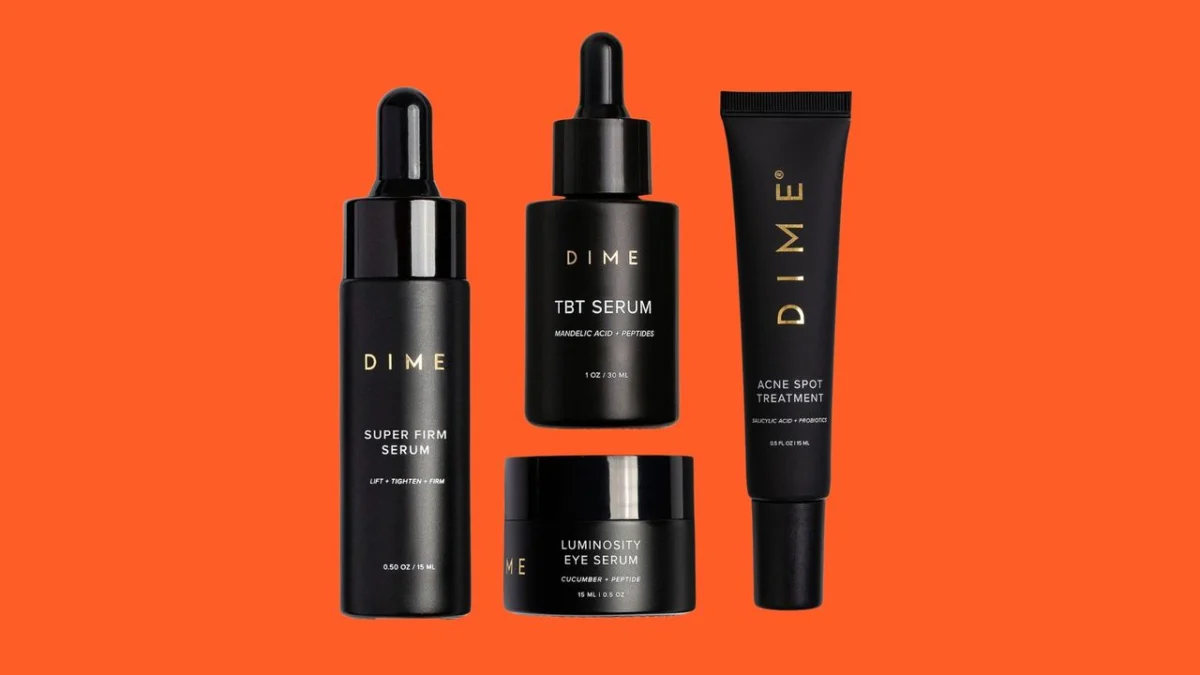
The fundamental pillars of modern skincare—cleansing, moisturizing, and sun protection—serve as the baseline for maintaining the skin’s barrier function and preventing premature environmental damage. However, as consumer awareness regarding specific dermatological concerns grows, there is a marked shift toward precision-based skincare. This trend is currently exemplified by the September Allure Beauty Box partnership with Dime Beauty Co., which offers a modular approach to personal care by allowing subscribers to select one of four highly specialized serum formulas designed to address distinct biological and aesthetic skin conditions.
The Evolution of Targeted Skincare
Historically, the beauty industry operated on a "one-size-fits-all" model, where general moisturizers and cleansers were marketed to broad demographics. Over the last decade, however, the proliferation of ingredient-focused education—driven by social media and increased access to dermatological literature—has shifted consumer expectations. Today, the global skincare market, valued at approximately $160 billion as of 2023, is increasingly defined by "active" ingredients that target specific pathways in the skin, such as collagen degradation, hyperpigmentation, and inflammatory responses.
The collaboration between Dime Beauty Co. and the Allure Beauty Box reflects a strategic pivot toward personalized beauty. By offering a selection process rather than a static product inclusion, the platform acknowledges that skin health is not a static state but a dynamic condition requiring intervention based on individual, often seasonal, needs.
Chronology of the Allure Beauty Box Partnership
The integration of specialized serums into the subscription model follows a broader industry timeline of "beauty personalization."
- Early 2010s: The subscription box model gains popularity, focusing primarily on product discovery and sampling broad categories.
- 2018–2020: Increased focus on clean beauty and ingredient transparency shifts the requirements for subscription boxes; consumers begin demanding efficacy over mere variety.
- 2022–2023: Data-driven personalization becomes the industry standard. Brands begin utilizing surveys and choice-based modules to reduce product waste and increase customer satisfaction.
- September 2024: The current partnership between Dime Beauty Co. and Allure Beauty Box introduces a tiered selection process, allowing users to choose between four distinct, condition-specific serums based on their current skin state.
Analysis of the Four Targeted Formulas
The selection provided to subscribers highlights the industry’s reliance on clinically recognized actives to solve specific dermatological complaints.
1. Luminosity Eye Serum (Hydration and Microcirculation)
The eye area, characterized by thinner dermis and a lack of oil glands, is prone to rapid dehydration. The Luminosity Eye Serum utilizes aloe vera for its soothing properties and humectant abilities, paired with caffeine. From a physiological standpoint, caffeine acts as a vasoconstrictor; when applied topically, it can help reduce the appearance of fluid retention (puffiness) and temporarily tighten the skin, thereby minimizing the visibility of dark circles caused by vascular congestion.
2. Super Firm Serum (Structural Integrity)
Skin elasticity relies heavily on the extracellular matrix, primarily composed of collagen and elastin. As endogenous collagen production declines with age, topical peptides—chains of amino acids—serve as signal molecules. These peptides are intended to penetrate the epidermis and encourage the fibroblasts to increase structural protein production. The Super Firm Serum targets this specific mechanism of aging.
3. TBT Serum (Anti-Aging and Texture Correction)
The TBT (Time-Back Technology) Serum combines firming peptides with niacinamide (Vitamin B3). Niacinamide is widely documented in clinical dermatological studies for its ability to strengthen the skin barrier, improve skin elasticity, and reduce the appearance of enlarged pores. By pairing these with peptides, the formulation addresses both the textural unevenness associated with photoaging and the loss of firmness.
4. Acne Spot Treatment (Inflammatory Management)
Acne remains one of the most prevalent skin conditions globally, affecting roughly 50 million Americans annually. The Acne Spot Treatment utilizes salicylic acid, a beta-hydroxy acid (BHA). Salicylic acid is oil-soluble, allowing it to penetrate the lipid layers of the skin to clear follicles of debris and excess sebum. By isolating this as a choice, the subscription model allows users to manage sporadic breakouts without the need for full-face chemical treatments, which can sometimes lead to localized irritation.
Industry Implications and Consumer Behavior
The strategic choice to allow consumers to curate their own skincare routine based on these four options provides several advantages for both the brand and the consumer.
For the consumer, the primary benefit is cost-effective access to "active-heavy" products that would otherwise be purchased as separate, full-priced items. The modular nature of this offer mimics a professional consultation, where a patient identifies a primary concern and selects a solution accordingly.
From an industry perspective, this model addresses the growing concern of overconsumption. By allowing consumers to choose a product they actually need, the likelihood of product abandonment—a significant issue in the subscription box industry—is drastically reduced. This aligns with broader ESG (Environmental, Social, and Governance) goals within the cosmetics sector, as reduced waste contributes to a smaller carbon footprint for the distribution chain.
Professional Perspectives on Serum Integration
While the brand provides the products, dermatologists and cosmetic chemists emphasize that the efficacy of these serums is contingent upon consistent usage and the maintenance of the skin barrier.
"The integration of targeted serums into a routine is the logical next step for the educated consumer," notes a representative for cosmetic ingredient analysis. "However, the efficacy of these products relies on a stable foundation. You cannot layer a high-potency serum like a peptide or salicylic acid treatment onto a compromised skin barrier and expect positive results. The ‘cleanser-moisturizer-sunscreen’ baseline mentioned by users is not just a suggestion; it is a necessity for these serums to function at their peak potential."
The use of clinical-grade ingredients such as niacinamide and salicylic acid suggests that the partnership is positioning itself to bridge the gap between "beauty" products and "therapeutic" skincare. This reflects a wider trend where consumers are seeking products that function as minor medical interventions for minor cosmetic issues.
Conclusion: The Future of Personalized Beauty
The inclusion of Dime Beauty Co.’s range in the September Allure Beauty Box is emblematic of a larger shift in how consumers interact with their beauty regimens. By moving away from generic product lineups and toward a selective, problem-solution framework, the industry is acknowledging that effective skincare is inherently personal.
As the market continues to evolve, it is anticipated that subscription services will further incorporate diagnostic tools—such as AI-driven skin analysis or more detailed biological questionnaires—to further refine the selection process. For now, the ability to choose between hydrating, firming, resurfacing, or acne-targeting treatments represents a significant advancement in the accessibility of professional-level skincare solutions for the general public.
The success of this partnership may well set a benchmark for future beauty collaborations, where utility and personal skin health outcomes take precedence over purely aesthetic product branding. As the lines between wellness and traditional beauty continue to blur, consumers are likely to demand even greater granularity in their skincare choices, ensuring that every product included in their routine serves a verifiable, intentional purpose.