







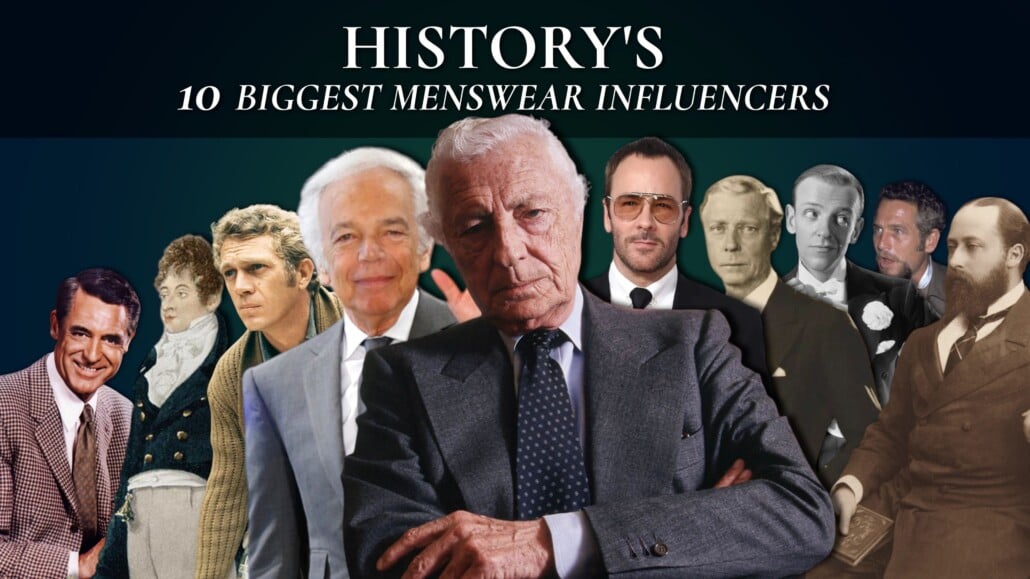
Whether you prefer a structured Italian suit or a rugged weekend ensemble, your closet is a living museum of sartorial history. Every detail, from the way you button your jacket to the height of your trouser cuffs, can be traced back to a handful of visionary men who defied convention and, in doing so, forged the very rules we adhere to today. This exploration delves into the contributions of ten pivotal figures whose influence irrevocably shaped the landscape of menswear, transforming transient trends into enduring stylistic principles.
Tracing the Origins of Style: A Historical Perspective
Menswear, often perceived as static, has undergone continuous evolution, driven by social shifts, technological advancements, and the singular vision of influential individuals. From the opulent courts of the 18th century to the sleek lines of 21st-century luxury, each era has produced its own arbiters of taste. Understanding these figures is not merely an exercise in fashion history; it’s an insight into the cultural forces that have dictated masculine expression. Their stories reveal how personal choices, practical innovations, and a keen eye for aesthetics can ripple through generations, establishing benchmarks for elegance, rebellion, and comfort.
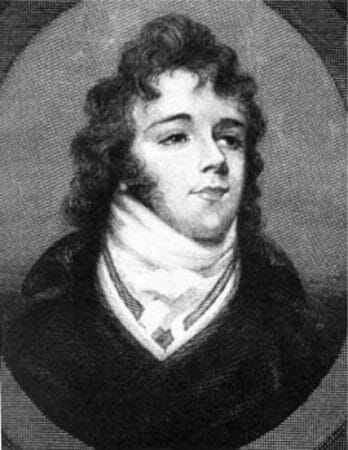
1. Beau Brummell: The Architect of Understated Elegance (Late 18th – Early 19th Century)
Before the advent of Beau Brummell, men’s aristocratic fashion was a flamboyant display of lace, powder, silk, and elaborate embroidery, often mimicking feminine extravagance. George Bryan Brummell, a close confidant of the Prince Regent (later King George IV), orchestrated a radical revolution in male attire. He championed the concept of the "Dandy," shifting the focus from ostentatious ornamentation to impeccable fit, pristine cleanliness, and subdued colors. Brummell famously took hours to dress, perfecting his starched neckcloths – intricate ancestors of the modern necktie – and ensuring every garment was tailored to perfection. He replaced the knee breeches, synonymous with aristocratic frivolity, with full-length, dark trousers, laying the groundwork for the modern suit. His philosophy emphasized that true elegance resided in subtlety, precision, and effortless presentation, an idea that profoundly reshaped the aesthetic of gentlemanly dress. The implications of Brummell’s influence were immediate and lasting, democratizing a certain aspect of elegance by making it achievable through meticulous attention to detail rather than sheer expense of materials. His legacy cemented the principle that fit and grooming are paramount, establishing the foundation for modern tailoring.
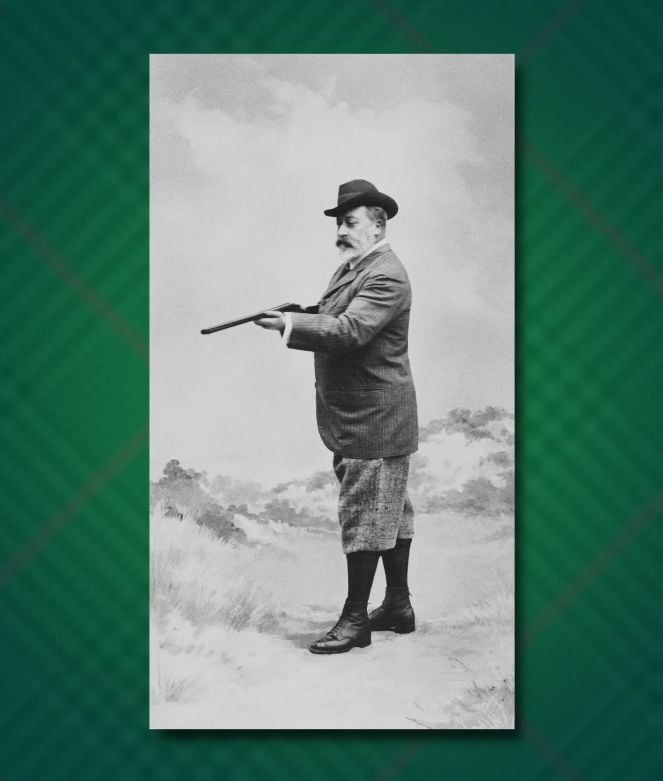
2. King Edward VII: Royal Influence and Practical Innovations (Late 19th – Early 20th Century)
As Prince of Wales and later King, Edward VII was a man of considerable stature whose physical proportions often dictated his style choices, which then became widely adopted standards. He is widely credited with originating the tradition of leaving the bottom button of a waistcoat undone. While various theories exist – from his own comfort to a practical adaptation for riding – this seemingly minor adjustment quickly became a global sartorial "rule." His endorsement also propelled the Homburg hat, a formal felt hat originating from Germany, into widespread popularity across Europe and beyond. Edward VII’s position as a royal trendsetter showcased how figures of authority, even through practical adjustments or personal preferences, could inadvertently codify style conventions. His reign marked a period where traditional formal wear began to subtly adapt, demonstrating that practicality and comfort, when adopted by influential figures, often dictate the most enduring style "rules." His influence underscored the power of royal endorsement in setting societal norms for dress.
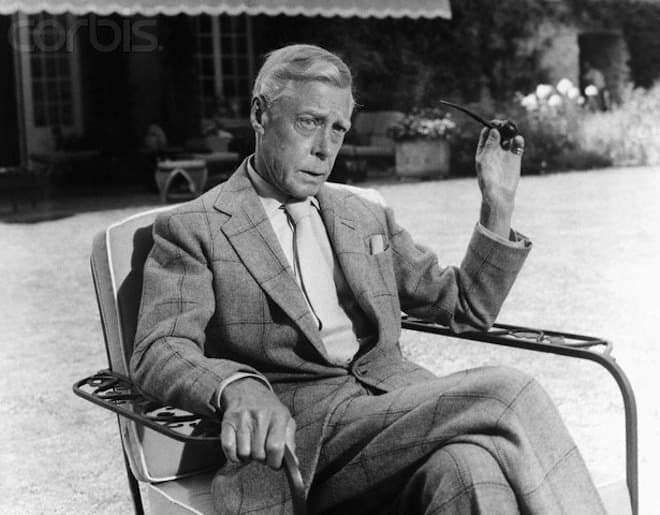
3. The Duke of Windsor: A Modernist Reformer (Early – Mid 20th Century)
Edward VIII, later the Duke of Windsor after his abdication, stands as arguably the most influential style icon of the 20th century. He prioritized comfort and visual interest over the rigid formality that characterized Victorian and Edwardian menswear. The Duke was a patron of the finest tailors in London and Paris, yet he wasn’t afraid to innovate. He championed "soft" dress shirts with attached collars, moving away from the starched, detachable collars prevalent at the time. His robust physique led him to favor a wider, more substantial knot for his ties, which eventually led to the popularization of the "Windsor knot." He also had a penchant for bold patterns, notably popularizing the Prince of Wales check and other Glen plaids, injecting personality into formal wear. The Duke’s impact extended to his preference for less formal evening wear, playing a role in the increasing acceptance of the dinner jacket (tuxedo) over white tie. His contributions were a testament to the evolving nature of menswear, demonstrating that personal flair and a willingness to adapt traditional elements could create a distinctive and enduring style. His legacy encourages individuality within the framework of classic elegance: don’t be afraid to stand out when you can do so with taste and confidence.
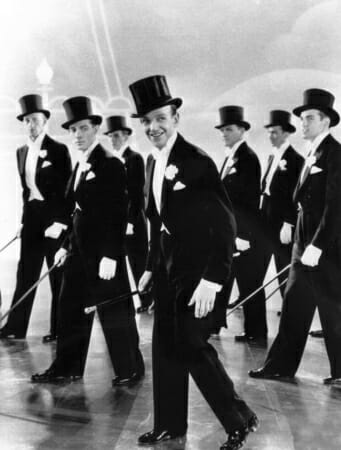
4. Fred Astaire: Elegance in Motion (Mid 20th Century)
Fred Astaire, the legendary dancer and actor, brought an unparalleled sense of "careful carelessness" (sprezzatura) to formal wear. His demanding dance routines necessitated clothing that allowed for maximum movement without sacrificing elegance. Astaire famously collaborated with his tailors to ensure his suits and tuxedos were not merely worn but moved with him, embodying a fluid grace on screen. His signature touches included wearing his tie as a belt in "Easter Parade" and his meticulous attention to pocket squares and tie patterns, always appearing effortlessly stylish. Astaire’s approach underscored the crucial relationship between clothing and the wearer’s physical expression. He proved that true elegance was dynamic, not static, and that comfort was a prerequisite for confidence and natural poise. His impact resonated deeply in Hollywood and beyond, influencing how designers thought about the functionality and flow of formal attire. His key lesson endures: clothes should never wear the man; comfort facilitates confidence and allows one’s personality to shine through.
5. Cary Grant: The Epitome of Timeless Sophistication (Mid 20th Century)
Cary Grant was the quintessential mid-century ideal, a master of a "Middle-of-the-Road" style that ensured he was never too trendy, yet never dated. His sartorial philosophy was rooted in consistency, understanding his proportions, and investing in impeccably tailored classics. Grant frequently opted for high-waisted trousers to elongate his silhouette and favored subtle colors and patterns that exuded understated luxury. He famously declared, "I just wear what looks good on me," a testament to his understanding of personal fit and enduring style over fleeting fashion. His wardrobe, characterized by perfectly cut suits, classic shirts, and minimal accessories, became synonymous with suave sophistication and effortless charm. Grant’s influence solidified the idea that true style transcends trends, advocating for a personal brand built on consistency, precision, and an innate understanding of what suits oneself. His legacy is a blueprint for timeless elegance, proving that a consistent, well-executed aesthetic creates an enduring impression.
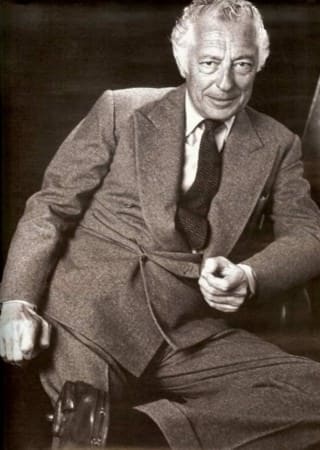
6. Gianni Agnelli: The King of Sprezzatura (Mid – Late 20th Century)
Gianni Agnelli, the charismatic Italian industrialist and head of Fiat, personified the concept of sprezzatura – the art of making something difficult look easy, of studied carelessness. Agnelli was famous for his "signature errors," deliberate style quirks that signaled he was above conventional rules. He was known for wearing his wristwatch over his shirt cuff, a practical habit that became a rebellious statement. He would pair bespoke suits with casual hiking boots, or leave his tie knot slightly askew, or wear a button-down collar unbuttoned. These intentional deviations from tradition were not mistakes but carefully cultivated expressions of individuality and supreme confidence. His wardrobe, often from the finest Italian tailors, was a blend of impeccable quality and idiosyncratic flair. Agnelli’s impact was profound in popularizing an unapologetically Italian approach to style – bold, confident, and slightly unconventional. His key lesson: if you execute it with intention and confidence, it’s a feature, not a mistake, transforming sartorial transgressions into personal hallmarks of style.
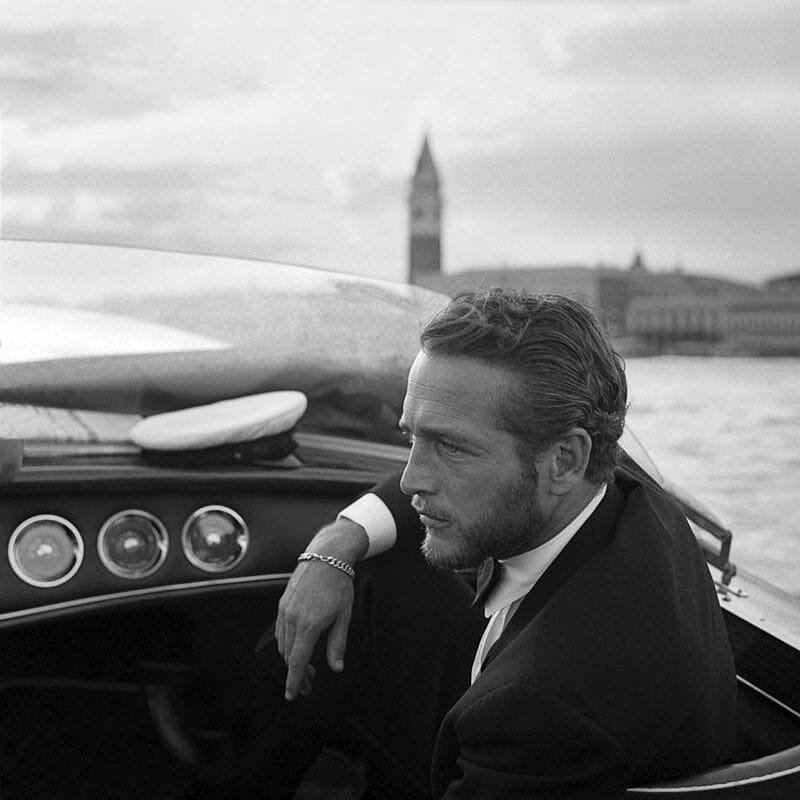
7. Paul Newman: Sophisticated Ruggedness (Mid – Late 20th Century)
Paul Newman bridged the gap between classic tailoring and American sportswear, embodying a sophisticated ruggedness that resonated with a generation. A celebrated actor and accomplished race car driver, Newman demonstrated that a man could look just as dapper in a worn denim shirt or casual polo as he did in a impeccably tailored tuxedo. His style was characterized by authenticity, comfort, and an understated masculinity. He favored simple, well-made pieces: button-down shirts, chinos, Harrington jackets, and his iconic Rolex Daytona watch. Newman’s natural charisma allowed his clothes to enhance, rather than define, his persona. His effortless transition between casual and formal attire showcased a versatility that became a benchmark for modern masculinity. His enduring appeal lies in his authentic presentation, proving that how you wear your clothes, imbued with confidence and genuine character, can be more impactful than the clothes themselves.
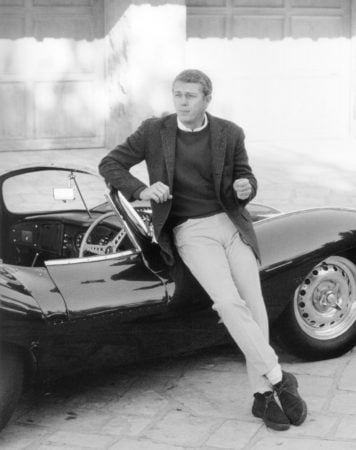
8. Steve McQueen: The King of Cool (Mid – Late 20th Century)
Steve McQueen, famously dubbed "The King of Cool," developed a style rooted in utility, practicality, and an undeniable masculine allure. His persona, often associated with motor racing and rebellious roles, was perfectly mirrored in his clothing choices. McQueen took items from military surplus, workwear, and the racetrack and brought them into the mainstream, elevating functional garments to iconic status. His signature pieces included Barbour jackets, Persol sunglasses, desert boots, Schott Perfecto motorcycle jackets, and perfectly tailored chinos. He favored a lean silhouette, often opting for pieces that allowed for freedom of movement. McQueen’s style was never about flashy brands or excessive ornamentation; it was about quality basics that served a purpose, exuding an air of effortless confidence. His influence remains strong in contemporary menswear, particularly in the enduring popularity of heritage and utilitarian brands. His key lesson: invest in high-quality basics that serve a purpose, as true cool stems from authenticity and functionality.
9. Ralph Lauren: The Curator of Americana (Late 20th Century – Present)
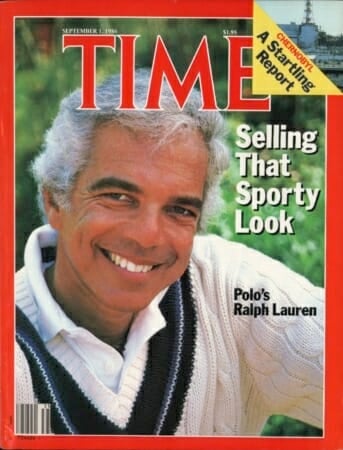
Ralph Lauren didn’t merely design clothes; he designed an aspirational lifestyle. Launching his brand in the late 1960s, Lauren masterfully curated a distinct aesthetic that merged the sophistication of British aristocracy (tweeds, polo shirts, equestrian motifs) with the rugged romance of the American West (denim, leather, workwear) and the preppy elegance of the Ivy League. He built an empire on storytelling, creating a coherent brand narrative that offered consumers not just garments, but an identity rooted in heritage, luxury, and aspiration. His vision democratized a certain kind of "old money" elegance, making it accessible to a broader audience. Lauren’s contribution lies in his genius for synthesis and brand building, establishing a powerful blueprint for lifestyle marketing in fashion. His influence defined a significant portion of the "American look," proving that style is fundamentally a form of storytelling, capable of transporting wearers into a desired narrative.

10. Tom Ford: The Architect of Modern Glamour (Late 20th Century – Present)
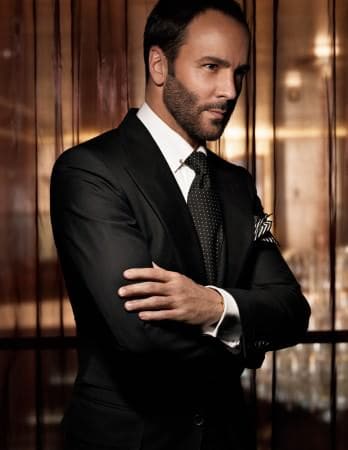
Tom Ford revitalized menswear at the turn of the 21st century, bringing sex appeal, sharp lines, and unapologetic glamour back into vogue after the oversized, minimalist silhouettes of the 1990s. His transformative work at Gucci and Yves Saint Laurent, followed by the establishment of his eponymous brand, redefined contemporary luxury. Ford’s aesthetic is characterized by impeccably tailored, slim-fit suits with strong shoulders and wide lapels, luxurious fabrics, and a sophisticated color palette. He emphasizes confidence and a certain audacious sensuality in his designs, advocating for a man who is meticulously groomed and powerfully self-assured. Ford famously stated, "Dressing well is a form of good manners," encapsulating his belief in the importance of presentation. His influence has been instrumental in the resurgence of sharp, precise tailoring and the embrace of a more overtly glamorous and polished masculine ideal in the modern era. His key lesson: don’t be afraid of a bold silhouette or a powerful statement if the tailoring is precise and the execution flawless.
Conclusion: Standing on the Shoulders of Sartorial Giants
The history of menswear is a rich tapestry woven by these ten iconic figures, each contributing a unique thread that has shaped how men dress today. From Brummell’s foundational emphasis on fit and cleanliness to Ford’s modern vision of glamour, their innovations, personal preferences, and enduring philosophies continue to inform contemporary style. Understanding these icons is about comprehending the why behind their choices – the blend of practicality, rebellion, and aspiration that fueled their sartorial decisions. Whether dressing for a Black Tie gala or a casual Saturday, every man, consciously or unconsciously, stands on the shoulders of these sartorial giants, inheriting a legacy of elegance, individuality, and timeless appeal. Their collective influence ensures that menswear remains a dynamic and fascinating field, constantly evolving yet always anchored by the principles these trailblazers established.