








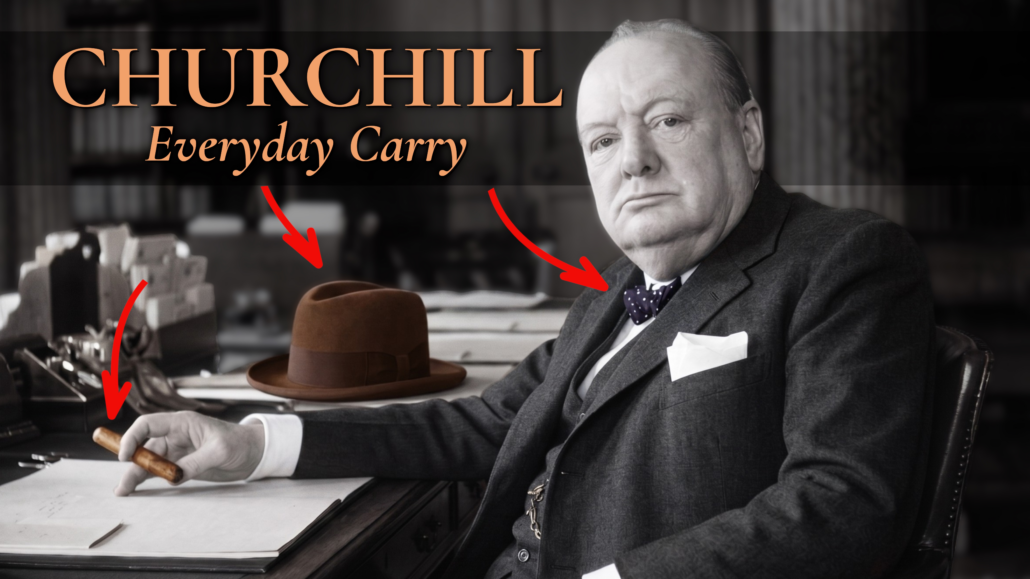
Winston Churchill, an icon etched into history with his bulldog resolve, booming oratory, and ever-present cigar, was more than just a public persona. Beneath the grand narratives of wartime leadership and political maneuvering lay a meticulously curated world of personal objects—an "everyday carry" (EDC) that served as a silent suit of armor, crafted from gold, silk, tortoiseshell, and velvet rather than steel. These were not mere accoutrements but carefully chosen instruments that aided his thought, decision-making, and projection of authority. A deeper examination of these eight essential items offers a compelling look into the man behind the legend, revealing insights into heritage, quality, ritual, and the subtle power of personal style in shaping a monumental figure. Each piece, from a hereditary signet ring to a distinctive bow tie, played a role in his daily life, grounding him in tradition while allowing him to project a singular image to the world.
Anchors of Identity and Time: Heritage and Precision
For Churchill, identity was deeply rooted in his illustrious lineage and a profound respect for tradition. Two items consistently accompanied him, serving as palpable links to his past and his methodical approach to the present: his signet ring and his cherished pocket watch.
The Spencer-Churchill Signet Ring: A Physical Link to History
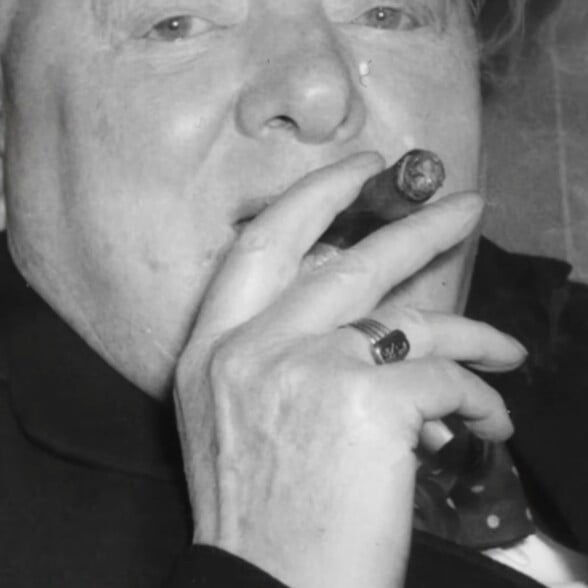
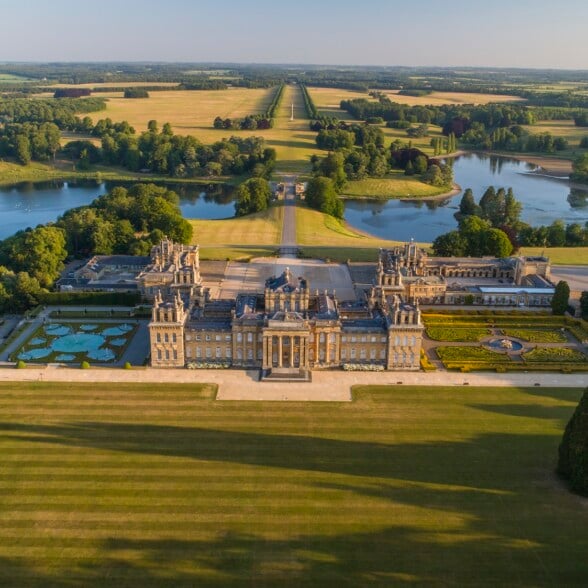
Heritage for Winston Churchill was far from an abstract concept; it was a tangible presence, quite literally at his fingertips. His gold signet ring, a likely creation of the esteemed royal jeweler Garrard, bore the intricate Spencer-Churchill arms. This emblem was not merely decorative; it was a direct genealogical link to the great Dukes of Marlborough, placing him firmly within the annals of one of Britain’s most storied aristocratic families. The ring connected him to Blenheim Palace, his ancestral home and birthplace, a monument to his forebears’ triumphs, particularly the 1st Duke, John Churchill, a military genius who secured a pivotal victory at the Battle of Blenheim in 1704.

While convention on the European continent often dictated wearing a signet ring on the pinky finger, a more flamboyant display, Churchill chose a different path. He wore his signet ring on the ring finger of his right hand. This deliberate choice underscored his perspective: the ring was not a flashy piece of jewelry but a constant, sober connection to his duty and his heritage. It was a physical reminder of the immense weight of history resting on his shoulders, a personal touchstone for the man who would lead Britain through its darkest hour. The tradition of signet rings, dating back to ancient Mesopotamia, served not only as a mark of identity but also as a functional tool for sealing documents with one’s unique crest, a practice that continued well into Churchill’s time, symbolizing authenticity and authority.
"The Turnip": The Breguet Pocket Watch – A Nod to Enduring Craftsmanship
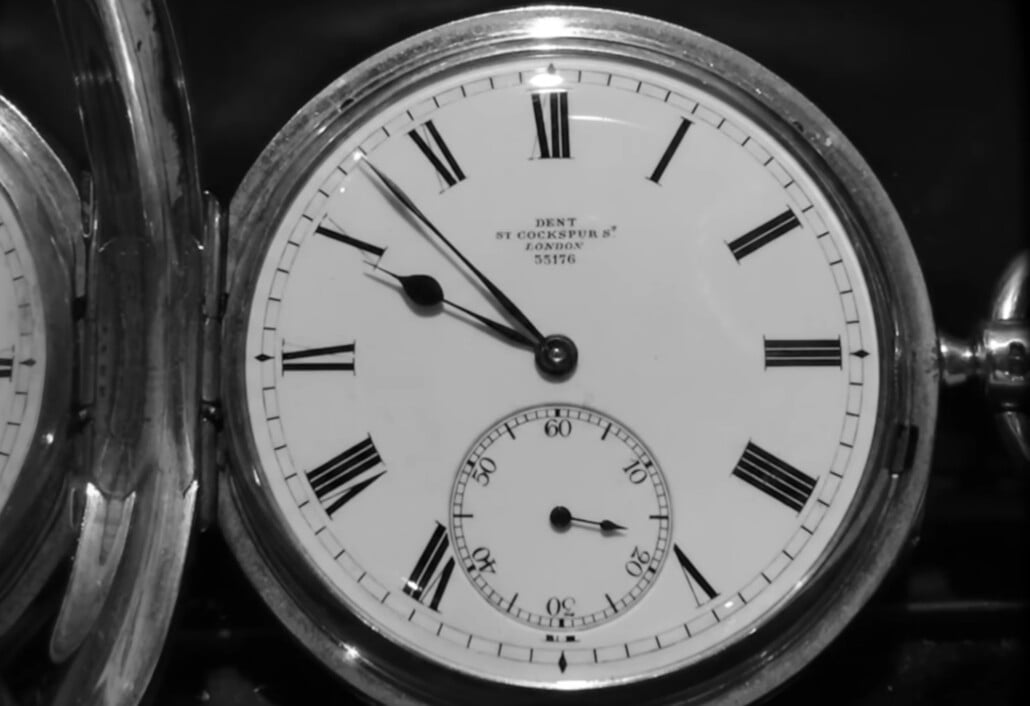
In an era when the wristwatch was rapidly becoming the standard for most, especially military men who valued its practicality in the field, Winston Churchill remained steadfastly loyal to the pocket watch. His chosen timepiece was a Breguet reference number 765, affectionately nicknamed "the Turnip" due to its substantial and somewhat bulbous 18k gold case. This was no ordinary watch; it was equipped with a minute-repeating complication, an intricate mechanism that allowed the wearer to audibly chime the exact time, a feature of particular utility during blackouts or in dimly lit war rooms. It was, indeed, a serious instrument for a serious man, reflecting a preference for robust, finely crafted tools over ephemeral trends.
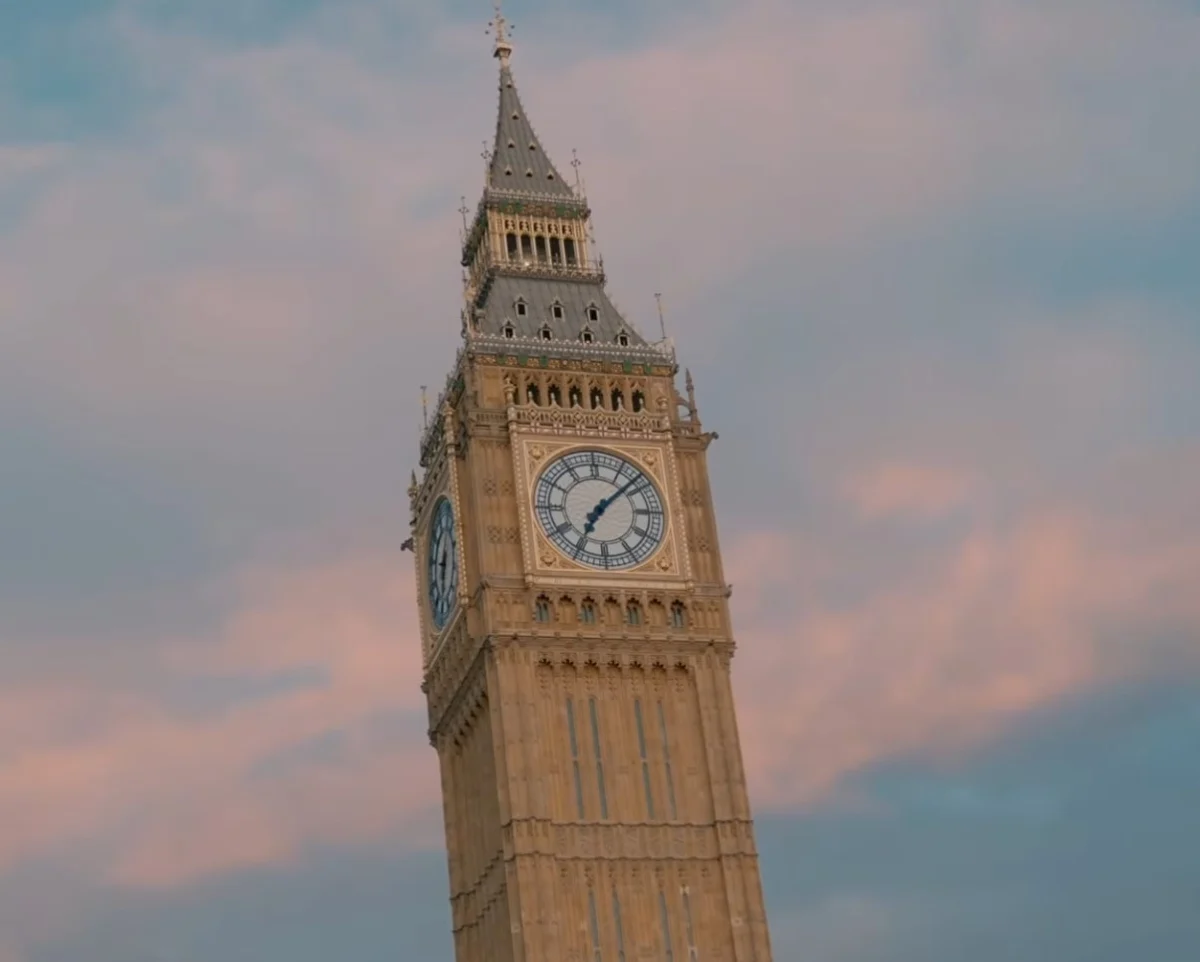
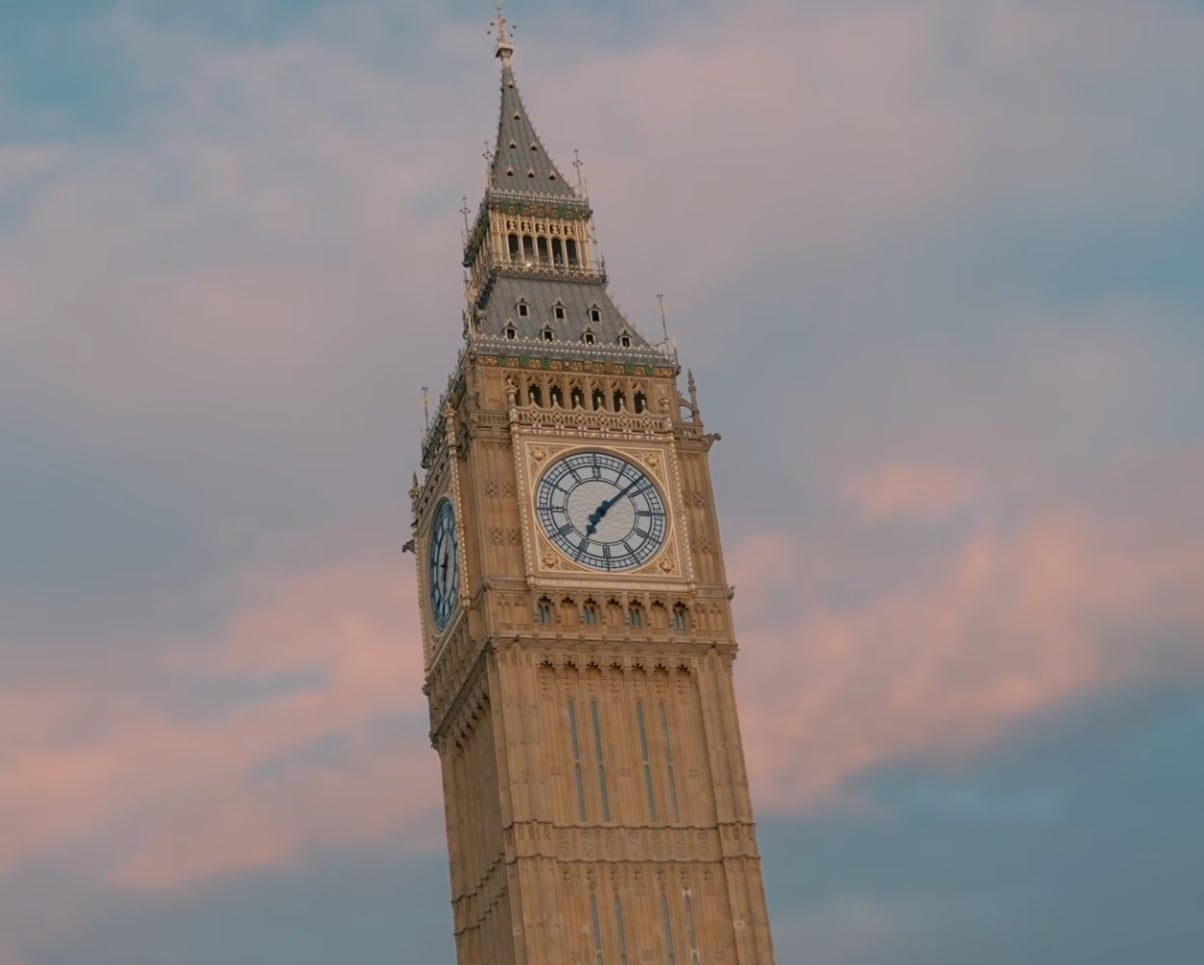
The origins of "the Turnip" further underscore its significance to Churchill. It was originally commissioned in 1890 by John Spencer-Churchill, the 7th Duke of Marlborough, from Dent, the renowned London watchmaker famous for crafting the Great Clock at Westminster, colloquially known as Big Ben. Upon inheriting this magnificent timepiece, Winston carried it with immense pride, making it a symbol of continuity and family legacy. Churchill’s steadfast preference for the pocket watch spoke volumes about his character. For a gentleman of his station in the early and mid-20th century, it was a mark of traditionalism and gravitas. A wristwatch, in contrast, could be perceived as a modern, almost frivolous gadget. The ritual of deliberately reaching into his waistcoat to consult his pocket watch perfectly aligned with Churchill’s methodical nature, transforming the act of telling time into a moment of measured contemplation. His famous quote, "Time is one thing that can never be retrieved. One may lose and regain friends. One may lose and regain money. Opportunity, once spurned, may come again, but the hours that are lost in idleness can never be brought back to be used in gainful pursuits," resonates deeply when considering his choice of a timepiece that demanded conscious engagement.
Instruments of Influence and Persona: Crafting the Public Man
Churchill understood that leadership involved not just action and rhetoric, but also the careful cultivation of a public image. Two items, in particular, became inseparable from his iconic persona, serving as potent symbols of his presence and his power to communicate.
The Cuban Signature: Romeo y Julieta Cigars – An Inseparable Icon
No accessory is more universally synonymous with Winston Churchill than his cigar, which evolved into his ultimate signature. More than a mere habit, Churchill strategically employed cigars as a tool to project his public image—that of a hard-charging leader, a man of profound contemplation, and an individual who unapologetically savored the finer things in life. The image of Churchill, cigar firmly clenched, became an enduring emblem of British resilience during World War II, a visual shorthand for defiance and unwavering resolve.
His preferred brands were exclusively Cuban, notably Romeo y Julieta, a brand that thrives to this day, and the now-defunct La Aroma de Cuba. So strong was his association with Romeo y Julieta that a specific cigar size, once marketed as the Clemenceau (after the famed French Prime Minister Georges Clemenceau), became so inextricably linked with Churchill that the company officially renamed the size after him. The "Churchill" size remains a standard within the premium cigar industry, a testament to his global influence on taste and branding. Churchill favored cigars that were long in size and mild in strength. He reportedly consumed an astounding eight to ten cigars daily. However, "consumed" is a nuanced term in his case; he didn’t always smoke them fully. Often, he would light one only to be pulled away by urgent wartime demands, or he would habitually chew them down to nubs. This habit was so pronounced that his wife, Clementine, would sometimes insist he wear a bib to protect his clothing. To keep his fingers clean while writing, he devised a DIY paper wrap he humorously called a "bellybando." This intimate detail reveals a man who integrated his personal pleasures seamlessly into his demanding professional life, making the cigar not just a prop but an active participant in his daily routine and public presentation.
The Fountain Pen: The Mightier Sword of the Statesman
While celebrated as a wartime prime minister whose speeches galvanized a nation, Winston Churchill was, at his core, a prolific writer and a Nobel laureate in Literature (1953). He profoundly understood that the pen could indeed be mightier than the sword, and for such a critical instrument, he tolerated no compromise. His extensive output included numerous books, historical works, and countless memos and dispatches that shaped wartime strategy and post-war policy.
Churchill believed the quality of the tool was as vital as the thought it conveyed. Unsurprisingly, he favored British-made pens from storied manufacturers known for their craftsmanship and durability. In his younger years, he often used pens from Mabie Todd, particularly their popular "Swan" model. Later, his preference shifted to Onoto and Conway Stewart. These fountain pens, typically fitted with exquisite gold nibs, were not disposable items but precise, weighted tools designed to offer a significant feel in the hand, facilitating hours of continuous writing. The Onoto plunger-filler, in particular, was a favorite due to its large ink capacity, allowing him to compose lengthy manuscripts and speeches without the interruption of frequent refills—a crucial advantage for a man whose thoughts flowed as rapidly as ink from his pen. His reliance on these finely engineered instruments underscores his respect for the written word and his dedication to clarity and impact in all his communications, whether private correspondence or monumental speeches.
The Silhouette of Authority and Strategic Style: Visual Projections
Churchill’s wardrobe was never an afterthought; it was an extension of his authority and a crucial element in his public persona. His choice of headwear and neckwear, in particular, became emblematic of his distinctive, unwavering presence.
The Homburg Hat: Dignity Without Pomp
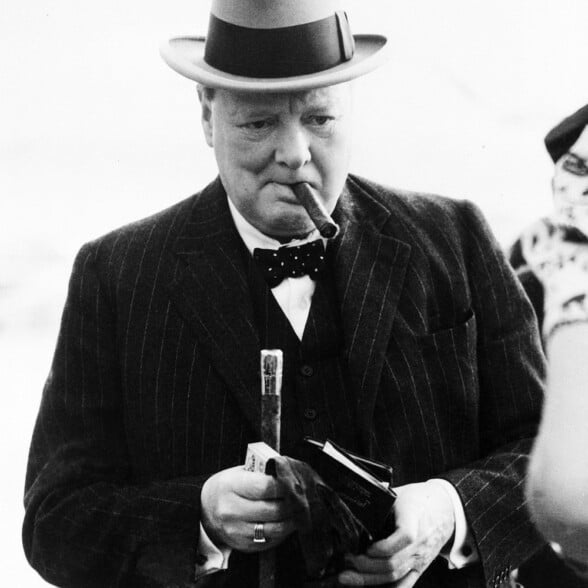
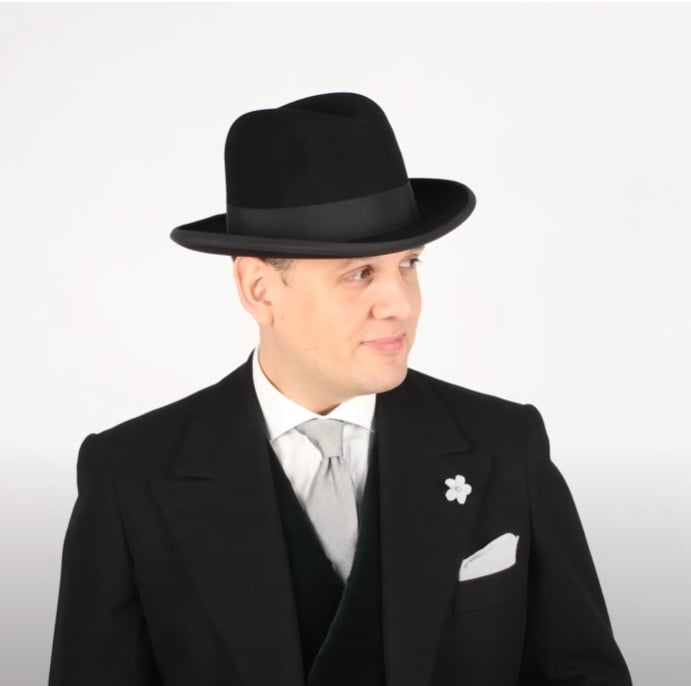
While many American gentlemen during Churchill’s era might have opted for the more pliable fedora, and formal occasions still dictated the stately top hat, Churchill maintained a distinct preference for the Homburg. This hat style, characterized by its rigid, rolled brim and a single lengthwise crease in the crown, originated in the German town of Bad Homburg, near Frankfurt. Its journey to global prominence was significantly influenced by two prominent British figures: first, Edward VII, who adopted the style after vacationing in Bad Homburg in the 1880s-90s, and subsequently, Churchill himself.
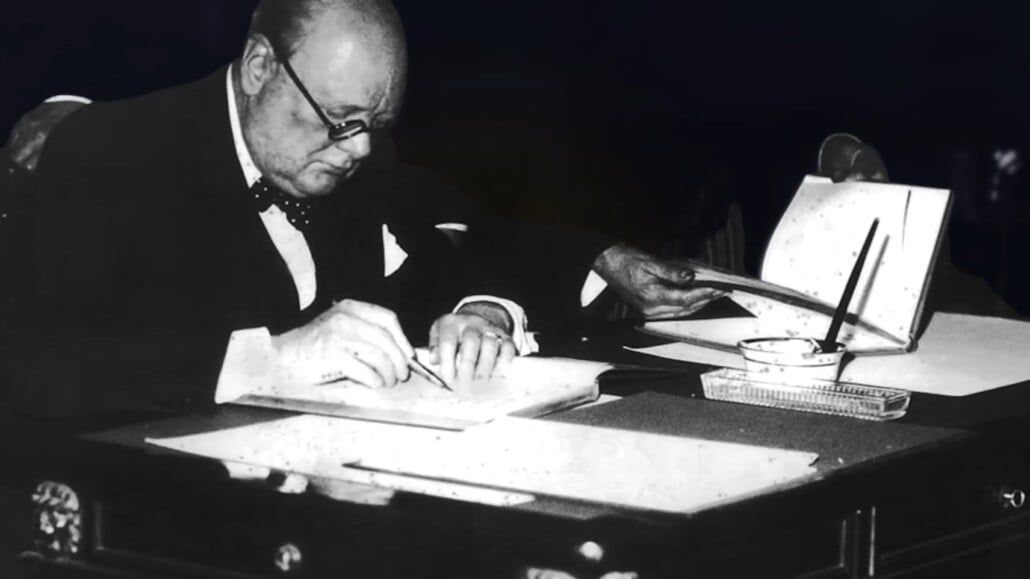
Churchill’s near-constant wearing of the Homburg elevated it from a fashionable accessory to a global symbol of British statesmanship. His choice was a deliberate one, reflecting a keen awareness of how each element of his attire contributed to his overall silhouette and projected image. Unlike the fedora, with its pinched front and more casual, adaptable feel, the Homburg was stiff, structured, and inherently authoritative. It resisted slouching or losing its shape, demanding respect the moment it was seen. It struck a perfect balance, conveying seriousness and dignity without the overt pomp and ceremony of a top hat, making it ideal for the gravitas of wartime leadership and international diplomacy.
The Navy Spotted Bow Tie: A Consistent Mark of Individuality
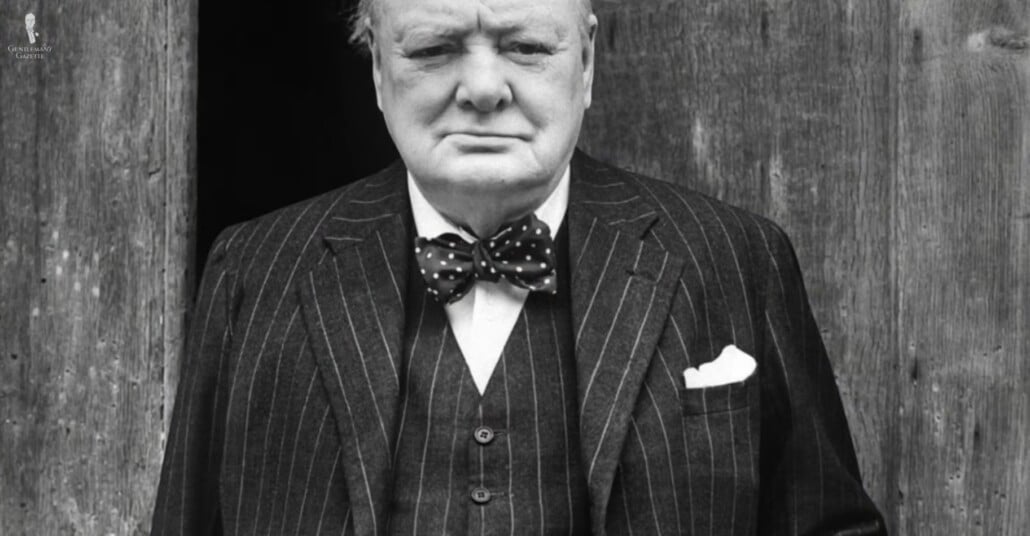
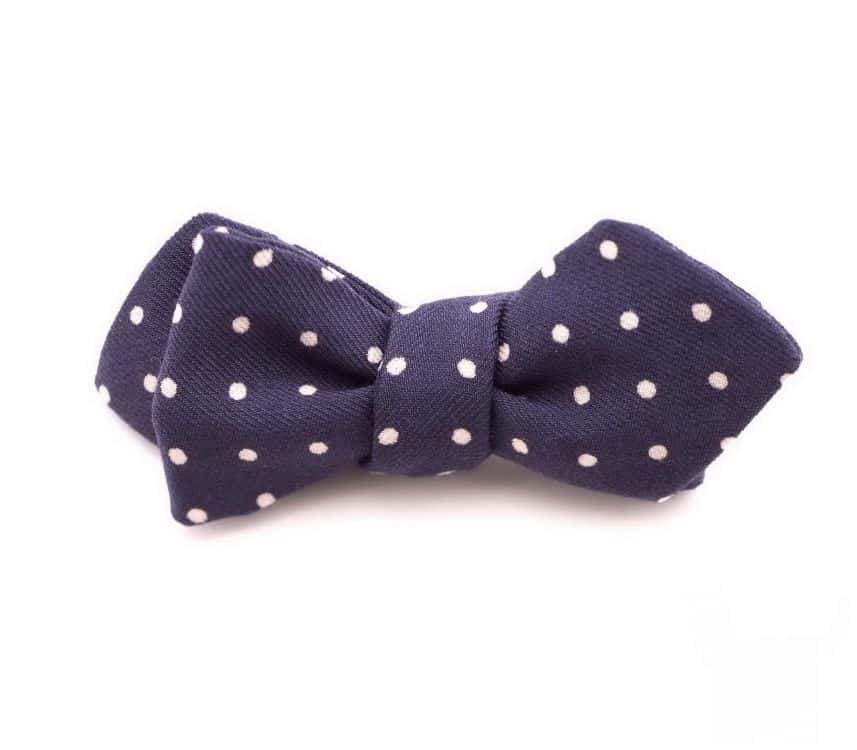
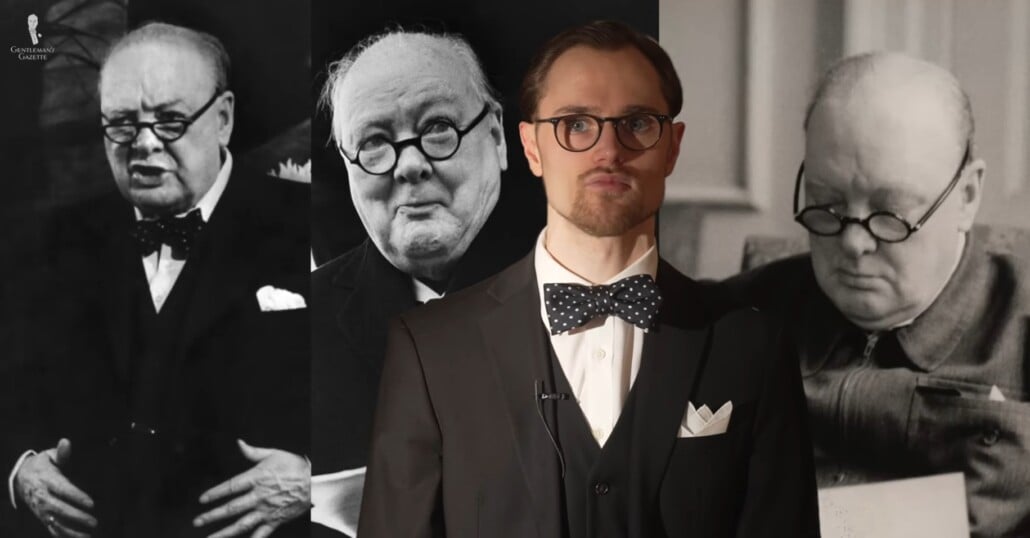
No sartorial accessory is as uniquely associated with Winston Churchill as his spotted bow tie. It was almost invariably the same pattern: a navy blue ground adorned with white polka dots. This was a conscious and strategic choice on his part. Whether standing in Parliament, being photographed by flashbulbs for newspaper spreads, or captured on film for newsreels, the sharp color contrast and memorable pattern ensured he was instantly identifiable to the public.
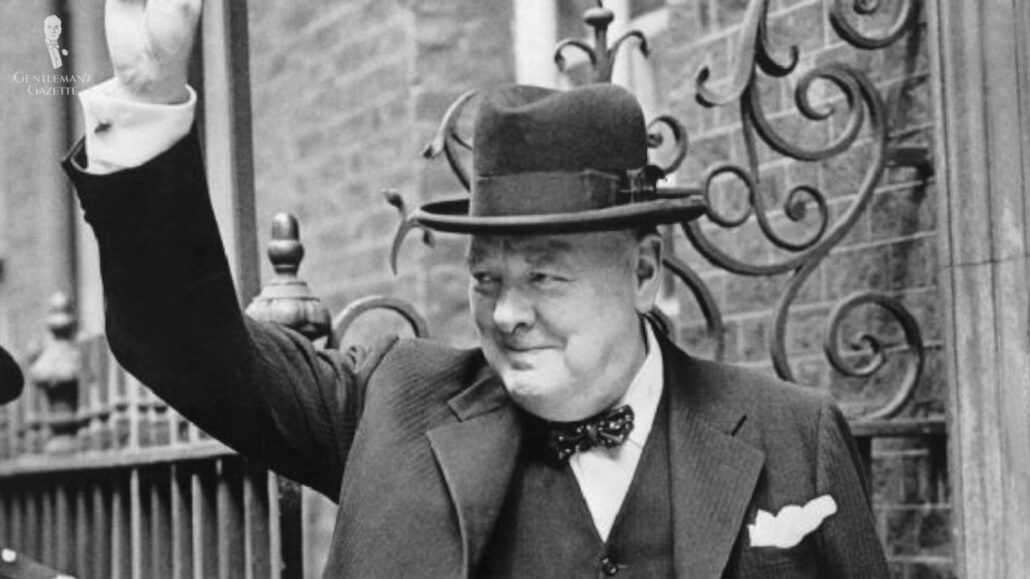
In a sea of somber suits and plain ties worn by his contemporaries, Churchill’s bow tie acted as a distinct point of focus, a flourish of personality that boldly declared his presence. It was a subtle yet powerful branding element, signaling individuality and unwavering confidence. So iconic did this particular pattern become that haberdashers of the time would occasionally market it as the "Blenheim," a direct and enduring nod to his ancestral estate and, by extension, to Churchill himself. This consistent stylistic choice became a powerful, non-verbal affirmation of his unique identity and his commanding position on the world stage.
Private Quarters and Personal Comforts: The Man Behind Closed Doors
Even a figure of Churchill’s public stature needed moments of respite and comfort, reflected in the personal items he used within the confines of his private life, though sometimes these items blurred the lines into his public appearances.
Specialized Tortoiseshell Spectacles: Meticulous Vision
Churchill suffered from poor eyesight, a condition that progressively worsened with age, making eyeglasses an absolute necessity. However, true to his meticulous nature, he did not settle for a single pair to serve all purposes. He commissioned specific tortoiseshell frames, primarily from the distinguished firm of C.W. Dixey & Son, to suit his various daily tasks. This bespoke approach extended to the lenses themselves, which were crafted with differing focal lengths between the various pairs.
To facilitate quick identification and efficient use, he had a unique system: the temple tips of his glasses were decorated with either one dot (denoting reading glasses) or two dots (for speechwriting). Other specialized pairs were designated for activities like sketching, painting, or playing cards. While fundamentally functional tools, these frames maintained a dignified, old-world style that perfectly complemented his face. Churchill treated his eyewear with the same level of consideration as any other element of his dress, understanding that even his spectacles were a frequent and visible component of his appearance, reflecting his attention to detail and his insistence on precision in all aspects of his life.
Monogrammed Albert Slippers: The Comfort of Home
After long, arduous days managing global crises and navigating the complexities of wartime politics, Churchill would often retreat to his beloved country home, Chartwell, in Kent. Here, he would shed the formal trappings of his public life and change into comfortable house shoes, his preferred choice being Albert slippers. This style of house shoe, traditionally crafted with black velvet uppers and a stiffer leather sole than other slipper styles, originated in the mid-19th century and is named in honor of Prince Albert, husband and consort of Queen Victoria, who played a significant role in popularizing them. They can feature the same grosgrain silk ribbon as the closely related opera pump, but more often, the vamp is either plain or adorned with embroidery.
Churchill’s first known pair was a thoughtful gift from his friend, Lady Diana Cooper, in black velvet with his monogram embroidered in gold. He grew to appreciate the style so much that he commissioned subsequent pairs, typically in rich deep blue or maroon velvet, and embroidered with his initials in either gold or white. These personalized details underscored his appreciation for quality and comfort, even in his moments of relaxation. Intriguingly, photographs from the era show that Churchill not only wore his Albert slippers at home but occasionally ventured out in public while wearing them, a testament to his unique blend of formality and personal eccentricity, demonstrating that even a Prime Minister could prioritize comfort, albeit with a touch of personalized flair.
Legacy in the Details: What Churchill’s EDC Reveals
Winston Churchill’s everyday carry items were far more than simple possessions; they were extensions of his identity, tools of his trade, and deliberate elements of his public and private personas. His signet ring and pocket watch anchored him to a profound sense of heritage and a meticulous approach to time, reflecting a traditionalist at heart. His cigars and fountain pens were instruments of communication and influence, carefully chosen to project power and facilitate his prodigious output, both written and spoken. The Homburg hat and spotted bow tie were strategic sartorial choices, crafting a distinctive visual identity that was instantly recognizable and commanding. Finally, his specialized spectacles and monogrammed Albert slippers revealed a man of fastidious attention to detail, balancing the rigors of public life with a deep appreciation for personal comfort and function.
In examining these objects, we gain a richer understanding of Churchill’s character: a man deeply rooted in history, precise in his methods, deliberate in his presentation, and unwavering in his self-identity. His EDC was a carefully assembled arsenal, each piece playing a role in the construction of one of the 20th century’s most formidable leaders. The quiet power of ritual, the value of quality craftsmanship, and the strategic deployment of personal style are enduring lessons gleaned from the intimate world of Winston Churchill’s everyday carry.
Further Insights into Churchill’s Personal Arsenal
What was the specific brand and model of Churchill’s pocket watch?
Churchill carried a Breguet reference number 765, which he affectionately nicknamed “the Turnip” due to its large, bulbous 18k gold case. This sophisticated timepiece featured a minute-repeating complication, allowing him to chime the exact time audibly, an invaluable feature during blackouts or in the low-light conditions of wartime. The watch was an heirloom, originally commissioned by his grandfather, the 7th Duke of Marlborough, from Dent, the celebrated London watchmaker.
Why did Winston Churchill always wear a polka-dot bow tie?
His consistent choice of a navy blue bow tie with white polka dots was a highly strategic branding move. The sharp visual contrast of the pattern made him instantly recognizable in black-and-white newspaper photographs and newsreels of the era. This distinctive flourish helped him stand out in a crowd of similarly dressed politicians. So iconic did this pattern become that haberdashers began to refer to it as the “Blenheim” print, associating it directly with Churchill and his ancestral home.
Did Churchill actually smoke every cigar he carried?
While he was famously seen with a cigar almost constantly, he didn’t always smoke them. He reportedly went through eight to ten cigars a day, but his consumption often involved chewing them into nubs or allowing them to go out while he was engrossed in work. To maintain cleanliness while writing, he devised a unique paper wrap for his cigars, which he called a “bellybando.” This practical solution allowed him to keep his hands free from tobacco stains.
What was unique about the way Churchill wore his signet ring?
Breaking from the more flamboyant Continental tradition of wearing a signet ring on the pinky finger, Churchill wore his on the ring finger of his right hand. This choice reflected a more subdued and purposeful approach. The ring, bearing the Spencer-Churchill family crest, served as a constant physical reminder of his ancestral heritage and the profound sense of duty he carried throughout his life.
What was the purpose of the “dots” on Churchill’s spectacles?
Churchill had specialized tortoiseshell frames, primarily from C.W. Dixey & Son, tailored for different tasks due to his worsening eyesight. To differentiate them quickly, he had a unique identification system: the temple tips were marked with one dot for his reading glasses and two dots for the pair he used specifically for speechwriting. Other pairs were designated for hobbies like sketching or playing cards, showcasing his meticulous organization.
What are “Albert Slippers” and did Churchill really wear them in public?
Albert slippers are elegant velvet house shoes, typically with a quilted lining and a leather sole, named after Prince Albert, who popularized them in the 19th century. Churchill’s pairs were usually made of navy or maroon velvet with his initials embroidered in gold or white. While primarily intended for comfort at home, particularly at his Chartwell estate, he was indeed occasionally photographed wearing them during public appearances, demonstrating his unique blend of personal comfort and public persona.
What kind of fountain pen did Churchill use to write his speeches?
Churchill was a strong proponent of British craftsmanship, favoring fountain pens from manufacturers like Mabie Todd (especially the “Swan” model), Onoto, and Conway Stewart. He particularly appreciated the Onoto plunger-filler for its generous ink capacity, which allowed him to write extensive manuscripts and speeches without the frequent interruptions of refilling, a critical advantage for a prolific writer and statesman.