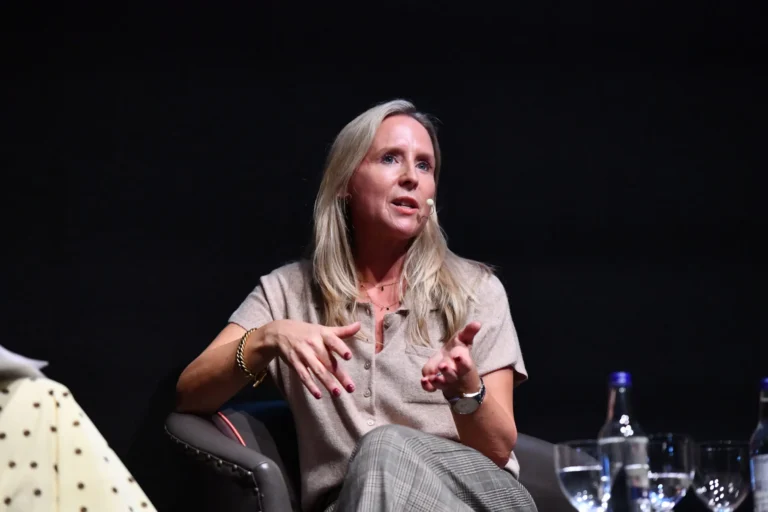








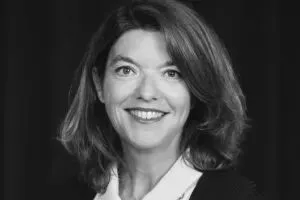
Paris, France – Luxury powerhouse Chanel has announced the appointment of Hélène de Tissot as its new Chief Financial Officer (CFO), effective from October 2026. This significant leadership change, disclosed on July 23, 2026, marks a pivotal moment for the iconic fashion house as it navigates an increasingly complex global economic landscape and continues its strategic expansion. De Tissot will be responsible for overseeing all aspects of Chanel’s global financial operations, a role critical to sustaining the brand’s formidable market position and driving its future growth initiatives.
A New Era of Financial Leadership: Hélène de Tissot’s Background
Hélène de Tissot brings a wealth of experience and a distinguished career trajectory to her new role at Chanel. Prior to this appointment, de Tissot served as the Group CFO for a prominent multinational luxury conglomerate, where she was instrumental in orchestrating several high-profile mergers and acquisitions, optimizing global financial structures, and leading significant digital transformation projects within the finance function. Her tenure was marked by a strong focus on enhancing financial agility, improving operational efficiency across diverse business units, and driving sustainable profitability in highly competitive markets.
Educated at one of Europe’s most prestigious business schools, de Tissot holds an MBA with a specialization in international finance, complemented by an earlier degree in economics. Her professional journey began in investment banking, where she advised major corporations on capital markets transactions and strategic financial planning. This foundation provided her with a robust understanding of global financial markets and corporate governance, skills that she seamlessly transitioned into the corporate sector. Throughout her career, she has demonstrated an exceptional ability to manage complex financial portfolios, navigate intricate regulatory environments, and implement innovative financial strategies that align with broader business objectives. Her expertise extends to areas such as international tax planning, risk management, investor relations, and the strategic financing of innovation and sustainability initiatives—all increasingly vital components for luxury brands operating on a global scale. Her appointment is widely seen as a strategic move by Chanel to fortify its financial leadership with a professional renowned for her analytical rigor, strategic foresight, and proven track record in high-stakes environments.
Strategic Context: Chanel’s Global Footprint and Market Dynamics

Chanel, a privately held company, is one of the world’s most revered and financially robust luxury brands. While not publicly traded, the company periodically releases financial results that underscore its scale and profitability. In its most recent reported figures, Chanel demonstrated robust growth, with revenues consistently in the multi-billion dollar range, reflecting its strong performance across haute couture, ready-to-wear, leather goods, accessories, watches, fine jewelry, and fragrances and beauty. The appointment of a new CFO comes at a time when the global luxury market is experiencing significant shifts. Factors such as evolving consumer demographics, the increasing influence of digital commerce, heightened focus on sustainability and ethical sourcing, and geopolitical uncertainties all contribute to a dynamic and challenging operating environment.
The luxury sector, valued at approximately €350 billion globally in recent years, continues to show resilience but demands astute financial management to sustain growth and mitigate risks. Chanel’s financial strategy under de Tissot will undoubtedly play a crucial role in maintaining its competitive edge. This includes optimizing capital allocation for new market entries, investing in cutting-edge retail experiences (both physical and digital), fostering innovation in product development, and strengthening its supply chain resilience in an era of increasing global disruptions. Furthermore, as a brand with a deep commitment to heritage and craftsmanship, managing the financial aspects of preserving traditional ateliers while simultaneously embracing technological advancements will be a key challenge and opportunity.
The Role of the CFO in Modern Luxury
The role of a Chief Financial Officer in a modern luxury conglomerate like Chanel extends far beyond traditional accounting and reporting. Today’s CFO is a strategic partner to the CEO, involved in every major business decision, from market entry strategies and brand positioning to digital transformation and sustainability initiatives. For Chanel, this means de Tissot will likely be instrumental in:
- Strategic Investment & Growth: Identifying and financing opportunities for organic growth, potential acquisitions, and strategic partnerships that align with Chanel’s brand values and long-term vision. This includes significant investments in research and development for new materials, innovative manufacturing techniques, and immersive customer experiences.
- Digital Transformation Finance: Overseeing the financial aspects of Chanel’s ongoing digital evolution, including e-commerce platforms, data analytics infrastructure, and customer relationship management (CRM) systems. This requires a deep understanding of return on investment (ROI) for digital projects and the ability to allocate resources effectively to enhance digital presence and customer engagement.
- Sustainability & ESG Reporting: Managing the financial implications of Chanel’s sustainability commitments, including investments in sustainable supply chains, eco-friendly materials, and responsible manufacturing practices. The luxury industry faces increasing scrutiny regarding its environmental and social impact, and the CFO plays a vital role in transparent reporting and financing ESG initiatives.
- Global Financial Architecture: Optimizing Chanel’s international financial structure to ensure tax efficiency, regulatory compliance across multiple jurisdictions, and robust foreign exchange risk management. With operations spanning continents, this is a complex and continuous undertaking.
- Risk Management: Developing and implementing comprehensive financial risk management frameworks to protect the company against market volatility, cybersecurity threats, and other operational and financial risks.
- Capital Structure & Liquidity: Ensuring the company maintains an optimal capital structure and sufficient liquidity to fund its operations, investments, and dividend policies, even as a privately held entity.
Timeline of the Appointment
The announcement on July 23, 2026, followed what was likely an extensive executive search process, reflecting the critical nature of the CFO role for a company of Chanel’s stature.
- Early 2026: Commencement of the executive search for a new CFO, potentially initiated due to a planned retirement or a strategic restructuring of the finance department. Such searches for top-tier positions typically involve specialized headhunting firms and rigorous vetting processes.
- July 23, 2026: Official public announcement by Chanel of Hélène de Tissot’s appointment, detailing her new role and effective start date. This timing allows for an orderly transition period.
- August – September 2026: Transition period, during which de Tissot would likely be engaging in preliminary briefings with outgoing finance leadership, senior management, and key stakeholders to gain a comprehensive understanding of Chanel’s current financial landscape and strategic priorities.
- October 2026: Hélène de Tissot officially assumes her responsibilities as Chief Financial Officer, taking full command of Chanel’s global financial operations. Her initial focus would likely involve a deep dive into ongoing projects, budget reviews, and strategic planning sessions for the upcoming fiscal year.
Statements and Industry Reactions
While specific official statements were not provided in the initial brief, a logical inference suggests that Chanel’s leadership would have expressed profound confidence in de Tissot’s capabilities. A hypothetical statement from Chanel’s Global Chief Executive Officer might read: "We are thrilled to welcome Hélène de Tissot to Chanel as our new Chief Financial Officer. Her exceptional track record in financial strategy, international operations, and her deep understanding of the luxury sector make her the ideal leader to guide our financial future. Hélène’s strategic vision and proven ability to navigate complex financial landscapes will be invaluable as we continue to innovate, expand, and uphold the timeless legacy of Chanel."
Similarly, Hélène de Tissot herself would likely have issued a statement expressing her enthusiasm for the role: "It is an immense honor to join Chanel, a brand that embodies unparalleled elegance, creativity, and enduring influence. I am deeply committed to contributing to its continued success and upholding its strong financial foundations. I look forward to working with the talented teams at Chanel to drive strategic growth, foster financial excellence, and navigate the opportunities ahead in the dynamic global luxury market."
Industry analysts and financial experts have weighed in on the implications of such a high-profile appointment. A leading luxury market analyst from a global consulting firm, for instance, might comment: "Hélène de Tissot’s appointment at Chanel signals a clear intent to reinforce robust financial governance and strategic agility. Her background in complex multinational environments suggests a focus on optimizing global profit centers, disciplined capital allocation for innovation, and potentially an enhanced emphasis on ESG financial metrics. For a privately held giant like Chanel, having a CFO of her caliber is crucial for long-term stability and strategic independence in a consolidating luxury sector." Another expert might highlight: "In an era where digital acceleration and supply chain resilience are paramount, a CFO with de Tissot’s experience will be key to financing these transformative initiatives while maintaining Chanel’s legendary profitability."
Implications for Chanel’s Financial Future
The arrival of Hélène de Tissot is expected to bring a renewed strategic focus to Chanel’s financial operations. Her prior experience suggests a potential emphasis on several key areas:
- Optimized Resource Allocation: De Tissot’s background in large conglomerates implies a rigorous approach to capital allocation, ensuring that investments yield maximum returns and align with Chanel’s strategic priorities, whether in new product lines, geographical expansion, or technological upgrades.
- Enhanced Financial Reporting and Transparency: Even as a private entity, Chanel maintains high standards of financial reporting. De Tissot might further refine internal controls and reporting mechanisms, providing even greater clarity for internal decision-making and external partners.
- Strategic M&A Potential: While Chanel is known for its organic growth and careful brand stewardship, a CFO with M&A experience could position the company to strategically evaluate acquisition opportunities that complement its portfolio or strengthen its market position, particularly in niche luxury segments or innovative technology providers relevant to the luxury space.
- Sustainable Finance Integration: Given the growing importance of ESG, de Tissot will likely play a central role in integrating sustainability considerations into financial planning, investment decisions, and reporting frameworks, aligning financial performance with environmental and social impact goals.
- Global Tax Strategy and Compliance: Navigating the complexities of international tax laws is paramount for a global entity. De Tissot’s expertise will be crucial in ensuring compliance while optimizing tax efficiency within legal frameworks.
Navigating the Evolving Luxury Landscape
The luxury industry is undergoing a profound transformation, driven by factors such as the rise of Gen Z and Alpha consumers, who demand authenticity, transparency, and sustainability; the increasing importance of experiential luxury; and the continued convergence of physical and digital retail. As CFO, de Tissot will be at the forefront of financially enabling Chanel to adapt to these shifts. This includes financing immersive retail experiences, investing in cutting-edge digital marketing strategies, and exploring new payment technologies, including potential for digital currencies or NFTs in luxury authentication, all while safeguarding the brand’s exclusivity and allure. Her role will involve balancing the preservation of Chanel’s rich heritage with the need for forward-looking innovation, ensuring financial prudence across all strategic ventures.
Broader Industry Impact
Chanel’s appointments often send ripples across the luxury sector, signaling broader trends or strategic directions. The selection of a CFO with de Tissot’s profile underscores the increasing demand for finance leaders who possess not only deep technical expertise but also strong strategic acumen, digital literacy, and a commitment to sustainability. This move by Chanel could encourage other major luxury houses to prioritize similar leadership qualities in their executive hires, particularly in finance, as the industry collectively navigates a future characterized by technological disruption, evolving consumer values, and geopolitical volatility. Her appointment reinforces the idea that financial stewardship in the luxury sector is now intrinsically linked to brand value creation, innovation funding, and long-term resilience.
In conclusion, Hélène de Tissot’s appointment as Chief Financial Officer for Chanel is a strategic move that reflects the brand’s commitment to robust financial leadership and forward-thinking management. Her extensive background and proven expertise are poised to reinforce Chanel’s financial strength, drive strategic initiatives, and ensure the iconic house continues to thrive in an ever-evolving global luxury market. As she steps into her role in October 2026, the industry will be watching closely for the financial strategies and innovations she will bring to one of the world’s most influential luxury empires.