







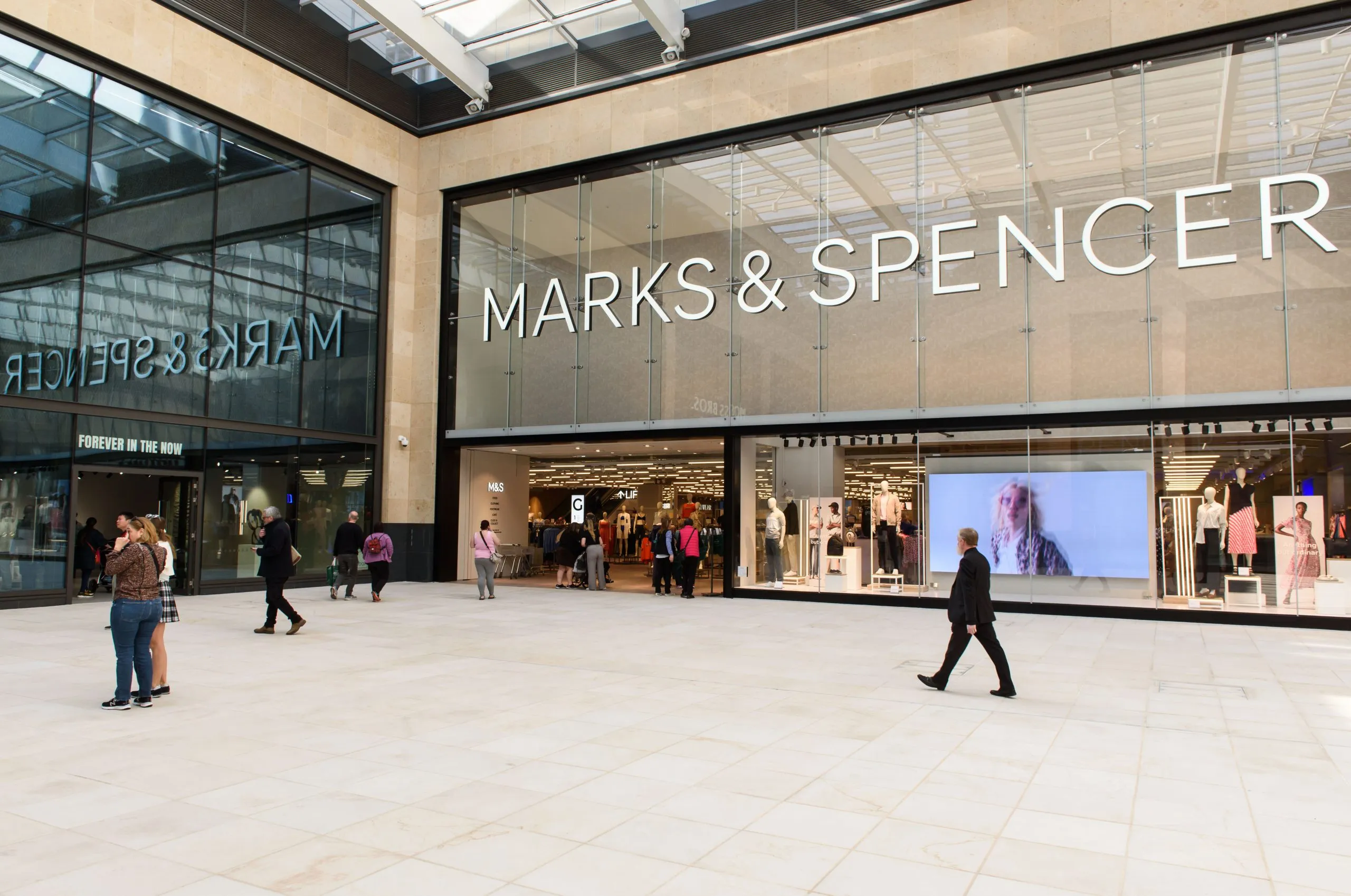
In a significant move that signals a seismic shift in the British high street landscape, Marks & Spencer (M&S) and global beauty powerhouse Sephora have announced a wide-ranging strategic partnership. The collaboration, unveiled on 29 September, will see the creation of "Sephora at M&S," a dedicated beauty retail concept that will be integrated into 100 M&S stores and the retailer’s digital platform starting in the spring of 2027. This alliance merges the reach and domestic authority of M&S with the prestige, trend-driven inventory, and retail innovation for which the LVMH-owned Sephora is internationally recognized.
The Strategic Rationale for the Partnership
For Marks & Spencer, this collaboration represents the latest phase in its long-term "MS2" transformation strategy. Under the leadership of CEO Stuart Machin, the retailer has been aggressively modernizing its core business segments—fashion, home, and beauty—to shed its traditional image and appeal to a younger, more trend-conscious demographic. Beauty has been identified as a high-growth pillar in this strategy, acting as a "gateway" category that drives footfall and increases the frequency of customer visits.
By inviting Sephora into its physical and digital ecosystem, M&S is essentially outsourcing a portion of its beauty curation to an industry leader. Sephora brings with it a global reputation for "prestige" beauty, characterized by high-end skincare, professional makeup, and an immersive, experiential approach to shopping that M&S has struggled to replicate independently. The partnership allows M&S to benefit from Sephora’s extensive brand relationships and technical expertise in beauty retailing without having to build these capabilities from the ground up.
Conversely, for Sephora, the deal is a masterstroke of market penetration. Since re-entering the UK market, the brand has focused on strategic, localized growth. Partnering with M&S—a brand with unparalleled penetration in British households and a presence in almost every major town and city—allows Sephora to rapidly scale its footprint. It effectively places Sephora products in the shopping baskets of consumers who might not typically visit a dedicated Sephora store, thereby bridging the gap between niche prestige beauty and mass-market convenience.
Chronology of the Transformation
The journey toward this partnership began several years ago as M&S sought to pivot away from a struggling clothing model toward a more holistic lifestyle offering.
- 2021–2022: M&S began revamping its internal beauty strategy, increasing the presence of third-party brands on its website to supplement its own-label ranges, such as Apothecary and Formula.
- 2022–2023: Sephora formally relaunched in the UK, signaling a long-term commitment to the British market by opening flagship locations and launching a dedicated UK e-commerce site.
- 2024: Industry analysts observed a cooling of general retail spend, prompting major retailers to seek "destination" partnerships that offer consumers reasons to return to physical stores.
- 29 September 2025: The official announcement of the "Sephora at M&S" partnership is made, with a launch timeline set for spring 2027.
The two-year lead time before the official rollout suggests a complex integration process. The transition will require significant logistical adjustments, including the retrofitting of 100 M&S stores to accommodate the "Sephora at M&S" shop-in-shop concept, the training of staff in beauty-specific sales techniques, and the alignment of digital supply chains to ensure seamless click-and-collect services.
Market Context and Industry Implications
The UK beauty market is highly competitive and is currently undergoing a period of fragmentation. Retailers like Boots, Superdrug, and Space NK have long dominated the sector, each holding distinct positions in the market. The arrival of Sephora in 2022 disrupted this balance, and this new alliance with M&S further complicates the competitive landscape.

Data from the UK retail sector indicates that consumers are increasingly seeking "omnichannel" experiences. According to recent retail intelligence reports, beauty sales are one of the few sectors showing resilience in the face of inflation, with consumers prioritizing "small luxuries" like high-end cosmetics even when cutting back on major fashion purchases. By combining M&S’s established food and clothing customer base with Sephora’s "prestige" branding, the partnership is positioned to capture a larger share of the "lipstick effect"—a phenomenon where consumers continue to purchase beauty products during economic downturns.
Furthermore, the integration of specialist beauty teams from Sephora into M&S stores addresses the "human element" of retail. In an era where digital sales are paramount, the ability to provide expert, personalized advice in-store remains a distinct competitive advantage that online-only retailers cannot match.
Official Responses and Future Outlook
The leadership teams from both organizations have emphasized the complementary nature of the deal. John Lyttle, Managing Director of Fashion, Home, and Beauty at M&S, noted that the partnership is designed to foster a more efficient and profitable business model. "Beauty is an important category for M&S," Lyttle stated, emphasizing that the deal aims to both attract new shoppers and deepen the loyalty of the existing customer base. He also clarified that M&S remains committed to its own-label beauty products, which will continue to sit alongside the Sephora-curated offer.
Sarah Boyd, Managing Director for Sephora UK, highlighted the cultural alignment between the two brands. "Partnering with M&S, a brand so trusted, loved, and deeply ingrained in British life, is not just a great honor and privilege, but also an extremely exciting next step in our expansion journey," Boyd remarked. Her comments reflect a strategy of "localization"—a hallmark of Sephora’s expansion in other international markets—where the brand adapts its presence to fit the specific shopping habits and cultural expectations of the host country.
Impact on Product Assortment and Digital Strategy
While the specific brands to be included in the "Sephora at M&S" launch are currently under wraps, industry observers anticipate an inclusion of the "curated mix of established favorites" that has become synonymous with the Sephora name. Brands currently within the Sephora ecosystem—such as Armani, Chanel, Charlotte Tilbury, Drunk Elephant, Elemis, Fenty, Huda Beauty, and Sol de Janeiro—are prime candidates for the shop-in-shop experience.
The digital strategy is equally ambitious. By leveraging M&S’s growing digital platform, Sephora will be able to tap into the retailer’s massive Sparks loyalty program, which boasts millions of members. This integration will likely provide both companies with unprecedented data insights into customer purchasing habits, allowing for more targeted marketing and personalized product recommendations.
Conclusion: A New Era for the High Street
The "Sephora at M&S" partnership is more than just a retail collaboration; it is a defensive and offensive move designed to redefine the high street experience. For M&S, it provides a much-needed injection of "cool" and prestige, helping to revitalize its store environments. For Sephora, it offers an accelerated route to national presence that would have taken decades to achieve through standalone store openings alone.
As the retail industry continues to navigate the challenges of the post-pandemic era, the success of this partnership will likely be measured by the ability of both firms to maintain their distinct brand identities while achieving a unified shopping experience. If successful, the model could serve as a blueprint for future retail collaborations, proving that even the most traditional heritage brands can thrive by embracing innovation and strategic synergy. The countdown to spring 2027 begins now, with the retail sector watching closely to see if this "winning formula" can indeed reshape the future of British beauty.