









John Lewis is undertaking a strategic pivot to transform its department store estate into multifaceted lifestyle hubs, marking a significant evolution in its retail model. As consumer habits shift decisively toward omnichannel experiences, the historic British retailer is increasingly integrating "expert services" and curated third-party concessions into its physical locations. This strategy, aimed at reinforcing the brand’s reputation for quality and service, seeks to solve a fundamental industry dilemma: how to justify the physical footprint of a department store in an era dominated by digital convenience.
The Strategic Shift Toward Experiential Retail
The recent expansion of specialist concessions, such as the Tish Lyon piercing and jewelry service, represents more than a simple addition of retail space; it is a calculated effort to drive foot traffic by offering experiences that cannot be replicated online. By transitioning from a traditional product-led department store to a service-led destination, John Lewis is attempting to recapture the "third place" social role that department stores historically occupied in British city centers.
This transformation is rooted in the "Partnership Plan," the strategic roadmap initiated by the John Lewis Partnership (JLP) to ensure long-term commercial viability. The move to incorporate niche service providers—ranging from beauty consultants and interior design experts to wellness and piercing specialists—is designed to increase "dwell time" within the stores. Data suggests that the longer a consumer remains in a physical space, the higher the probability of secondary, unplanned purchases, thereby boosting overall basket size.
Chronology of Transformation
The shift toward this new retail model has been incremental, reflecting the broader volatility of the UK high street over the past five years.
- 2021-2022: Facing significant headwinds from the pandemic and supply chain disruptions, John Lewis initiated a series of store closures to optimize its portfolio. This period saw the permanent shuttering of several underperforming legacy sites, forcing a focus on the most profitable high-footfall locations.
- 2023: The company began testing "Shop-in-Shop" concepts, partnering with external brands to provide specialized services that complement the existing John Lewis assortment. These pilots demonstrated higher conversion rates in departments where personal interaction occurred.
- 2024: John Lewis launched a renewed focus on its "Quality and Value" promise, investing heavily in store aesthetics and the training of its "Partners" (employees) to act as consultants rather than mere clerks.
- 2025-2026: The current phase represents the scaling of these successes. By late 2026, the strategy has moved from pilot programs to full-scale rollouts of dedicated expert service hubs, including the aforementioned expansion of Tish Lyon concessions across key flagship stores like Liverpool and London.
Market Context and Supporting Data
The retail landscape in which John Lewis operates is undergoing a period of intense fragmentation. According to recent reports from the Office for National Statistics (ONS), while online retail spending remains high, the growth rate has plateaued, leading to a resurgence in the "physical experience" premium.
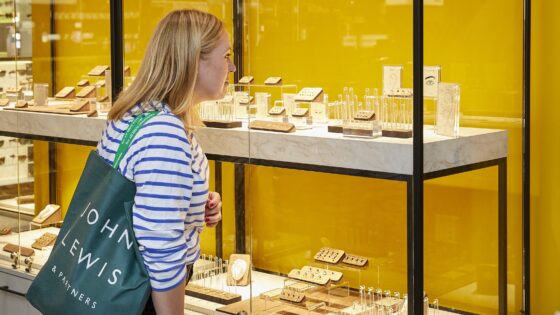
Market research indicates that department stores that successfully pivoted to experiential models—incorporating wellness, dining, and personalized services—saw an average footfall increase of 12% compared to those maintaining a purely inventory-based model. For John Lewis, this is critical. With its core customer base skewing toward demographics that value tactile interaction and professional advice, the expansion into beauty and jewelry services directly addresses the demand for high-touch customer service.
Furthermore, the "Expert Services" model serves as a defensive moat against pure-play e-commerce retailers. While digital marketplaces excel in pricing and logistics, they struggle to provide the physical safety and professional expertise required for services like ear piercing or bespoke interior design consultations. By owning the physical interaction, John Lewis creates a brand loyalty loop that digital-only competitors find difficult to disrupt.
Corporate Strategy and Official Outlook
While John Lewis does not typically comment on individual contract negotiations, its broader corporate communications have consistently signaled a commitment to this "service-led" direction. Executive leadership has previously highlighted that the future of the Partnership lies in its unique ability to combine product authority with a "human-first" approach.
"The goal is to move from being a store where people buy things to a store where people solve problems and discover new experiences," a senior industry analyst familiar with the retail sector noted. By leasing out space to high-end concession partners, John Lewis also benefits from diversified revenue streams. These concessions pay rent and a percentage of sales, providing a more stable income profile than traditional inventory management, which carries higher risks of markdowns and stagnant stock.
Broader Economic and Sector Implications
The decision by John Lewis to lean into experiential retail carries significant implications for the UK retail sector. Firstly, it signals the final death knell for the "one-stop-shop" department store of the 20th century. Retailers that refuse to integrate lifestyle services are finding it increasingly difficult to compete with the logistical efficiency of online retailers.
Secondly, this move validates the importance of "placemaking" in urban planning. As major city centers look to revitalize post-pandemic, local governments are increasingly supportive of retailers that act as community anchors. The integration of these services transforms a John Lewis store from a static building into a hub that invites community participation.
However, the strategy is not without its risks. The success of an experiential model is heavily dependent on the quality of the external partners. Should the service provided by a concessionaire fall below the established John Lewis standard, the brand equity of the host retailer could be negatively impacted. Managing a diverse range of third-party vendors requires a high level of operational oversight, which may increase overhead costs in the short to medium term.
Challenges and Future Outlook
Looking toward the remainder of the decade, John Lewis must navigate the balance between its traditional brand identity and the need for modern, dynamic retail offerings. The challenge lies in ensuring that the store environment remains cohesive. An excessive reliance on third-party concessions could lead to a fragmented shopping experience if the branding of the concessions clashes with the store’s overarching aesthetic.
Furthermore, the economic environment remains sensitive. With inflationary pressures influencing consumer spending, the retailer must ensure that these new services remain accessible while maintaining a premium feel. The expansion of high-end services like Tish Lyon is a calculated bet that the "lipstick effect"—where consumers continue to spend on small, affordable luxuries even during economic downturns—will provide a buffer against broader market volatility.
In conclusion, the evolution of John Lewis into a destination for expert services represents a necessary adaptation in a rapidly changing retail ecosystem. By doubling down on the human element of the shopping experience, the retailer is attempting to solidify its position as an essential element of the British retail landscape. Whether this transformation will translate into long-term profitability remains to be seen, but the strategic direction is clear: in the digital age, the most valuable commodity a retailer can offer is a high-quality, in-person experience that cannot be downloaded. As John Lewis continues to refine its store configurations throughout 2026 and beyond, the industry will be watching closely to see if this pivot provides the template for the survival of the department store model.