








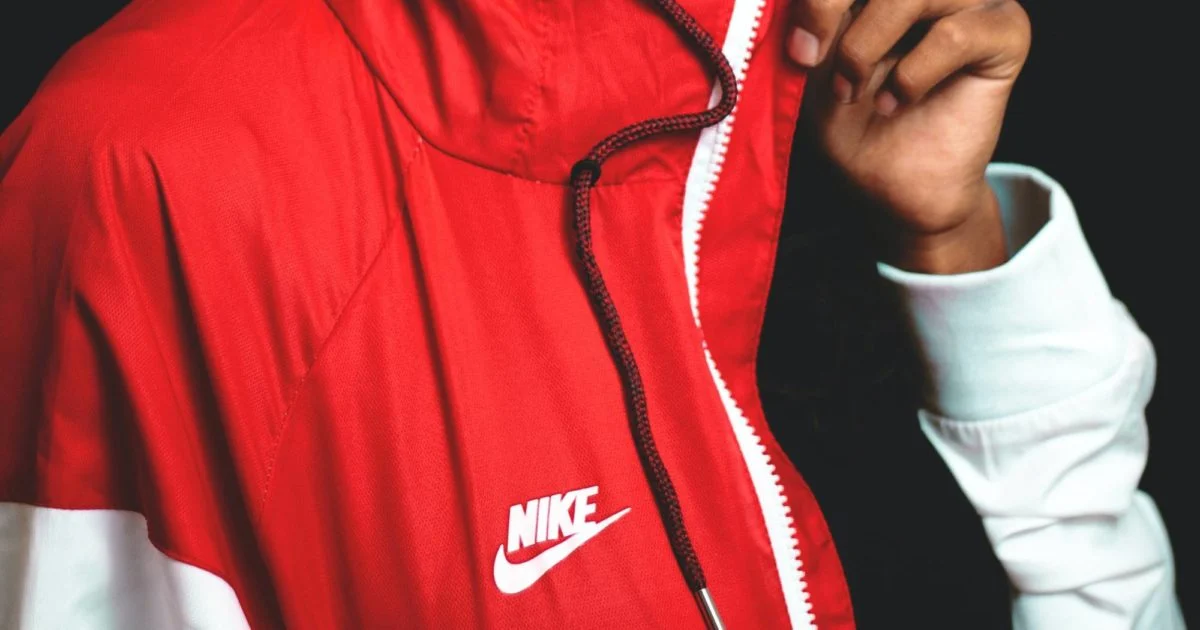
Nike stands as one of the world’s biggest sportswear brands, a ubiquitous presence in global culture and a frequently searched entity within the Good On You directory. However, a recent assessment, published in January 2026 and reflecting data current at that time, assigns the brand an overall "It’s a Start" rating, indicating significant room for improvement across its ethical and sustainability metrics. This comprehensive analysis delves into the intricate details behind Nike’s current standing, examining its historical labor challenges, environmental footprint, and animal welfare policies, providing crucial context for consumers navigating the complexities of responsible consumption.
Unpacking the "It’s a Start" Rating: A Multi-Faceted Evaluation
The "It’s a Start" designation signifies that while Nike has initiated some positive steps toward sustainability and ethical practices, these efforts often lack the scale, transparency, or comprehensive implementation expected of a global industry leader. Good On You’s rigorous ratings system evaluates brands across three core dimensions: impact on people (labor conditions), impact on the planet (environmental footprint), and impact on animals (animal welfare). Nike’s performance varies across these categories, revealing a complex narrative that contrasts its powerful brand image with its operational realities. This re-rating by Good On You analysts highlights ongoing concerns, particularly in labor conditions, where the brand’s rating has notably declined.
The Enduring Shadow of Labor Practices: A Historical and Contemporary Perspective
Nike’s journey through the landscape of global manufacturing has been consistently marked by scrutiny over its labor practices, a challenge that predates its modern sustainability initiatives. Allegations of "sweatshops" have plagued the brand since the 1970s, evolving into a widely recognized issue that even merits its own dedicated Wikipedia entry.
The early 1990s represented a critical juncture. In 1992, activist Jeffrey Ballinger published a seminal report and an article in Harper’s Magazine, meticulously detailing alarmingly low wages and substandard working conditions within Nike’s Indonesian factories. This exposé ignited widespread public outrage and catalyzed a sustained, impactful campaign led by organizations such as United Students Against Sweatshops (USAS). These student-led movements, often through protests and boycotts on university campuses, pressured Nike to acknowledge and address the burgeoning ethical crisis surrounding its supply chain.
Nike’s initial response to these allegations was perceived as slow and insufficient, a pattern that, regrettably, appears to recur. Under relentless public and activist pressure, the company eventually implemented some reforms. These included bolstering monitoring efforts, establishing a minimum age for workers, and increasing factory audits. While these changes represented a step forward, critics often observed that Nike frequently required external compulsion to enact meaningful ethical improvements.
A recent example underscores this pattern: the compensation of approximately 3,300 workers at its Thai supplier factory, Hong Seng Knitting. These workers were reportedly coerced into taking unpaid leave during the COVID-19 pandemic. It took five arduous years of sustained pressure from a coalition of prominent organizations—including the Clean Clothes Campaign, Fair Labor Association, Worker Rights Consortium, and Partners for Dignity and Rights—before Nike committed to providing compensation. This lengthy delay highlights a persistent challenge in the brand’s responsiveness to critical labor issues.
Deterioration in Labor Conditions: A "Not Good Enough" Rating
Good On You’s most recent review downgraded Nike’s labor rating to "Not Good Enough," reflecting several concerning developments and persistent shortcomings.
One significant setback occurred in 2017, when Nike reportedly withdrew its commitment to the Worker Rights Consortium (WRC). The WRC is an independent labor rights monitoring organization that investigates working conditions in factories producing goods for colleges and universities. Nike’s disengagement effectively blocked independent labor rights experts from conducting autonomous monitoring of its supplier factories, raising serious transparency concerns. This move was widely criticized by labor rights advocates as a regressive step, undermining efforts towards independent oversight and accountability.
Furthermore, Nike has conspicuously failed to sign the International Accord for Health and Safety in the Textile and Garment Industry. This vital initiative, developed in the aftermath of the tragic Rana Plaza factory collapse in Bangladesh in 2013, which claimed over 1,000 lives, aims to establish legally binding commitments for factory safety. The Accord is recognized as a critical mechanism for preventing future disasters and ensuring safer working environments for garment workers. The absence of Nike’s signature stands in stark contrast to many of its major competitors, including Adidas, which have committed to the Accord. This omission is particularly problematic given Nike’s immense influence and capacity to drive industry-wide safety standards.
While Nike conducts audits within its supply chain, these primarily focus on the final production stage. Labor rights experts argue that this is often the least complex stage to monitor, and far more extensive work is needed to prevent exploitation at earlier, less transparent stages, extending all the way down to raw material sourcing. Without comprehensive auditing across the entire supply chain, the risk of hidden labor abuses remains substantial.
The issue of living wages continues to be a major point of contention. The 2018 "Foul Play" report, co-authored by the Clean Clothes Campaign and Collectif Ethique sur l’Etiquette, starkly illustrated the widening gap between the colossal sums Nike allocates to athlete sponsorships and marketing, and the diminishing share of the final product price paid to workers in its supply chain. The report issued a clear call for Nike to commit to paying living wages across its entire supply chain—wages sufficient to cover basic needs and provide a discretionary income.
Eight years later, Nike has not fully implemented living wages across its global operations. While it has adopted a living wage definition and methodology consistent with the Global Living Wage Coalition, and ensures payment of a living wage in some final production stages, this piecemeal approach falls short of the comprehensive commitment advocated by labor rights groups. Most recently, an investigation by ProPublica and The Oregonian accused Nike of strategically shifting production to regions in Indonesia where minimum wages are lower, a move interpreted by critics as an attempt to reduce labor costs rather than prioritize worker welfare. For a brand with Nike’s economic power and scale of production, a full, verifiable commitment to living wages for all workers remains an unmet ethical imperative.
Beyond direct labor conditions, Nike’s commitment to diversity and inclusion (D&I) has also come under recent scrutiny. While the brand maintains a basic D&I policy for its direct operations and supply chain, a report by the Business of Fashion indicated a recent backtracking. This included not publishing a 2025 impact report and scaling back its Black History Month and Pride collections, raising questions about the depth and consistency of its D&I commitments beyond marketing narratives.
Environmental Impact: An "It’s a Start" for the Planet
Nike’s environmental performance also garners an "It’s a Start" rating, unchanged in the most recent review. While the brand has implemented some initiatives, a lack of comprehensive data and transparent reporting limits the assessment of their true impact.
In terms of materials, Nike states it uses some lower-impact options. However, it does not publish an aggregate breakdown of all materials utilized in its products. This lack of transparency can create opportunities for "greenwashing," where a brand might highlight its use of sustainable materials without revealing the true, often small, proportion these materials represent in its overall product mix. For instance, without knowing the percentage of recycled polyester versus virgin polyester, consumers cannot accurately gauge the brand’s commitment to reducing its reliance on fossil fuel-derived materials. The fashion industry is a significant contributor to global waste and pollution, and detailed material breakdowns are crucial for holding brands accountable for their environmental footprint.
Regarding climate action, Nike has established a science-based target to reduce greenhouse gas emissions across its operations and supply chain. Science-based targets are designed to align a company’s emissions reductions with the goals of the Paris Agreement, aiming to limit global warming to well below 2°C above pre-industrial levels. While setting such a target is a positive step, Nike has not publicly shared sufficient evidence to demonstrate whether it is currently on track to meet this critical objective. Without transparent progress reports, the efficacy of these targets remains unverified.
Nike has also launched circularity initiatives aimed at waste reduction. These include its "Re-Creation" product upcycling program, which transforms used or unsold items into new products, and a program to refresh unsold or "imperfect" sneakers (factory seconds or tarnished customer returns) and resell them as "Refurbished." While these programs represent commendable efforts to extend product lifecycles and divert waste from landfills, their scale and overall contribution to Nike’s vast production volume remain unclear. Without specific data on the volume of materials diverted or products refurbished, it is challenging to ascertain whether these initiatives are meaningfully reducing the brand’s overall environmental impact or serving more as niche, pilot projects.
Animal Welfare: Persistent Concerns Lead to "Not Good Enough"
Nike’s animal welfare rating remains "Not Good Enough," a consistent finding over several years. The brand incorporates various animal-derived materials into its products, including wool, leather, down, shearling, and angora.
While Nike does utilize some recycled or certified alternatives for certain animal-derived materials, these efforts are deemed insufficient given the brand’s enormous scale of production. The continued widespread use of conventional animal fibers contributes significantly to the demand for virgin animal products, raising ethical concerns related to animal farming practices (e.g., intensive farming, Mulesing in wool production, sourcing of down) and their environmental impact. Animal agriculture is a major contributor to greenhouse gas emissions, deforestation, and water pollution. For a brand of Nike’s stature, a more robust commitment to reducing or eliminating animal-derived materials, or ensuring the highest standards of animal welfare certification across all sourcing, is essential for a higher rating. The lack of change in this rating year after year underscores a persistent gap in Nike’s ethical framework.
Broader Implications and The Path Forward for an Industry Giant
Nike’s overall "It’s a Start" rating, coupled with declining scores in crucial areas like labor, highlights a critical juncture for the company. As a leader in consumer culture and a titan of the sportswear industry, Nike possesses immense influence and, consequently, a profound responsibility to lead by example. The recurring pattern of reactive, rather than proactive, engagement with ethical issues, particularly concerning labor exploitation, remains a significant concern. For over 35 years, labor practices have been a consistent point of controversy, and it is imperative that Nike commits to systematically eliminating exploitation throughout its entire, complex supply chain.
This necessitates a demonstrable commitment to paying living wages to every worker involved in its production process. Furthermore, adherence to vital industry accords like the International Accord for Health and Safety is not merely a compliance issue but a fundamental moral obligation to safeguard human life. Transparency in material sourcing, environmental impact data, and the scale of circularity initiatives are also non-negotiable for building genuine trust and accountability.
Nike has the resources, brand power, and global reach to redefine ethical and sustainable practices within the sportswear industry. Its current trajectory suggests a need for more comprehensive, verifiable, and proactive strategies that prioritize people and the planet with the same intensity it dedicates to innovation and marketing.
Good On You ratings are derived from hundreds of data points and issues. This summary provides a focused overview; for granular details, consumers are encouraged to consult the full methodology on the "How We Rate" page and FAQs.
Seeking More Sustainable Alternatives
For consumers inspired by the Nike aesthetic but committed to supporting brands with higher ethical and sustainability ratings ("Good" or "Great"), numerous alternatives exist.
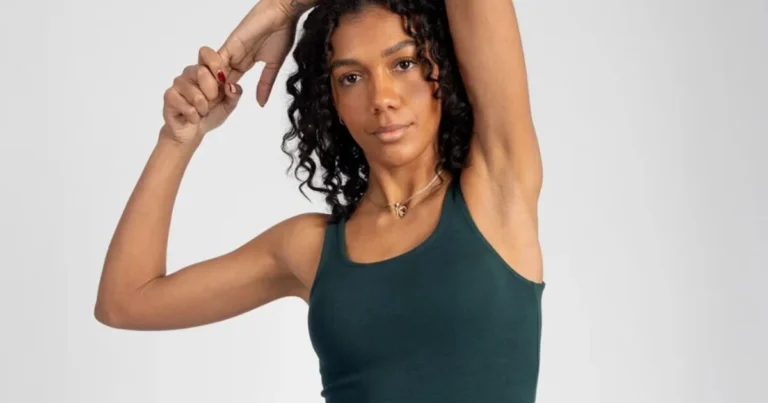
- Tripulse: This Swedish activewear brand prioritizes high-performing gear that protects both the planet and its people. With a mission rooted in holistic well-being, Tripulse offers a range of sizes (XS-6XL) and aims to empower individuals through fitness while upholding strong ethical standards.
- BAM (Bamboo Clothing): A UK-based brand specializing in menswear and womenswear basics made from bamboo, BAM achieves a "Good" rating across people, planet, and animals. Its ethos emphasizes kindness, tracing most of its supply chain and offering a clothing recycling program to address textile waste. Items are available in sizes XS-L.
- Flamingos’ Life: This brand crafts vegan sneakers free from animal-derived materials. Utilizing lower-impact and PETA-approved vegan materials, including innovative upcycled components, Flamingos’ Life provides a stylish and ethical footwear option in sizes 36-46.
- Agazi: Hailing from Poland, Agazi is a vegan footwear brand offering a diverse range of sneakers, sandals, heels, and flats. Its commitment to non-animal-derived materials extends to innovative choices like hemp, apple skin, and grape-based alternative leathers.
- Ucon Acrobatics: This brand champions innovative, functional, and minimalistic products for creative consumers. Ucon Acrobatics incorporates a high proportion of eco-friendly materials, including organic cotton, and powers its direct operations with renewable energy to minimize climate impact. Crucially, it ensures payment of a living wage at the final stage of production.
For those who find that specific needs—such as price point or size availability—make these alternatives less viable, considering secondhand options from resale platforms or local thrift stores is a highly effective way to mitigate the environmental impact of new purchases. Furthermore, consumer advocacy remains a powerful tool. Brands respond to demand, and a collective voice demanding greater transparency and ethical commitments can compel meaningful change. Engaging with brands directly through platforms like Good On You’s "Your Voice" function or social media can serve as a crucial nudge toward more responsible practices.
Editor’s Note: Feature image via Unsplash, all other images via brands mentioned. Good On You publishes the world’s most comprehensive ratings of fashion brands’ impact on people, the planet, and animals. Use our directory to search thousands of rated brands. This article was updated on 17 March 2026, with sources and content revised to reflect the most recent rating review.