










The escalating frequency and intensity of heatwaves, a direct consequence of anthropogenic climate change, are fundamentally reshaping daily life across the globe. As temperatures soar to unprecedented levels, particularly evident in recent summers across Europe, individuals face a pressing dilemma: how to maintain comfort and safety in sweltering conditions while simultaneously adhering to principles of environmental sustainability and ethical consumption. Fortunately, a growing body of research and innovative industry practices reveals a promising synergy: many of the most breathable and cooling materials are also among the most responsibly produced, offering a tangible pathway for consumers to reconcile immediate needs with long-term ecological stewardship. This article delves into practical, sustainable strategies for warm-weather dressing, underpinned by scientific data and expert recommendations, showcasing how informed choices can contribute to both personal well-being and planetary health.
The Unrelenting March of Heatwaves: A Climate Crisis Consequence
Global climate patterns are undergoing profound shifts, with the Intergovernmental Panel on Climate Change (IPCC) consistently reporting unequivocal evidence of a warming planet driven by human activities, primarily the emission of greenhouse gases. Since pre-industrial times, the global average temperature has risen by approximately 1.1 degrees Celsius, with the past decade marking the warmest on record. This warming trend is directly correlated with an observed increase in the frequency, duration, and intensity of heatwaves. A heatwave, typically defined as a period of unusually hot weather that lasts for more than two days, now poses significant threats to public health, infrastructure, and natural ecosystems.
Europe, a continent particularly susceptible to climate variability, has experienced a succession of severe heatwaves in recent years. Summers in 2022 and 2023 saw numerous countries, from Spain and Italy to the United Kingdom and Germany, grapple with temperatures exceeding 40 degrees Celsius, shattering historical records. These events led to widespread wildfires, exacerbated droughts, strained healthcare systems, and resulted in thousands of excess deaths. The economic toll has also been substantial, impacting agricultural yields, energy consumption, and labor productivity. Scientists project that without aggressive global decarbonization efforts, such extreme weather events will become even more commonplace and severe, necessitating a fundamental rethinking of how societies adapt, including everyday practices like dressing.
Fashion’s Environmental Footprint and the Call for Responsibility
The fashion industry, a multi-trillion-dollar global enterprise, is a significant contributor to the very climate crisis that intensifies these heatwaves. Its vast supply chains are responsible for an estimated 2-8% of global greenhouse gas emissions, a figure projected to rise dramatically if current consumption patterns persist. Beyond carbon, the industry is a major polluter of water, a voracious consumer of natural resources, and a leading source of microplastic contamination. The production of conventional textiles often involves intensive irrigation, widespread use of synthetic pesticides and fertilizers, and hazardous chemical dyes, all of which deplete freshwater sources, degrade soil quality, and contaminate waterways.
Fast fashion, characterized by rapid production cycles, low prices, and disposable garments, exacerbates these issues. It encourages overconsumption and generates immense textile waste, with an estimated 92 million tons of textile waste produced globally each year, much of which ends up in landfills or incinerators. This linear "take-make-dispose" model is inherently unsustainable and directly conflicts with the urgent need for a circular economy that minimizes waste and maximizes resource efficiency.
A Chronology of Awakening: The Evolution of Sustainable Fashion
While environmental concerns have roots in the 1960s and 70s, the concept of "sustainable fashion" began to gain traction in the late 20th and early 21st centuries. Early movements focused on organic cotton and fair trade practices. The Rana Plaza factory collapse in Bangladesh in 2013, which killed over 1,100 garment workers, served as a stark turning point, exposing the deep-seated ethical failings within the industry and galvanizing widespread calls for greater transparency and improved labor conditions.
Since then, consumer awareness has surged, driven by documentaries, social media campaigns, and the advocacy of organizations like Good On You, which rates brands based on their impact on people, the planet, and animals. This heightened scrutiny has pushed many brands, from small independents to major corporations, to explore and adopt more responsible practices, including the use of lower-impact materials, ethical manufacturing, and circular design principles. The emphasis has expanded from simply "doing less harm" to actively promoting positive social and environmental impact, reflecting a maturation of the sustainable fashion movement.
Strategic Dressing for Heat: Integrating Sustainability and Comfort
Navigating the heatwaves of summer requires practical clothing choices, but these choices need not compromise environmental integrity. In fact, many sustainable materials offer superior comfort properties specifically suited to hot, humid climates. Here are five key strategies for dressing sustainably when temperatures soar:
1. Opting for Lighter, Natural, and Regenerated Materials
In warm, sticky environments, the material composition of clothing is paramount. Synthetic fibers like polyester and nylon, derived from petroleum, often trap heat and moisture against the skin, leading to discomfort and increased perspiration. Conversely, natural and regenerated cellulosic fibers offer inherent breathability and moisture-wicking properties.
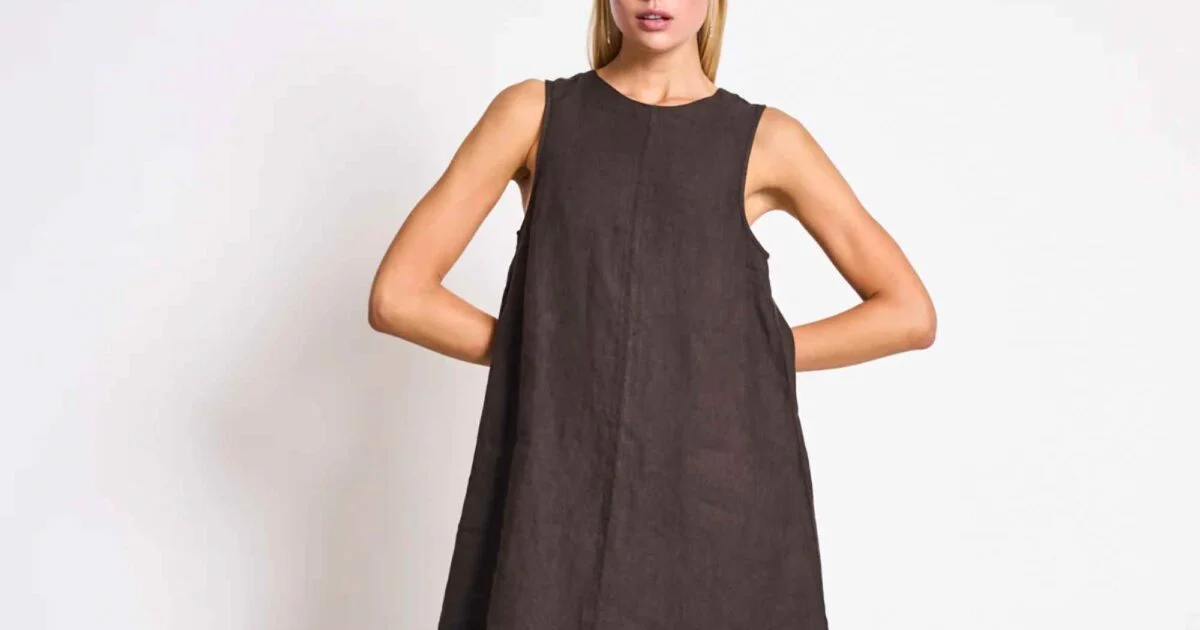
- Organic Linen: Derived from the flax plant, linen is an ancient fiber renowned for its exceptional breathability and absorbency. It can absorb up to 20% of its weight in moisture before feeling damp, and it dries quickly, creating a natural cooling effect. Environmentally, flax cultivation requires significantly less water and fewer pesticides than conventional cotton. When untreated with harsh chemicals or certain dyes, linen is fully biodegradable. Its strength also contributes to garment longevity, reducing the need for frequent replacement.
- Hemp: Another robust natural fiber, hemp boasts similar environmental benefits to linen. It grows rapidly, requires minimal water and no pesticides, and even enriches the soil it grows in. Hemp fabric is strong, durable, naturally UV-resistant, and becomes softer with each wash. Its porous structure allows for excellent airflow, making it an ideal choice for hot weather.
- TENCEL™ Lyocell: This is a regenerated cellulosic fiber produced from sustainably sourced wood pulp, typically eucalyptus. The manufacturing process is a closed-loop system, meaning nearly all solvents and water used are recovered and reused, minimizing waste and pollution. TENCEL™ Lyocell is celebrated for its silky smooth texture, exceptional breathability, and superior moisture-wicking capabilities, making it highly effective at keeping the wearer cool and dry.
- Organic Cotton: While conventional cotton is water-intensive and often chemically laden, organic cotton is grown without synthetic pesticides, fertilizers, or genetically modified seeds. This reduces water pollution, conserves biodiversity, and supports healthier soil. Organic cotton still offers good breathability, especially in looser weaves, and is a comfortable choice for everyday wear in moderate heat.
By choosing garments made from these materials, consumers can enjoy enhanced comfort while significantly reducing their environmental footprint. Brands such as JAN ‘N JUNE, a Hamburg-based label, exemplify this approach by crafting minimalistic, stylish pieces from certified organic and recycled materials. Similarly, SUI, an Indian label, creates beautiful womenswear using natural fibers, ensuring ethical production in its Delhi workshop. For menswear, CARPASUS from Switzerland offers fine shirts made from GOTS-certified organic cotton, with transparent supply chains and living wage commitments.
2. Choosing Non-Synthetic, Breathable Activewear
Whether engaging in strenuous activity or simply navigating a hot day, perspiration is inevitable. Quality activewear designed for breathability and moisture-wicking can significantly improve comfort. However, the choice of material is critical.
- The Problem with Synthetics: Most conventional activewear is made from polyester, nylon, or blends containing elastane. These materials are petroleum-based, non-biodegradable, and, crucially, shed microplastic fibers during washing. These microscopic plastic particles enter waterways, accumulate in marine life, and have been found in human food chains and even air. Furthermore, these synthetic fabrics often lack natural breathability, trapping heat and moisture, which can lead to discomfort, skin irritation, and the proliferation of odor-causing bacteria.
- Sustainable Alternatives: The market for sustainable activewear is expanding, with brands offering innovative plastic-free alternatives. Bamboo-viscose (often simply referred to as bamboo fabric) is a popular choice. Bamboo is a fast-growing, regenerative plant, and while the viscose conversion process can be chemical-intensive, closed-loop systems are emerging. The resulting fabric is incredibly soft, breathable, and highly moisture-absorbent, making it excellent for activewear. TENCEL™ Lyocell, as mentioned earlier, is another strong contender due to its superior moisture management and smooth feel against the skin.
The shift towards these materials in activewear helps mitigate the pervasive issue of microplastic pollution while offering superior performance in hot climates. BAM, a UK-based brand, specializes in bamboo clothing, offering a wide range of basics and activewear with a strong focus on people, planet, and animal welfare, including a clothing recycling program. Tripulse, a Swedish brand, is dedicated to creating high-performing, plastic-free activewear, embodying a mission to protect both the planet and its people.
3. Blocking Out the Sun with Sustainable Accessories
Direct sun exposure significantly contributes to overheating and increases the risk of skin damage. Strategic accessories like sunglasses and hats are indispensable for sun protection. The sustainability of these items, however, often goes overlooked.
- Sustainable Sunglasses: Traditional plastic sunglasses contribute to plastic waste. More responsible options now utilize materials such as recycled plastics, reducing reliance on virgin fossil fuels. Bamboo and wood frames offer natural, renewable alternatives, often lending a unique aesthetic. Bio-acetate, derived from natural cotton and wood pulp fibers, is another innovative choice, offering a biodegradable alternative to conventional acetate plastics. These materials ensure that protecting your eyes doesn’t come at the cost of the environment.
- Sustainable Hats: For headwear, the same principles for clothing materials apply. Opt for hats made from organic linen, hemp, or recycled/organic cotton. These materials are breathable, lightweight, and provide effective shade without trapping heat. A wide-brimmed hat is particularly effective in shielding the face, neck, and ears from harmful UV rays.
Canadian brand tentree exemplifies commitment to environmental restoration, planting ten trees for every item purchased. Their clothing and accessories, including hats, are made with an Earth-first approach, using lower-impact and recycled materials under fair working conditions.
4. Employing Sunscreen from Brands that Prioritize Planet Health
Sunscreen is a vital defense against UV radiation, but not all formulations are created equal. Many conventional sunscreens contain chemical filters and nanoparticles that pose significant environmental risks, particularly to marine ecosystems.
- Harmful Ingredients: Consumers should actively avoid sunscreens containing oxybenzone and octinoxate, which have been linked to coral bleaching and damage to marine life DNA. Nano zinc oxide and titanium dioxide, while mineral filters, can also become problematic when their particles are so small they can be ingested by marine organisms or interfere with their physiological processes. These pollutants contribute to ecotoxicity in aquatic environments.
- Eco-Conscious Formulations: The market now offers a range of suncare products free from these harmful chemicals. Look for sunscreens that use non-nano zinc oxide and titanium dioxide as their active ingredients, as these larger particles are less likely to be absorbed by marine life. Furthermore, seek certifications that ensure products are free from pollutants and have undergone testing for ecotoxicity. Brands prioritizing natural, organic ingredients and transparent sourcing are preferred.
Odylique, a UK brand, is a leader in this space, offering vegan beauty products, including sunscreens, made with ingredients certified to Soil Association’s organic standards. Their commitment to sensitive skin also translates to formulations free from common irritants and environmental aggressors.
5. Embracing Sustainable Swimwear for a Cooling Dip
For many, a swim is the ultimate relief from a heatwave. However, swimwear presents a unique challenge in sustainable fashion due to the functional requirements of elasticity, durability, and quick-drying properties, which have historically relied on harmful synthetic materials.
- The Swimwear Conundrum: Most swimwear is made from virgin nylon or spandex (elastane), both petroleum-derived plastics. Like other synthetics, they contribute to microplastic pollution and are non-biodegradable.
- Lower-Impact Alternatives: The industry is making strides with innovative materials. ECONYL® is a leading example, a regenerated nylon fiber created from pre- and post-consumer waste, including abandoned fishing nets (ghost gear), fabric scraps, and industrial plastic. This process reduces reliance on virgin resources and helps clean up ocean pollution. Another promising option is hemp-based swimwear. Hemp fabric, with its natural UV resistance, antimicrobial properties, and durability, can be blended with a small percentage of elastane to achieve the necessary stretch, offering a significantly lower-impact alternative to traditional synthetics.
- Longevity and Care: Regardless of material, extending the life of swimwear is crucial. Reducing the frequency of washing (especially machine washing, which accelerates microplastic shedding) and opting for gentle hand washing can prolong garment life and minimize environmental impact.
Natasha Tonic specializes in hemp swimwear, leveraging the fabric’s natural antimicrobial and UV-resistant qualities to create pieces that are healthier for the skin and oceans, with each item hand-printed for uniqueness. ColieCo, a Portuguese brand, crafts its lingerie, underwear, and swimwear using a handmade-to-order process exclusively with lower-impact and responsibly sourced fabrics, showcasing dedication to ethical production and material innovation.
Broader Impact and Future Implications
The individual choices made in dressing for heatwaves, when aggregated, send powerful signals to the fashion industry. As consumers increasingly demand sustainable and ethical options, brands are compelled to innovate, invest in responsible supply chains, and embrace circular economy principles. This consumer-driven shift is a vital component in mitigating the fashion industry’s environmental footprint and fostering a more resilient global economy.
Furthermore, this movement aligns with broader policy objectives aimed at achieving climate neutrality and reducing waste. Governments and international bodies are exploring regulations to curb textile waste, promote recycling infrastructure, and mandate greater transparency from brands regarding their environmental and social impacts. The development of new, high-performance sustainable materials continues to accelerate, offering even more viable alternatives to conventional synthetics.
Ultimately, adopting sustainable dressing strategies for hot weather is not merely a trend; it is an essential adaptation to a changing climate and a proactive step towards building a more sustainable future. By prioritizing natural fibers, avoiding harmful chemicals, and supporting ethical brands, individuals can make a tangible difference, ensuring that comfort in the face of rising temperatures does not come at the planet’s expense. The synergy between personal well-being and ecological responsibility offers a compelling vision for how fashion can become a force for good in the ongoing climate crisis.