











Our editors curate highly rated brands that are first assessed by our rigorous ratings system. Buying through our links may earn us a commission—supporting the work we do. Learn more.
Massimo Dutti, often perceived as the more refined, "grown-up" counterpart to fast fashion giant Zara, has received a "It’s a Start" rating from sustainability experts, a classification that has remained unchanged in its latest review. This middling assessment, published in January 2026, indicates that while the brand has initiated some positive steps towards sustainability, its overall impact still aligns with the unsustainable practices characteristic of the fast fashion industry. For consumers seeking elegant, tailored styles without contributing to this environmental and social burden, a curated selection of more sustainable alternatives offers a compelling path forward.
Massimo Dutti’s Position in the Inditex Empire
Founded in Spain in the mid-1980s as a menswear label, Massimo Dutti was acquired by Inditex, the world’s largest fashion retailer and parent company of Zara, a decade later. This acquisition cemented its place within a global retail powerhouse, enabling its expansion into both men’s and women’s wear, boasting 643 stores worldwide and an online presence spanning 215 markets. The brand has meticulously cultivated an image distinct from its more overtly trend-driven sibling, Zara, often being dubbed "Zara’s chic older sister." Its marketing emphasizes "elevated" and "expensive-looking" mass-produced fashion, suggesting a higher quality and more timeless appeal.
However, this sophisticated veneer raises critical questions about its operational realities. Despite its slightly higher price point and a perceived improvement in quality compared to Zara, Massimo Dutti remains a key component of the Inditex group, which thrives on a business model predicated on rapid production cycles and high volume. The core tenets of fast fashion—quick turnaround of styles, frequent "drops," and a reliance on discounting—are still evident within Massimo Dutti’s operations, albeit on a slightly less aggressive scale than Zara. This positioning allows it to cater to a demographic seeking a more refined aesthetic while still benefiting from the efficiencies and scale of a fast fashion infrastructure.
The Fast Fashion Paradox: Volume vs. Value
The term "fast fashion" encapsulates a business model characterized by the rapid design, production, distribution, and marketing of clothing inspired by current trends, often at low prices. While Massimo Dutti aims for a more "slowed-down" version of this model, its immense production volumes and global reach inherently tie it to the industry’s significant environmental and social challenges. The industry’s relentless pace contributes substantially to global pollution, resource depletion, and human rights issues.
For instance, the fashion industry is responsible for an estimated 8-10% of global carbon emissions, more than all international flights and maritime shipping combined. Textile production is incredibly water-intensive; it takes about 2,700 liters of water to make one cotton t-shirt, enough to meet one person’s drinking needs for 2.5 years. Moreover, the prevalence of synthetic fibers like polyester, a petroleum-derived plastic, contributes to microplastic pollution in oceans and waterways with every wash. The rapid consumption and disposal cycles inherent in fast fashion lead to an overwhelming amount of textile waste, with reports indicating that a truckload of textiles is landfilled or incinerated every second.
Socially, the fast fashion model often relies on cheap labor in developing countries, where workers, predominantly women, face precarious working conditions, long hours, and wages far below a living wage. Despite some brands claiming to have programs to improve wages, concrete evidence of workers actually receiving living wages is often elusive, highlighting a persistent transparency gap in supply chains.
Unpacking Massimo Dutti’s Sustainability Commitments and Gaps
Good On You’s "It’s a Start" rating signifies that Massimo Dutti has made some initial efforts to address its environmental and social impact, but these efforts are often limited, lack full transparency, or fall short of truly sustainable practices. The assessment, last updated in January 2026, details several areas where the brand has taken action, alongside significant areas requiring improvement.
Environmental Footprint: Materials, Chemicals, and Emissions
Massimo Dutti’s environmental initiatives include using a medium proportion of lower-impact materials. This might involve the incorporation of organic cotton, recycled polyester, or Tencel, and the brand does publish breakdowns on its website, along with details of products containing certified materials. While a step in the right direction, a "medium proportion" suggests that a significant portion of its products still rely on conventional, higher-impact materials. True sustainability requires a substantial shift towards materials that minimize ecological harm throughout their lifecycle.
Furthermore, the brand committed to eliminating hazardous chemicals from its supply chain after 2025. This commitment is crucial given the pervasive use of toxic dyes and chemicals in textile processing, which pollute water systems and harm workers. However, Good On You analysts found no concrete evidence that this ambitious goal had been achieved by the time of the review. Without verifiable data and transparent reporting, such commitments remain aspirational rather than actualized changes.
In terms of climate action, Massimo Dutti has set a science-based target to reduce greenhouse gas emissions, aligning with global efforts to limit climate change. Science-based targets are vital for providing a clear pathway for companies to reduce emissions in line with the Paris Agreement goals. Yet, the absence of publicly available evidence regarding its progress against this target is a critical red flag. Effective climate action requires not just setting goals but transparently reporting on the measures taken and the progress achieved.
Social Responsibility: Worker Wages and Supply Chain Transparency
On the social front, Massimo Dutti states that it audits some of its supply chain, specifically covering all of the final production stage. While audits are a necessary component of supply chain oversight, limiting them to the final production stage overlooks potential abuses and poor conditions in earlier, more opaque tiers of the supply chain, such as material processing or raw material sourcing. A truly responsible supply chain demands comprehensive oversight from fiber to finished garment.
The brand also claims to have a program aimed at improving wages for workers in its supply chain. The issue of living wages is central to ethical fashion. A living wage is defined as the remuneration received for a standard workweek by a worker in a particular place sufficient to afford a decent standard of living for the worker and their family. Good On You’s review, however, found no concrete evidence that Massimo Dutti’s workers are actually paid living wages. This lack of verifiable proof means that while intentions may be good, the actual impact on worker well-being remains unconfirmed.
The recurring theme across Massimo Dutti’s sustainability efforts is a significant transparency gap. While commitments are stated and some actions are taken, the lack of accessible, verifiable evidence for the achievement of these goals—especially concerning hazardous chemicals, emission reductions, and living wages—undermines consumer trust and limits accountability.
The Imperative for Change: Why "It’s a Start" Isn’t Enough
Ultimately, despite its attempts to carve out a more "elevated" niche, Massimo Dutti remains deeply embedded within an industry that fundamentally harms people, the planet, and animals. Its practices of producing high volumes of clothing, engaging in frequent style cycles, and relying on discounting, even if less aggressively than its sister brand Zara, contribute to the broader issues of overproduction and waste.
For conscious consumers, the "It’s a Start" rating serves as a clear signal: while the brand acknowledges the need for sustainability, its current efforts are insufficient to mitigate its impact meaningfully. The fashion landscape is evolving, with a growing demand for brands that prioritize ethical production, environmental stewardship, and genuine transparency. Consumers are increasingly seeking garments that are not only stylish and well-made but also carry a clear conscience.
The good news is that the market for high-quality, sophisticated, and tailoring-inspired garments, similar to Massimo Dutti’s aesthetic, is also evolving. Numerous brands operate on a smaller, more responsible scale, dedicated to ethical practices, fair wages, and avoiding the rampant overproduction that fuels textile waste.
Seeking Sustainable Style: Alternatives to Massimo Dutti
For those looking to align their wardrobe with their values, here are some highly-rated brands by Good On You analysts, offering stylish and tailored aesthetics with a commitment to sustainability:
ESSÄN
Founded in 2016 by Marre Muijs, ESSÄN emerged as a direct response to the fashion industry’s prevalent issues of overproduction and fleeting trends. The brand focuses on meticulously crafted shoes and accessories, deliberately limiting its production runs and employing low-waste cutting techniques. ESSÄN defies the traditional fashion calendar, instead offering a single, permanent collection designed to be timeless rather than trend-driven. This approach ensures high quality and longevity, appealing to consumers who value durability and classic design. Shop ESSÄN.
Ninety Percent
Ninety Percent is a British label creating stylish womenswear with a groundbreaking mission: to share 90% of its profits with five charitable causes and the individuals who make its collections. This radical transparency extends to publishing details of its suppliers and factories on its website, fostering accountability. The brand uses lower-impact materials and aims to create clothing that is both contemporary and responsibly made. Available in UK sizes 2XS-2XL, Ninety Percent offers a compelling blend of style, ethics, and philanthropy. Shop Ninety Percent.
Spell
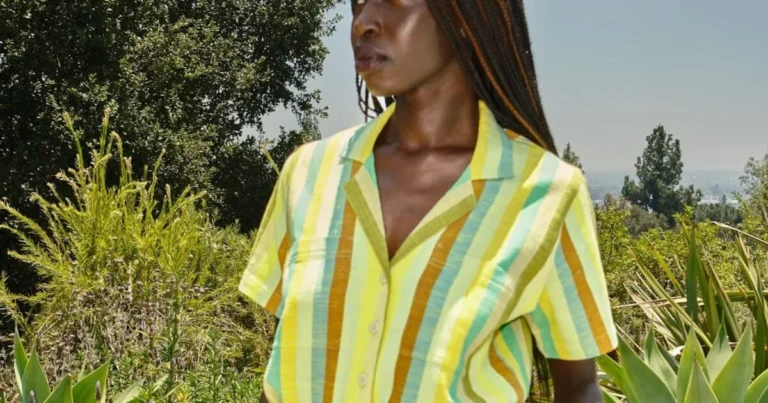
Hailing from Australia, Spell is a fashion brand deeply inspired by travel, vintage aesthetics, and nostalgic memories. Their unique, bohemian-inspired clothes are designed and sampled in Byron Bay, Australia, and are produced responsibly in factories globally. Spell is committed to continuous improvement in its supply chain, striving for transparency and ethical practices. Most garments are available in sizes 2XS-2XL, offering a distinctive and conscious choice for those who appreciate artistry and sustainability. Shop Spell.
Akyn
Founded by the renowned sustainable fashion industry figure Amy Powney, Akyn specializes in contemporary and timeless womenswear. The brand’s philosophy centers on creating enduring pieces using lower-impact materials, reflecting Powney’s deep expertise and commitment to responsible production. Akyn is designed for the modern woman who values sophisticated style combined with environmental consciousness, offering garments that are both elegant and ethically produced. Shop Akyn.
Agazi
Agazi is a pioneering vegan footwear brand based in Poland. Its diverse range includes sneakers, sandals, heels, and flat shoes, all meticulously crafted using materials entirely free from animal products. The brand actively incorporates innovative, non-animal-derived materials such as hemp, apple skin, and grape-based alternative leathers. This commitment positions Agazi as an excellent choice for consumers seeking stylish, ethical, and cruelty-free footwear that aligns with vegan principles. Shop Agazi.
Kotn
Certified B Corp Kotn, based in Canada, is dedicated to creating high-quality, comfortable basics while making a tangible social impact. The brand works directly with local NGOs in the Nile Delta to provide quality education for every child in its farming communities, actively addressing low literacy rates. Every purchase contributes to funding school infrastructure, materials, and teacher salaries. Kotn’s transparent supply chain ensures ethical production and fair treatment of workers. Available in sizes XS-2XL, Kotn offers beautifully made garments with a profound purpose. Shop Kotn.
BASTET NOIR
BASTET NOIR champions circularity and artisanal craftsmanship by creating modular three-piece sets from deadstock fabrics in limited production runs. Based in Istanbul, the brand specializes in versatile, multifunctional garments ideal for the working woman and for travel. By utilizing fabric waste from larger productions, BASTET NOIR minimizes its environmental footprint while offering unique, high-quality pieces. Most items are available in sizes 36-42, with custom sizing options to ensure a perfect fit. Shop BASTET NOIR.
ASKET
Since its inception in 2015, ASKET has revolutionized the approach to wardrobe essentials by focusing on timeless design, revolutionary sizing, and fair pricing. The brand intentionally disregards seasonal collections, instead dedicating its efforts to building a single, permanent collection of core items. By cutting out middlemen and selling directly to consumers, ASKET maintains transparency and control over its production. Available in sizes 2XS-2XL, ASKET embodies the philosophy of quality over quantity, encouraging mindful consumption. Shop ASKET.
OhSevenDays
Founded by Australian-Canadian Megan Mummery, OhSevenDays is a brand rooted in Istanbul that promotes slow fashion and the "power of circularity." The brand innovatively reclaims end-of-roll fabrics from the city’s garment factories, transforming them into sharp, everyday womenswear. This approach effectively makes slow fashion from fast fashion’s leftovers, significantly reducing waste. OhSevenDays’ garments are available in sizes XS-XL, with custom sizing also offered, providing stylish and responsible options. Shop OhSevenDays.
amt.
amt. studio is a Spanish clothing brand committed to local production and the use of recycled materials. By keeping its manufacturing close to home, amt. significantly reduces its carbon footprint associated with transportation. The brand’s focus on recycled materials highlights its dedication to minimizing waste and conserving resources. Find most items in sizes XS-L, offering contemporary designs with a strong emphasis on regional responsibility and environmental care. Shop amt.
ISTO.
The Portuguese brand ISTO. operates on a simple yet powerful mandate: to create clothes that transcend seasons and serve as permanent staples in any wardrobe. With a single, unwavering collection, ISTO. prioritizes quality over quantity, aiming for items that are always available. The brand exclusively uses organic materials and maintains full transparency, showing consumers the true cost of their clothes. Available in XS-XL, ISTO. represents a commitment to enduring style and ethical production. Shop ISTO.
CARPASUS
CARPASUS is a Swiss menswear brand specializing in fine shirts, ties, socks, and pocket squares. The brand’s dedication to sustainability is evident in its use of GOTS-certified cotton and its commitment to local manufacturing, which significantly reduces its carbon footprint. CARPASUS meticulously traces its entire supply chain, ensuring ethical practices and guaranteeing that its workers are paid a living wage, setting a high standard for social responsibility. Find most products in EU sizes 36-46. Shop CARPASUS.
Neem
Hailing from the UK, Neem is a menswear brand with a strong focus on transparency and environmental protection. Neem emphasizes a traceable supply chain and utilizes sustainable materials to create its collections. The brand is dedicated to producing stylish, durable clothing while actively working to minimize its ecological impact. Find most items in sizes S-2XL, offering responsible fashion choices for men who prioritize both style and sustainability. Shop Neem.
The Future of Fashion: Driving Towards a Sustainable Industry
The scrutiny of brands like Massimo Dutti by organizations like Good On You reflects a broader, accelerating shift in the fashion industry. Consumers, regulatory bodies, and investors are increasingly demanding genuine sustainability, moving beyond mere pledges to verifiable action and transparent reporting. Large fashion conglomerates like Inditex, with their immense scale and global influence, face increasing pressure to transition from incremental "starts" to comprehensive, systemic changes across their entire value chain.
The rise of brands featured as alternatives underscores a powerful trend: it is possible to create desirable, high-quality fashion without compromising ethical and environmental principles. These brands demonstrate that responsible sourcing, fair labor practices, waste reduction, and circular economy principles are not just ideals but actionable business models. As the collective awareness of fashion’s impact grows, the distinction between brands merely making a "start" and those truly leading the way will become increasingly crucial for the industry’s future.
Editor’s note: Feature image via Ninety Percent, all other images via brands mentioned. Good On You publishes the world’s most comprehensive ratings of fashion brands’ impact on people, the planet, and animals. Use our directory to search thousands of rated brands.
We updated this article on 7 July 2026: Our editors frequently make updates to articles to ensure they’re up to date. We added more alternative brands.