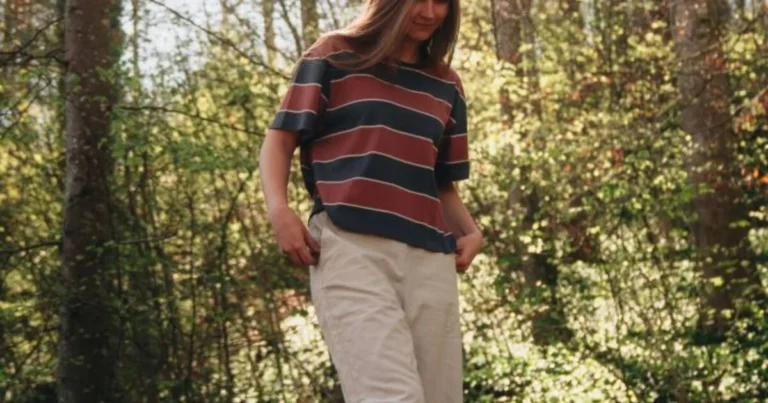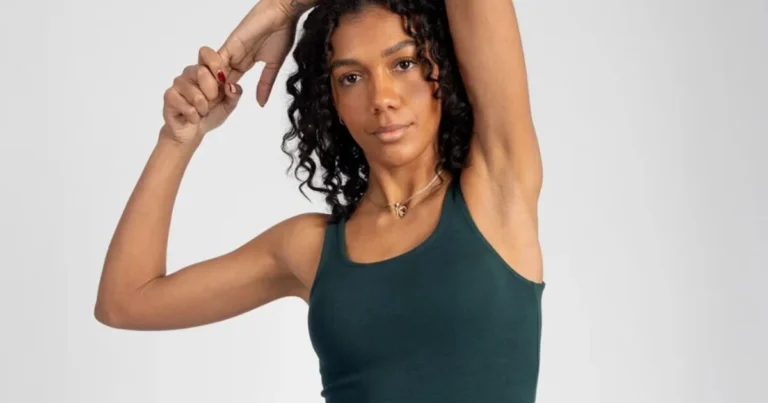











The fashion industry, a multi-trillion-dollar global behemoth, is at a critical juncture. Faced with mounting environmental concerns and increasing calls for social justice, a powerful shift towards ethical and sustainable practices is gaining unprecedented momentum, particularly across Europe. Consumers are no longer satisfied with fleeting trends and opaque supply chains; they demand transparency, responsibility, and products that align with their values for people, the planet, and animals. In response to this evolving landscape, a curated selection of European fashion and beauty brands has risen to prominence, demonstrating a commitment to ethical excellence. This article delves into the principles defining these pioneering brands and spotlights some of Europe’s most commendable sustainable innovators, all rigorously assessed and rated "Good" or "Great" by Good On You’s renowned methodology.
The Ascent of Conscious Consumerism: Europe at the Forefront
The past decade has witnessed a significant awakening in consumer consciousness regarding the origins and impact of their purchases. This is particularly pronounced in Europe, where robust environmental regulations and a culturally ingrained appreciation for quality and craftsmanship have fostered a fertile ground for sustainable fashion to flourish. The devastating consequences of fast fashion – from overflowing landfills and polluted waterways to exploitative labor practices – have been widely exposed, catalyzing a demand for a more responsible industry.
Historically, fashion was largely a local craft, inherently tied to regional resources and skilled artisans. The industrial revolution, followed by globalization and the rise of fast fashion in the late 20th and early 21st centuries, severed many of these connections, prioritizing speed and low cost over environmental and social welfare. However, the pendulum is now swinging back. European consumers, empowered by information and driven by a desire for meaningful change, are actively seeking alternatives. Data from various market research firms indicates a steady increase in the sustainable fashion market’s valuation, projected to reach hundreds of billions of dollars globally in the coming years, with Europe consistently leading in adoption and innovation. This trend is further amplified by strong policy initiatives, such as the European Green Deal and the EU Strategy for Sustainable and Circular Textiles, which aim to establish ambitious targets for textile waste reduction, increased recycling, and greater supply chain transparency across the bloc.
Demystifying Ethical Excellence: Good On You’s Rigorous Framework
Identifying truly sustainable brands amidst a sea of "greenwashing" claims can be challenging. This is where comprehensive, data-driven methodologies become indispensable. Good On You employs a robust rating system that evaluates brands across three core pillars: People, Planet, and Animals. A brand earns a "Good" or "Great" rating by demonstrating significant positive impact and continuous improvement in these areas.
For People, a responsible brand prioritizes fair treatment and safety for all workers throughout its entire supply chain. This includes adhering to strict policies against child and forced labor, ensuring safe working conditions, respecting workers’ rights to unionize, and crucially, committing to the payment of a living wage. A living wage is defined as sufficient income for a worker and their family to afford basic necessities like food, housing, healthcare, and education, a stark contrast to the minimum wage often paid in garment-producing regions, which frequently falls short of these basic needs.
Regarding the Planet, a better brand meticulously manages its environmental footprint. This involves transparent reporting and active reduction of its use of resources (like water and raw materials), energy consumption, and crucially, its carbon emissions. The fashion industry is a significant contributor to global greenhouse gas emissions, accounting for an estimated 4-10% annually. Ethical brands are also diligent in minimizing their impact on waterways through responsible effluent treatment and safe disposal of chemicals, and by prioritizing the use of lower-impact materials and renewable energy sources.
Finally, concerning Animals, highly-rated brands minimize or completely avoid animal products. This means steering clear of materials like wool, leather, fur, angora, down feather, shearling, karakul, and exotic animal skins or hair. For beauty brands, this extends to ingredients like beeswax, shellac, lanolin, and squalene. Ideally, a brand striving for the highest animal welfare standards is 100% vegan, ensuring no animal exploitation in any part of its production. Furthermore, supporting local brands within Europe offers additional benefits, reducing the carbon footprint associated with long-distance shipping and fostering local economies.
The Environmental and Social Imperative: Why Sustainable Fashion Matters
The implications of unchecked fast fashion are profound and far-reaching. Annually, the global fashion industry consumes vast amounts of water, with cotton cultivation alone responsible for significant water stress in regions like Central Asia. It generates an estimated 92 million tons of textile waste, much of which ends up in landfills, taking hundreds of years to decompose and releasing harmful methane gas. Chemical pollution from dyeing and finishing processes contaminates ecosystems and poses serious health risks to workers and local communities. Socially, the industry is plagued by labor abuses, with garment workers in many parts of the world enduring unsafe conditions, excessively long hours, and wages far below what is required for a decent standard of living. Tragedies like the Rana Plaza factory collapse in Bangladesh in 2013 served as a stark, global reminder of the human cost of cheap clothing.
In light of these challenges, the emergence and growth of sustainable brands are not merely a niche trend but a critical component of a global effort to build a more equitable and environmentally sound future. These brands demonstrate that profitability and responsibility are not mutually exclusive but can, in fact, reinforce each other, driving innovation and attracting a growing segment of ethically-minded consumers.
Spotlight on European Innovators: A Curated Selection of Sustainable Brands
Here, we celebrate a selection of European brands that embody these principles, offering consumers choices that make a genuine difference. Each brand, rated "Good" or "Great" by Good On You, represents a beacon of hope and a practical step towards a more sustainable wardrobe.
Yes Friends (UK) stands out by making sustainable fashion accessible. This UK-based brand produces affordable clothing, such as classic cut t-shirts that cost less than £4 to make and retail for £7.99. Their strategy of leveraging large-scale production and a direct-to-consumer model allows them to offer responsible clothing at prices competitive with fast fashion, proving that ethical choices don’t have to break the bank. Their inclusive sizing (2XS-4XL) further expands their reach.
Näkz (Portugal) is a Portuguese brand dedicated to creating timeless womenswear using lower-impact materials. Their focus on classic designs ensures longevity, combating the disposable nature of seasonal trends. Most garments are available in sizes S-L.
Anekdot (Germany) champions circularity from its Berlin base. This brand crafts exquisite designer underwear, swimwear, and loungewear by upcycling production leftovers, deadstock fabrics, and vintage trimmings. This innovative approach gives materials a new life, resulting in unique, limited-edition products and significantly reducing waste. Most products are available in sizes XS-XL.
Jackalo (Europe) focuses on the youngest generation, offering organic playclothes for kids. The brand uses a high proportion of Global Organic Textile Standard (GOTS) certified cotton and diligently reuses all its offcuts, minimizing textile waste. Their durable designs are built to withstand the rigors of childhood and are available in sizes 4-14.
BASTET NOIR (Europe) designs modular 3-piece sets using deadstock fabrics in limited runs. This approach not only reduces textile waste but also creates versatile, multifunctional travel essentials for the modern working woman, promoting a minimalist wardrobe. Items are available in sizes 36-42 or custom sizing.
THTC (UK) is a pioneer in organic hemp streetwear. They produce t-shirts, hoodies, socks, and caps, and also offer white label ranges for charities and NGOs. Their commitment to organic hemp highlights a preference for natural, low-impact fibers.
Jyoti – Fair Works (Germany) demonstrates a powerful social mission. This German-based brand crafts GOTS certified cotton products and, more importantly, provides vital employment opportunities for marginalized or disadvantaged groups in India, ensuring fair wages and empowering communities. Sizes are available from S-XL.
Vesica Piscis (Spain) offers vegan footwear with a strong environmental ethos. This Spanish brand uses a high proportion of lower-impact materials, powers its manufacturing with renewable energy, and operates on a made-to-order basis to eliminate overproduction and waste. Shoes are available in sizes 36-46.
WILDA.ECO (Europe) focuses on vegan fashion characterized by minimalism, timeless design, and inclusive sizing. Their commitment extends to personalizable garments for different heights, promoting a truly tailored and sustainable approach to clothing.
Mashu (UK) is a British vegan accessories label specializing in handbags. Their "Good" environmental rating is earned by crafting exteriors from innovative vegan leather alternatives and interiors from recycled polyester suede, proving that luxury and ethical considerations can coexist seamlessly.
non (UK) is a UK-based label offering raw selvedge denim jeans, jackets, and accessories designed for exceptional durability. Their focus on longevity combats the throwaway culture, encouraging consumers to invest in pieces that last. Jeans are available in sizes 26-36.
CASAGiN (Italy), an Italian brand, designs apparel for those seeking a sustainable and conscious lifestyle. Their commitment to ethical production ensures that their clothing supports both environmental well-being and fair labor practices. Items are available in sizes XS-2XL.
CARPASUS (Switzerland) provides Swiss menswear including fine shirts, ties, socks, and pocket squares. They use GOTS certified cotton, manufacture locally to reduce their carbon footprint, trace their entire supply chain, and ensure workers receive a living wage, setting a high standard for ethical production. Products are available in EU sizes 36-46.
Nina Rein (Germany) creates sustainable business attire in Europe under fair conditions. The German brand’s clean, feminine, and colorful aesthetic is matched by its ethical production, proving that professional wear can also be responsible. Most items are available in sizes 34-44.
NIKIN (Switzerland) integrates environmental action directly into its brand identity. For every NIKIN product purchased, a tree is planted, allowing consumers to "wear their morals" and directly contribute to reforestation efforts. Products are available in sizes XS-2XL.
Akyn (Europe), founded by sustainable fashion industry legend Amy Powney, produces contemporary and timeless womenswear. Their dedication to using lower-impact materials ensures that their designs are not only stylish but also environmentally conscious.
COSSAC (Europe) promotes a minimalistic capsule wardrobe concept, offering timeless, feminine, and versatile apparel. They use organic or lower-impact materials and work exclusively with small factories on limited production runs to minimize waste and deadstock. Most of the range is available in sizes S-L.
Kampos (Italy) is a luxurious Italian brand focused on marine conservation. They raise awareness of over-fishing and marine pollution by creating unique swimwear pieces from recycled plastic bottles, fishing nets, and other lower-impact organic fabrics. Most products are available in sizes XS-2XL.
ID.EIGHT (Italy), an Italian brand, creates ethical sneakers with a refined design. Co-founded by Dong Seon Lee and Giuliana Borzillo, their shoes are made in Italy using lower-impact materials derived from food industry waste, such as apple peels, grape stalks and seeds, and pineapple leaves, alongside recycled cotton and polyester. Shoes are available in EU sizes 36-46.
Fanfare (UK) is a UK-based brand dedicated to transforming vintage clothes into unique pieces using recycled materials. They actively promote slow fashion through repair services, a take-back scheme, and a lifetime guarantee, fostering a circular economy model. Most items are available in UK sizes 4-18.
Colorful Standard (Denmark) makes organic fashion essentials for men and women. Eschewing seasonal trends, the Danish brand focuses on creating timeless, long-lasting products to combat over-consumption. Most items are available in sizes XS-2XL.
ISTO. (Portugal) has a simple mandate: create trans-seasonal clothes that function as wardrobe staples year-round. They prioritize quality over quantity, use organic materials, and are transparent about the true cost of their garments. The range is available in XS-XL.
Tripulse (Sweden) is a Swedish activewear brand committed to high-performing activewear that protects both the planet and its people. They believe in the power of fitness for a healthy life and aim to inspire courage and positive change through their products. Most items are available in sizes XS-6XL.
Dressarte Paris (Europe) specializes in custom-made clothes using luxurious, lower-impact materials, often sourced from surplus. Their made-to-order model significantly reduces waste, allowing customers to choose from existing sizes or provide their own measurements.
ZEROBARRACENTO (Italy) is an Italian brand creating zero-waste clothes that celebrate individual personality. Their designs are gender-neutral and timeless, crafted from responsible fibers, exemplifying a forward-thinking approach to fashion. Most pieces are available in sizes S-L.
Baukjen (UK), a London-based womenswear brand, focuses on ethical and sustainable style. They utilize lower-impact and recycled materials, significantly reducing the use of chemicals, water, and wastewater in production. The range is available in sizes XS-L.
Pop My Way (UK) offers GOTS certified baby essentials designed for versatility. This UK brand features mix-and-match elements that "pop" onto garments, simplifying dressing for little ones and promoting modular, durable babywear.
Opera Campi (Italy), founded in 2017, produces premium quality garments from locally-sourced raw materials. Their balanced approach to sustainability includes conscious choices throughout the supply chain and donating 4% of profits to social causes. The brand is inclusively sized from 3XS-3XL.
ASKET (Sweden) has redefined timeless wardrobe essentials since 2015. They offer revolutionary sizing and fair pricing by eschewing seasonal collections, cutting out middlemen, and focusing on a single, permanent collection. The range is available in sizes 2XS-2XL.
pinqponq (Germany) creates stylish and functional bags from recycled plastic. This German brand sources materials under the Fair Wear Foundation Code of Conduct, traces its entire supply chain, and is 100% vegan, providing a responsible choice for accessories.
JAN ‘N JUNE (Germany) is a sustainable, fair, and transparent fashion label from Hamburg. Founded by young female entrepreneurs, they offer minimalistic, stylish, and affordable fair fashion, proving that ethical design can be both chic and accessible. Sizes XS-XL are available.
Underprotection (Denmark) combines ethics and aesthetics in its underwear, loungewear, and swimwear. Made from lower-impact materials like organic cotton, all packaging is recycled or biodegradable, and they only work with certified factories committed to fair working conditions and wages. The full range is available in XS-XL.
Beaumont Organic (UK) is a UK-based slow fashion brand that blends simple style with responsible production. Founder Hannah Beaumont-Laurencia also established a charitable foundation supporting people in Fiji, extending their impact beyond fashion. The range is available in sizes XS-L.
BEEN London (UK) transforms waste into timeless accessories. This London-based brand creates products from materials that have had a previous life, including recycled leather offcuts and plastic bottles, embodying circular design principles.
OhSevenDays (Turkey/Australia-Canada), started by Megan Mummery, promotes slow fashion and circularity. Based in Istanbul, the brand reclaims end-of-roll fabrics from garment factories to create sharp, everyday womenswear, effectively making slow fashion from fast fashion’s leftovers. Garments are available in sizes XS-XL or custom sizing.
LangerChen (Germany) is a high-quality eco-outdoor brand for men and women. Their timeless designs and maximum functionality are backed by a commitment to people, ensuring payment of a living wage across most of its supply chain and regularly visiting suppliers. Sizes XS-XL are available in most styles.
Artknit Studios (Italy) crafts timeless knitwear from 100% lower-impact materials, made responsibly by Italian artisans. Their partners adhere to anti-waste practices, using certified and locally-sourced fibers, aligning with the brand’s motto: "buy less, buy better." Items are offered in sizes XS-XXL.
Organique (Portugal) is a Portuguese athleisure brand for the contemporary woman. Entirely produced in a high-end local atelier, they promote slow fashion through designs focused on longevity, using organic cotton and TENCEL Lyocell, and are completely vegan. The range is available in sizes S-L.
Flamingos’ Life (Spain) creates vegan sneakers free from animal-derived materials. They utilize lower-impact and PETA-approved vegan materials, including upcycled components, offering a stylish and ethical footwear choice. The range is available in sizes 36-46.
Lefrik (Spain) designs urban bags, backpacks, and travel essentials using high-quality lower-impact fabrics made from recycled PET bottles. Founded in 2012, they provide fashionable and functional solutions for the modern digital nomad.
amt. (Spain) is a Spanish clothing brand committed to local production and the use of recycled materials. Their focus on regional manufacturing reduces environmental impact and supports local economies. Most items are available in sizes XS-L.
ColieCo (Portugal) is a Portuguese lingerie, underwear, and swimwear brand that operates on a handmade-to-order basis. Every garment is manufactured using exclusively lower-impact and responsibly sourced fabrics, ensuring premium quality with ethical integrity. The range is available in sizes 2XS-3XL.
LOUDBODIES (Europe) offers vegan, size-inclusive womenswear known for frills, flounces, floral prints, and vintage-inspired silhouettes. Their extensive size range (2XS – 10XL) underscores their commitment to inclusivity in sustainable fashion.
maison blanche (Switzerland) is a Swiss label that produces vegan, conceptual fashion, and actively raises awareness of socio-political issues, blending artistic expression with ethical advocacy.
CAES (Netherlands), pronounced "case," champions the philosophy that "fashion does not have to be fast or seasonal." The Dutch brand creates timeless, minimalist clothes using lower-impact materials such as Desserto cactus leather, recycled cotton, and Tencel Lyocell. They partly trace their supply chain and uphold a code of conduct covering key ILO (International Labour Organization) Four Fundamental Freedoms principles.
Coco & Kandy (Bulgaria) focuses on uncomplicated, high-quality clothes ideal for warm weather. The Bulgarian brand uses lower-impact materials, traces most of its supply chain, and regularly visits suppliers, ensuring transparency and ethical practices.
Pico (UK) designs beautifully soft organic and fair-trade cotton underwear for men and women. This British brand is fully vegan and all its products are Fairtrade International – Small Producers Organisations certified, guaranteeing fair terms for producers. Designs are available in sizes XS-XL.
Airpaq (Germany) exemplifies innovative recycling by transforming discarded airbags, seat belt buckles, and seat belts into hardy backpacks, bags, and accessories. This ingenious approach champions waste reduction and circularity.
Indilisi (Europe) creates clothing with a strong emphasis on heritage crafts and handweaving. They utilize surplus fabrics sourced from deadstock material, preserving traditional techniques while minimizing textile waste.
Théla (Greece) crafts handmade fashion and lifestyle accessories from plastic waste. Founder Diti Kotecha’s mission is to inspire change by diverting plastic from landfills and oceans, working with partners from disadvantaged communities, and ensuring all products are entirely vegan.
Brothers We Stand (UK) curates responsible men’s clothing, selected with style and ethical principles in mind. This online store is a go-to for sustainably-made, 100% vegan menswear, committed to transparent supply chains and environmental safeguarding. Sizes available are S-XL.
We Are Kin (UK) is a British-based slow fashion brand that handmakes its clothes in London. The label offers custom-made clothes for various heights and focuses on inclusive sizing, timeless design, and limited production runs to reduce waste. Their clothes are available in sizes UK 4-26.
Facettes Studio (Paris) is dedicated to "wardrobe essentials for the multifaceted woman." They use upcycled materials, ban polyester and polyamide from their collections (which center around suits), and provide repair and alteration services, championing garment longevity. Their clothes are available in sizes FR 34-44.
COG (France) is a footwear label creating sustainable, vegan shoes from lower-impact materials. This includes natural cork, used cotton scraps, and plant-based recycled materials like grape pomace, repurposed corn, and recycled bamboo, showcasing innovation in eco-friendly footwear. Offered in sizes EU 35-46.
REER3 (Germany), founded by a Brazilian-born fashion designer and artist, stands for slow fashion streetwear with a reduced, sustainable design. They use lower-impact dyes and materials such as organically grown, GOTS certified cotton and recycled polyester, and are 100% vegan. The range is available in XS-2XL.
Neem (UK) creates men’s clothing with a sharp focus on ensuring a transparent supply chain and safeguarding the environment. Their commitment to ethical production underpins their stylish and conscious designs. Most items are available in sizes S-2XL.
The Path Forward: Challenges and Opportunities in Sustainable Fashion
While the growth of sustainable fashion in Europe is encouraging, the journey is not without its challenges. Greenwashing remains a significant hurdle, as some brands make misleading claims about their environmental or social practices. This underscores the importance of independent rating systems like Good On You. Scaling sustainable production to meet mass market demand while maintaining ethical integrity is another complex issue, often requiring significant investment in new technologies and infrastructure. Furthermore, consumer price sensitivity can sometimes deter wider adoption, as sustainable products often carry a higher price tag due to fairer labor costs and more expensive, lower-impact materials.
Despite these challenges, the opportunities are immense. Innovation in materials is constantly evolving, with new bio-based textiles, advanced recycling technologies, and responsible alternatives to traditional fabrics emerging regularly. The push towards circular economy models, where products are designed for durability, repair, and eventual recycling, promises to fundamentally transform the industry. Increased consumer demand for ethical products continues to grow, creating a fertile market for responsible brands. Finally, policy support from organizations like the EU is crucial in setting clear standards, incentivizing sustainable practices, and penalizing non-compliance, thereby creating a more level playing field for genuinely ethical businesses.
Conclusion
The landscape of fashion and beauty in Europe is undergoing a profound transformation. The brands highlighted in this guide represent the vanguard of this movement, demonstrating that style and sustainability are not mutually exclusive. By prioritizing people, the planet, and animals, these European innovators are not just selling products; they are selling a vision for a better future. As consumers, our purchasing power is a potent tool for change. By choosing to support brands that are genuinely committed to ethical practices, we contribute to a growing movement that values transparency, responsibility, and respect for all. The comprehensive ratings provided by platforms like Good On You empower us to make informed decisions, ensuring that our wardrobes reflect the change we wish to see in the world.
Editor’s note: Feature image by The Knotty Ones, all other images via brands mentioned. Good On You publishes the world’s most comprehensive ratings of fashion brands’ impact on people, the planet, and animals. Use their directory to search thousands of rated brands. This article was updated on 24 March 2026, with refreshed brand selections to ensure current ratings.