










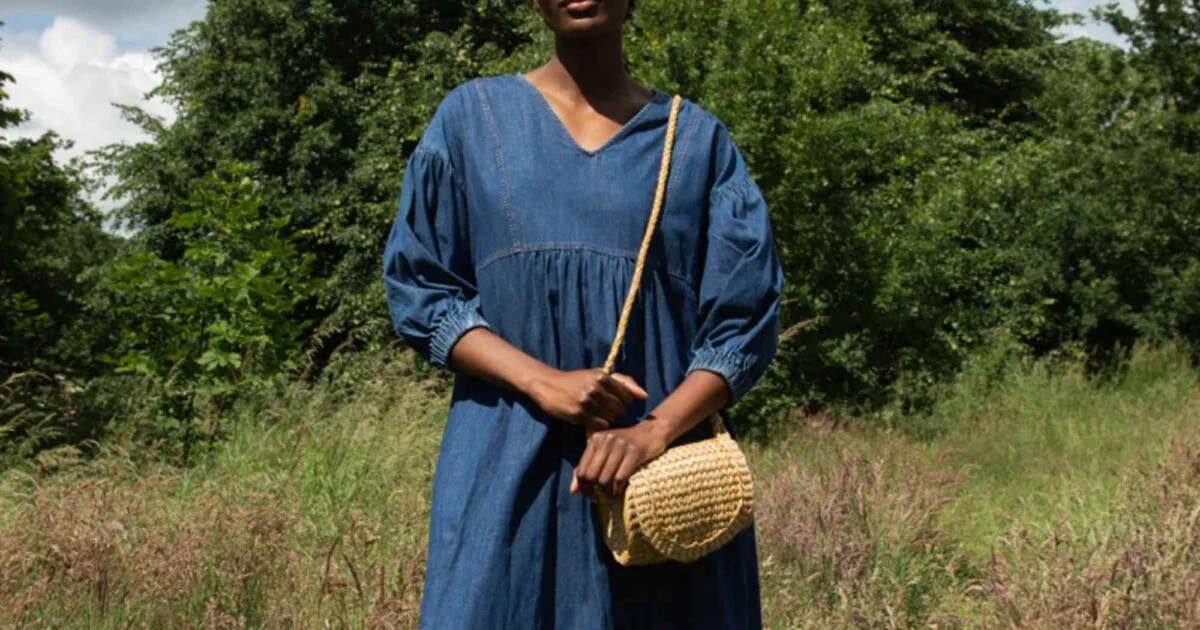
In an era increasingly defined by conscious consumerism, the quest for timeless wardrobe staples that align with ethical values has gained significant momentum. Dresses, revered for their versatility and enduring appeal, represent a category where the intersection of style and sustainability is particularly crucial. While many prominent fashion labels continue practices detrimental to people, the planet, and animals, a growing number of brands are championing a more responsible approach. This comprehensive guide, informed by rigorous ratings systems, highlights ethically-minded dress brands, meticulously categorized by region, empowering consumers to make informed choices that resonate with their values.
The Unseen Journey of a Garment: Addressing Fashion’s Ethical Imperative
Dresses, whether chosen for professional settings or leisure, are more than mere garments; they are expressions of personal style, comfort, and confidence. Available in an expansive array of shapes, sizes, and luxurious fabrics such as silk, organic cotton, cupro, or linen, their allure is undeniable. However, beneath the surface of aesthetic appeal lies a complex production journey that often carries substantial environmental and social costs. The global fashion industry, valued at over $2.5 trillion, is notorious for its resource-intensive processes, significant waste generation, and often exploitative labor practices.
The rise of "fast fashion" over the past few decades has exacerbated these issues, prioritizing rapid production cycles and low costs over ethical considerations. This model has led to an alarming increase in textile waste, with an estimated 92 million tons of textile waste generated globally each year, much of which ends up in landfills or is incinerated. Water consumption in conventional cotton cultivation alone is staggering, requiring thousands of liters for a single garment. Furthermore, the extensive use of synthetic dyes and chemicals contributes to water pollution, while microplastic shedding from synthetic fabrics pollutes oceans and ecosystems. Socially, the industry is plagued by issues such as poverty wages, unsafe working conditions, and child labor in various parts of the supply chain, particularly in developing nations where regulations may be lax or poorly enforced.
Recognizing this critical need for transparency and accountability, organizations like Good On You have emerged as vital arbiters, dedicated to helping consumers understand the true impact of their purchasing decisions. Their mission extends beyond mere product recommendations, aiming to illuminate the ethical footprint of brands across key dimensions: their impact on people (labor rights, fair wages), the planet (resource use, pollution, waste), and animals (use of animal products, welfare standards). By providing comprehensive ratings and curated lists, Good On You facilitates a shift towards a more responsible fashion ecosystem, enabling consumers to align their closets with their conscience. This guide, created in line with their ethos, showcases dresses crafted from diverse, lower-impact fabrics and available in various lengths, encouraging local and conscious shopping.
The Evolution of Ethical Fashion: A Growing Movement Towards Transparency
The ethical fashion movement, while gaining significant traction in recent years, has roots stretching back to growing environmental awareness in the late 20th century and increased scrutiny of labor practices in global supply chains. A pivotal moment for public consciousness was the 2013 Rana Plaza factory collapse in Bangladesh, which killed over 1,100 garment workers and injured thousands more. This tragedy starkly exposed the human cost of fast fashion and ignited a global demand for greater supply chain transparency and improved labor conditions. Organizations like Fashion Revolution, founded in response to Rana Plaza, have since campaigned tirelessly for a fashion industry that values people and the planet over profit.
This period also saw an acceleration in the development and adoption of sustainable materials. Early efforts focused on organic cotton as an alternative to conventionally grown, pesticide-heavy varieties. Subsequently, innovations brought forth materials like Tencel™ Lyocell and Modal (derived from sustainably managed wood sources), recycled polyester (rPET) from plastic bottles, and eco-friendly alternatives to traditional leather. Brands began to explore circular economy principles, designing garments for longevity, repair, and eventual recycling, rather than the linear "take-make-dispose" model. The concept of "deadstock" fabrics – leftover materials from larger productions – also gained prominence as a way to reduce waste, forming the core of several innovative ethical brands.
Good On You’s methodology, which assesses brands against over 50 data points across environmental impact, labor conditions, and animal welfare, provides a standardized framework for evaluating ethical performance. This rigorous assessment, publicly available, empowers consumers to quickly ascertain a brand’s commitment to sustainability and fair practices. The rising demand for ethical products is evident in market trends; reports indicate that the global sustainable fashion market is projected to grow significantly, reaching an estimated $150 billion by 2030. This growth is driven by a demographic shift towards consumers who prioritize sustainability, transparency, and ethical production in their purchasing decisions, particularly younger generations. The brands highlighted in this guide exemplify this evolving landscape, offering stylish alternatives without compromising on principles.
Regional Ethical Dress Pioneers: A Global Showcase of Sustainable Style
The global landscape of ethical fashion is diverse and dynamic, with brands emerging from various corners of the world, each bringing a unique approach to sustainable design and production. This regional breakdown highlights how different brands are addressing the ethical imperative, often leveraging local resources, craftsmanship, and community engagement.
Oceania: Island-Inspired Ethics and Independent Design
The fashion scene in Oceania, particularly Australia, is characterized by a strong connection to nature and a burgeoning independent design culture. Brands here often emphasize natural fibers, relaxed silhouettes, and a commitment to local design while ensuring responsible production overseas.
Spell (Australia) epitomizes the bohemian spirit of Byron Bay, where its garments are proudly designed and sampled. Inspired by far-off places and vintage aesthetics, Spell maintains a commitment to responsible production in factories globally. The brand focuses on transparency within its supply chain and continually works to improve its environmental footprint, often incorporating organic cotton and other lower-impact materials. Their dresses, known for their flowing fabrics and intricate prints, cater to sizes 2XS-2XL, blending effortless style with conscious creation.
Elk (Australia), founded in Melbourne in 2004, stands as a pioneer of independent Australian design. Elk’s bi-annual collections are a testament to a design ethos where simplicity harmonizes with sustainability and innovation. The brand is dedicated to ethical manufacturing practices and uses sustainable materials where possible, tracing much of its supply chain to ensure responsible sourcing. Their aesthetic is characterized by clean lines and considered details, offering versatile dresses for everyday wear, primarily available in AU sizes 6-18.
Europe: Regulatory Rigor Meets Craftsmanship and Social Impact
Europe has long been at the forefront of environmental regulation and ethical consumer movements. This is reflected in its ethical fashion brands, which often emphasize stringent material certifications, transparent supply chains, and a strong focus on social welfare, sometimes extending beyond their immediate geographical location.
Jyoti – Fair Works (Germany) is a powerful example of a European brand with a global social conscience. Based in Germany, Jyoti specializes in GOTS-certified cotton products, providing vital employment opportunities for marginalized or disadvantaged groups in India. This direct engagement fosters fair wages and safe working conditions, creating a positive ripple effect in producer communities. Their dresses embody minimalist design and comfort, available in sizes S-XL, demonstrating that ethical production can be deeply integrated with social responsibility.
Coco & Kandy (Bulgaria) focuses on crafting uncomplicated, high-quality clothes ideal for warmer climates. The brand is committed to using lower-impact materials and maintains a highly transparent supply chain, regularly visiting its suppliers to ensure adherence to ethical standards. Their designs prioritize longevity and timelessness, challenging the fast fashion cycle by offering pieces meant to be cherished for years.
The UK: A Hub for Conscious Innovation and Circularity
The United Kingdom has fostered a vibrant ethical fashion scene, characterized by brands that prioritize innovative sustainable materials, circular design principles, and a clear mission to drive systemic change within the industry.
OMNES (UK) is a notable brand committed to creating more responsible and affordable womenswear. Their mission is explicitly stated: "We created OMNES to help change the way you shop, wear and think about clothing. And to encourage the rest of the industry to do it, too." This reflects a broader ambition to influence industry standards. OMNES focuses on using certified lower-impact materials and ensuring fair labor practices throughout its supply chain, offering chic and contemporary dresses in sizes 6-20.
Baukjen (London) stands out for its focus on ethical and sustainable style, designing clothes "for you, and designed for good." The brand extensively utilizes lower-impact materials, including recycled fabrics, which significantly reduces the environmental footprint by minimizing chemical, water, and wastewater usage in production. Baukjen’s collection offers sophisticated and practical dresses, available in sizes XS-L, embodying a blend of elegance and environmental stewardship.
Beaumont Organic (UK) champions slow fashion, harmonizing simple, elegant styles with responsible production. Founded by Hannah Beaumont-Laurencia, the brand extends its ethical commitment through its own charitable foundation, supporting communities in Fiji. Beaumont Organic’s dresses are crafted with meticulous attention to detail and sustainable materials, reflecting a philosophy of quality over quantity. Available in sizes XS-L, their pieces are designed to be enduring additions to any conscious wardrobe.
COSSAC (UK) is built on the belief in creating timeless, feminine, and versatile apparel responsibly. Advocating for the minimalist concept of capsule wardrobes, COSSAC offers contemporary classics designed to transcend seasonal trends. The brand exclusively uses organic or lower-impact materials and partners with small factories for limited production runs, effectively minimizing waste and deadstock. Their commitment to sustainable practices and enduring design offers dresses in sizes S-L.
North America: From Local Production to Global Impact
North American ethical brands showcase a diverse range of strategies, from localized production and upcycling to significant community and environmental initiatives, reflecting the continent’s vast geographical and cultural landscape.
Christy Dawn (US) presents a minimalist showroom of vintage-inspired women’s clothing and footwear, with a strong commitment to local manufacturing. The brand’s distinctive approach involves using surplus fabric, often referred to as "deadstock," to create new garments, thereby diverting materials from landfills. This strategy, combined with local production in the US, earns Christy Dawn a "Great" rating for its ethical practices. Their beautiful, timeless dresses are available in standard sizes XS-XL, with extended and petite collections to ensure inclusivity.
Kotn (Canada), a Certified B Corp, exemplifies a holistic approach to ethical business. Beyond crafting beautifully made garments, Kotn actively invests in its farming communities in the Nile Delta. Through partnerships with local NGOs, the brand funds school infrastructure, provides educational materials, and supports teacher salaries, directly addressing low literacy rates. Their commitment to ethical production, fair wages, and community development is woven into every piece, offering dresses in sizes XS-2XL made from high-quality Egyptian cotton.
Minimalist (US) anchors its philosophy in timeless design and circularity. This New York-based brand offers a curated collection of women’s ready-to-wear pieces, all produced locally in New York City. Minimalist is dedicated to being part of the solution for a more sustainable fashion industry by using certified lower-impact materials and ensuring fair wages and working conditions in its local factories. Crucially, their designs are conceived to be recycled at their end of life, promoting a closed-loop system. Dresses are available in sizes XS-L.
Whimsy + Row (US), founded in 2014, is a lifestyle brand born from a passion for quality goods and responsible practices. The brand significantly reduces its environmental footprint by utilizing deadstock fabrics and executing short production runs, which inherently minimizes textile waste. Furthermore, Whimsy + Row prioritizes reducing packaging waste and carefully managing water resources. Their stylish and conscious dresses are offered in sizes XS-XL, with an extended sizing range up to 3XL, ensuring broader accessibility to ethical fashion.
Asia: Reimagining Production and Preserving Craftsmanship
Often the epicenter of global garment manufacturing, Asia is also home to pioneering ethical brands that are redefining production norms. These brands frequently champion local artisans, traditional craftsmanship, and innovative uses of regional materials, challenging the narrative of mass-produced fast fashion.
The Summer House (India) creates elegant womenswear using locally made, lower-impact fabrics. The brand actively partners with local artisans and NGOs, providing valuable opportunities and sustaining traditional crafts within the region. Their collection features elegant prints and flowing silhouettes that reflect both contemporary style and cultural heritage. The Summer House’s commitment extends to offering limited-time promotions, such as complimentary handwoven baskets or exclusive discounts on site-wide purchases and specific items like hand-embroidered tops, further connecting consumers with artisanal craft. Their range, available in sizes XS-XL, offers conscious clothing for various social occasions.
No Nasties (India) is a leader in responsible fashion, known for its simple and stylish clothing crafted from Fairtrade organic cotton. Based in India, the brand is actively involved in growing the ethical consumer market locally, demonstrating a commitment to systemic change from within a major production hub. Their designs prioritize comfort and sustainability, with styles available in sizes 2XS-3XL, proving that ethical choices can be both accessible and fashionable.
SeamsFriendly (India) excels in creating beautifully tailored pieces that celebrate all body types. The brand’s focus on function and utility is complemented by its use of lower-impact materials like organic cotton and linen. A standout feature is the ability for shoppers to customize designs to their exact preferences—from neck style and depth to sleeve and garment length, fabric choice, and more. This commitment to personalized fit extends to a wide size range (bust 26"-70", waist 19"-63" for womenswear, and custom options for menswear and a kids range), significantly reducing returns and promoting garment longevity.
Dorsu (Cambodia) provides everyday basics and signature favorites that form the foundation of any conscious wardrobe. Based in Cambodia, Dorsu is committed to ethical production practices, ensuring fair wages and safe working conditions for its garment workers. Their straightforward, well-made dresses are designed for durability and comfort, offering an essential range in sizes XS-XL.
I was a Sari (India) brings traditional styles into the modern age by ingeniously upcycling used saris and deadstock fabrics. This Indian brand transforms discarded materials into vibrant, unique products sold worldwide, embodying circularity and cultural preservation. Each dress tells a story, contributing to waste reduction and supporting artisanal livelihoods. Pieces are available in sizes S-L.
OhSevenDays (Turkey), founded by Australian-Canadian Megan Mummery, is dedicated to promoting slow fashion and the "power of circularity." Based in Istanbul, a significant textile manufacturing center, the brand innovatively reclaims end-of-roll fabrics from local garment factories. These high-quality "leftovers" are then transformed into sharp, everyday womenswear that is both wearable and responsible. OhSevenDays effectively turns fast fashion’s waste into slow fashion’s treasures, offering garments in sizes XS-XL, with custom sizing options to enhance fit and reduce waste.
The Broader Implications: Empowering Consumers for a Sustainable Future
The proliferation of ethically-minded dress brands across these diverse regions signifies a profound shift in the fashion industry. Consumers are increasingly aware of the ethical landscape of their purchases, with studies showing that a significant percentage are willing to pay more for sustainable products. This growing demand acts as a powerful catalyst, compelling more brands to re-evaluate their supply chains, material sourcing, and labor practices.
Platforms like Good On You play an instrumental role in this evolution by demystifying the complex world of ethical production. By consolidating information and providing clear, actionable ratings, they empower individuals to make choices that align with their personal values, without compromising on style or quality. The implications extend beyond individual purchasing decisions, contributing to a collective pressure on the wider industry to adopt more transparent, circular, and equitable practices.
The future of fashion hinges on this collaborative effort: brands innovating sustainable solutions, consumers demanding ethical products, and organizations providing the necessary tools for informed decision-making. The journey of a dress, from fiber to finished garment, can indeed be one of responsibility and positive impact. By supporting the brands highlighted in this guide, consumers not only invest in high-quality, enduring pieces but also contribute to a global movement towards a fashion industry that truly benefits people, the planet, and animals. This ongoing evolution promises a wardrobe that is not only stylish but also deeply sustainable, reflecting a deeper consciousness in every thread.