









Lactic acid, a gentle yet effective alpha hydroxy acid (AHA), has emerged as a skincare powerhouse, offering a sweet spot for those seeking the glow-boosting benefits of exfoliation without the harshness of stronger alternatives. Its larger molecular size compared to other AHAs like glycolic acid allows for a more gradual and less irritating penetration into the skin. Dr. Mamina Turegano, a board-certified dermatologist based in New Orleans, explains that lactic acid, naturally derived from dairy products but typically synthesized for cosmetic use, works by dissolving dead skin cells. This process leads to smoother, brighter, and more radiant skin. Crucially, unlike some more potent acids, lactic acid also possesses hydrating properties, making it a more tolerable option for individuals with dry or sensitive skin.
This article delves into the best lactic acid serums available, curated by editors and dermatologists, to address a spectrum of skin concerns, from post-breakout marks and uneven tone to the simple desire for a luminous complexion.
Understanding Lactic Acid’s Place in Skincare
Alpha hydroxy acids (AHAs) are a class of chemical exfoliants that work on the surface of the skin to break down the bonds between dead skin cells, allowing them to be shed more easily. This process reveals newer, healthier skin cells underneath, leading to improved texture, tone, and overall radiance. Among the common AHAs, lactic acid stands out for its unique balance of efficacy and gentleness.
- Glycolic Acid: With its smaller molecular size, glycolic acid penetrates the skin more deeply and rapidly. This makes it highly effective for addressing concerns like fine lines, wrinkles, and significant hyperpigmentation. However, its potency can also lead to increased redness, irritation, and sensitivity, particularly for those with delicate skin.
- Lactic Acid: As mentioned, lactic acid’s larger molecule size results in slower, more controlled exfoliation. This makes it a more forgiving option for sensitive skin types. Beyond its exfoliating action, lactic acid is a humectant, meaning it attracts and retains moisture in the skin. This dual action contributes to a smoother, plumper, and more hydrated complexion, mitigating the dryness often associated with exfoliation.
- Salicylic Acid: While technically a beta hydroxy acid (BHA), salicylic acid is often discussed alongside AHAs due to its exfoliating properties. Its oil-soluble nature allows it to penetrate into pores, making it exceptionally effective for treating acne, blackheads, and congested skin by dissolving sebum and cellular debris.
The choice between these acids often depends on individual skin type, concerns, and tolerance levels. Lactic acid, with its inherent hydrating and gentler exfoliating capabilities, carves out a significant niche for those seeking visible improvements without compromising their skin’s barrier function.
Our Top Lactic Acid Serums
Whether you are battling stubborn post-acne marks, dry and flaky patches, uneven skin tone, or simply aspire to a more luminous complexion, a lactic acid serum can be your ally. The following formulas have been rigorously selected by beauty editors and dermatologists for their exceptional performance and suitability for a range of skin needs.
Best Overall: Mara Flower Acid Algae Serum
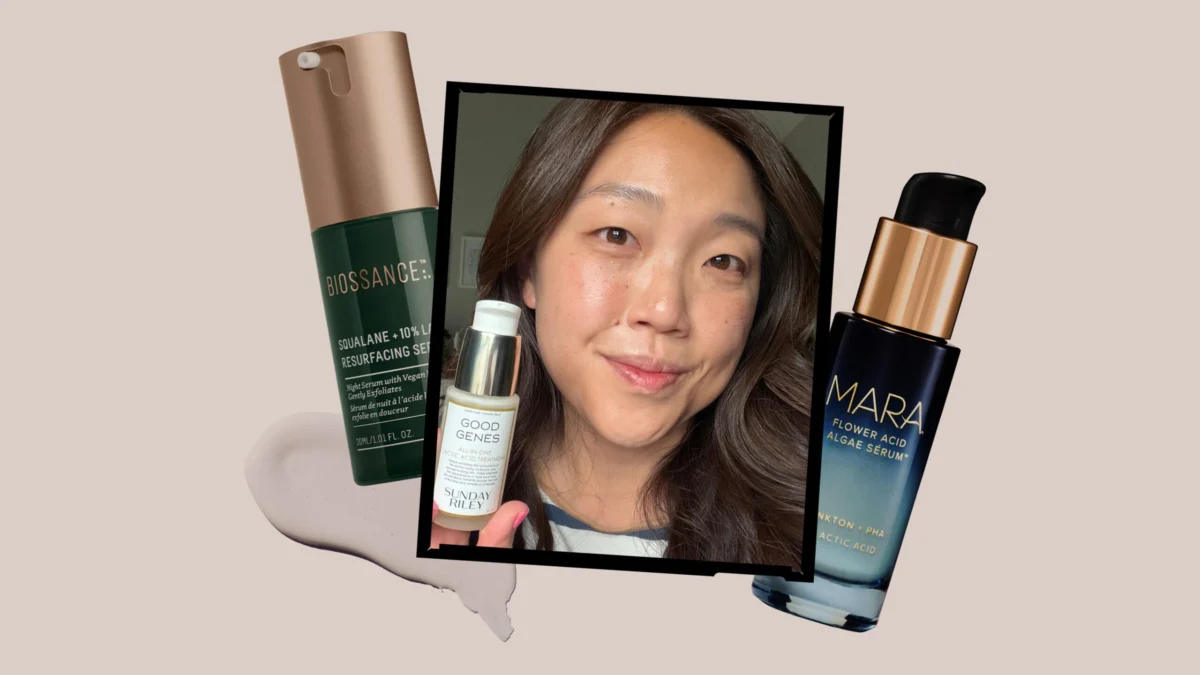
The Mara Flower Acid Algae Serum, a Best of Beauty Award winner, is a testament to the brand’s founder’s deep dive into the power of marine ingredients. Inspired by the Sea of Marmara, the serum features a proprietary algae blend, plankton, and mineral-rich French seawater. These components work synergistically to hydrate, balance, and enhance skin’s elasticity.
The resurfacing power of this serum is driven by a potent 11% lactic acid derived from beet sugar, complemented by gluconolactone, a gentle polyhydroxy acid (PHA). While this is the highest concentration of lactic acid featured on our list, its inherent humectant properties ensure that the serum feels nourishing rather than stripping. Flower acids from daisy and hibiscus, alongside anti-inflammatory helichrysum, contribute to refining skin texture.
Dr. Sean Alemi, a double board-certified facial plastic and reconstructive surgeon based in New York City, previously commented to Allure that this multi-acid serum brightens and refreshes the skin without compromising the skin barrier.
Beauty director Sarah Kinonen shares her experience: "I use this serum every other night in place of my prescription Tretinoin. After cleansing and before moisturizer, I massage a small pump into my skin from my forehead down my neck. As someone with easily irritated skin, this never causes the usual side effects I experience with potent serums, like inflammation and/or flaking. Instead, it leaves my skin feeling smooth and looking glowy. I’ll admit that $74 for an exfoliating serum is a bit pricey, but I promise it’s worth the investment! I’ve recommended it to so many friends and family, and they’ve all agreed that the results are great. Plus, it won a Best of Beauty Award a few years back, so we all agree it’s good!"

Best for Mature Skin: Sunday Riley Good Genes All-In-One Lactic Acid Treatment
Sunday Riley, a name synonymous with meticulously crafted skincare, has earned a devoted following for its Good Genes All-In-One Lactic Acid Treatment. This iconic formula is a favorite among those seeking to combat dullness and uneven texture associated with mature skin.
Dr. Turegano notes that mature skin often benefits from exfoliation that enhances radiance and smooths texture without excessively compromising the skin barrier. Good Genes delivers on this, providing a plumper, brighter, and more radiant appearance while maintaining a hydrating and cosmetically elegant feel.
This 2023 Best of Beauty Award winner provides a noticeable "flash facial" effect, making skin look instantly plumper and more luminous. The formula also incorporates brightening licorice to fade discoloration and post-breakout marks over time. Soothing ingredients like arnica and prickly pear extract ensure that the skin remains calm and comfortable during the exfoliation process.
Contributing commerce writer Christa Joanna Lee offers her perspective: "I can count on one hand the products that I routinely go back to, and me and Good Genes All-In-One Lactic Acid Treatment have been BFFs for about a decade now. As I enter the last year of my 30s, I depend on this more than ever to keep my dry, sensitive skin from flaking and looking dull. It delivers consistent exfoliation and keeps rough patches at bay and despite being an acid treatment, it’s never irritated my skin."
Best for Sensitive Skin: Paula’s Choice 6% Mandelic Acid + 2% Lactic Acid Liquid Exfoliant
For individuals whose sensitive skin reacts negatively to the mere mention of exfoliating acids, Paula’s Choice 6% Mandelic Acid + 2% Lactic Acid Liquid Exfoliant offers a gentle yet effective solution.
Dr. Carlos Vieira, a board-certified dermatologist in Philadelphia, explains that this formula’s lower concentration of lactic acid (2%) significantly reduces the risk of irritation. The inclusion of mandelic acid, a high-molecular-weight molecule, ensures a slower and gentler exfoliation process overall.
Dr. Turegano highlights this formulation’s suitability for sensitive skin concerns, particularly post-inflammatory hyperpigmentation and uneven tone. She elaborates, "Mandelic acid tends to be a little gentler and more tolerable for people prone to post-inflammatory hyperpigmentation, while the lactic acid improves radiance and smoothness without feeling overly aggressive." The combined action of these acids refines texture, fades discoloration, clears dullness, and firms the skin without causing stinging or discomfort.
Social media manager Bianca Richards shares her enthusiastic endorsement: "Mandelic acid is often considered the go-to gentle exfoliant for sensitive skin, though it’s rare to find a mandelic acid serum on the market, let alone one that’s both effective and truly non-irritating. After using it for about a month now, it’s done absolute WONDERS for my skin. Over time, using this gentle exfoliant every other day has given me a flawless, radiant complexion, to the point that I feel confident enough to go to the office without makeup. My rule of thumb is to pair an exfoliating treatment with an intensely hydrating cream or mask, because after exfoliation, my skin benefits most from a deep, replenishing hydration boost. This may be biased, but I’ve come to trust that Paula’s Choice delivers the results I’m looking for, so once I finish my bottle, I will need to re-up ASAP!"
Best for Acne-Prone Skin: Shani Darden Lactic Acid Exfoliating Serum
Shani Darden’s Lactic Acid Exfoliating Serum has garnered significant praise for its ability to smooth texture, boost radiance, and clarify the skin, making it an excellent choice for acne-prone complexions. The serum features a 9% lactic acid concentration, designed to address texture and improve overall skin clarity.
Complementing the lactic acid is gluconolactone, which further aids in improving tone and clarity without imparting an overly aggressive feel. Recognizing the potential for over-exfoliation in acne-prone skin, the formula is fortified with a soothing blend of hyaluronic acid, aloe, and green tea. These ingredients work to replenish hydration, reduce redness, and promote a calmer, more balanced complexion.

This serum’s efficacy has been noted by Allure staff. Associate beauty editor Annie Blay-Tettey attributes Shani Darden’s "magic fingers" to her effective formulations. The serum’s ability to smooth texture, enhance radiance, and contribute to clearer, more even-looking skin makes it a standout product for those struggling with breakouts and post-acne marks.
Best for Dry Skin: The Ordinary Lactic Acid 5% + HA
Dry skin can often appear dull and feel rough due to a buildup of dead skin cells, even with diligent moisturizing. The Ordinary’s Lactic Acid 5% + HA Exfoliating serum offers a gentle solution to this common concern.
Dr. Turegano highlights the serum’s mild 5% lactic acid concentration, which provides gentle exfoliation. The inclusion of glycerin and sodium hyaluronate helps to counteract potential dryness and irritation associated with exfoliating acids, ensuring that the skin remains hydrated. The formula is further enhanced with Tasmanian pepperberry, an antioxidant-rich botanical known for its calming properties.
For those whose skin has acclimated to lower concentrations and is ready for a more potent treatment, The Ordinary also offers a 10% lactic acid version, recommended by Dr. Turegano for tackling more persistent dullness and uneven texture. This tiered approach allows users to gradually increase the strength of their exfoliation as their skin’s tolerance improves.
Best for Combo Skin: Biossance Squalane + Lactic Acid Resurfacing Night Serum
Combination skin, characterized by a mix of oily and dry or normal areas, presents a unique challenge for skincare formulation. Biossance’s Squalane + Lactic Acid Resurfacing Night Serum addresses this by harmonizing potent exfoliation with deep hydration.
The serum features a 10% lactic acid concentration, effectively targeting texture issues and clogged pores. This is balanced by sugarcane-derived squalane, a powerful emollient that ensures hydration is maintained, preventing drier areas from feeling tight or depleted. Dr. Turegano explains that this combination allows the serum to address concerns across different skin zones simultaneously.
Additionally, clover extract aids in boosting cell turnover and assists the skin in recovering from environmental stressors such as UV exposure, blue light, and pollution. While the formula is free from synthetic fragrances, it contains a subtle hint of lavender oil, which offers anti-inflammatory benefits. However, individuals with sensitivities to essential oils may wish to perform a patch test before full application. Dr. Carlos Vieira notes that the serum has a richer, thicker texture that still layers well with other skincare products.
Frequently Asked Questions
How does lactic acid compare to other exfoliating acids?
Lactic acid is generally considered one of the gentler exfoliating acids, making it a preferred choice for individuals with dry, sensitive, or reactive skin. While glycolic acid offers more potent exfoliation for deeper concerns like fine lines and hyperpigmentation, it can also cause more irritation. Salicylic acid, a BHA, is oil-soluble and excels at penetrating pores to address acne and oiliness. Lactic acid strikes a balance, providing noticeable brightening and smoothing while also enhancing skin hydration. However, products that combine multiple acids or high concentrations may be better suited for experienced users.
Is lactic acid good for sensitive skin?

Yes, lactic acid products are often ideal for sensitive skin due to their gentler and more hydrating nature compared to stronger AHAs like glycolic acid. Its larger molecular size leads to slower skin penetration, reducing the likelihood of irritation. This makes it a beneficial ingredient for dry, reactive, or easily irritated skin types. Nevertheless, it is advisable to start slowly and avoid over-exfoliation, particularly if the skin barrier is compromised.
What percentage of lactic acid is best for beginners?
For individuals new to lactic acid, a concentration of around 5% is typically recommended. Once the skin has adjusted, users can gradually transition to higher concentrations. Formulations around 10% to 12% are suitable for more experienced users who tolerate exfoliating acids well. However, higher percentages do not always equate to faster or better results, and over-exfoliation, leading to redness, irritation, and a compromised skin barrier, is a common concern.
Meet the experts
The insights provided in this guide are informed by the expertise of board-certified dermatologists Dr. Mamina Turegano and Dr. Carlos Vieira, alongside the practical experience of Allure‘s beauty editors and contributors. Their collective knowledge ensures a comprehensive and reliable assessment of lactic acid serums.
How we test and review products
Allure employs a rigorous testing process that involves evaluating product ingredients, brand claims, and scientific data. Our editorial team, including experienced writers and editors, alongside dermatologists, meticulously assesses each product based on performance, ingredients, packaging, fragrance, texture, and overall wear. This detailed methodology ensures that our recommendations are trustworthy and serve the best interests of our readers. Our diverse testing pool, encompassing a wide range of ages, skin tones, hair textures, and backgrounds, allows for a fair and comprehensive evaluation of beauty products.