










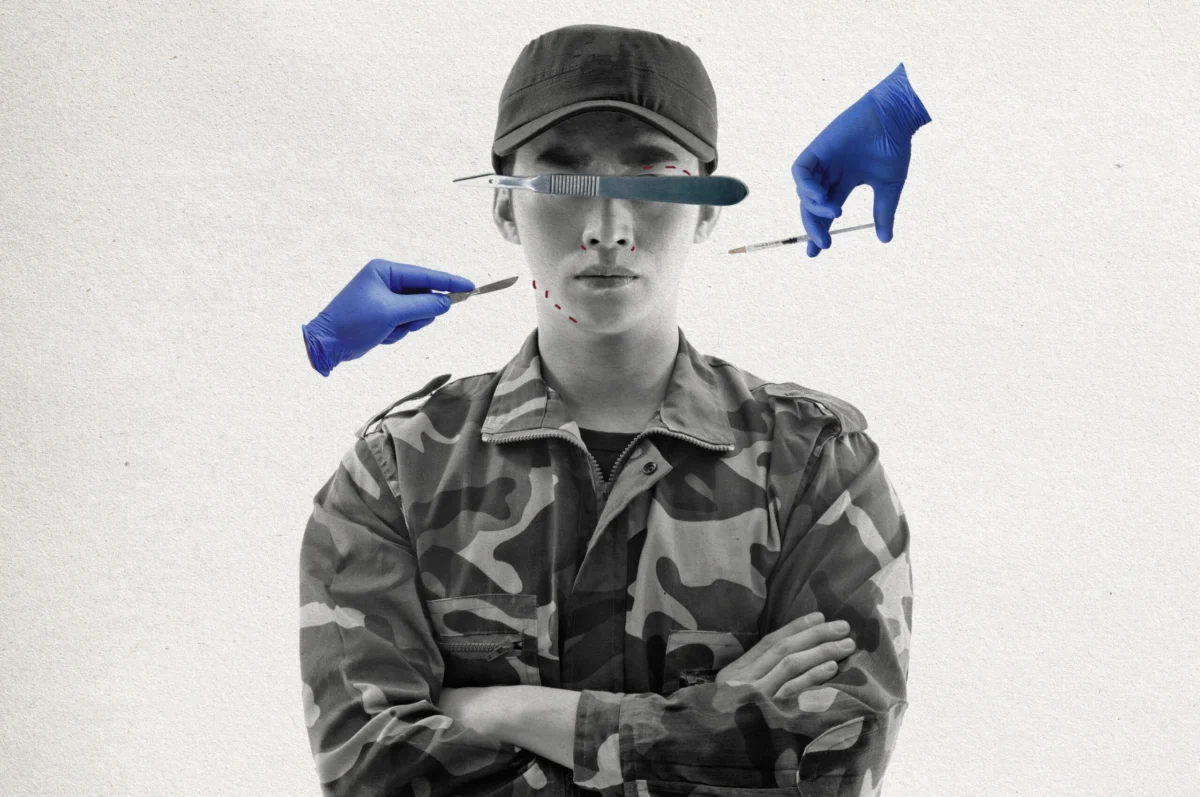
An increasing number of active-duty soldiers in South Korea are opting for elective cosmetic surgeries, leading to significant operational challenges and prompting discussions about military readiness and the evolving values of younger generations. Reports from South Korean media outlets, including the Hankook Ilbo and The Korea Times, indicate a notable surge in service members seeking procedures ranging from rhinoplasties to eyelid surgeries, often during their mandated service periods. This trend, fueled by a confluence of factors including South Korea’s deeply ingrained aesthetic culture, increased military pay, aggressive marketing by cosmetic clinics, and substantial military discounts, is beginning to strain unit cohesion and operational efficiency.
The Aesthetic Landscape of South Korea and its Military
South Korea has long been recognized globally for its advanced aesthetics industry, with cosmetic procedures being widely accepted and increasingly common across all demographics. This societal norm, often referred to as the "Korean aesthetic," places a significant emphasis on appearance, influencing everything from daily fashion choices to the burgeoning popularity of cosmetic enhancements. While women are part of the South Korean armed forces, their numbers are significantly smaller, and mandatory service applies primarily to men. However, the cultural embrace of aesthetic improvements extends to men as well, a trend that was noted years ago by industry professionals.
Dr. Yong Joon Noh, a plastic surgeon at Banobagi Plastic Surgery specializing in oculoplastic and rhinoplasty procedures, stated in 2019 that between 30% and 40% of his patients were male. At that time, it was common for male patients, including those serving in the military, to schedule these procedures during extended leave periods towards the end of their service, anticipating their transition to civilian life. This allowed for recovery without impacting active duty responsibilities.
The Shift: Surgeries During Active Service
The current trend, however, represents a significant departure from this established pattern. Service members are now increasingly seeking cosmetic interventions not just at the end of their term, but during their active duty. This shift is attributed to several contributing factors that have converged in recent years:
- Enhanced Military Pay: An increase in military salaries has provided service members with greater disposable income, making elective procedures more financially accessible.
- Aggressive Clinic Marketing: Cosmetic surgery clinics, recognizing the potential market, have begun actively targeting military personnel. This includes offering specialized packages and promotions.
- Military Discounts: The availability of significant discounts for soldiers further reduces the financial barrier, making these procedures an attractive option.
- Cultural Normalization: The widespread acceptance and discussion of cosmetic surgery in South Korean society, including among younger generations (Gen Z), has likely reduced any stigma associated with seeking such treatments.
These elements have created an environment where aesthetic enhancements are not only more accessible but also socially normalized for active-duty personnel.
Operational Disruptions: Recovery Time and Readiness Concerns
The primary concern arising from this trend is not the soldiers’ pursuit of aesthetic improvements but the ensuing recovery periods that directly impact military operations. Front-line commanders are reportedly facing a growing number of requests for soldiers to be excused from duties due to post-operative recovery needs.
An illustrative incident occurred in March, when a commander at a front-line army unit in Gangwon Province received a call from a soldier’s mother. The mother requested her son be excused from essential trench maintenance duties, citing that his eyelids were still healing from recent surgery. This highlights how even minor cosmetic procedures can lead to significant functional limitations for soldiers, particularly in physically demanding roles.
In another reported case, a soldier was exempted from critical cold-weather training upon returning from leave with a freshly performed rhinoplasty. The commander expressed his bewilderment, stating, "I was flustered because he underwent a nose job without saying a word right before the training." Such instances suggest a lack of prior notification or approval processes for these elective surgeries, leading to unexpected personnel shortages and disruptions during crucial training exercises or operational readiness periods.
Global Trends in Aesthetic Procedures
The rise in cosmetic surgeries among South Korean soldiers is occurring against a backdrop of a global surge in aesthetic procedures. The International Society of Aesthetic Plastic Surgery (ISAPS) released a report indicating a substantial 42.5% increase in the number of surgical and non-surgical procedures performed worldwide between 2020 and 2024. Notably, eyelid surgery and gynecomastia procedures were at the forefront for male patients in this global increase.
This broader trend suggests that the desire for aesthetic improvements is a growing global phenomenon, and it is plausible that military populations, like civilian populations, are increasingly participating. The increased accessibility and normalization of these procedures in South Korea, combined with the specific military context, have likely amplified this trend within its armed forces.
Implications for Military Readiness and Generational Values
The situation in South Korea presents a complex challenge for military leadership. While the surgeries themselves are elective, their impact on operational capacity is undeniable. Commanders are now seeking guidance on how to manage the staffing shortages that arise from soldiers requiring recovery time. This includes navigating the balance between accommodating the needs and desires of a younger generation of soldiers and maintaining the rigorous demands of military service.
The phenomenon has also sparked discussions about the "values of a changing generation," as described by one professor quoted in the reports. This suggests a potential generational shift in priorities, where personal appearance and self-enhancement are becoming increasingly important, even within the structured environment of the military.
The implications for the South Korean military are multifaceted:
- Operational Efficiency: Frequent absences due to recovery can reduce unit readiness and hamper the execution of training and operational missions.
- Resource Allocation: The military may need to reconsider policies regarding leave, medical support, and potentially even the approval process for elective procedures to mitigate disruptions.
- Morale and Cohesion: While some may see aesthetic pursuits as a personal right, significant disruptions could affect morale and unit cohesion if perceived as prioritizing individual appearance over collective duty.
- Future Trends: As South Korea often serves as a bellwether for aesthetic trends, other militaries globally might eventually face similar challenges. The increasing openness of public figures, such as actor John Cena discussing his hair transplant, indicates a broader societal shift that could eventually extend to military personnel in other nations.
Moving Forward: Policy and Adaptation
While official statistics on the precise number of soldiers undergoing plastic surgery or the most common procedures are not yet publicly available, the anecdotal evidence and reports from news outlets underscore a growing concern. The issue is less about the procedures themselves and more about their tangible impact on military readiness.
Military commanders are reportedly grappling with how to address these staffing side effects. Experts and some military leaders acknowledge the need to adapt to the evolving values of younger service members. This could involve developing clearer guidelines for elective procedures, potentially incorporating them into existing leave policies, or establishing specific protocols for recovery periods that minimize operational impact.
The South Korean military’s experience offers a potential preview for other armed forces worldwide. As aesthetic treatments continue to gain mainstream acceptance and accessibility, military organizations may need to proactively address how these trends intersect with the demands of national security and operational readiness. The challenge lies in finding a sustainable balance that respects individual choices while upholding the collective mission.